
 Deutsch
 Español
 Français
 Italiano
 Magyar
 Polski
 Slovenčina
 Čeština
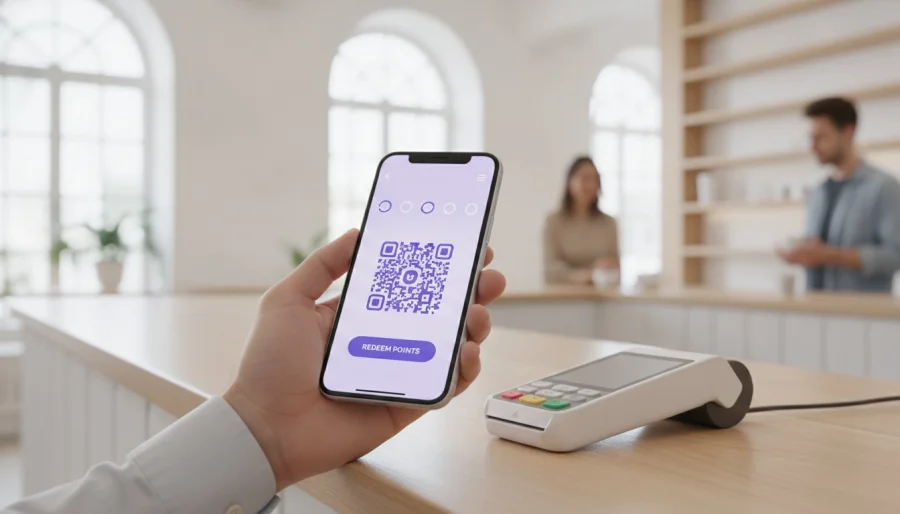
Did you know that 40% of consumers abandon loyalty programs simply because the rewards take too long to earn? It's a common frustration for business owners who see customers walk out the door and never return. You likely agree that relying on clunky paper punch cards or expensive POS hardware feels outdated and inefficient. By exploring modern loyalty program examples, you'll find that the most successful brands have moved beyond physical cards to embrace digital-first solutions that live right in the customer's mobile wallet.
We're here to show you how to skyrocket your retention rates without the typical headaches of high development costs or technical complexity. You'll discover how both global leaders and local shops use digital stamp cards and white-label apps to build genuine customer connections. This guide previews the exact strategies you need to launch a branded experience that increases repeat visits and boosts customer lifetime value. Get ready to transform your approach to retention with a system that's as easy for you to manage as it is for your customers to use.
Key Takeaways
- Learn how to implement modern loyalty program examples that replace clunky physical cards with seamless digital wallet passes.
- Discover why the digital stamp card model remains the most effective way for high-frequency businesses like coffee shops to drive daily visits.
- Explore how service-based businesses use tiered points systems to reward high-spending customers and increase lifetime value.
- Find creative industry-specific blueprints, such as using "secret menus," to build deeper emotional loyalty without discounting your brand.
- Understand the competitive advantage of launching a white-label loyalty app that gives you full ownership of the customer experience.
The Evolution of Loyalty: What Makes a Program Successful in 2026?
The way we think about customer retention has fundamentally changed. In 2026, a successful Loyalty program isn't just a marketing tactic; it's a seamless part of the customer journey. Consumers no longer have the patience for complex systems or delayed rewards. In fact, 40% of consumers abandon programs if rewards take too long to earn. They want instant gratification and a frictionless experience. Effective loyalty program examples in today's market prioritize speed and accessibility above all else.
Modern loyalty is defined by "invisible" technology. It shouldn't feel like a chore for the customer to participate. Instead of carrying a physical reminder, the program should live where the customer already spends their time: on their smartphone. By shifting from physical plastic to digital wallet passes for Apple and Google Wallet, you meet your customers where they are. This convenience is the new currency of retention.
The Death of the Physical Wallet
Physical cards are a relic of the past. Paper stamp cards have a staggering 80% non-redemption rate because people lose them, forget them at home, or simply find them too bulky to carry. Digital fixes this immediately. When your loyalty pass lives in a digital wallet, it's always available. This shift offers massive environmental and cost benefits by removing the need for plastic production and paper waste.
Digital passes also reduce checkout friction for your staff. There is no more digging through wallets or searching for a phone number at the counter. A quick scan is all it takes. This efficiency keeps your lines moving and keeps your customers happy. If you're looking for modern loyalty program examples, look no further than businesses that have ditched the physical for the digital. It's a cleaner, faster, and more reliable way to build a community of repeat buyers.
Frictionless Identification via QR Codes
The "Scan to Earn" mechanism is the new standard for local businesses and global brands alike. It allows customers to earn rewards by simply scanning a QR code with their smartphone camera. You don't need expensive POS hardware or complex software integrations to make this work. It's a smartphone-native approach that fits perfectly into the 2026 lifestyle.
Using QR codes allows for instant enrollment. A customer can join your program in seconds while waiting for their order. There are no long forms to fill out and no apps to download from a crowded app store. This simplicity is why digital platforms like BonusQR are replacing traditional systems. You get the data and engagement you need, and your customers get the rewards they want without any of the usual hurdles. It's a win-win that drives long-term growth.
Digital Stamp Card Examples: Reimagining the Classic Punch Card
High-frequency businesses thrive on habit. The "Buy 9, Get 10th Free" model remains one of the most effective loyalty program examples because it's incredibly easy for customers to grasp. It creates a clear path to a reward that feels attainable. While the goal is simple, the digital execution is what drives the modern results you need. By moving this model into a mobile wallet, you remove the friction of lost cards and forgotten rewards.
Consider these three industry leaders using digital stamps to dominate their local markets:
- The Local Coffee Shop: By offering a digital stamp for every latte, a cafe turns a morning routine into a rewarding game. Frequent visitors see their progress every time they pay, which encourages them to choose the same shop over a competitor just to "finish the card."
- The Modern Barbershop: Consistency is key in grooming. A barbershop can reward every 6th haircut, ensuring clients return at regular 4-week intervals rather than stretching out the time between visits.
- Boutique Fitness Studios: Studios use digital stamps to track class attendance. Rewarding a user after 10 HIIT sessions or yoga classes helps build the long-term discipline that prevents membership churn after the initial "New Year" excitement fades.
Why Digital Stamps Outperform Paper
Paper cards are passive, but digital stamps are active. One of the biggest advantages is the ability to send push notifications. You can automatically alert a customer when they're "only one stamp away" from a free item, which often triggers an immediate visit. This system also turns anonymous transactions into valuable data. You finally learn who your regulars are and how often they visit. Research shows that 82% of consumers are willing to share personal data if it leads to a better experience. Digital stamp cards are the primary tool for high-frequency retail retention.
The Psychology of the "Progress Bar"
Digital stamps leverage the "endowed progress effect." When people feel they've already made headway toward a goal, they're much more likely to complete it. Visualizing this progress through a digital wallet pass keeps the reward top-of-mind. Unlike a card buried in a purse, a wallet pass can appear on a customer's lock screen when they're physically near your store. Using the right Digital Stamp Card Software makes this psychological edge easy to implement. It's a simple way to stay visible without being intrusive. If you're ready to see how this works for your brand, you can start building your own today and watch your repeat visits climb.
Points-Based and Tiered Loyalty Program Examples
While digital stamps drive frequency for low-cost items, points-based systems are the engine for higher-ticket service businesses. These loyalty program examples allow you to reward customers proportionally to their spend. If a client spends $200 on a massage, they should earn more than someone buying a $15 bottle of lotion. Transitioning to points ensures your rewards reflect your actual revenue while protecting your profit margins. To keep your system sustainable, assign point values that represent a small percentage of the transaction, typically between 2% and 5% of the total sale.
Consider The Multi-Location Spa. By tracking annual spend, they can automatically move clients into different tiers. A customer who reaches a certain threshold might get early access to new treatments or priority booking. This creates emotional loyalty, which can lead to 65% more repeat purchases than traditional systems. Specialty Retail shops also excel here by awarding points for non-transactional actions. You can give points for social media shares or successful referrals, turning your best customers into a volunteer marketing force without increasing your ad spend.
Creating Value-Based Tiers
Effective tiers usually follow a Silver, Gold, and Platinum structure. Each level should offer increasing value that justifies the higher spend. For your top-tier members, use the features of a white-label app to provide exclusive content or a branded experience that feels premium. You can learn more about setting these up in our guide to Digital Reward Points Systems. Tiers work because they tap into the human desire for status and recognition while providing a clear roadmap for customer growth.
Gamification and Engagement
Keep your community active by introducing leaderboards or point-based challenges. For example, a "Summer Wellness Challenge" can award bonus points to members who visit three times in a month. To keep engagement high, use digital wallet updates to send instant notifications when a point balance changes. This real-time feedback loop prevents "point fatigue" where customers lose interest because the goal feels too far away. Research shows that 70% of customers are more loyal to brands that offer personalized offers. Dynamic point updates are the easiest way to deliver that personalization directly to their lock screen without requiring them to open an app.
Industry-Specific Loyalty Blueprints for Small Businesses
Every business serves a different purpose for its customers. To build a successful program, you must understand the specific "Job to be Done" for your ideal client. These loyalty program examples show how tailoring rewards to your industry's unique needs can drive better results than a one-size-fits-all approach. When the reward matches the customer's motivation, retention happens naturally.
Restaurants can use "Secret Menu" items as high-value rewards. Instead of a simple discount, offering an exclusive dish creates a sense of belonging and excitement. For salons, the goal is often filling the calendar. You can reward clients for pre-booking their next appointment or visiting during off-peak hours on Tuesdays and Wednesdays. Pet groomers also benefit from this consistency. By tracking recurring services for their furry clients, groomers can offer a free "spa upgrade" after a set number of visits. This ensures owners stay on a strict grooming schedule while feeling appreciated for their loyalty.
Hospitality and Food Service
Speed is everything in food service. Long lunchtime queues are the enemy of retention. QR-based digital stamps allow customers to scan and earn in seconds, preventing bottlenecks at the register. A small cafe recently replaced their old paper cards with this digital system and saw a 30% increase in their customer return rate. By integrating with Google and Apple Wallet, you provide a "no-search" checkout. The loyalty pass appears automatically on the lock screen as the customer approaches your shop. This makes it impossible to forget their rewards and keeps your line moving fast.
Wellness and Professional Services
High-trust industries like spas, clinics, and dental offices require a more personal touch. Loyalty here is about relationship management rather than just transactions. Using White Label Loyalty App Development allows you to maintain a premium brand identity. Your logo and colors remain front and center, reinforcing your professional image every time a client checks their points balance. This level of customization shows your clients that you're invested in their long-term care and experience. It builds a sense of partnership that generic platforms simply can't match.
Ready to see how these blueprints fit your specific business model? You can start your digital loyalty journey today and see how easy it is to replace physical cards with a modern, branded experience.
Building Your Own Branded Loyalty App: The White-Label Advantage
Owning your digital real estate is a competitive necessity in 2026. Many loyalty program examples fail because they force customers into a third-party aggregator app where your brand is just one of many. When you choose a white-label solution, you're not just buying software; you're securing your brand's future. You get a custom presence in the app store without the high development costs or the need for a dedicated coding team. This approach builds immediate professional authority, making a small-scale operator look like an industry leader.
A branded app allows you to go far beyond simple stamps. You can integrate custom features like direct booking, personalized messaging, and exclusive content that keeps your customers engaged between visits. This level of functionality turns a basic reward system into a comprehensive customer management tool. It's about providing a premium experience that feels high-end and specifically tailored to your community's needs.
Owning the Customer Relationship
Third-party aggregators often dilute your brand by placing your business right next to your direct competitors. White-labeling fixes this by ensuring the customer relationship remains exclusive to you. You gain the power of direct-to-consumer communication through push notifications. These alerts have significantly higher engagement rates than traditional email marketing. Since the app is yours, you own the data and the dialogue.
Consider The Boutique Agency model. Marketing professionals use white-label platforms to manage multiple client loyalty apps under one roof. This allows them to offer a sophisticated tech stack to local businesses without the logistics of custom app development. It's an efficient way to scale professional services while providing clients with a branded experience that drives real revenue. Ownership means you control the journey from the first download to the final reward redemption.
Next Steps: From Inspiration to Implementation
Transitioning from a physical system to a digital one is simpler than you might think. Your first step is to choose the model that fits your primary goal. If you want to increase the frequency of low-cost purchases, a digital stamp card is your best starting point. If you want to increase total spend or manage a complex service schedule, a full white-label app is the superior choice. Define your targets clearly: are you chasing more visits, higher spend, or a flood of new referrals?
Your brand deserves its own space. Don't hide it inside someone else's platform. You can check out BonusQR Pricing to find a plan that matches your current scale and growth ambitions. Starting your digital loyalty journey today means you'll be ready to capture more value from every customer who walks through your door tomorrow. It's time to move beyond the plastic card and embrace the future of branded retention.
Transform Your Retention Strategy Starting Now
Modern customer retention is all about speed, visibility, and convenience. You've seen through various loyalty program examples that the most successful businesses are moving away from physical cards. They're embracing digital wallet passes and branded apps that live directly on the customer's lock screen. Whether you're running a local coffee shop or a high-end wellness clinic, the key is to provide a frictionless experience that rewards consistency. You can drive repeat visits without adding technical complexity or expensive overhead to your daily operations.
You don't need specialized POS hardware to modernize your approach. BonusQR offers a streamlined loyalty platform that integrates perfectly with Apple and Google Wallet. You can maintain your unique brand identity through professional white-label options that build authority with every scan. It's the simplest way to turn anonymous transactions into a loyal community of regulars who choose your business every time.
Start your digital loyalty program with BonusQR today and take full ownership of your customer relationships. Your long-term business growth is just one scan away. We're ready to help you simplify your workflow and skyrocket your retention rates starting today.
Frequently Asked Questions
What are the best loyalty program examples for small businesses?
Digital stamp cards and tiered points systems are the most effective loyalty program examples for small operators. Coffee shops and barbershops thrive with a simple "buy 10, get one free" stamp model. For service-based businesses like spas, a tiered points system rewards higher spending with exclusive benefits. These models work because they're easy to understand and provide a clear path to rewards that customers actually want to use.
Can I replace paper punch cards with a digital loyalty app?
You can easily replace paper punch cards with a digital loyalty application. Paper cards have a high failure rate, with 80% of them never being redeemed because customers lose or forget them. Digital versions solve this by living in the customer's smartphone. This shift increases redemption rates and provides you with valuable data about your regulars that a paper card simply cannot offer.
Do I need a special POS system to use a digital loyalty program?
No, you don't need expensive POS hardware to launch a modern program. Most digital loyalty platforms use a "scan to earn" mechanism via QR codes. Your staff can use any smartphone or tablet to issue stamps or points. This setup removes the technical barriers and high entry costs associated with traditional systems. It's a lightweight solution designed to work alongside your existing checkout process without any complex integration.
How do digital loyalty cards work with Apple Wallet and Google Wallet?
Digital loyalty passes integrate natively with Apple and Google Wallet. When a customer joins your program, they save a digital card to their phone's wallet just like a boarding pass or credit card. This means they don't have to download a new app. Your business stays visible on their lock screen through location-based alerts and automatic updates, ensuring your rewards are always top of mind when they're nearby.
What is white-label loyalty app development?
White-label loyalty app development allows you to launch a custom branded app under your own business name. Instead of being listed in a generic aggregator app alongside competitors, you own the entire experience. This builds professional authority and keeps your brand front and center. It includes your logos, colors, and specific features like direct messaging or booking, providing a premium feel without the cost of hiring a private development team.
How much does it cost to start a digital loyalty program in 2026?
The cost of starting a digital loyalty program depends on your specific needs and customer volume. While enterprise platforms can be expensive, solutions for small businesses are designed to be accessible. You'll typically find monthly subscription models that scale as your business grows. This is significantly more affordable than building a custom app from scratch or investing in proprietary hardware, making it easy to see a return on your investment quickly.
What is the most effective way to increase repeat customer visits?
The most effective way to drive repeat visits is through instant gratification and consistent visibility. Use push notifications to remind customers when they're close to a reward. Research shows that 40% of people abandon programs if rewards take too long to earn, so keeping milestones achievable is crucial. By staying present in their digital wallet, you remind them of the value you provide every time they look at their phone.
Is a points-based or a stamp-based loyalty program better?
Choosing between a points-based or stamp-based system depends on your business model. Stamp cards are perfect for high-frequency, fixed-price purchases like coffee or car washes. Points systems are better for businesses with varying price points, such as retail or professional services, where you want to reward customers based on their total spend. Both are excellent loyalty program examples that can be tailored to match your specific revenue goals and customer habits.