Customer retention is one of the toughest challenges gas station owners face. Fuel prices shift constantly, competitors sit just down the road, and customers rarely think twice about switching for a few cents per gallon. But a well-structured rewards program changes that dynamic entirely. Fuel retailers that adopt tech-enabled loyalty are seeing measurable gains in gross profit and repeat visits. This article walks you through every phase of building a gas station rewards program, from setting goals and selecting a platform to launching campaigns and tracking results.
Key Takeaways
| Point | Details |
|---|---|
| Tech-enabled loyalty matters | Modern rewards programs with digital tools increase retention and gross profit. |
| Step-by-step setup is crucial | Clear planning ensures smooth launch, high enrollment, and scalable rewards. |
| Continuous optimization wins | Review and adapt your rewards program regularly to maximize ROI and customer satisfaction. |
| Staff engagement drives results | Well-trained employees make rewards campaigns more effective with customers. |
Understand the essentials for gas station rewards
Before you invest time and money into a rewards program, you need a clear foundation. Jumping into software or promotions without defined goals is one of the most common mistakes station owners make. Start by asking yourself what you actually want to achieve. Do you want more convenience store purchases? Higher fuel volume? Greater customer visit frequency? Each goal shapes how you design your program.
Define your program goals clearly
Your goals will determine which reward types for retailers make the most sense. A station focused on increasing in-store spend will lean toward points-based systems tied to merchandise purchases. A station competing on fuel price may benefit more from per-gallon cashback rewards. Being specific about outcomes from the start saves you from costly redesigns later.
Technology requirements you need to know
Modern rewards programs rely on digital infrastructure. At minimum, you should evaluate:
- Point-of-sale (POS) integration to automatically track purchases and award points
- Mobile and web app access so customers can check balances and redeem rewards anywhere
- Digital wallet compatibility for frictionless payment and rewards redemption at the pump or counter
- Coupon management tools to create, distribute, and track promotional offers
- Customer data collection to build profiles and personalize communications
Fortunately, not every platform requires deep POS integration. Some solutions work through QR codes or app-based check-ins, which makes setup faster and more accessible for independent operators.
Tech-enabled vs. manual rewards: A direct comparison
36% of fuel retailers currently use loyalty tech to drive gross profit growth, and the gap between tech-enabled and manual programs is significant. Here is a side-by-side comparison:
| Feature | Tech-enabled program | Manual/paper program |
|---|---|---|
| Enrollment speed | Instant via app or QR code | Slow, requires physical forms |
| Data collection | Automatic and real-time | Limited or nonexistent |
| Personalization | AI-driven and segmented | Generic offers only |
| Coupon distribution | Digital and trackable | Paper, hard to measure |
| Staff workload | Low (automated) | High (manual processing) |
| Scalability | Easy to grow | Difficult to manage at scale |
The case for going digital is strong. AI-powered loyalty tools can segment customers by behavior, automatically trigger offers based on visit patterns, and predict which rewards will drive the highest engagement. That level of precision is simply not possible with stamp cards or paper punch systems.
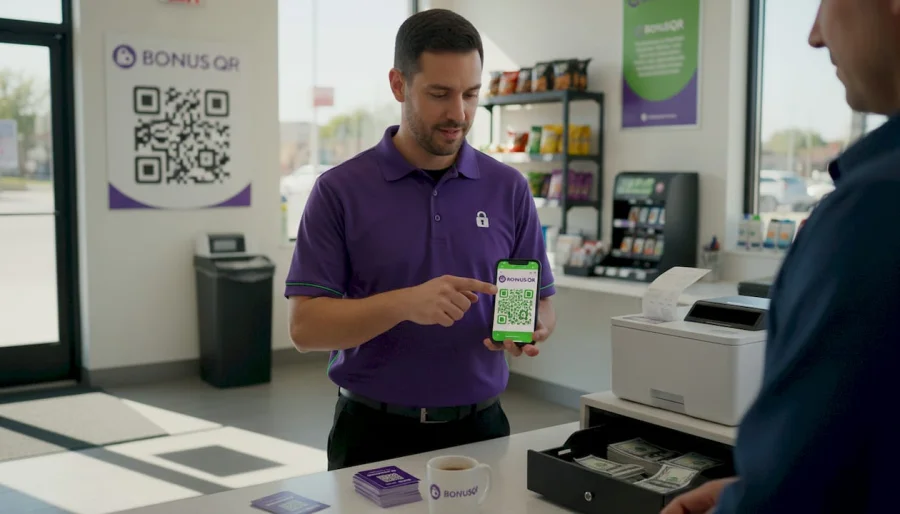
Exploring a purpose-built gas station loyalty application gives you a starting point to see what features align with your operation and budget.
Set up your gas station rewards platform
With your essentials organized, it’s time to choose and set up a rewards platform. This is where many operators get stuck. The sheer number of vendor options can feel overwhelming, so it helps to break the evaluation down into clear criteria.
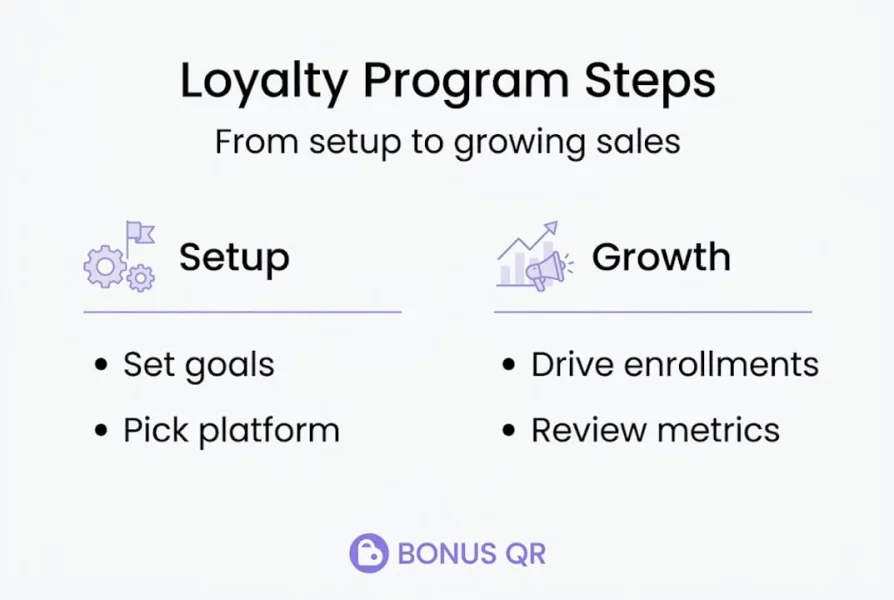
Step-by-step platform setup process
- Identify your must-have features. Based on your goals, list non-negotiables such as mobile app access, gamification, or push notification capability.
- Request demos from at least three vendors. Look for ease of use, not just feature depth. A platform your staff can’t figure out will collect dust.
- Evaluate integration flexibility. 47% of fuel retailers plan loyalty upgrades in the next two years, so you want a platform that can grow with you.
- Complete registration and configure your brand settings. Upload your logo, choose brand colors, and set your reward structure (points per dollar, stamp thresholds, cashback percentages).
- Integrate with your existing systems. Even if full POS integration isn’t required, connect digital wallets and any existing customer databases.
- Train your staff before launch. Every employee should understand how enrollment works and be able to walk a customer through signing up in under two minutes.
- Run a soft launch with a small group. Test the enrollment flow, redemption process, and notification delivery before going live to all customers.
Platform feature comparison table
| Feature | Basic tier | Standard tier | Premium tier |
|---|---|---|---|
| Points and stamps | Yes | Yes | Yes |
| Push notifications | No | Yes | Yes |
| Gamification | No | Limited | Full |
| White-label branding | No | No | Yes |
| Analytics dashboard | Basic | Advanced | Real-time |
| Coupon management | No | Yes | Yes |
Understanding the customer experience journey from first visit to loyal repeat customer helps you pick the right tier. A basic tier might work for a single-location operator just starting out. A multi-site operation will almost certainly need premium features like real-time analytics and white-label branding.
Pro Tip: Prioritize platforms that do not require complex POS integration. QR code-based enrollment and check-in systems can get your program running in days, not months, and reduce dependency on third-party POS vendors. Learning how to automate gas station rewards can also eliminate manual touchpoints and dramatically reduce staff workload once the program is live.
Build your reward structure thoughtfully
A common mistake is making rewards too hard to earn. If customers need 500 points to get a free coffee, and they earn 10 points per visit, the math works against you. Aim for a redemption cycle of four to eight visits. That frequency keeps customers engaged without giving away margin unnecessarily. Consider layering your structure: base points for every visit, bonus points for in-store purchases, and milestone rewards for reaching spending thresholds.
Launch your rewards campaign and drive enrollment
Once your platform is ready, launching your campaign efficiently is crucial to early success. The first 30 days are the most important period for any new rewards program. High early enrollment signals momentum, motivates staff, and gives you data to optimize.
Launch sequence for maximum impact
- Hold a staff briefing at least one week before launch. Explain the program, review enrollment steps, and clarify incentives for staff who sign up customers.
- Install signage at every customer touchpoint. Pump toppers, counter displays, window clings, and receipts should all promote the program.
- Activate digital promotion. Send messages through any existing email lists, post on social media channels, and update your Google Business Profile.
- Run a launch-week enrollment bonus. Offer double points or a free item for customers who sign up within the first seven days.
- Enable in-app or QR-code enrollment at the pump. Customers fueling up are already standing still. That’s your best opportunity to capture a sign-up without interrupting their routine.
- Follow up within 48 hours of enrollment. A welcome push notification or text with a small bonus reward reinforces the decision to join.
Effective enrollment incentive ideas
- Immediate sign-up bonus (free drink, car wash discount, or points credit)
- First fill-up discount for new members
- Referral bonus when an existing member brings in a new customer
- Double points on the first three visits after enrollment
- Entry into a monthly prize drawing just for being a member
Tech-enabled rewards programs are a proven driver of profit and repeat visits for gas stations, and the enrollment incentive is what converts casual visitors into program members. Do not underestimate it.
Engage your staff as program ambassadors
Your employees are on the front line. If they are enthusiastic about the program, customers will be too. Create a simple internal leaderboard tracking which staff members enrolled the most customers during launch week. Offer a small reward for the top performer. This turns enrollment into a team goal rather than an afterthought.
Pro Tip: Use your loyalty campaigns guide to plan seasonal promotions around your launch, such as a summer road trip reward or holiday fuel discount. Seasonal context makes the program feel timely and relevant to customers, which drives faster sign-ups.
Reach customers across multiple channels
Do not rely on a single communication channel. Combine push notifications for app users, SMS for customers who prefer text, and printed materials for those who are not digitally active. Looking at loyalty campaign examples from other retail businesses gives you creative ideas that translate well to the gas station context. Reviewing retail growth strategies can also help you structure your digital outreach for maximum reach during the launch phase.
Measure success and optimize your rewards program
After your rewards program is launched, tracking outcomes and refining your strategies will maximize ROI. Many operators launch successfully but then let the program run on autopilot. That is where gains start to fade.
Key metrics to track from day one
- Enrollment rate: The percentage of customers who join the program versus total visitors. A healthy target depends on your traffic volume, but 15 to 30% enrollment in the first 90 days is a strong benchmark.
- Repeat visit frequency: How often enrolled members return compared to non-members. This is your clearest indicator of loyalty impact.
- Average transaction value: Are members spending more per visit than non-members? In-store upsells often increase when customers are chasing points.
- Redemption rate: How often members actually use their rewards. A very low rate suggests rewards are too hard to earn. A very high rate may indicate your margins are at risk.
- Gross profit growth: Gross profit growth is directly linked to tech-enabled rewards adoption, making this one of your most important long-term measures.
How to collect meaningful feedback
Data alone does not tell the full story. Build feedback loops from both customers and staff. Send a short in-app survey to members after their fifth visit asking what they enjoy about the program and what they would change. Hold monthly check-ins with your team to surface issues that data does not capture, such as customers asking about features that are not working or confusion about how to redeem rewards.
“The most valuable loyalty data is behavioral, not just transactional. Watch what members do after they redeem a reward. Do they come back faster? Do they spend more? That pattern tells you whether your program is building a habit or just buying a visit.”
Studying common loyalty program mistakes helps you spot problems early before they cost you members or margin.
Apply continuous improvements based on what you learn
Once you have two to three months of data, you are ready to optimize. If repeat visit frequency is lower than expected, add a time-sensitive bonus (double points if you visit within seven days of your last fill-up). If enrollment has plateaued, refresh your incentive offer or run a referral campaign. Reviewing your reward strategies periodically ensures you are offering the right mix of benefits to keep members engaged at every stage of their loyalty journey.
Referencing a solid retention strategies guide can also give you frameworks from adjacent industries that translate well to gas station retail.
Pro Tip: Block one hour at the end of each month to review your top three metrics. Compare them against the prior month and set one specific action to improve each. Consistency in this review habit is what separates programs that grow from ones that stagnate.
What most gas stations get wrong about rewards and how to do it right
Here is the honest truth: most gas station rewards programs fail not because of bad software, but because of shallow thinking. Operators assume that offering a few cents off per gallon is enough to build loyalty. It is not. Price discounts attract price-sensitive customers, and those customers will leave the moment a competitor offers a better deal. That is not loyalty. That is just temporary preference.
Real retention comes from making customers feel recognized. Personalized offers based on purchase history, gamified milestones that create progress and anticipation, and timely push notifications that feel relevant rather than spammy, these are the tools that build emotional connection to your brand. When a customer gets a birthday reward or a surprise bonus for their tenth fill-up, they remember it. When you know how to automate rewards for loyalty at the right moments, that recognition happens at scale without adding to your staff’s workload. The gas stations winning the loyalty game are not the ones with the lowest fuel price. They are the ones that treat their customers like members of something worth belonging to.
Ready to unlock stronger loyalty at your gas station?
If you are ready to move from generic discounts to a rewards program that actually builds retention, BonusQR has the tools to make it happen faster than you might expect.
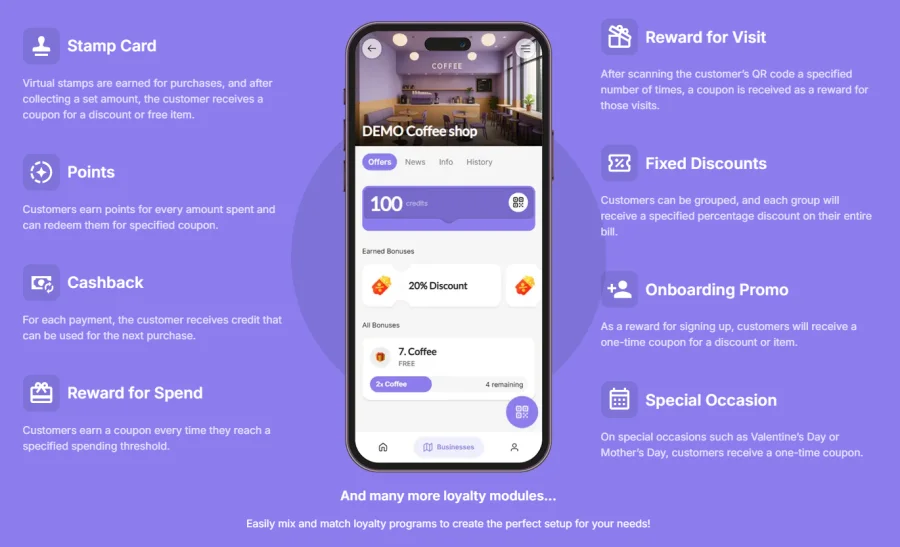
BonusQR’s platform gives you access to a full electronic rewards platform built for businesses like yours, with no complex POS integration required. You can activate flexible coupon management to run targeted promotions and add loyalty gamification features that keep customers coming back for more. Whether you are launching your first program or upgrading an existing one, BonusQR’s scalable pricing and rapid setup mean you can be live and enrolling customers in days. Explore the platform and see which features fit your station best.
Frequently asked questions
What is a step-by-step process for launching gas station rewards?
Begin by establishing your goals and technology needs, then choose a platform, complete system setup and staff training, plan and execute your launch tactics, and consistently track results to refine your approach over time.
How can I encourage customers to enroll in a gas station rewards program?
Use digital channels, staff incentives, and immediate sign-up rewards to make enrollment appealing and easy, since tech-enabled rewards programs are proven drivers of profit and repeat visits when members are actively engaged from their very first visit.
What are essential metrics for measuring rewards program success?
Track enrollment rates, repeat visit frequency, and gross profit growth as your primary indicators, since gross profit growth is directly linked to tech-enabled rewards adoption in the fuel retail industry.
How often should I review and update my gas station rewards program?
Set monthly or quarterly reviews to consistently improve your program based on customer feedback and outcome data, with a specific focus on your top three performance metrics each cycle.
What technology is required for a modern gas station rewards program?
You will need some combination of POS integration or QR-based check-in, digital wallets, mobile and web app access, coupon management tools, and push notification capability to run an effective and scalable program.


