
 Deutsch
 Español
 Français
 Italiano
 Magyar
 Polski
 Slovenčina
 Čeština
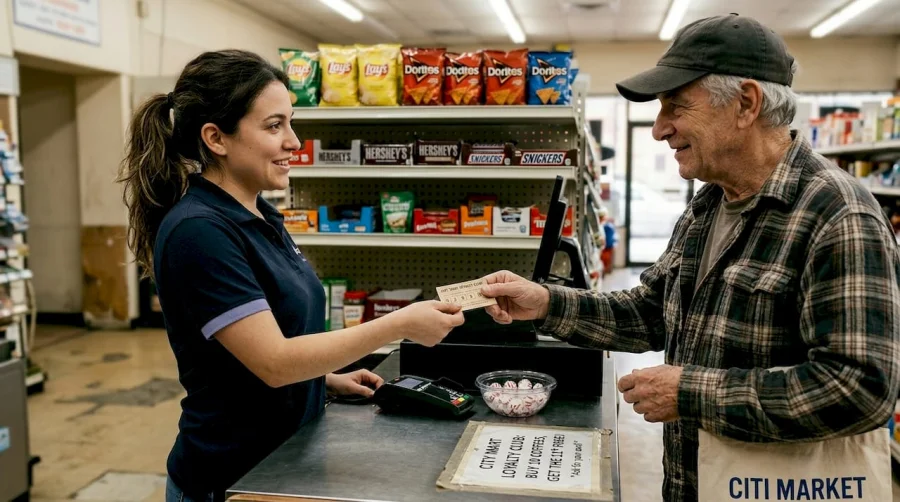
Running a loyalty program sounds simple. Offer rewards, customers return, sales grow. But many retail and service businesses stumble when executing these programs, wasting money on features customers ignore or building systems too complex to manage. The difference between a thriving loyalty initiative and one that drains resources often comes down to avoiding a handful of critical mistakes. This guide walks you through the most common loyalty program pitfalls and shows you exactly how to sidestep them, so you can build a program that genuinely strengthens customer relationships and drives repeat business.
Key Takeaways
| Point | Details |
|---|---|
| Understand customers | Identify who buys and why to tailor rewards that actually drive engagement. |
| Keep rewards simple | Make earning and redemption intuitive so customers grasp it quickly. |
| Leverage technology | Automate tracking, reminders, and data insights. |
| Communicate benefits clearly | Reinforce how the program works across signs, staff, email, and mobile channels. |
| Test with customers | Pilot the program with a small group of regulars and refine before full rollout. |
Common criteria for evaluating loyalty programs
Before launching any loyalty initiative, you need a framework for making smart decisions. The right criteria help you avoid expensive mistakes and build a program that actually works for your business model and customer base.
Start by understanding who your customers are and what motivates them. A coffee shop’s daily visitors want quick, convenient rewards they can redeem frequently. A boutique clothing store’s customers might prefer exclusive access to new collections or special shopping events. Customer engagement in retail stores depends on matching rewards to real customer behavior patterns, not what you think they should want.
Your rewards must strike a balance between attractive and sustainable. Offering a free product after three purchases sounds generous, but if your margins can’t support it, you’ll either lose money or need to cancel the program and disappoint customers. Calculate the actual cost of each reward tier and ensure it aligns with your profit structure.
Simplicity wins every time. Customers should understand how to earn and redeem rewards within 30 seconds of hearing about your program. If you need a flowchart to explain the rules, start over.

Technology makes or breaks modern loyalty programs. Manual punch cards get lost, forgotten, or require staff time to manage. Digital systems track purchases automatically, send reminders, and provide data you can actually use to improve the program.
Pro Tip: Before finalizing your program structure, test it with five regular customers. If any of them look confused when you explain how it works, simplify further.
Scalability matters more than most business owners realize. A program that works for 100 customers might collapse under the weight of 1,000. Choose systems and reward structures that can grow with your business without requiring complete rebuilds.
Top loyalty program mistakes to avoid
Even well-intentioned business owners make predictable errors that undermine their loyalty programs. Recognizing these mistakes helps you steer clear of them from day one.
-
Failing to segment your customer base. Not all customers want the same things. Your high-spenders deserve different recognition than occasional browsers. Treating everyone identically means you’ll satisfy no one fully. Create at least two or three customer segments based on purchase frequency or spend levels, then tailor communications and rewards accordingly.
-
Building overly complicated reward structures. Complex reward structures confuse customers and kill participation. If customers need to calculate point values, conversion rates, or tier qualifications, they’ll simply opt out. Stick to straightforward systems like “buy 10, get 1 free” or “earn $1 credit for every $20 spent.”
-
Neglecting clear communication. Launching a program without explaining how it works guarantees failure. Customers won’t automatically understand your system. You need signage, staff training, email campaigns, and in-app notifications that repeatedly reinforce the benefits and mechanics. Assume customers need to hear the message five times before it registers.
-
Ignoring mobile and web technology. Physical cards get lost or forgotten at home. Digital loyalty tracking through mobile apps or web platforms ensures customers always have access to their rewards. This accessibility dramatically increases engagement rates because customers can check their progress anytime and receive push notifications about special offers.
-
Skipping performance measurement. You can’t improve what you don’t measure. Without tracking redemption rates, customer participation levels, and program ROI, you’re flying blind. Set up analytics from day one to identify what’s working and what needs adjustment.
Pro Tip: Schedule a quarterly program review where you analyze participation data, customer feedback, and financial impact. This regular check-in prevents small problems from becoming major failures.
Comparing loyalty program features: what works best
Different program features deliver different results. Understanding these distinctions helps you choose elements that align with your business goals and customer preferences.
| Feature Type | Advantages | Best For | Potential Drawbacks |
|---|---|---|---|
| Point-based rewards | Flexible redemption options, encourages repeat purchases | Businesses with varied product lines | Can feel impersonal, requires clear value communication |
| Tiered membership | Creates status motivation, rewards best customers | High-margin businesses with loyal customer segments | May alienate lower-tier members if not balanced |
| Physical cards | Low tech barrier, familiar to all ages | Traditional retail with older customer demographics | Easy to lose, no data collection, manual tracking |
| Mobile app tracking | Automatic tracking, rich data, push notifications | Tech-savvy customer base, businesses wanting detailed analytics | Requires app download, some customer resistance |
| Simple discounts | Easy to understand, immediate value | Price-sensitive markets, high competition | Can train customers to wait for deals, erodes margins |
| Exclusive experiences | Builds emotional connection, differentiates brand | Premium brands, service businesses | Harder to scale, requires event planning resources |
The most effective programs often combine multiple features. A coffee shop might use point-based rewards for everyday purchases while offering exclusive tasting events for top-tier members. This layered approach addresses different customer motivations without overcomplicating the core system.
Mobile and web loyalty features particularly stand out for their ability to improve program effectiveness and ease of use. Digital platforms eliminate the friction of physical cards while providing valuable customer data that helps you refine your offerings. The initial setup investment pays off through reduced manual management and increased customer engagement.
Brand customization deserves special attention. Your loyalty program should reinforce your brand identity, not feel like a generic add-on. Custom colors, logos, and messaging create a cohesive experience that strengthens customer connection to your business.
How to choose and adjust your loyalty program successfully
Selecting the right program structure is just the beginning. Ongoing optimization separates successful programs from those that fade into irrelevance.
Start with measurable goals. “Increase customer loyalty” is too vague. Instead, aim for specific targets like “increase repeat purchase rate by 15% within six months” or “achieve 40% program enrollment among existing customers in 90 days.” These concrete objectives let you track progress and make data-driven decisions.
Customer feedback is gold. Survey participants quarterly to understand what they value and what frustrates them. Ask specific questions: Which rewards do you redeem most often? What would make the program more valuable to you? Have you experienced any difficulties earning or using rewards? This direct input reveals opportunities for improvement that data alone might miss.
Loyalty program sales growth depends on regular monitoring and adaptation. Review your program metrics monthly. Look at enrollment rates, active participation percentages, redemption frequency, and the program’s impact on overall sales. If enrollment is high but redemption is low, your rewards might not be attractive enough or the earning threshold is too high.
Employee training ensures consistency. Your staff needs to understand the program thoroughly and communicate it enthusiastically. A confused or indifferent employee can undo your best marketing efforts. Hold monthly refresher sessions and celebrate employees who excel at promoting program enrollment.
Pro Tip: Create a simple one-page guide for staff that covers the most common customer questions. This reference tool ensures consistent, accurate information every time.
Plan regular updates to maintain interest. Even successful programs need refreshing. Introduce seasonal rewards, limited-time bonus point opportunities, or new redemption options every few months. These updates give you reasons to re-engage customers and keep the program feeling current.
| Adjustment Area | Review Frequency | Key Metrics | Action Triggers |
|---|---|---|---|
| Reward values | Monthly | Redemption rate, profit margin impact | Redemption below 20% or above 60% |
| Communication strategy | Bi-weekly | Email open rates, app engagement | Open rates below industry average (15-20%) |
| Earning thresholds | Quarterly | Time to first reward, member retention | Average time to reward exceeds 60 days |
| Technology performance | Weekly | App crashes, load times, user complaints | Any technical issues affecting user experience |
| Overall ROI | Monthly | Program cost vs. incremental revenue | ROI below 3:1 ratio |
Flexibility is essential. What works today might not work next year as customer preferences shift or competitors launch their own programs. Stay alert to market changes and be willing to pivot quickly when data suggests your current approach isn’t delivering results.
Optimize your loyalty program with BonusQR solutions
Avoiding loyalty program mistakes becomes significantly easier with the right technology partner. BonusQR specializes in helping retail and service businesses build loyalty programs that customers actually use.
The platform’s electronic reward system eliminates the hassles of physical cards while providing the data insights you need to refine your program continuously. Customers access their rewards through mobile or web apps, ensuring they never forget their loyalty status at home.
Coupon management features let you create targeted offers for specific customer segments without manual distribution headaches. Send personalized promotions based on purchase history, reward high-value customers with exclusive deals, or re-engage members who haven’t visited recently.
Brand customization options ensure your loyalty program reinforces your unique identity rather than looking like a generic template. Customize colors, logos, and messaging to create a seamless experience that strengthens customer connection to your business.
The mobile and web loyalty apps provide the accessibility modern customers expect while giving you real-time analytics on program performance. Track what’s working, identify improvement opportunities, and scale your program as your business grows, all without requiring expensive POS system integration.
Frequently asked questions about loyalty program mistakes
How can I keep my loyalty program simple yet effective?
Focus on one primary reward mechanism, like points per dollar spent or stamps per visit. Avoid multiple currencies, complex tier calculations, or rewards that require explanation. Test your program description on someone unfamiliar with your business. If they understand it immediately, you’ve achieved the right simplicity level.
What are signs my loyalty program isn’t engaging customers?
Low enrollment rates (below 30% of regular customers), minimal redemption activity, or customers asking “Do you have a loyalty program?” when you’ve been promoting it for months all signal engagement problems. Check your loyalty rewards cards tips for strategies to boost participation.
How often should I update or change loyalty rewards?
Refresh reward options or introduce bonus earning opportunities every quarter to maintain interest. Avoid changing core program mechanics more than once yearly, as frequent structural changes confuse customers and erode trust. Seasonal promotions and limited-time bonuses provide variety without disrupting the fundamental system.
Can technology really improve my loyalty program’s success?
Absolutely. Digital platforms increase participation by making programs more convenient, provide data that helps you optimize rewards, and reduce staff time spent on manual tracking. Customers are three times more likely to engage with app-based programs compared to physical card systems because they can check progress anytime and receive timely notifications.
What’s the best way to communicate program benefits to customers?
Use multiple channels repeatedly. Train staff to mention the program during checkout, display clear signage at your entrance and register, send email campaigns highlighting member success stories, and use push notifications for app users. Customers need to hear about benefits five to seven times before the message fully registers, so consistent repetition across channels is essential.