A customer pays, leaves happy, and fully expects to come back. Then nothing happens. No reminder, no reward, no reason to choose you over the shop down the street the next time they are deciding quickly on their phone.
That is how regular customers fade out.
Small businesses usually do not have a retention problem because they lack ideas. They have a systems problem. One-off SMS discounts, occasional upgrade offers, and manual punch cards create scattered activity, not repeatable loyalty. The result looks a lot like the frustration people often describe around Boost Mobile promotions for existing customers. New-customer deals get the spotlight, while loyal customers are left to hunt for value inside account rules, upgrade conditions, or limited offers that are easy to miss.
The practical lesson for SMBs is clear. Retention works better when promotions are connected. Customers should see steady progress, relevant offers, and a clear reason to stay engaged over time.
That is the advantage of running all 10 tactics in this article as one coordinated system instead of as isolated campaigns. A stamp card loyalty program can feed tiered rewards. Tiered rewards can trigger win-back messages. Feedback requests can lead into milestone offers or referral incentives. Each piece supports the next, which keeps the programme affordable to run and easier for staff to manage.
BonusQR fits that operating model well because it puts those moving parts in one place. For a café, salon, gym, takeaway, or local retailer, that matters. The goal is not to send more promotions. The goal is to build a loyalty engine that customers understand, staff can run, and owners can improve without adding more admin every week.
1. QR Code-Based Stamp Cards & Digital Loyalty Programmes
Paper loyalty cards create friction. Customers lose them, staff forget to stamp them, and the business learns nothing from the pattern. A QR-based programme fixes that by tying every visit, reward, and redemption to one mobile profile.
For a café, salon, or gym, the practical setup is simple. The customer signs up on mobile, receives a personal QR code, and staff scan it at checkout or check-in. That turns a loose “buy often, maybe get rewarded” promise into a visible progress system customers can readily follow.
A business comparing its own loyalty strategy to Boost Mobile promotions for existing customers can see the difference immediately. Boost's public offers can feel fragmented, with some deals clearly aimed at new accounts and others tucked behind account login or tied to specific upgrade paths. A digital stamp system is easier to understand because every customer sees the same rules in one place.
What works in day-to-day operations
The best setup makes the scan part of the payment flow, not an extra task after the sale. If staff have to remember later, consistency drops fast.
- Place codes where people pause: Add signage at the till, entrance, and on receipts so customers expect the scan.
- Train the script: Staff should ask for the customer QR code as naturally as they ask for payment.
- Make signup rewarding: A small welcome bonus helps regulars join immediately instead of “doing it next time”.
Practical rule: If the loyalty action takes longer than a few seconds at the counter, staff will skip it during busy periods.
For businesses that want a low-friction version of this model, a stamp card loyalty program keeps the mechanics straightforward while still giving the merchant visibility into repeat behaviour.
2. Tiered Rewards & Status-Based Promotions
Not every regular customer should get the same incentive. The customer who visits twice a week has different value, habits, and expectations from the one who appears every other month. Tiered rewards reflect that reality.
Bronze, Silver, Gold, or VIP structures work because they turn loyalty into progress. Customers don't just collect benefits. They achieve status. That's emotionally stronger than a flat offer because it gives people a reason to keep choosing the same business even when competitors are cheaper on a given day.
Boost Mobile provides a useful contrast. On some device offers, the official offers page shows existing customers can receive two promo codes per order on the $60 Unlimited Premium plan, compared with one for new accounts. That's a real loyalty angle, but it's narrow and under-communicated. A small business should do better by making status visible and easy to understand.
How to structure tiers without confusing customers
Three levels are usually enough. More than that often turns into admin overhead and customer indifference.
- Set an early win: The first tier should feel achievable, so new members see momentum quickly.
- Hold back premium perks: Top-tier customers should get the strongest benefits, not just slightly more points.
- Show progress clearly: Customers need to know how close they are to the next level.
A practical café example works like this. Bronze members collect standard points. Silver members get occasional member-only drinks or faster point earning. Gold members receive birthday rewards, priority event invites, or early access to seasonal offers. That creates a reason to maintain frequency, not just shop when convenient.
Businesses that want to run that model without custom development can build it through a BonusQR tiered cashback program, which fits local merchants better than trying to patch together separate tools.
3. Geo-Targeted & Location-Based Incentive Campaigns
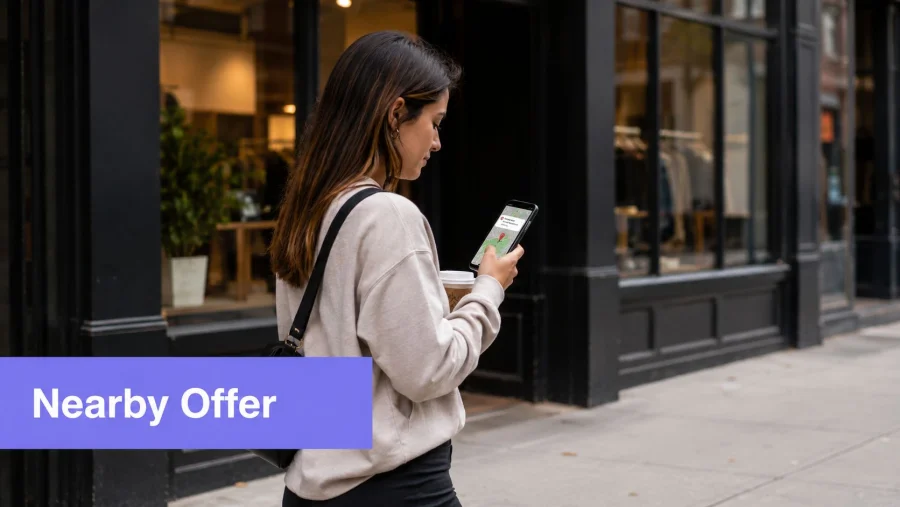
Generic promotions arrive at the wrong time. Location-aware promotions arrive when a customer is close enough to act. That's the difference between “interesting” and “useful”.
A coffee shop near offices can push a lunchtime reward when regulars are nearby. A salon can remind past clients about open same-day appointments. A gym can nudge inactive members when they're in the area but haven't checked in recently. Timing matters as much as the offer itself.
For local operators, this is one of the clearest ways to outperform broad national promos. Boost Mobile's existing customer offers often depend on account access, device context, or limited campaign visibility. By contrast, a small business can act on real-world proximity and catch intent while it's still fresh. Teams exploring this approach should understand the basics of optimizing local ad reach before setting message rules.
Smart boundaries matter
Location campaigns fail when businesses over-message. If every nearby customer gets constant prompts, notifications become wallpaper.
- Match radius to context: Dense high street locations need tighter targeting than suburban retail sites.
- Use time windows: Breakfast, lunch, after-work, and weekend messages should have different offers.
- Link message to behaviour: “You're nearby” is weak. “Your free drink reward is ready today” is stronger.
The best location message feels like a reminder the customer wanted, not an interruption they tolerated.
A restaurant can use geo-targeting to fill quieter midweek tables. A beauty clinic can push a same-day opening to clients who live or work close by. A convenience retailer can trigger “members-only” offers during low traffic periods. The channel works best when it serves a specific operational goal.
4. Win-Back & Re-Engagement Campaigns for Lapsed Customers
A regular skips two visits. Then a month passes. By the time the team notices, that customer has already built a new habit somewhere else.
That is why re-engagement needs to run as a system, not as an occasional text blast. Within a platform like BonusQR, win-back campaigns should connect to the same loyalty data used for stamps, tiers, milestones, and referrals. That shared setup keeps costs down and makes the message more relevant because the offer reflects what the customer previously did.
Build the sequence around customer inactivity
Start with timing. A café, salon, gym, or retailer should define what “lapsed” means based on normal buying cycles, not guesswork. For a coffee shop, that gap may be short. For a clinic or service business, it may be much longer.
Then build a staged response. The first message should remind the customer what they liked before. The second can add a small incentive. The third should either present a stronger reason to come back or ask a simple feedback question.
Boost Mobile offers a useful lesson here. Existing-customer deals are not always obvious at the right moment. Some promotions appear only after login or depend on account context. For a small business, the takeaway is simple. If a customer has gone quiet, do not wait for them to hunt for an offer. Put the right message in front of them before the relationship goes cold.
- Trigger campaigns automatically: Set inactivity rules by visit gap, purchase gap, or points balance sitting unused.
- Escalate with control: Start with recognition or convenience. Use larger discounts only for customers who still do not respond.
- Match the offer to the last behaviour: A free add-on, bonus points, or priority booking often protects margin better than blanket discounts.
The trade-off is straightforward. Richer win-back offers can recover more lapsing customers, but they can also train people to wait for incentives. That is why the best campaigns reward return behaviour, not just inactivity. “Come back this week for double points” usually holds value better than “Here's 25% off because you disappeared.”
A retailer can also use re-engagement to diagnose churn. A short message asking whether stock, service, timing, or communication was the issue can surface problems a discount will never fix. That insight improves the whole loyalty system, not just one campaign.
5. Seasonal & Holiday-Themed Limited-Time Offers
A holiday rush creates a predictable problem for small businesses. New-customer offers get the headline, while regulars see the same loyalty message they saw last month. That is how retention programmes fade into the background, right when customer attention is highest.
Seasonal offers fix that because they give existing customers a timely reason to act. The promotion feels current, easy to explain, and worth using before it expires.
Use the calendar to create fresh reasons to return
A coffee shop can run a winter drinks passport for loyalty members. A salon can package summer treatments with bonus points attached. A restaurant can reserve holiday bundles for repeat diners. A gym can reward check-in streaks during slower months, when motivation usually drops and attendance softens.
The lesson for small businesses is straightforward. If seasonal energy goes only into acquisition, loyal customers notice. Existing customers do not need the same introductory pricing as first-time buyers, but they do need a reason to feel included in the moment.
Seasonal rule: Build every holiday promotion with a customer-retention layer, not just a customer-acquisition hook.
That layer works best when it connects with the rest of the loyalty system. A limited-time offer should feed into stamp cards, points balances, tiers, and follow-up reminders. BonusQR matters here because it lets a small business run those pieces in one affordable platform instead of patching together a coupon post, a spreadsheet, and manual text reminders.
A practical setup looks like this:
- Add a member-only benefit: Offer a seasonal bundle, bonus reward, or early access window reserved for existing customers.
- Keep the deadline tight: A short redemption period creates urgency without forcing a deep discount.
- Match the offer to real behaviour: January habit-building campaigns, Mother's Day service packages, and back-to-school bundles perform better when they fit how customers already buy.
- Track what repeats: If a seasonal campaign drives second visits, higher spend, or reward redemptions, keep the structure and swap the theme next quarter.
There is a trade-off. Seasonal campaigns can lift engagement fast, but too many of them train customers to wait for the next event. The fix is simple. Use holidays to add relevance and excitement, not to turn every promotion into a price cut. Members-only access, bonus stamps, and limited bundles usually protect margin better than broad discounts.
Done well, seasonal offers do more than create a short spike. They keep the loyalty programme feeling active, current, and connected to the full customer experience.
6. Referral & Word-of-Mouth Incentive Programmes
Referral programmes are often treated like acquisition tools, but they're also retention tools. When a customer recommends a business, that customer becomes more invested in staying engaged with it.
That's especially useful for local businesses with limited ad budgets. A referred customer already arrives with some trust because someone they know has done the selling first. The original customer also gets a fresh reason to interact with the brand.
Keep the referral mechanics simple
Complex referral programmes rarely spread. Customers should understand the reward in seconds.
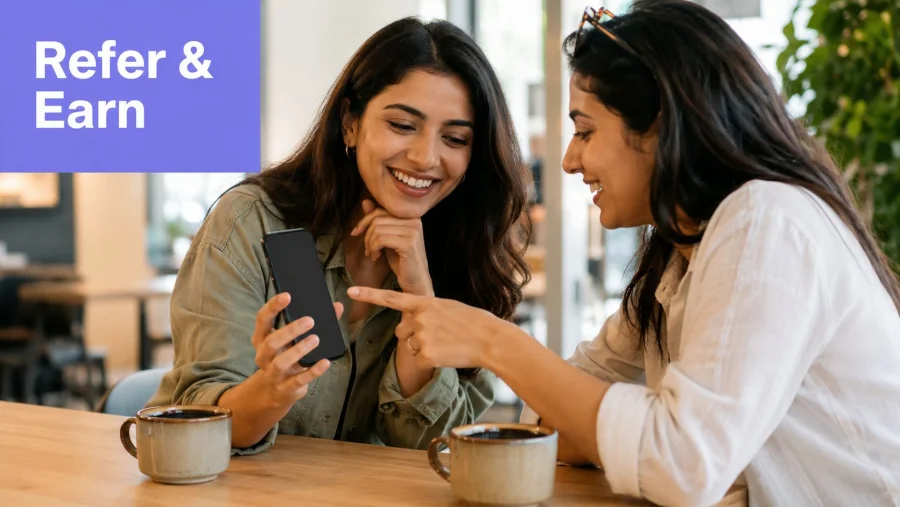
A salon can use “bring a friend, both receive a perk after the first booking”. A gym can reward member referrals with class credits or retail discounts. A café can issue a shareable code that activates points once the referred friend makes a purchase.
Boost Mobile's own ecosystem shows why clarity matters. There have been social promotions framed as “BONUS! FOR NEW AND EXISTING CUSTOMERS!” tied to rewards after monthly payments, but those are distinct from the core plan pricing strategy outlined in the holiday announcement. Small businesses shouldn't make customers decode that kind of difference. The referral offer should state exactly what each person gets and when.
- Reward both sides: One-sided incentives are weaker because they create awkward sharing.
- Pay out on first real action: Trigger the reward after the referred customer buys, books, or joins.
- Add basic fraud controls: Separate phone numbers, unique accounts, and a valid first transaction are enough for most SMBs.
A neighbourhood restaurant can turn referrals into community momentum by tying them to group bookings or themed nights. A wellness studio can pair referrals with tier upgrades so members move towards better benefits as they bring in others.
7. Birthday & Anniversary Rewards Personalisation
Birthday and anniversary rewards work for a simple reason. They acknowledge the person, not just the transaction.
That emotional shift matters more than many operators realise. Customers don't remember every discount, but they do notice when a business appears to recognise them at the right moment with the right message.
Make the gesture feel personal, not automated
The mechanics can still be automated. The message just shouldn't read like mass marketing.
A restaurant can offer a birthday dessert or member-only booking perk. A salon can send an anniversary reward tied to the month of first visit. A gym can celebrate membership milestones with guest passes or recovery product offers. These don't need to be expensive to feel thoughtful.
This is one area where many telecom-style promotions feel impersonal. Existing customers discussing Boost Mobile often focus on the gap between heavily marketed new-customer offers and the quieter, harder-to-find benefits available to current users. Birthday and anniversary campaigns solve that problem by creating predictable moments of appreciation that don't depend on broad national campaigns.
- Collect the date during signup: Keep it optional, but explain the value clearly.
- Send early enough to use it: A birthday offer that lands too late gets wasted.
- Match reward to customer value: Stronger tiers can receive better anniversary perks.
A retailer might also use membership anniversaries to highlight progress. For example, one year in the loyalty programme could provide a temporary points boost or a one-time thank-you coupon. The key is recognition with context.
8. Gamification Elements & Achievement Badges
Gamification sounds gimmicky when it's done badly. When it's done well, it gives customers a reason to keep interacting between purchases.
Badges, streaks, and challenges turn routine transactions into small wins. That's useful for businesses where habit matters, such as cafés, gyms, quick-service restaurants, and convenience retail.
Reward behaviour people can control
A badge should connect to a behaviour the customer understands. Visit five times this month. Try three menu categories. Bring one friend. Redeem your first reward. Those are clear, trackable, and motivating.
For small businesses, gamification's core strength is structure. It gives regulars a visible path beyond “spend more, save later”. That's especially important when comparing local loyalty strategy with Boost Mobile promotions for existing customers, where many offers appear event-based, tied to devices, or dependent on campaign timing rather than ongoing engagement.
One national example is Boost Dealz, a white-labelled Android app that gave US subscribers a £4-equivalent monthly bill reduction through $5 bill credits for engaging with lock-screen ads. It shows how reward mechanics can influence behaviour, but it also highlights a gap because the programme wasn't adopted for UK existing customers.
- Use visible milestones: Customers should see what they earned and what comes next.
- Celebrate instantly: Push notifications or in-app messages make badge earning feel real.
- Tie badges to offers: Reaching an achievement should lead naturally to the next purchase or visit.
Businesses looking for a practical implementation can use the BonusQR gamification experience to add those mechanics without building a separate app from scratch.
9. Post-Purchase Feedback & Review Incentives
Most businesses ask for reviews too late, too vaguely, or not at all. The best time to request feedback is soon after the purchase, when the experience is still fresh.
That creates two advantages. First, the business gathers useful operational insight. Second, the customer gets another interaction that reinforces the relationship instead of ending it at payment.
Turn feedback into part of the loyalty loop
A simple prompt can work. After a purchase, the customer receives a message asking for a review or short rating in exchange for points or another light reward. That can support online reputation while also feeding customer insight back into the business.
This tactic is particularly useful for operators who want to avoid the perception gap seen in many discussions around Boost Mobile promotions for existing customers. Customers tend to feel overlooked when all communication is promotional. Asking for input changes the tone. It signals that the business wants a relationship, not just another sale.
Ask for feedback while the experience is still memorable. Ask too late, and the business gets silence or vague complaints.
A practical setup often includes:
- A fast review path: Don't send customers through multiple screens.
- A loyalty incentive: Reward the action, not just the purchase.
- An internal feedback option: Let unhappy customers share concerns privately before they vent publicly.
A beauty salon can request feedback after each treatment. A restaurant can ask diners to review specific dishes or service. A gym can gather class-level feedback and use it to improve scheduling or coaching quality.
10. Spend Threshold & Milestone Rewards
A customer is standing at the counter deciding whether to add one more item. This is the moment threshold rewards are built for. A clear target like "spend £10 more this month and get your next perk" gives the customer a reason to act now, not later.
Milestone rewards work because they are concrete. Customers do not need to interpret a points formula or remember how redemption works. They can see what they have spent, what they need to do next, and whether the reward feels worth it. For small businesses, that simplicity matters. It raises basket size without training customers to wait for blanket discounts.
The trade-off is control. If the threshold is too low, margin disappears. If it is too high, customers ignore it. The right setup usually ties the reward to a profitable next action, such as adding a pastry to a coffee order, booking a higher-value service, or returning once more within the month.
Make progress visible and the reward practical
A café might set a monthly spend target that leads to a free drink or baked item. A salon can reward clients after they hit a service total with an upgrade, not a cash discount. A gym can tie milestones to guest passes, branded merchandise, or paid add-ons that members already value.
As noted earlier, milestone-style offers can be attractive but still disappoint customers when the rules are unclear or the communication is inconsistent. Small businesses can avoid that problem by keeping the structure visible at every step. BonusQR is useful here because threshold tracking, reminders, and reward delivery can sit inside the same loyalty system instead of being spread across punch cards, staff memory, and one-off texts.
A practical setup includes:
- Progress shown after each purchase: Customers should know exactly how close they are.
- Short earning windows: Monthly or quarterly targets create urgency without becoming confusing.
- Useful rewards: Free add-ons, upgrades, or access perks usually hold value better than broad discounts.
- Timed reminders: A message near the threshold works better than generic promotion blasts.
For a retailer, that can mean a member sees they are one purchase away from a reward before month-end. For a restaurant, it can be a cumulative dine-and-earn offer that nudges one extra visit. For a salon, it can connect repeat bookings to premium treatment perks. The system works best when each promotion supports the others, and the customer always knows what the next milestone is.
10-Point Comparison of Promotions for Existing Mobile Customers
| Programme | Implementation (🔄) | Resources & Speed (⚡) | Expected Outcomes (⭐📊) | Ideal Use Cases | Key Advantages & Tips (💡) |
|---|---|---|---|---|---|
| QR Code-Based Stamp Cards & Digital Loyalty Programmes | 🔄 Low, simple setup; no POS integration | ⚡ Very fast launch; no hardware required | ⭐⭐⭐⭐, +23–35% repeat visits; real‑time engagement data 📊 | Cafés, small retail, salons; high smartphone adoption | 💡 Zero hardware; tip: display QR at POS and offer small signup bonus |
| Tiered Rewards & Status-Based Promotions | 🔄 Medium, rule design & communications required | ⚡ Moderate speed; needs segmentation & automation | ⭐⭐⭐⭐⭐, ~40–50% higher lifetime value for tiered customers 📊 | Restaurants, gyms, membership-driven businesses | 💡 Drives spend escalation; tip: keep 3–4 tiers and clear thresholds |
| Geo-Targeted & Location-Based Incentive Campaigns | 🔄 Medium–High, geofencing/beacon setup and permissions | ⚡ Fast impact when live; ongoing campaign management | ⭐⭐⭐⭐, 5–8x conversion vs generic email; higher foot traffic 📊 | Time‑sensitive offers, happy hours, intercepting competitor traffic | 💡 Very high relevance; tip: limit frequency and set appropriate geofence radius |
| Win-Back & Re-Engagement Campaigns for Lapsed Customers | 🔄 Low, automated inactivity triggers | ⚡ Fast to deploy; low ongoing effort | ⭐⭐⭐, 12–18% reactivation after single campaign; cost‑effective 📊 | Businesses with measurable churn (gyms, salons, cafés) | 💡 High ROI; tip: escalate incentives over 30/60/90 day sequence |
| Seasonal & Holiday-Themed Limited-Time Offers | 🔄 Medium, planning needed 60–90 days ahead | ⚡ High short-term impact; reusable templates | ⭐⭐⭐⭐, 30–45% higher engagement during seasonal windows 📊 | Retail, F&B, beauty, calendar-driven demand peaks | 💡 Drives spikes; tip: promote 2–3 weeks before and use member‑only exclusives |
| Referral & Word-of-Mouth Incentive Programmes | 🔄 Low–Medium, referral mechanics + fraud controls | ⚡ Moderate speed; organic scaling | ⭐⭐⭐⭐, referred users 25% higher LTV; lower churn 📊 | Local businesses seeking low‑cost acquisition (coffee, fitness) | 💡 Best ROI for acquisition; tip: make mechanics simple and add anti‑fraud rules |
| Birthday & Anniversary Rewards Personalisation | 🔄 Low, requires capture of date data & automation | ⚡ Very fast (automated) once data collected | ⭐⭐⭐⭐, 3–5x open rates; 4–7x redemption vs generic offers 📊 | All verticals, high emotional relevance (restaurants, retail) | 💡 High engagement; tip: request birthday at signup with a bonus incentive |
| Gamification Elements & Achievement Badges | 🔄 Medium–High, design badges, challenges, UX work | ⚡ Moderate speed; needs creative iteration | ⭐⭐⭐⭐, +30–50% engagement; higher retention for badge holders 📊 | Brands seeking long‑term engagement (cafés, fitness, apps) | 💡 Boosts frequency; tip: set achievable thresholds (30–90 days) and celebrate wins |
| Post-Purchase Feedback & Review Incentives | 🔄 Low–Medium, review integrations + moderation | ⚡ Fast feedback loop; requires staff response time | ⭐⭐⭐, +20–30% conversion from strong review profiles; higher repurchase 📊 | Businesses dependent on local search and reputation (salons, restaurants) | 💡 Builds social proof; tip: request reviews within 2 hours and respond within 24h |
| Spend Threshold & Milestone Rewards | 🔄 Medium, threshold modelling & tracking needed | ⚡ Moderate speed; continuous progress visibility required | ⭐⭐⭐, +12–18% average transaction value; higher frequency 📊 | Businesses aiming to increase AOV (cafés, restaurants, retail) | 💡 Goal‑oriented motivation; tip: set thresholds ≈ avg spend ×1.2 and show progress bars |
Your Next Step: Launch a Loyalty Programme That Works
A key lesson from Boost Mobile promotions for existing customers isn't just that some deals exist and some don't. It's that inconsistent visibility weakens retention. When the best offer is reserved for new accounts, or when valuable benefits are hidden behind logins, device conditions, or scattered campaigns, existing customers start to feel secondary.
Small businesses can avoid that trap. They don't need dozens of disconnected promotions. They need one loyalty system that makes rewards easy to understand, easy to earn, and easy to redeem. That means linking acquisition, retention, re-engagement, referrals, seasonal campaigns, and feedback into one customer journey instead of handling each one as a separate marketing task.
The ten tactics above work best when they support each other. A customer joins through a QR stamp programme, moves into a tier, gets a birthday reward, receives a seasonal offer, refers a friend, returns after a win-back prompt, and leaves a review after redemption. That isn't more noise. It's a more coherent relationship.
For cafés, restaurants, salons, gyms, and retail shops, the practical challenge is usually execution. Staff don't have time to juggle spreadsheets, manual coupon tracking, and multiple apps. That's why a dedicated loyalty platform is often the smarter route. BonusQR is one option that fits this kind of operating model. It supports QR-based rewards, visit and spend rules, cashback, welcome bonuses, birthday and seasonal coupons, feedback requests, and automated campaigns without requiring extra hardware or POS integration.
That matters because retention systems only work when the team can run them consistently. Simplicity isn't a luxury. It's what makes the programme survive beyond the first month.
The businesses that win customer loyalty don't just send more promotions. They send better-timed offers, make progress visible, and give regulars a reason to stay engaged. Start with one connected system, launch a loyalty programme your customers can use, and build from there.
Ready to put these ideas into practice. Explore BonusQR and launch a mobile loyalty programme that helps turn existing customers into repeat buyers.


