
 Deutsch
 Español
 Français
 Italiano
 Magyar
 Polski
 Slovenčina
 Čeština
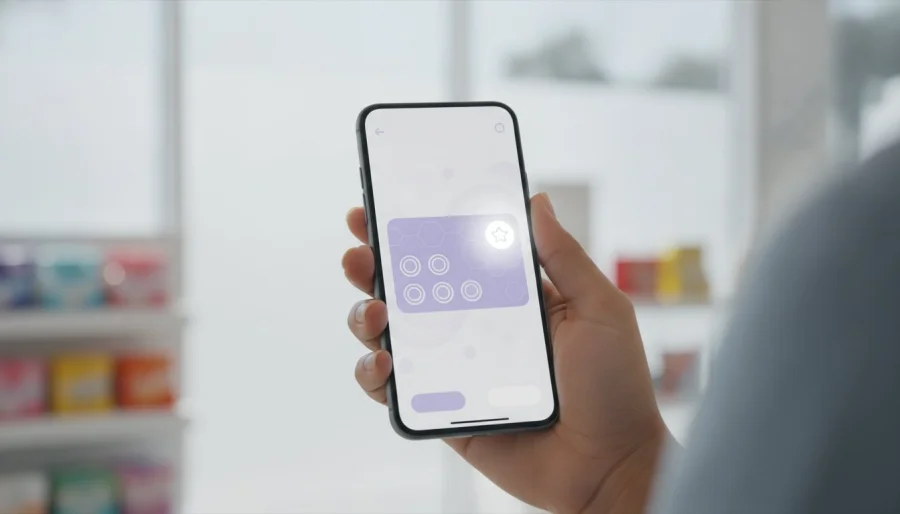
Did you know that a small 5% increase in customer retention can boost your profits by up to 95%? While 90% of consumers say loyalty programs influence their repeat purchases, many businesses still struggle with high churn and dying paper card systems. It's exhausting to watch customers walk out the door after one visit when you know your service is excellent. To plug the leak, you need to master the different brand loyalty levels that dictate how shoppers think and act.
We understand that traditional marketing often feels like a shouting match with no response. You want a system that works as hard as you do. This article promises to reveal the psychological stages of customer devotion and provides actionable steps to increase your lifetime value. We'll show you how to modernize your reward system by moving away from physical cards and toward seamless digital solutions. We'll preview the five critical stages of loyalty and explain how to turn casual visitors into your most vocal, lifelong advocates.
Key Takeaways
- Identify the four psychological stages of devotion to move customers from simple awareness to active brand advocacy.
- Eliminate the "Inertia Barrier" by replacing clunky paper systems with seamless digital stamp cards that live in Apple and Google Wallets.
- Master the four distinct brand loyalty levels to tailor your engagement strategies and maximize customer lifetime value.
- Accelerate progression through the loyalty stages by using QR-based sign-ups that remove entry friction for new shoppers.
- Leverage white-label app development and automated mobile notifications to create the emotional connection required for long-term retention.
The 4 Core Brand Loyalty Levels: From Awareness to Advocacy
Understanding the different brand loyalty levels allows you to stop guessing and start growing. Most shoppers don't wake up as superfans. They move through a psychological progression that starts with cold logic and ends with an automatic habit. Brand loyalty is a ladder, and your job is to help customers climb each rung. By recognizing where a customer sits on this spectrum, you can tailor your rewards to meet their specific needs.
- Level 1: Cognitive Loyalty. This is the most basic stage. It's driven by performance, price, and convenience.
- Level 2: Affective Loyalty. The customer develops an emotional "liking" for your brand based on repeated positive experiences.
- Level 3: Conative Loyalty. This is a "commitment" phase. The customer has a strong intention to keep buying from you.
- Level 4: Action Loyalty. The highest level. Buying becomes a reflex, and the customer becomes an active advocate.
Cognitive vs. Affective Loyalty: Why Logic Isn’t Enough
Cognitive Loyalty serves as the functional entry point where shoppers evaluate your brand based on immediate utility and price. It's the most fragile stage of the journey. If a competitor drops their price by a dollar or opens a shop closer to the customer's house, you'll likely lose that sale. Logic is a weak foundation for long-term growth. To build a resilient business, you must trigger an emotional shift. Affective loyalty happens when a customer feels "seen" and appreciated. They choose you because they enjoy the relationship, not just the discount. This transition turns a simple transaction into a meaningful connection that is much harder for competitors to disrupt.
The Action Phase: Turning Customers into Brand Advocates
The Action level is where your marketing pays for itself. At this stage, customers no longer consider alternatives. They don't check prices or search for competitors because your brand has become part of their routine. Action-level customers display automatic purchasing behavior and actively defend your brand against critics. They provide organic promotion through word-of-mouth, which is the most credible form of advertising available. Effective loyalty program management sustains this high-level engagement by rewarding these advocates for their devotion. By providing exclusive perks and seamless digital experiences, you ensure these valuable partners remain invested in your success for years to come.
The Psychology of Progression: Why Customers Get Stuck
Many business owners assume that if a customer likes their product, they'll naturally climb the brand loyalty levels. This isn't always true. Research into psychologically heterogeneous customer loyalty shows that shoppers often operate with different mindsets that don't always align with their satisfaction levels. A customer might love your coffee but still visit the shop across the street because it's three steps closer to their office. This is the "Inertia Barrier" in action. They stay at Level 1 because it's convenient, not because they're committed.
Inconsistent experiences also act as a reset button for this progression. One slow checkout or a missed reward resets the loyalty clock back to zero. You can jumpstart this journey using the "Endowed Progress" effect. Humans are more likely to finish a task if they feel they've already started. Giving a customer a head start on their digital stamp card creates an immediate psychological hook that drives them back for their second and third purchase.
The Friction Factor: How Small Hurdles Kill Loyalty
Friction is the silent killer of business growth. Forgotten paper cards and complex registration forms prevent emotional bonding. When a customer has to dig through a wallet or download a bulky, storage-heavy app, they choose the path of least resistance: passive loyalty. They buy from you, but they don't truly care about you. To move toward conative loyalty, you must remove every hurdle. Using digital wallet passes ensures your brand is always one tap away. It transforms a clunky transaction into a seamless experience that lives where your customers already spend their time.
Social Proof and the Affective Shift
Moving from Level 1 to Level 2 requires an emotional spark. Social proof provides the validation needed for this shift. When shoppers see a community of active fans or read glowing reviews, they feel safer developing a personal attachment to your brand. Exclusive "insider" rewards also play a critical role. They make the customer feel like part of an elite group rather than just another number in a database. Social validation cements brand preference by proving that others value the relationship as much as the product. Ready to bridge the gap? You can launch your own digital loyalty program in minutes and start moving customers toward advocacy today.
Breaking the Cognitive Trap: Moving Beyond Price and Convenience
Competing on price is a race to the bottom. If your only hook is a lower cost, you're stuck at the first of the brand loyalty levels. A competitor with deeper pockets can easily steal your customers by shaving off a few cents. To break this cycle, you must move from "Utility" to "Identity." This means making your customer feel seen through personalization. When a shopper feels like a partner rather than a transaction, they graduate to Level 2. Understanding how to navigate these brand loyalty levels is essential for long-term survival. You don't want to be a commodity; you want to be a preference.
Digital stamp cards help gamify these early stages. Instead of a boring transaction, every purchase becomes a step toward a goal. This shift moves the focus from what the product costs to how close the customer is to their next win. It's a simple way to build momentum before the emotional bond fully takes over.
Gamification as a Bridge to Level 3
Progress bars and digital stamps aren't just for fun. They leverage the "Zeigarnik Effect," a psychological principle where people feel a strong urge to complete an unfinished task. By using digital stamp card software, you give customers a visual representation of their journey. This creates a psychological "need" to finish the card. You are essentially using behavioral psychology in loyalty programs to move them from transaction-based thinking to engagement-based habits. Instead of just buying a product, they're playing a game where your brand is the reward. This constant engagement builds the "commitment" required for Level 3 loyalty.
Identity Branding: Making Your Brand Their Brand
The ultimate goal is to become part of the customer's lifestyle. Custom branding in mobile loyalty apps helps bridge this gap. When your brand lives in their Apple or Google Wallet, you stay top-of-mind without being intrusive. For small businesses, white label loyalty app development provides the professional edge needed to build Level 4 loyalty. It's about owning the digital space on their phone. A consistent digital presence transforms your business from a service provider into a lifestyle choice. This identity-based connection is the strongest defense against churn because it's rooted in who the customer is, not just what they buy.
Digital Execution: 5 Steps to Accelerate Loyalty Level Progression
Moving customers through the brand loyalty levels requires more than just good intentions. It requires a digital framework that removes friction and rewards consistency. You can't expect a shopper to reach the advocacy stage if they're still struggling to find a paper card in their wallet. Digital execution turns the theoretical stages of loyalty into a repeatable, automated process. Follow these five steps to speed up the journey from a first-time visitor to a lifelong fan.
- Digitize the entry point. Place QR codes at your checkout or on tables. This allows for instant, zero-friction sign-ups without requiring a bulky app download.
- Automate the emotional hook. Set up personalized "thank you" notifications. These should trigger automatically via the mobile wallet after a purchase to make the customer feel valued.
- Incentivize the habit. Offer bonus points or extra stamps for consistent weekly visits. This helps bridge the gap between cognitive and action loyalty by rewarding the behavior you want to see.
- Enable advocacy. Provide Level 4 customers with digital referral links. When your best fans can share your brand with one tap, your organic growth explodes.
- Analyze and iterate. Review your dashboard to see where customers drop off. If they stop after two visits, your Level 2 "hook" needs more weight.
Eliminating the "Forgotten Card" Problem
Physical cards are a barrier to growth. When a customer forgets their card, the psychological momentum of the reward system breaks. Digital cards in Apple and Google Wallets ensure your brand is always in their pocket. These passes use location-based notifications to send a gentle reminder when a customer is near your shop. This simple nudge significantly increases repeat visit rates because it keeps your business top-of-mind at the exact moment a purchase decision is made. Accessibility is the foundation of modern retention.
Data-Driven Retention: Knowing Your Customers’ Level
You can't manage what you don't measure. A digital reward points system allows you to segment your audience based on their actual behavior. This data helps you identify "At-Risk" customers who haven't visited in a while and are sliding back toward Level 1. By spotting these trends early, you can craft specific, time-sensitive offers to pull them back into the fold. Ready to stop the churn? You can start building your digital loyalty program right now and see the results in your next sales report.
Modernizing Your Approach: Why Digital Wallets are the Bridge to Level 4
By 2026, the definition of a reward program has shifted from simple software to a complete customer experience. It's no longer enough to just track points in a database. You must create a journey that feels personal and effortless. Modernizing your strategy means removing the hardware barriers that often hold small businesses back. You don't need expensive POS hardware or complex installations to compete with global brands. Strategic software allows you to master the different brand loyalty levels using nothing more than a smartphone and a QR code.
Future-proofing your business means moving beyond the physical punch card. Those paper systems belong in the past because they provide zero data and high friction. White-label app development allows you to maintain brand authority while offering the high-tech experience shoppers expect. When your logo sits in a customer's digital wallet, you aren't just a service provider. You become a trusted partner in their daily life. This digital presence ensures you stay relevant in a market that moves faster every day.
The Power of the Mobile Wallet
Modern consumers demand contactless, integrated solutions. They already use their phones for payments, travel tickets, and identification. Adding your loyalty pass to this "Digital Keychain" ensures your brand is always within reach. This proximity creates a psychological bond that drives repeat visits. It moves the customer from Level 3 commitment to Level 4 action loyalty, where buying from you becomes an automatic habit. You aren't just another shop on the street; you're a notification on their home screen. BonusQR provides the platform to make this transition seamless, helping you reach the highest levels of advocacy without the technical headache.
Taking the Next Step: Implementation
Implementation shouldn't be a months-long project. You can launch a digital loyalty system in minutes without worrying about POS integration or hardware compatibility. This speed of implementation allows you to start collecting data and rewarding customers immediately. As your brand grows, a digital points system scales with you, handling thousands of members without extra overhead. It's a professional solution designed for efficiency and growth. You can move from a basic setup to a custom white-label experience as your needs evolve. Check out BonusQR pricing to find the right fit for your business and start your journey toward building a loyal community today.
Unlock the Full Potential of Your Customer Base
Mastering the different brand loyalty levels is the fastest way to turn a struggling storefront into a thriving community. You've seen how moving beyond simple price competition allows you to build an emotional bond that competitors can't break. By replacing outdated paper cards with seamless digital solutions, you remove the friction that keeps customers stuck at the entry point. Your success depends on making loyalty feel like a natural part of the shopper's daily routine.
You don't need expensive POS hardware or complex tech setups to get started. Our platform offers full Google and Apple Wallet integration and custom white-label options to keep your brand front and center. Stop losing customers to the inertia barrier and start rewarding the advocates who grow your business. Start Building Higher Brand Loyalty Today with BonusQR. You have the tools to simplify your growth; now it's time to put them into action. We are excited to help you build a more resilient business.
Frequently Asked Questions
What are the 4 levels of brand loyalty?
The four stages are cognitive, affective, conative, and action loyalty. It starts with cognitive loyalty, where customers choose you based on logic, price, or features. Affective loyalty adds an emotional "liking" to the relationship. Conative loyalty represents a strong intention to buy again despite competitor offers. Finally, action loyalty is the habit phase where purchasing is automatic and the customer becomes an active brand advocate.
How do you measure brand loyalty levels in a small business?
You can measure these stages by tracking digital engagement and repeat purchase data. Cognitive loyalty is reflected in initial conversion rates, while affective and conative levels are visible through the frequency of digital stamp card redemptions. Action loyalty is measured by referral link usage and long-term retention. Using a digital loyalty platform allows you to see these patterns clearly without needing expensive POS hardware or manual tallying.
Why is action loyalty the most valuable stage for a brand?
Action loyalty is the most valuable because it represents a habitual, reflex-based relationship with your business. At this stage, customers ignore competitors and price changes because your service is part of their daily identity. These individuals also become organic advocates who promote your brand via word-of-mouth. This reduces your customer acquisition costs and creates a stable revenue stream that is highly resistant to market fluctuations or economic uncertainty.
Can a digital loyalty app help move customers between loyalty stages?
A digital loyalty app acts as a bridge by removing the friction that stalls progression. By integrating with Apple and Google Wallets, these apps stay top-of-mind through location-based notifications and automated "thank you" messages. These digital hooks leverage behavioral psychology to push customers from simple cognitive awareness into the affective and action stages. It transforms a one-time transaction into an ongoing, gamified experience that encourages deeper commitment.
What is the difference between cognitive and affective loyalty?
Cognitive loyalty is based on logic, such as finding the lowest price or the most convenient location. It's the most fragile stage because a better offer can easily steal the customer. Affective loyalty is deeper and involves an emotional attachment or personal liking for the brand. While cognitive shoppers focus on the receipt, affective shoppers value the experience and relationship. Moving from logic to emotion is the first major step in securing long-term retention.
How does friction affect brand loyalty progression?
Friction is the primary reason customers get stuck at early brand loyalty levels. Physical hurdles like forgotten paper cards or complex sign-up forms frustrate shoppers and break the psychological momentum of a reward system. When the process is difficult, customers revert to passive behavior. Digital solutions eliminate this by living on the smartphone. This seamless accessibility ensures that the journey toward advocacy remains uninterrupted and rewarding at every touchpoint.
Is it possible for a customer to skip loyalty levels?
While most customers follow a linear path, extreme positive experiences or strong social proof can accelerate the journey. A powerful referral from a trusted friend can sometimes jumpstart a shopper directly into affective or conative loyalty. However, building a sustainable business requires a system that supports the natural progression of most users. Relying on a digital loyalty platform ensures you have the infrastructure to guide every customer through the necessary psychological thresholds.
How do digital wallet passes improve customer retention?
Digital wallet passes improve retention by ensuring your brand is always present on the customer's smartphone. They eliminate the "forgotten card" problem and use push notifications to remind shoppers of their available rewards. This constant proximity keeps your business top-of-mind. Since these passes integrate with Apple and Google Wallets, they provide a contactless, professional experience that fits into the modern consumer's lifestyle, making repeat visits much more likely.