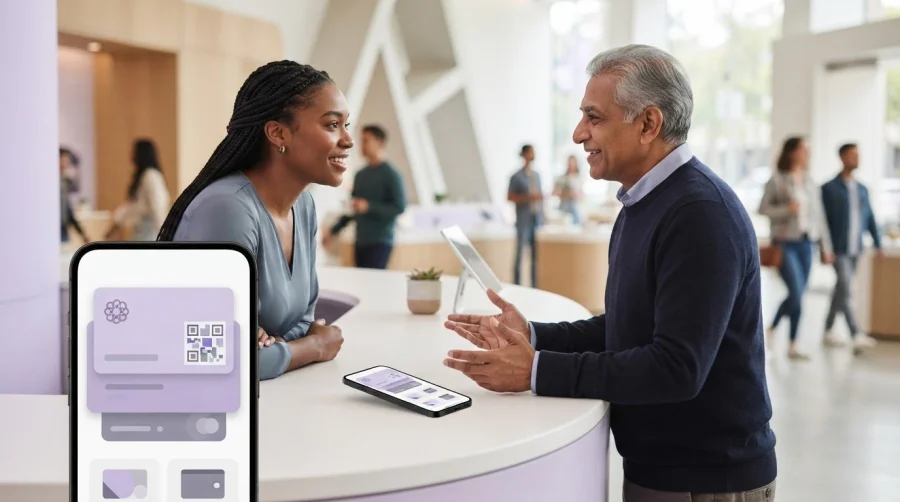
A reward can’t make up for a customer who feels ignored. To understand how to make customers feel valued, listen closely, respond with care, and follow through on what you promise. Personal attention and meaningful appreciation matter most when they’re backed by reliable support.
Customers want more than a quick transaction. They want to feel heard, respected, and recognized as individuals, whether they’re asking for help or choosing to return. Small, thoughtful actions can make the experience more personal without making it complicated.
This article covers practical ways to use customer details thoughtfully, recognize loyalty with relevant rewards, and build trust through accurate, prompt support. It also explains why getting the basics right comes before adding extra touches, so your efforts feel genuine and useful to the people you serve.
Key Takeaways
- Listen without interrupting, reflect back the customer’s concern, and check that your response addresses it.
- Use relevant details customers share to make future interactions feel personal, not intrusive.
- Make loyalty rewards clear and meaningful so customers feel recognized for choosing your business.
- Build trust with prompt, accurate answers, honest expectations, and follow-through after resolving an issue.
- Ask for feedback and act on it to show customers their opinions can shape their experience.
1. How Do You Make a Customer Feel Valued?
Customers feel valued when a business listens, responds honestly, and follows through. If you’re asking how to make customers feel valued on a tight budget, start with low-cost actions: use a customer’s name, thank them for a specific choice, and follow up after resolving an issue. These steps take attention, not an expensive gift. For example, thank someone for referring a friend, then check whether your solution worked.
Make sure customers feel heard before moving to a fix. Let them finish, then restate the concern in plain language: “You expected the order today, and it hasn’t arrived.” Acknowledge their feelings, too: “I can see why that’s frustrating.” Next, ask a clarifying question and confirm whether your answer addresses the problem. This simple sequence helps avoid generic replies and gives customers a clear chance to correct a misunderstanding.
Timely, honest service matters most when something goes wrong. Set a clear expectation for the next update, and meet it. If you need more time, explain what is happening and when you’ll return with an answer. Don’t promise a resolution you can’t deliver. For example, tell a customer you’re checking an order detail, then send the update you promised, even if the answer is still in progress. Clear communication prevents silence from becoming another source of frustration.
Give customers a convenient way to handle simple tasks themselves. A self-service page with answers to common questions, order details, or booking steps can support customers 24/7. Keep instructions short and make the next action easy to find. Self-service should complement, not replace, human help: customers who need personal support should have a clear way to reach your team. Return calls and emails promptly, and answer the issue completely rather than sending a vague acknowledgment.
Recognize how customers actually use your product or service. A café might thank a regular for choosing it for their weekly coffee, while a service business could acknowledge a customer’s progress after completing a project. Keep recognition relevant and respectful. A personal detail should make service more useful, not feel intrusive. Invite feedback with a focused question, such as “Was the pickup process clear?” Then use the response to improve the next visit. Meaningful service combines attention, practical help, and follow-through, showing customers that their time and choices matter.
2. Customer information and hyper-personalization
Personalization works when it helps customers, not when it simply inserts their names into a message. Keep useful details they choose to share, such as preferred appointment times, product interests, or communication preferences. Use those details to make the next interaction easier. For example, if a customer prefers email updates, don’t make them repeat that preference in every service conversation.
Make customer information practical and respectful. Record only details that help you serve someone better, and keep notes clear enough for a colleague to use. A note such as “prefers text reminders before pickup” gives staff a useful action. A vague note about someone’s personality risks making assumptions and can make future interactions uncomfortable. Personalization should reflect what a customer has said or done, not what a business guesses about them.
Relevant recognition can improve the customer experience. 91% of customers say they prefer to shop with brands that recognize them, remember them, and provide relevant offers and recommendations. A useful offer might relate to a product someone bought, while a reminder could help them complete a service they already use. Relevance matters more than volume. Sending repeated promotions for unrelated products can make recognition feel like targeting.
An unexpected message can feel thoughtful when it offers something useful without asking for a purchase. A café could tell a customer about a new option that matches their stated preference. A service business might share a short tip to help someone get more from a recent appointment. Keep the message specific, brief, and clearly connected to an interest the customer shared. Avoid disguising a sales pitch as a personal thank-you.
Some appreciation tactics feel insincere or intrusive when they rely on irrelevant personal details, generic praise, or constant promotional messages. A birthday offer from a business with no meaningful connection to the occasion may feel awkward, especially from a utility or phone company. Use customer details only when they support a genuine service benefit, and give people a straightforward way to manage their communication preferences.
Personalize the end of a conversation, too. Instead of using the same closing line every time, connect your final question to the customer’s need: “Does the replacement schedule work for you?” or “Would you like me to recap the next steps?” Then pause for their answer. If the conversation resolved a complaint, confirm that the key issue is addressed. If a follow-up is needed, state who will act and what the customer can expect. These tailored endings make the interaction feel complete and give the customer a clear next step.
3. Rewarding customer loyalty
A thoughtful reward gives customers a reason to return, but it works best alongside dependable service. Existing customers generate 65% of a business’s profits, and the chance of selling to an existing customer is 60-70%. A loyalty program can recognize repeat visits with a clear benefit, such as earning points toward a future purchase. Make the reward easy to understand and valuable to the customer’s usual habits.
Customer loyalty also makes retention more efficient. Acquiring a new customer costs nearly 5-7 times as much as retaining an existing customer. That comparison helps explain why businesses invest in keeping relationships active, but it doesn’t mean every customer needs the same incentive. A café could reward frequent visits, while a service business might recognize returning customers with a benefit suited to its work. Match the reward to the behavior and experience you want to encourage.
Don’t rely on delight alone to create loyalty. A surprise extra can have little impact when the basic experience is poor. A customer who receives a free item but repeatedly encounters confusing policies may still feel frustrated. Fix recurring issues first, then use rewards to add recognition. Clear earning rules, useful benefits, and consistent delivery help customers see the program as a fair exchange rather than a temporary gimmick.
Emotions help shape the relationship. Forrester’s 2021 survey found that feeling valued, appreciated, and respected rank among the positive emotions with the strongest influence on US customers’ loyalty. Forrester’s CX Index research also found that emotion has a greater impact on customer loyalty than effectiveness or ease. A reward can support those feelings when it recognizes a customer’s continued choice, rather than treating every purchase as a transaction.
Build rewards for the long term. Explain how customers earn and use points, keep progress easy to follow, and make the benefit attainable through ordinary participation. Avoid rules that make loyalty feel temporary or uncertain. One restaurant loyalty program tracks rewards over a rolling 12-month period, which can cause a customer’s status to decrease. If a program has changing thresholds or expiring rewards, communicate those terms clearly so customers understand their progress.
Review feedback and participation patterns before changing a program. If customers stop engaging near a reward threshold, simplify the steps or reconsider whether the benefit feels worthwhile. If a reward brings visits but not ongoing loyalty, look at the service experience behind it. A well-designed points system can make recognition visible, but genuine loyalty grows when rewards reinforce consistent value, respect, and appreciation.
4. Building trust through accurate, fast support
A quick reply earns attention; an accurate answer earns trust. Customers lose confidence when different staff members give conflicting instructions. Give your team a shared source for current policies, product details, and troubleshooting steps. For example, a return question should have one clear answer across email, phone, and social channels. Review the guidance whenever a process changes, so staff don’t deliver outdated advice.
Speed matters, but rushing can create repeat problems. Ask the customer to describe the issue, confirm the relevant details, and then explain the next action. For a missing order, verify the order reference and delivery status before promising an outcome. If another team must investigate, tell the customer who owns the next step and when they’ll receive an update. This gives the interaction a clear path without guesswork.
Use plain language to make answers easier to act on. Replace internal terms with direct instructions, such as “select ‘Reschedule’ in your booking email” instead of “modify the service appointment.” Break complex guidance into short steps, and explain what the customer should see after each action. If a fix involves changing an account setting, describe where to find it and how to confirm the change worked.
Accuracy also depends on context. Before replying, review the customer’s earlier messages, purchase details, or completed troubleshooting steps. This prevents the customer from having to repeat information and helps you avoid suggesting a fix they already tried. For example, if restarting a device didn’t solve the issue, move to the next relevant diagnostic step rather than sending the same instruction again.
Give support staff room to make sensible decisions when an outdated process doesn’t fit. A rigid script may force an agent to repeat steps that don’t address the customer’s problem. Set clear boundaries, then let agents explain suitable options in their own words. If a customer reports a billing error, for instance, the agent should follow the review process while explaining what information is needed and what happens next.
Close the loop after finding a solution. Summarize what changed, ask the customer to try the relevant step, and record the outcome so the next agent has context. If the issue remains, keep ownership clear instead of asking the customer to start over. A short follow-up can confirm that a replacement arrived or a booking now appears correctly. Fast, accurate support feels respectful because it saves effort and provides answers customers can use.
5. Making customers feel valued, appreciated, and respected
Customers notice whether a business treats them as people or just purchases. Show respect throughout their journey, from the first inquiry to follow-up after a completed service. For example, don’t ask someone to repeat details already shared with another team member. Keep useful notes, explain the next step, and make it easy to get help. These practical choices make appreciation visible in everyday interactions.
Listen for what each customer needs before responding. Let them finish, ask a clarifying question, then reflect the main point in your own words. If a customer says a booking process was confusing, ask which step caused trouble. Record the feedback, identify the specific friction, and make an improvement where possible. Following up about the change shows the customer their input influenced the experience.
Small commitments matter. If you promise to send an update, provide it when agreed, even if the issue remains under review. After completing a project, check whether the result meets the customer’s needs. A short message such as “Is the new schedule working for your team?” invites an honest answer. Customers feel respected when businesses make space for feedback and act on useful suggestions.
Timing can make a check-in more relevant. Six months after a purchase, a business can ask whether the product is meeting expectations, what the customer would change, or what support would help. Tailor the question to the purchase instead of sending a generic survey. A customer who bought equipment might value usage tips, while someone who booked a service may prefer a simple satisfaction check.
Recognition should be specific and sincere. Thank a customer for a referral, continued support, or a useful suggestion rather than sending an empty “Thanks for being a customer.” A handwritten note can suit a meaningful milestone, while a helpful article may be more useful after a customer raises a question. Marriott once welcomed a returning guest with a postcard noting their 592nd stay. The detail made the recognition personal.
Forrester reports that, in every industry it assesses, at least two of the emotions feeling valued, appreciated, and respected rank among the three most impactful emotions on loyalty. Use that insight as a practical test: does each interaction show attention, fairness, and follow-through? Ask customers for advice within their expertise, acknowledge their progress, and offer useful support before they request it. Those actions turn respect into a consistent experience, not a one-time gesture.
BonusQR: Loyalty application
BonusQR helps businesses make customer appreciation part of a structured digital loyalty experience. Its loyalty application and platform include a digital Stamp Card, so customers can track repeat visits and work toward a reward. This can suit businesses that want to make loyalty easier to recognize and manage, while keeping rewards connected to the customer relationship.
Use a digital stamp card to make progress visible, then pair it with the personal support customers value: clear reward terms, relevant recognition, and consistent service. Choose a reward that suits your business and fits the visits customers already make.
Explore BonusQR’s loyalty options at bonusqr.com and choose an approach that fits your customer experience.
Make appreciation part of your next step
Knowing how to make customers feel valued is a starting point. The lasting opportunity is to build recognition into the way your business works, so appreciation feels consistent rather than occasional. Choose one customer interaction to improve, then make that change easy for your team to repeat.
If a loyalty program is part of your plan, BonusQR’s loyalty application, loyalty platform, and loyalty software help businesses create a digital approach to customer rewards. Consider how a structured loyalty experience could support the way you already serve customers and recognize their continued choice.
Contact BonusQR today to explore a loyalty approach for your business. Keep building trust through thoughtful experiences, one customer interaction at a time.
Frequently Asked Questions
How Do You Make a Customer Feel Valued?
Make the customer’s next step easier, and show that their preferences shape your service. One practical way to make customers feel valued is to remember a useful preference, such as a preferred appointment format, and apply it next time. If a customer asks for a quieter table or an invoice sent to a specific email, note the request and honor it on their next visit.
What does a positive customer experience look like?
A positive customer experience feels consistent from first contact to outcome. For example, a customer comparing service options can find clear details, book without confusion, and receive an accurate confirmation. After the appointment, the invoice should match what was agreed. Each step should make the next one easier, whether the customer interacts in person, by phone, or through a website.
What makes customers feel valued by a business?
Customers feel valued when a business respects their time, choices, and individual circumstances. That can mean offering accessible appointment options, explaining a policy before purchase, or recognizing a returning customer without pressuring them to buy. Consistency is key: a thoughtful gesture feels more credible when customers also receive fair treatment during routine transactions, not only during a special promotion.
How can employees make customers feel appreciated during interactions?
Employees can show appreciation by making each interaction specific and attentive. For instance, thank a customer for explaining a complicated issue, then ask whether they prefer a written answer or a quick demonstration. Avoid multitasking while they speak. Before ending the conversation, summarize the agreed action in one sentence. This shows the customer that their time and contribution mattered.
What are practical ways to personalize the customer experience?
Personalize around information that improves the service itself. A bookstore could recommend new releases in a genre the customer enjoys, while a repair shop could offer appointment times that fit the customer’s stated schedule. Keep the detail relevant to the current interaction, and let customers correct or update it. A useful preference should save effort, not create a feeling of being watched.
How can a business recognize and reward loyal customers?
Choose recognition that fits how customers use your business. A neighborhood bakery could offer a regular customer an early look at a seasonal menu, while a subscription business could give long-term members access to a useful feature. Explain who qualifies and how to redeem the benefit. Recognition feels fair when customers understand the criteria and can use the reward without unnecessary steps.
How should businesses ask for and act on customer feedback?
Ask one focused question close to the experience, such as “What made checkout difficult today?” Make it easy to answer, then group responses by recurring issue. If several customers mention unclear return instructions, revise the sign or confirmation email. Tell customers what changed when you can. A visible response shows that feedback has a purpose beyond collecting opinions.
How can small businesses build customer relationships and trust?
Small businesses can build trust through familiar, dependable interactions. A local salon owner might greet a returning customer by name, explain who will provide the service, and follow the agreed plan. Keep business information consistent across storefront signs, booking messages, and receipts. When customers know what to expect and see the same standards each time, confidence grows through ordinary visits.


