Did you know that 72% of consumers are more likely to spend with a brand when they are part of a rewards program? It's a powerful statistic, yet many businesses still struggle with the high cost of customer acquisition and the low redemption rates of outdated paper punch cards. Launching a digital loyalty campaign shouldn't require a degree in computer science or a massive investment in new POS hardware. You need a system that works for your customers and your bottom line.
You likely agree that building customer lifetime value is the most sustainable way to grow your business. You want a seamless experience that feels modern and effortless for your guests. This guide will help you master digital-first rewards that drive repeat visits without the need for plastic cards. We'll show you how to set up digital stamp cards and points systems that integrate directly with Google and Apple Wallets while tracking performance through a simple white-label experience.
Key Takeaways
- Understand why customer retention is six times more affordable than acquisition in the current 2026 market.
- Identify your specific business goals to build a loyalty campaign that drives higher visit frequency and spending.
- Compare digital stamp cards and points-based systems to find the perfect reward structure for your unique brand.
- Launch your program immediately using QR codes and digital wallet integrations, bypassing the need for any expensive POS hardware.
- Professionalize your customer experience with white-label solutions that offer a custom-branded app without high development costs.
The Evolution of the Loyalty Campaign in 2026
A modern loyalty campaign is no longer just a static discount. It is a targeted, time-bound initiative designed to spark specific customer behaviors, like visiting on a slow Tuesday or trying a new product line. While a standard loyalty program provides a long-term foundation, the campaign is your active tool for growth. In the 2026 market, retention has become the ultimate competitive advantage. It is now six times cheaper to keep an existing customer than to acquire a new one because you aren't spending on expensive ads to reach strangers. Instead, you are maximizing the value of people who already know and trust your brand.
The primary vehicle for these initiatives has shifted dramatically. We've moved past the era of "plastic and paper" into the world of "mobile and wallet." Launching a digital loyalty campaign allows you to leverage the technology already in your customers' pockets. This transition provides data insights that paper cards never could. You can finally see exactly who your best customers are and how they interact with your brand in real time. With the global loyalty management market projected to surpass $17.52 billion in 2026, businesses are clearly prioritizing these digital relationships over cold leads.
Why Traditional Punch Cards Fail
The "lost card" problem is the silent killer of customer engagement. When a guest loses their physical card, they often lose the incentive to return. Beyond that, paper cards create a massive data gap. You can't remarket to a customer if you don't know who they are or what they like. There is also the issue of friction at the counter. Fumbling for a physical card slows down service and creates an awkward experience for both the guest and your staff. Digital systems eliminate this bottleneck entirely.
The ROI of Digital-First Retention
Switching to a digital approach offers a 5.2x ROI potential for your retention efforts. This success is rooted in improving Customer Lifetime Value (CLV). Customer Lifetime Value is the total revenue a single customer generates for your business over the entire duration of your relationship. Digital platforms allow you to run high-impact events like "Double Stamp Mondays" to fill slow periods or celebrate seasonal peaks. You can explore how to start these initiatives on the BonusQR platform to see immediate results without the headache of buying new hardware. In fact, businesses that implement these digital systems typically see a 15-25% increase in repeat visit frequency within the first three months.
Designing Your Digital Loyalty Campaign Strategy
A successful loyalty campaign starts with a clear blueprint. You shouldn't just guess what your customers want. Instead, build a strategy that aligns with your specific business needs. This involves choosing the right reward structure and mapping out how a customer moves from their first scan to their final reward redemption. Selecting the delivery channel is equally vital. You can opt for broad accessibility through Apple and Google Wallet or build deep brand equity with a custom white-label app. Researching your customer loyalty program strategy helps ensure you pick the right incentives for your specific demographic.
Step 1: Define Your North Star Metric
Focus on one primary goal to keep your campaign effective. Decide whether you want to increase visit frequency or raise the average order value. For example, a coffee shop might prioritize frequency, while a boutique salon focuses on spend per visit. A simple, singular objective makes it easier for customers to understand how to participate. If you complicate the rules, participation rates will drop. Set a realistic timeline, like a three-month pilot, to measure impact before making permanent changes.
Step 2: Frictionless Onboarding
Eliminate the barrier of entry with "Scan to Join" QR codes placed at your point of sale. Most people don't want to download a new app just to save a few dollars. By integrating your loyalty campaign directly with digital wallets, you meet customers where they already are. This approach allows you to capture essential data without forcing users to fill out a 10-field registration form. It's fast, efficient, and keeps the line moving. You can get started with a simple setup to see how quickly you can convert visitors into members.
Step 3: Creating the Reward Loop
Hook your customers early with small, attainable wins. If the first reward feels too far away, interest will fade. Designing "Early Wins" helps build a habit of scanning every time they visit. You must balance the value of your rewards against your business margins to ensure the program remains profitable. Once they're in the loop, use automated push notifications to remind them of their progress. These gentle nudges keep your brand top-of-mind and encourage that next visit without requiring a separate marketing budget.
Digital Stamp Cards vs. Points Systems: Which Wins?
Choosing the right engine for your loyalty campaign depends entirely on your business model. You must decide between simplicity and flexibility. Digital stamp cards offer immediate clarity for your guests. Points systems provide nuanced control over high-value transactions. Both leverage the evolution of loyalty campaigns toward mobile-first interactions. Research shows that moving these rewards to a customer's phone increases spending and brand affinity. While one system isn't objectively better than the other, one will certainly fit your daily operations more naturally.
The choice between these systems also impacts the type of loyalty you build. Digital stamp cards often drive emotional loyalty. The visual progress of "filling" a card feels like a game; it makes the reward feel attainable and fun. Points systems tend to be more transactional. They focus on the specific value of each dollar spent. For businesses with a wide range of prices, a points system ensures you don't give away too much margin on small purchases. Some brands even use hybrid models to get the best of both worlds, such as giving a stamp for every visit and bonus points for high-spend milestones.
When to Use Digital Stamp Cards
Digital stamp cards are the perfect fit for high-frequency, low-variance businesses. If you run a cafe, a car wash, or a bakery, this is your best option. The visual "progress bar" of a stamp card acts as a powerful motivator. Customers can see exactly how close they are to their next free coffee or service. This transparency builds a habit of returning. It's the modern, clutter-free replacement for the old "Buy 9, Get 1 Free" paper cards. You can explore the specific tools available in our guide to Digital Stamp Card Software.
When to Use Points-Based Rewards
Points systems work best for high-ticket or variable-spend businesses. If you manage a spa, a boutique, or a retail store with diverse price points, points offer the flexibility you need. You can assign points based on revenue ranges to protect your margins. For example, a customer might earn one point for every dollar spent. This ensures that a big spender is rewarded more than someone buying a single accessory. It creates a fair exchange of value that encourages larger baskets. To dive deeper into these mechanics, check out The Complete Guide to Digital Reward Points Systems.
Launching Your Campaign Without POS Hardware
You don't need expensive terminals or bulky hardware to reward your customers. A modern loyalty campaign thrives on the technology your guests already carry in their pockets. By moving away from traditional POS integrations, you eliminate the technical hurdles and high costs that often stall small business growth. This hardware-free approach allows you to launch in minutes, not months. You can manage everything through a simple merchant dashboard or a staff-facing app, ensuring a smooth experience for your team and your clientele.
Reducing checkout friction is the ultimate goal of a digital-first system. A "no-touch" loyalty experience means your staff doesn't have to fumble with plastic cards or manual data entry. Instead, validation happens instantly through a quick scan. This speed keeps your lines moving while providing the security you need. Digital systems use unique identifiers and time-stamped validations to prevent fraud, giving you peace of mind without requiring a complex security setup. It's a professional, reliable solution that lightens the load for everyone involved.
The QR Code Advantage
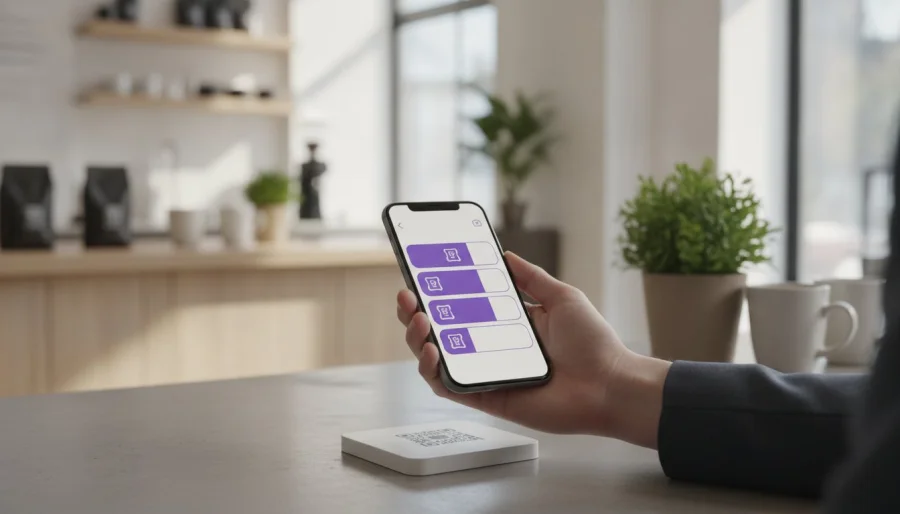
Scanning a unique QR code generates a digital wallet pass on a customer's phone in just a few seconds. You can place these codes strategically throughout your business to maximize visibility. Consider these high-impact locations:
- Table Tents: Encourage guests to join while they wait for their order.
- Printed Receipts: Give every customer a reason to return before they even leave.
- Storefront Windows: Capture the attention of passersby even when you're closed.
Tracking scan data allows you to see which marketing placements perform best. You can identify if your window sign is driving more sign-ups than your receipt codes, allowing you to refine your strategy in real time. This level of insight was impossible with paper cards.
Mobile Wallet Integration
Customers prefer Apple and Google Wallet because it removes the clutter from their physical wallets. They don't have to remember a card or download a bulky, third-party app. Your brand stays "always-on" right on their lock screen. Location-based alerts, or geofencing, can even trigger a notification when a customer is near your shop. This gentle nudge reminds them of their available rewards just when they are most likely to visit. It's a proactive way to drive repeat traffic without spending extra on advertising.
Ready to build your own hardware-free rewards system? Create your digital loyalty account today and start rewarding your customers in under five minutes.
Scaling with White-Label Loyalty Solutions
Your brand identity is your most valuable asset. While starting with generic tools is fine, scaling a high-converting loyalty campaign eventually requires a more professional touch. Moving from a shared platform to your own branded app creates a sense of exclusivity. It signals to your customers that you're a serious player in your industry. White-label solutions offer this level of professionalism without the $50,000 development cost of custom software. You get the benefits of a proprietary system at a fraction of the cost, ensuring your brand stays front and center.
Agencies can also leverage these white-label options to manage multiple client accounts under one roof. This centralized control allows for consistent quality across different brands while providing each client with their own unique identity. Future-proofing your business means owning your customer data and communication channels. When you use a white-label platform for your loyalty campaign, you control the entire relationship. This ownership is vital as 2026 data privacy laws in states like Kentucky, Rhode Island, and Indiana require businesses to provide clear privacy notices. By managing your own platform, you ensure compliance while building direct trust with your audience.
Branded App vs. Wallet Pass
Choosing between a wallet pass and a full app depends on your growth stage. Wallet passes are excellent for immediate, low-friction entry. They stay in the customer's digital pocket for quick access. However, upgrading to a full branded app provides a deeper psychological impact. Having your business icon right on a customer's home screen keeps your brand top-of-mind every time they unlock their phone. It transforms a simple reward program into a permanent piece of their digital life. You can explore the benefits of this transition in our guide to White Label Loyalty App Development.
Getting Started with BonusQR
Launch your first digital stamp card in under five minutes. The setup process is designed for speed, allowing you to move from idea to execution without technical delays. Once your campaign is live, the "set it and forget it" nature of automated rewards takes over. You can focus on running your business while the software handles the stamps, points, and notifications. For transparent ROI planning, you can review the BonusQR Pricing to find the tier that fits your current scale. It's an efficient way to modernize your retention strategy while keeping your overhead low.
Transform Your Customer Retention Strategy
Building a high-converting loyalty campaign shouldn't be a technical burden for your business. You've seen how digital-first strategies replace cluttered paper cards and expensive hardware with seamless mobile wallet integrations. By choosing between digital stamps and points systems, you can tailor your rewards to fit your specific business model and protect your margins. Transitioning to a digital platform gives you the direct data insights you need to scale while meeting modern consumer privacy standards.
It's time to simplify your growth and lighten your daily load. You can launch your digital loyalty campaign today with BonusQR. Our platform requires no extra hardware and integrates directly with Apple and Google Wallet for a professional, frictionless experience. You can have your entire system ready to go in under five minutes. Take the first step toward a more reliable and profitable relationship with your customers. Your brand deserves a modern solution that works as hard as you do. We're here to help you turn every first-time visitor into a lifelong fan.
Frequently Asked Questions
How do I start a loyalty campaign for my small business?
Start by defining a clear goal, like increasing visit frequency, and selecting a digital platform that integrates with mobile wallets. You don't need a complex setup to begin. Choose a simple digital stamp card model and place QR codes at your checkout to encourage sign-ups. This approach allows you to launch in under five minutes without buying new hardware. Focus on rewarding your most frequent visitors first to see immediate results.
Can I run a loyalty campaign without a POS system?
Yes, you can run a highly effective loyalty campaign entirely independent of your POS system. Modern platforms use QR codes and mobile wallet passes to track visits and issue rewards. Your staff can validate stamps or points using a simple merchant app on their own devices. This setup eliminates the need for expensive hardware integrations or technical support. It's a faster and more affordable way to manage customer retention in any service-based environment.
What is the difference between a loyalty program and a loyalty campaign?
A loyalty program is your long-term infrastructure for rewarding customers, while a loyalty campaign is a targeted, time-bound initiative. For example, your program might offer a permanent "Buy 10, Get 1 Free" deal. A campaign could be a "Double Stamp Monday" event to drive traffic on slow days. Campaigns are active tools used to spark specific behaviors quickly. Combining both ensures you have a steady foundation and the ability to boost revenue during seasonal peaks.
How much does it cost to set up a digital loyalty app?
The cost varies depending on whether you choose a standard platform or a custom build. Standard digital loyalty software often charges a monthly subscription fee, while custom white-label app development can be more expensive. However, white-label solutions provide a middle ground that offers brand exclusivity without the massive upfront development costs of a bespoke app. You should look for transparent pricing models that align with your business size and projected ROI.
Will customers actually use a digital wallet loyalty card?
Data suggests they will, as 72% of consumers are more likely to spend with brands that offer rewards. Most people prefer Apple and Google Wallet because it removes the need to carry physical cards or download standalone apps. These passes live right on the customer's phone, making them easy to access during checkout. Location-based alerts can even remind them to use their rewards when they are near your physical store, increasing engagement.
How do I prevent fraud in a digital stamp card system?
Fraud prevention is built into digital systems through unique identifiers and secure validation methods. Every scan is time-stamped and logged in your merchant dashboard, allowing you to monitor for unusual activity. Unlike paper cards that anyone can punch, digital stamps require a specific staff-facing app or a unique QR code for validation. This multi-layered security ensures that rewards are only issued for legitimate purchases, protecting your business margins from abuse.
Can I transition my paper punch cards to a digital system?
Transitioning is a straightforward process that you can complete in a single day. You can honor existing paper cards by manually adding the equivalent number of stamps or points to a customer's new digital pass upon their next visit. Once they see the ease of using their mobile wallet, they rarely miss the physical card. This move also allows you to start collecting valuable data that paper cards simply cannot provide.
What is the best loyalty platform for a local coffee shop or salon?
The best platform is one that prioritizes speed and ease of use for both your staff and your customers. Look for a solution that offers digital stamp cards and integrates directly with mobile wallets like Apple and Google. A local coffee shop benefits most from a system that requires no POS hardware and allows for a "Scan to Join" experience. This ensures your lines move quickly while still building a loyal, repeat customer base.


