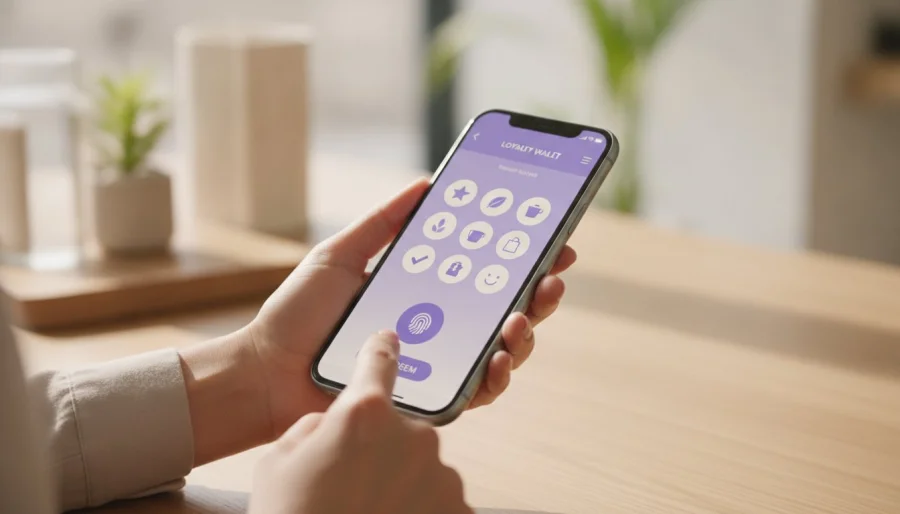
Did you know that a tiny 5% boost in customer retention can skyrocket your profits by up to 95%? It's a staggering figure from Bain & Company that highlights the real cost of letting shoppers slip away. You probably already feel the weight of high customer acquisition costs, especially when you're stuck using slow loyalty systems or watching customers lose their paper stamp cards before they ever earn a reward. It's tough to build a community when you lack the data to know who your regulars actually are.
You deserve a simpler way to grow. This guide will show you exactly how to increase repeat customer visits by mastering the latest digital retention tools and the psychology behind consumer behavior in 2026. We'll give you an actionable checklist that moves beyond basic points systems. You'll discover how to use digital stamp cards and mobile wallet integrations to remove checkout friction and create the emotional loyalty that keeps people coming back. Let's dive into the modern strategies that turn one-time shoppers into your most reliable regulars.
Key Takeaways
- Identify the psychological friction points that prevent a second visit and use the Goal Gradient Effect to keep shoppers motivated.
- Modernize your checkout by choosing a digital loyalty platform that integrates with Apple and Google Wallet for a hardware-free experience.
- Deploy win-back automation and tiered rewards to effectively increase repeat customer visits and shorten the time between purchases.
- Track your success with data-driven metrics like Repeat Purchase Rate and Redemption Rate to ensure your strategy is driving real ROI.
- Scale your business by transitioning to a custom white-label loyalty app that cements your brand identity and builds emotional loyalty.
Phase 1: Assessing the Psychology of the 'Second Visit'
The first sale is a win, but the second sale is a strategy. Most businesses lose momentum because they ignore the invisible friction points that stop a newcomer from becoming a regular. To master customer retention, you must understand that the second visit is the most fragile part of the shopper lifecycle. If there's even a slight hurdle, like a slow sign-up process or a forgotten paper card, the customer likely won't return. You need to remove every barrier between their first purchase and their next one.
Leverage the Goal Gradient Effect to keep them moving. This psychological principle shows that people increase their effort as they get closer to a reward. In a digital loyalty platform, you can visualize this progress clearly. Seeing a progress bar fill up or stamps accumulate creates a mental drive that only a return visit can satisfy. You aren't just selling a product; you're selling the satisfaction of completing a goal. When progress is visible and mobile, the urge to finish the set becomes a powerful motivator.
Start your customers off with Endowed Progress. Research into consumer behavior shows that giving a customer a head start, like two free stamps on a ten-stamp card, significantly increases completion rates compared to a blank eight-stamp card. While some businesses offer this on paper, a digital system takes it further. Use automated push notifications to remind them they're already 20% of the way to a reward. This turns a passive reward into an active motivator that helps increase repeat customer visits almost immediately.
Checklist: Auditing Your Current Retention Triggers
- Ditch the physical card: If your system requires a wallet-cluttering plastic card or a paper slip, you're creating a major friction point.
- Data visibility: Ensure you can see exactly who hasn't visited in 14 or 30 days so you can trigger a win-back offer.
- Staff engagement: Train your team to mention the digital stamp card during the payment flow to ensure every first-time guest joins the loop.
The 'Sunk Cost' Strategy for Digital Stamp Cards
Digital progress feels more permanent and valuable than a flimsy piece of paper. When a customer sees their progress securely stored in their Apple or Google Wallet, it creates a switching cost barrier. They're less likely to visit a competitor because they don't want to lose the progress they've already made with you. Digital tracking ensures that once progress starts, it never gets lost in a junk drawer, preventing reward abandonment before it begins.
Set your reward thresholds carefully to increase repeat customer visits. If the goal is too easy, the reward feels cheap. If it's too hard, they'll give up. Aim for a sweet spot where the first reward is achievable within three to four visits. This builds the habit of returning without making the customer wait months for a "thank you" from your brand.
Phase 2: Building Your 2026 Digital Loyalty Infrastructure
The foundation of a modern business isn't built on heavy hardware; it's built on agile software. To effectively increase repeat customer visits, you must transition away from physical plastic cards and specialized POS terminals that clutter your counter. A cloud-based loyalty platform allows for real-time management from any device, ensuring you can update rewards or track performance instantly. This shift reduces your overhead while providing the flexibility needed to stay competitive. When your infrastructure lives in the cloud, you can manage your business from anywhere without being tethered to a physical register.
Design your digital stamp card to be an extension of your brand identity. It shouldn't just be a utility; it should look and feel like your business. Combine this with a hybrid points system that rewards both total spend and how often a customer walks through your door. This dual approach ensures that high-spending occasional guests and budget-conscious regulars both feel valued, providing a proven way to increase repeat customer visits through balanced incentives. By prioritizing a digital-first setup, you create a professional image that builds trust with your clientele from their very first scan.
Checklist: Essential Features for Your Loyalty Application
- Verify the software offers a loyalty application that works without customer app downloads to maximize sign-up rates.
- Confirm the ability to issue digital stamps via a simple QR code scan for a fast, touchless experience.
- Ensure the platform supports white-label development to keep your brand front and center on every customer's phone.
- Check for real-time analytics that show you exactly when and where your customers are engaging with your rewards.
Integrating with Mobile Wallets for Frictionless UX
Adopting a 'Wallet-first' strategy is now the benchmark for customer loyalty program management. By integrating with Apple and Google Wallet, you provide 'one-tap' access that eliminates the need for customers to search through emails or download yet another app. This seamless integration can reduce checkout times significantly, often by as much as 60% compared to manual card lookups or hardware-dependent systems.
Modern customer retention strategies focus on removing friction at every turn. Using location-based alerts is a game-changer for physical storefronts; your system can trigger a subtle notification on a customer's lock screen when they're near your shop. This acts as a gentle, automated nudge to stop by, turning a casual passerby into a repeat visitor without any manual effort from your team. If you're ready to modernize your counter and simplify your workflow, you can get started with a digital loyalty platform today.
Phase 3: Engagement Tactics to Shorten the Purchase Interval
Shortening the time between visits is the fastest way to compound your revenue. If your average customer visits once a month, moving them to once every three weeks creates a massive shift in your annual bottom line. To increase repeat customer visits, you need to stay top-of-mind without being intrusive. Automation is your best ally here. Set up a 'Win-Back' trigger for any customer who hasn't scanned their card in 30 days. A simple "We miss you" message paired with a small, time-sensitive incentive can reignite their interest before they form a habit with a competitor.
Tiered rewards are another powerful tool for driving frequency and higher spend. Instead of a flat discount, create levels like Bronze, Silver, and Gold. When customers see that they're only two visits away from "Gold Status" and the exclusive perks that come with it, they'll naturally prioritize your business. You can also use push notifications to announce 'Flash Sales' or 'Double Point Days' during your typically slow hours. These real-time nudges provide an immediate reason to stop by, effectively filling gaps in your daily schedule while rewarding your most loyal fans.
Don't forget the power of exclusivity. Create VIP events or early-access windows for your top 10% of regulars. Whether it's a "first-taste" session for a new menu item or an after-hours shopping event, making your best customers feel like insiders builds a bond that transcends simple transactions. This emotional connection is what truly helps to increase repeat customer visits over the long term.
Checklist: Maximizing Digital Touchpoints
- Automated 'Thank You': Send a message immediately after every scan that highlights their new points balance.
- Monthly Statements: Schedule a recurring notification to remind users of their progress and any expiring rewards.
- Urgency Triggers: Use 48-hour 'Limited Time' offers to drive traffic during specific windows.
Gamification: Making the Second Visit Fun
Turn the shopping experience into a game to keep engagement high. Introduce 'Mystery Rewards' for a specific milestone, such as the 3rd or 5th visit. The curiosity of not knowing exactly what the prize is can be a stronger motivator than a standard discount. You can also implement 'Streaks' to build long-term habits, rewarding customers who visit a certain number of times within a month. While paper cards are limited to simple ink stamps, digital stamp card software makes it easy to track these complex behaviors and reward them automatically, ensuring the process is seamless for both your staff and your guests.
Phase 4: Measuring Retention ROI and visit Frequency
You can't improve what you don't track. Success in your mission to increase repeat customer visits depends on clear data rather than guesswork. Start by monitoring your Repeat Purchase Rate. This metric shows the percentage of customers who return for a second or third purchase. If this number is rising, your retention strategies are hitting the mark. It's the most direct indicator that your brand is building a genuine connection with its audience.
Watch your Redemption Rate with a critical eye. High engagement is great, but if customers aren't actually using their rewards, your offers might be missing the target. Effective rewards drive action. When redemption is high, you'll likely see a corresponding jump in Customer Lifetime Value (CLV). This represents the total revenue a customer brings to your business over time. By shortening the 'Time Between Visits,' you increase the velocity of your cash flow and identify seasonal lulls before they impact your bottom line.
Checklist: KPIs for Small Business Loyalty
- Sign-up Velocity: Measure the percentage of first-time visitors who join your digital program. High sign-up rates mean your staff and signage are working.
- Churn Comparison: Track the 'Churn Rate' of loyalty members versus non-members. Your software should show that regulars stay active much longer.
- Average Transaction Value (ATV): Evaluate if your regulars spend more per visit than one-time shoppers. Loyal customers often buy premium items more frequently.
Using Data to Refine Your Reward Tiers
Your data acts as a guide for your profitability. Identify if your 'Freebie' is too easy to get, which could hurt your margins, or if it is too hard to reach, which kills motivation. Segment your database by visit frequency to send personalized offers that feel relevant to each group. By analyzing historical trends through your loyalty application, you can accurately forecast future revenue based on member activity and visit patterns.
Refining your strategy based on real numbers ensures your business remains sustainable while it grows. Data removes the emotional stress of making marketing decisions. You can see exactly what works and double down on those tactics. If you want to stop guessing and start growing your regular base, set up your digital loyalty platform today and get instant access to these vital insights.
Phase 5: Scaling with White-Label Loyalty Solutions
Generic loyalty systems are a great starting point, but scaling your business requires a more professional touch. Transitioning to a white-label loyalty app allows you to own the entire customer experience. You aren't just another merchant in a crowded directory; you're a standalone brand with a dedicated presence on your customers' phones. This ownership is the most effective way to increase repeat customer visits because it cements your business as the first choice in the shopper's mind.
Brand identity is the "final boss" of customer loyalty. It represents the transition from a transactional relationship to an emotional one. When your rewards feel like an exclusive part of your brand world, customers feel a sense of belonging. This emotional tie is the secret to long-term sustainability. It helps you increase repeat customer visits even when competitors offer lower prices, because your regulars value the specific experience you provide over a simple discount.
Growth shouldn't mean more hardware headaches. When you expand to a second or third location, you don't need expensive POS integrations or plastic card printers. A digital infrastructure scales instantly across any number of storefronts. You can manage every branch from a single cloud-based dashboard, pushing updates and new rewards to all locations with one click. This keeps your brand consistent and your operations lean as you grow.
The Benefits of a Custom-Branded Experience
A custom app icon on a user's home screen acts as a 24/7 billboard. Every time a customer unlocks their phone, they see your logo. This constant visibility builds a psychological trust factor that generic paper cards or emails simply can't match. By using your own branded interface, you also reduce dependency on third-party aggregators. These platforms often eat your margins and hide your customer data. A white-label solution gives that power back to you, allowing for direct communication and better profit retention.
Ready to Launch? Final Steps
Before you go live with your 2026 retention strategy, ensure your team is ready for action. Review the BonusQR pricing tiers to select the plan that matches your current size and future growth goals. Train your staff on the '3-second scan' process to ensure zero friction at the counter. Speed is your best friend when it comes to customer satisfaction. Once your team is confident and your rewards are set, you're ready to turn every first-time visitor into a lifelong regular. Start building your digital loyalty system with BonusQR today!
Future-Proof Your Customer Loyalty Today
Building a loyal customer base in 2026 requires more than just a good product. It demands a frictionless experience that respects your customers' time and rewards their habits. By removing psychological barriers and replacing outdated paper systems with a modern digital infrastructure, you set the stage for sustainable growth. Tracking the right metrics ensures you can refine your strategy and consistently increase repeat customer visits without increasing your daily workload.
The tools you need are already within reach. You can launch a professional, hardware-free loyalty program that integrates directly with Apple and Google Wallet. This is the same technology used by global brands for high-level white-label retention, now accessible for your business. It's time to move past the clutter of the past and embrace a solution that works as hard as you do. Boost your repeat visits with BonusQR's digital loyalty platform and start turning every new face into a lifelong regular. Your business growth is just one scan away, and we're ready to help you lead the way.
Frequently Asked Questions
How often should I send push notifications to increase repeat visits?
Focus on quality rather than quantity by sending one to two notifications per week. This frequency keeps your brand top-of-mind without becoming a nuisance. Use value-driven triggers like "Double Point Days" or "Win-Back" alerts for customers who haven't visited in 30 days. High-relevance messages are the most effective way to increase repeat customer visits because they provide a genuine reason to return.
Can I use a loyalty app without expensive POS hardware integration?
Yes, you can run a professional program using only a smartphone or tablet. Modern loyalty software operates through QR code scans, which bypasses the need for specialized POS hardware or complex wiring. This setup allows you to start rewarding customers instantly. It's a lightweight solution that offers the same power as enterprise systems without the high entry cost.
What is a good repeat customer rate for a small retail business in 2026?
Aim for a repeat purchase rate between 20% and 30% to ensure healthy growth. While benchmarks vary by industry, hitting this range shows that your retention strategies are working. Consistently monitoring this metric helps you increase repeat customer visits by identifying which rewards actually drive people back through your doors. Even a small increase in this rate can lead to a significant boost in your annual profits.
Do digital stamp cards work better than traditional points systems?
Digital stamp cards are often more effective for high-frequency businesses like coffee shops or salons because they are visually intuitive. Customers find it easier to track progress toward a "Buy 5, Get 1 Free" goal than calculating complex point values. However, points systems are excellent for businesses with a wide variety of price points where spend-based rewards make more sense.
How do I move my existing paper card customers to a digital system?
Offer an "Upgrade Bonus" to make the transition feel like a win for the customer. Give them two digital stamps for every one paper stamp they trade in. This incentive encourages immediate adoption and ensures they don't feel like they've lost their previous progress. Once they see the convenience of having their card in their mobile wallet, they won't want to go back to paper.
Is it worth investing in a white-label app for a single-location business?
Investing in a white-label solution is worth it because it builds instant professional authority. Having your own app icon on a customer's home screen acts as a 24/7 billboard for your brand. It makes your single-location business look as established as a global chain. This level of branding fosters deep trust and keeps your shop as the first choice when the customer is ready to buy.
Can customers use my loyalty card on both Apple and Android phones?
Your digital loyalty passes are designed to work seamlessly across both Apple and Android devices. By integrating with Apple Wallet and Google Wallet, you ensure that every customer has one-tap access to their rewards. This universal compatibility removes all technical friction at the checkout. It doesn't matter what phone they use; the scanning process remains fast and reliable for everyone.
What happens if a customer deletes their mobile wallet pass?
Customers never lose their progress because all data is securely stored in the cloud. If a pass is deleted, you can simply send the customer a new download link or have them scan a QR code in-store to restore it. Their stamps, points, and tier status will reappear instantly. This cloud-based reliability provides peace of mind for both you and your regulars, ensuring their loyalty is always protected.


