
 Deutsch
 Español
 Français
 Italiano
 Magyar
 Polski
 Slovenčina
 Čeština
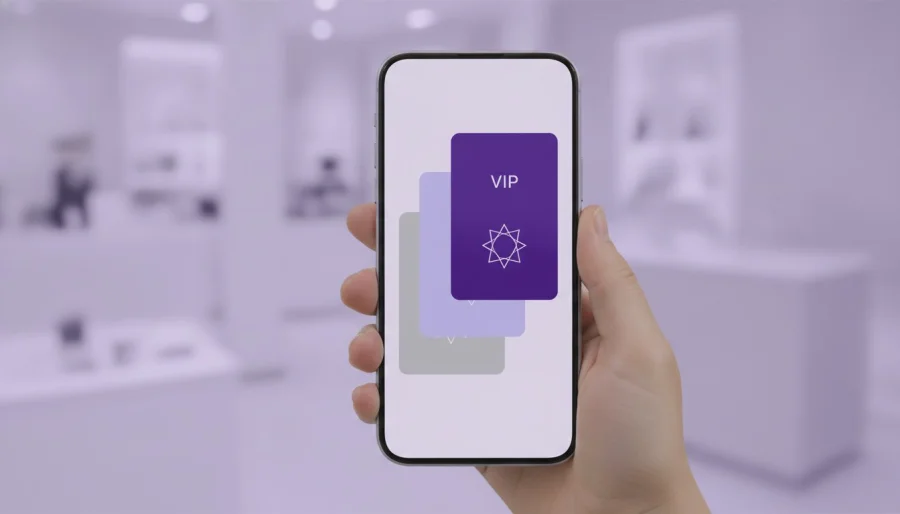
Over 72% of consumers state that a loyalty program makes them more likely to spend with their preferred brand. Even with this data, many businesses still lose money because of physical cards that get lost, forgotten, or ignored. You've likely felt the frustration of high customer churn and the struggle of identifying who your truly high-value regulars are. It's difficult to build a community when your rewards system feels like a chore for the customer. You deserve a solution that simplifies growth instead of adding more paperwork to your desk.
This guide shows you exactly how to design effective loyalty program tiers that motivate customers to spend more. You'll learn to implement a digital system that lives right in your customers' mobile wallets, removing the need for physical cards or expensive hardware. We'll provide a clear roadmap for setting up levels that increase your average order value and create a professional, white-label experience. Discover how to turn casual visitors into VIPs using a modern approach to digital rewards.
Key Takeaways
- Move beyond generic rewards by creating status-driven experiences that reduce churn and build lasting emotional loyalty.
- Use psychological triggers like the "Endowed Progress Effect" to keep customers motivated as they reach for their next reward milestone.
- Structure your loyalty program tiers based on spending habits or social actions to maximize customer lifetime value and order size.
- Launch a professional tiered system via QR codes and mobile wallets without investing in expensive or complex POS hardware.
- Replace outdated paper stamps with a digital points system that automatically tracks and rewards your highest-value regulars.
Loyalty Program Tiers: Why They Matter in 2026
Loyalty program tiers are hierarchical levels of rewards that customers unlock as they interact more with your brand. Think of them as a digital roadmap for your customer’s journey. Instead of a flat "buy one, get one" model, tiers group customers by their value and behavior. In 2026, the market has shifted away from generic, one-size-fits-all rewards. Modern consumers prioritize personalized, status-driven experiences that they can access instantly on their smartphones. Research shows that 74% of Gen Z consumers are more likely to be loyal to brands that provide a mobile app. They don't want to carry physical tokens; they want a seamless digital identity.
Implementing these tiers creates a gamified path. It encourages higher spending because the next level is always within reach. When you remove friction by using a digital loyalty platform, you make it easy for customers to climb the ladder while they wait in line or browse your shop. This setup turns a simple transaction into a long-term relationship.
The Core Benefits of a Tiered Structure
A tiered approach does more than just give away freebies. It fundamentally changes how you view your audience and how they view you. By structuring your rewards, you gain three critical advantages:
- Increased Customer Lifetime Value (CLV): By offering milestone-based incentives, you give customers a reason to choose you over a competitor every single time.
- Precise Segmentation: Tiers naturally separate your casual visitors from your most dedicated fans. This allows you to target marketing campaigns with surgical precision.
- Emotional Loyalty: Exclusivity matters. According to industry data, members of loyalty programs can generate 12-18% more incremental revenue growth annually than non-members. VIP status creates a bond that discounts alone cannot match.
Tiers vs. Simple Points Systems
While a basic points system is a great start, it often leads to "reward fatigue." Customers can lose interest if the only goal is to accumulate abstract numbers that don't feel like they lead anywhere. Loyalty program tiers provide a permanent sense of achievement. Once a customer hits a higher status, they feel a sense of ownership over that rank and are less likely to churn.
You can maximize impact by combining a digital stamp card with tiered milestones. Use a digital loyalty application to track progress automatically. This evolution from paper cards to a white-label app makes your business look professional and modern. It gives your regulars a reason to keep their digital card in their Apple or Google Wallet, ensuring your brand stays top-of-mind without needing any specialized POS hardware.
The Psychology of Status: Why Customers Crave Higher Tiers
Status isn't just about vanity; it's about tangible progress. The "Endowed Progress Effect" proves that customers are much more likely to finish a goal if they feel they've already started. For example, a digital stamp card with two "pre-filled" stamps has significantly higher completion rates than an empty one. This psychological nudge makes loyalty program tiers feel achievable from day one, sparking immediate engagement and repeat visits.
Social proof also plays a massive role in our modern digital economy. When customers see others receiving "Elite" perks, they naturally want to join that exclusive group. This desire for status reduces churn because the "cost of switching" to a competitor becomes too high. A customer won't want to give up their "Gold" status at your shop just to start over as a "Newcomer" somewhere else. Mobile wallet notifications reinforce this feeling by providing real-time updates. A quick alert saying "You're only two visits away from Platinum" keeps your brand top-of-mind and encourages that extra purchase right when it matters most.
Creating a Sense of Belonging
Generic names like "Bronze" or "Gold" often feel clinical and detached. Use branded language that resonates with your specific audience to build a stronger sense of community. If you run a coffee shop, try names like "Grinder," "Brewer," and "Master Roaster." Status names act as a psychological mirror, reflecting the customer's self-image back through their relationship with your brand. This alignment makes the rewards feel more personal and less like a standard business transaction. It turns a simple purchase into a badge of identity.
The Reward Ladder: Balancing Effort and Value
Your ladder needs to be sturdy and logical. The first tier should be incredibly easy to reach to build early momentum and trust. If the first reward feels too far away, customers will likely abandon the program before they've even started. Conversely, your highest tier must remain aspirational. It should offer exclusive benefits that feel truly special, such as early access to new products or a customized white-label app experience.
Using digital reward points systems allows you to track this progress transparently. This clarity ensures customers always know where they stand and exactly what they need to do next to level up. You can launch your own tiered rewards today and start turning casual shoppers into dedicated brand advocates without any complex hardware or long setup times.
Designing Your Tier Structure: A Comparison of Effective Models
Most successful loyalty program tiers follow a simple rule: don't overcomplicate the climb. Research into consumer behavior suggests that three to four tiers is the ideal range for most businesses. Any fewer and the progression feels too fast; any more and the system becomes confusing for the average shopper. You want a structure that's deep enough to keep people engaged for months but simple enough to explain in ten seconds during a checkout scan.
Expense-based tiers reward the total amount spent over time. This is the most transparent model because customers know exactly where they stand based on their receipts. Action-based tiers, on the other hand, reward engagement like referrals, reviews, or social media shares. While both work individually, hybrid models are now considered the gold standard for loyalty program management. By combining spending goals with social actions, you create a holistic relationship that rewards both direct profit and brand advocacy.
Choosing Your Primary Metric
Deciding whether to reward total spend or visit frequency depends on your specific business model. If you run a high-frequency shop like a cafe or a salon, visit count is often the best indicator of loyalty. The digital stamp card is a perfect tool here. It visualizes progress toward the next level with every scan. For luxury or service-based businesses with higher price points, total spend is a more accurate way to measure value.
Consider using "Shadow Tiers" for your top 1% of customers. These are unannounced, invite-only levels that provide unexpected perks like exclusive event invites or personalized gifts. This "surprise and delight" tactic builds intense emotional loyalty that's difficult for competitors to break. It makes your most valuable regulars feel like part of an inner circle rather than just another number in a database.
Tier Expiry and Maintenance Rules
Status shouldn't always be permanent. Many brands require customers to "re-qualify" for their rank annually to keep engagement levels high. However, losing a status can be a painful experience. You've got to manage the downgrade process carefully to avoid alienating your best fans. If a customer is about to drop a level, it's an opportunity to reach out and bring them back into the fold.
Use automated reminders in Apple or Google Wallet to prevent a tier lapse. A simple push notification telling a customer they're only one purchase away from keeping their VIP status can trigger an immediate visit. This proactive approach turns a potential negative into a compelling reason to shop. It keeps the momentum going without adding any friction to the customer's day or requiring them to log into a complex portal.
Implementing Tiers Without Specialized POS Hardware
Many business owners believe that sophisticated loyalty program tiers are only for giant corporations with massive IT budgets. They assume they need complex POS hardware or deep API integrations to track customer levels. This isn't true in 2026. The "Scan to Earn" revolution has changed the game for small and medium-sized operators. By using simple QR codes, you can trigger instant tier updates without ever touching your checkout system.
Staff members no longer have to manually look up names or phone numbers. This drastically reduces checkout friction and prevents long lines. A customer simply presents their phone, your team scans the code, and the points are added instantly. This speed keeps your business moving and makes the experience feel high-tech and professional. It's a modern alternative to the clunky loyalty applications of the past that required expensive setups and specialized training.
The Power of Mobile Wallet Integration
Integrating your program with Apple and Google Wallet is the key to a hardware-free experience. Instead of a plastic card, customers carry a dynamic digital pass. These passes update in real-time. They show a customer's current status directly on their lock screen. If they reach a new tier, the pass changes color or design instantly to reflect their "VIP" or "Elite" status. This visual feedback provides immediate satisfaction for the user.
Location-based alerts take this a step further. You can set up your system to send a welcoming notification the moment a top-tier member walks into your shop. This allows your team to provide a personalized greeting, reinforcing the emotional bond that keeps regulars coming back. It's a premium experience delivered through a device they already own and use every day.
White-Label Branding for Premium Tiers
While digital stamp cards are great for entry-level rewards, a custom branded app provides an "Elite" feel that motivates higher spending. Investing in white label loyalty app development ensures your brand identity remains consistent across every touchpoint. You own the customer relationship. You aren't just another entry on a third-party list.
The psychological impact of having your brand's icon on a customer’s home screen is immense. It serves as a constant, subtle reminder of their progress and status. When your logo sits next to their most-used apps, your business becomes a part of their daily digital life. You can start building your hardware-free loyalty system today and offer your customers a truly seamless, professional experience without the overhead of traditional systems.
Launch and Optimize: How to Success with BonusQR
Ready to turn your strategy into reality? Setting up your first loyalty program tiers shouldn't take weeks of development or complex coding. You can go from a rough concept to a live customer scan in minutes using a streamlined digital platform. The goal is to move fast, test your assumptions, and refine your rewards based on real-world behavior. By digitizing your approach, you eliminate the friction of physical logistics and focus entirely on growing your revenue.
Migrating from paper or plastic cards is the first step toward modernization. You don't need to wait for your current stock to run out. Simply offer a "digital upgrade" bonus to encourage customers to switch to your new points system immediately. This transition gives you instant visibility into who your customers are and how often they visit. You'll move from guessing about your audience to owning a database of high-value regulars who are motivated to reach the next level of your program.
Step-by-Step Setup with BonusQR
Getting started is straightforward. First, log into your dashboard and define your rewards. You'll set specific point values for different actions, ensuring the climb feels fair and rewarding. Next, customize your digital pass design. Upload your logo and choose colors that reflect your brand identity. This pass is what your customers will see in their Apple or Google Wallet, so make it look professional and inviting.
Training your team is the final piece of the puzzle. Since the system requires no specialized POS hardware, your staff can use their own devices or a basic tablet to scan customer codes. It takes seconds. Show your team how to reward points and explain the benefits of the higher tiers. When your staff is enthusiastic about the "VIP" experience, your customers will be too. Clear communication at the checkout counter is the fastest way to drive adoption.
Measuring Tier Success
Once your program is live, you must track how customers move through your structure. Focus on the tier migration rate. This metric tells you how many people are successfully moving from your entry-level tier to your premium levels. If everyone is stuck at the bottom, your thresholds might be too high. If everyone is a VIP, your rewards might be too easy to earn. Adjust your benefits based on this feedback to keep the challenge exciting.
Redemption frequency is another vital sign of a healthy program. You want customers to use their rewards because it reinforces the value of staying loyal. As your business grows, you can easily scale from a single shop to a multi-location experience with a custom white-label app. You can check BonusQR pricing to find a plan that matches your current scale and supports your future ambitions. Start small, optimize your loyalty program tiers, and watch your average order value climb as your customers race to reach the top.
Take the Next Step Toward Modern Loyalty
You now have the tools to transform your customer experience. We've seen how status-driven rewards tap into the psychology of achievement and why simple, digital models beat complex hardware every time. Designing effective loyalty program tiers is the most direct path to increasing your average order value while building a community of dedicated brand advocates. It's time to stop losing customers to forgotten paper cards and start recognizing your most valuable regulars instantly.
You don't need a massive IT budget or specialized POS hardware to get started. You can replace outdated paper cards with sleek digital wallet passes that live right on your customers' phones. With custom white-label options, you'll provide a professional brand experience that keeps your business top-of-mind. The setup is fast, the results are measurable, and the growth potential is limitless. Take control of your customer relationships and watch your business thrive in the digital economy.
Start building your digital tiered loyalty program with BonusQR today and join the future of customer retention. We're excited to help you grow.
Frequently Asked Questions
How many tiers should my loyalty program have?
Most successful loyalty program tiers consist of three or four levels. This range provides enough variety to keep customers engaged without making the system too complex to understand. A three-tier structure allows for an entry-level "Welcome" rank, a middle "Regular" status, and an aspirational "VIP" tier. Keeping the choices limited ensures your staff can explain the benefits quickly during a busy checkout while still providing a clear path for growth.
What is the best way to name my loyalty tiers?
Choose names that resonate with your specific industry or brand personality to build a stronger connection. Generic metal ranks like Bronze or Silver often feel cold and corporate. If you run a fitness studio, try names like "Starter," "Athlete," and "Champion." Using industry-relevant language makes the status feel like a badge of honor rather than just a number. This strengthens the emotional bond between your brand and your most dedicated customers.
Do I need special hardware to run a tiered loyalty program?
You don't need any specialized POS hardware or expensive scanners to run a modern tiered system. Our platform operates entirely through QR codes and mobile devices. Your team can use a tablet or smartphone to scan customer passes and update their status instantly. This approach eliminates the high upfront costs of traditional hardware while providing a seamless, high-tech experience for every visitor who walks through your door without adding friction.
How do customers move between tiers in a digital system?
Movement between tiers happens automatically based on the rules you set in your loyalty platform. As customers earn points or collect digital stamps, the software tracks their progress in real-time. Once they cross a specific threshold, their digital wallet pass updates to reflect their new status. You can set these triggers based on total spend or visit frequency. This automated process ensures every customer receives their rewards instantly without any manual work or delay.
Can I offer different rewards for different tiers on a digital stamp card?
Yes, you can easily customize rewards for each level of your program. A digital stamp card can evolve as the customer climbs higher. For example, a "Silver" member might get a free coffee after ten stamps, while a "Gold" member earns it after only eight. This flexibility allows you to provide deeper value to your most loyal regulars without over-rewarding casual visitors. It's a simple way to incentivize more frequent visits over time.
Is it better to have tiers based on points or total spend?
The choice depends on your business model and average transaction value. Points are excellent for high-frequency shops like cafes because they gamify the experience and keep people coming back. Total spend is often better for service-based businesses where individual transactions are larger. Many modern systems use a hybrid approach to reward both loyalty and big-ticket purchases. Focus on the metric that most accurately reflects a customer's true value to your specific brand.
How do I prevent customers from being upset if they lose their tier status?
Use proactive notifications to warn customers before their status expires. A quick alert in their mobile wallet can tell them exactly how many visits they need to maintain their rank. If they do lose their status, offer a "soft landing" by providing a small one-time discount to encourage them to start the climb again. Clear communication ensures the process feels fair and motivates them to return rather than causing unnecessary frustration or churn.
Can I integrate my tiered program with Apple and Google Wallet?
Integration with Apple and Google Wallet is a core feature of our loyalty platform. Customers can download their personalized pass with a single click, keeping your brand visible on their phone's lock screen. These passes update dynamically to show new loyalty program tiers, point balances, or exclusive rewards. This hardware-free solution ensures your program is always accessible, reducing the chance of lost cards and increasing overall customer engagement significantly over time.