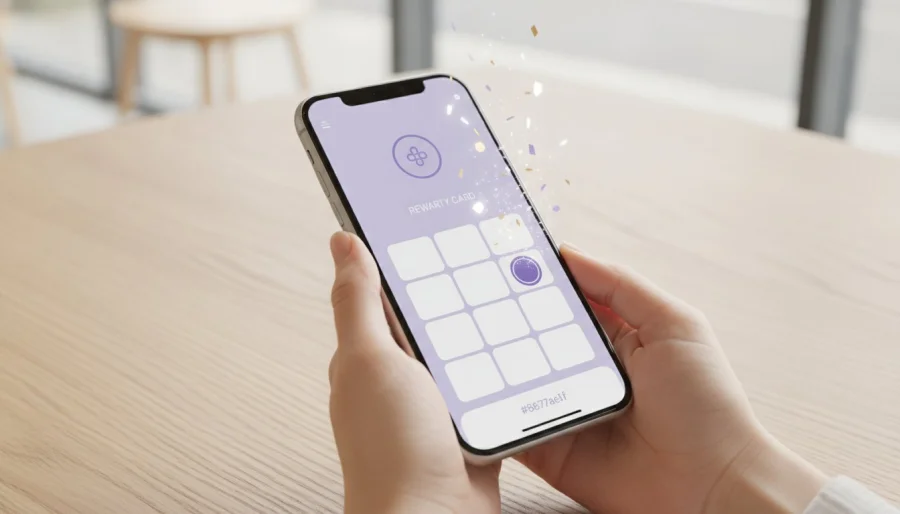
Did you know that companies using gamification are seven times more profitable than those that don't? It's a staggering figure that highlights a massive shift in how customers interact with their favorite brands. You've likely noticed that traditional points programs often feel stale. Customers forget their physical cards or find that rewards take too long to earn. Implementing gamification in loyalty isn't about building complex video games. It's about removing friction and making the path to a reward feel like genuine progress. It's frustrating to invest in a program that feels like a chore for your clientele rather than a benefit.
We agree that loyalty should be exciting, not exhausting. You can transform a basic reward system into a compelling digital experience that lives right in your customer's pocket. This article will show you how to use simple tools like digital stamp cards and progress indicators to trigger the psychology of your users. You'll discover how to boost visit frequency and secure a 22% increase in retention. We'll walk through the exact steps to modernize your business image while making every transaction feel like a win for your community.
Key Takeaways
- Shift from simple transactions to emotional loyalty by turning routine visits into engaging digital milestones.
- Master the three pillars of gamification in loyalty to provide customers with instant feedback and a clear sense of progress.
- Upgrade to digital stamp cards to eliminate fraud and provide a seamless, recognizable game loop for every purchase.
- Leverage Apple and Google Wallet integration to send location-based reminders that drive foot traffic and brand recall.
- Implement a white-label loyalty platform to achieve a modern, high-end brand image without the complexity of custom coding.
What is Gamification in Loyalty and Why Does it Matter?
Loyalty isn't just a transaction anymore; it's a relationship. To understand What is Gamification in a business context, think of it as integrating game-design elements into your daily customer interactions. Instead of a boring "buy ten get one free" deal, you create a journey. This shift from transactional loyalty to emotional loyalty is why the global gamification market is projected to reach $92.5 billion by 2030. In 2026, successful brands focus on the "Micro-Experience." Every scan and every notification becomes a small win that keeps your brand at the top of their mind.
The core goal of gamification in loyalty is to increase the dopamine hit of a routine purchase. When a customer sees their progress move forward, they feel a sense of achievement. This isn't just about fun; it's about making your business the most rewarding part of their day. By using a modern loyalty platform, you can turn a standard visit into an interactive event without adding any technical complexity to your workflow.
The Psychology of Play: Why Our Brains Crave Rewards
Our brains are wired for play. The anticipation of a reward releases dopamine, which drives repeat visits more effectively than the reward itself. You can leverage the Endowment Effect by giving a customer their first "free" stamp on a digital card. Research shows that once someone feels they have a head start, they value the progress much higher. This triggers a completionist urge. We naturally want to fill the gaps and finish the sequence, making the next visit an easy decision for the customer.
Gamification vs. Traditional Loyalty: A 2026 Comparison
Traditional programs are often passive. They rely on plastic cards that get lost in drawers or forgotten at home. In contrast, gamified systems are active and social. By using a mobile-first approach, you stay present on the smartphone. Consider these key differences:
- Traditional: Slow gratification, high abandonment rates, and easily forgotten.
- Gamified: Instant feedback, visual progress bars, and higher engagement.
The results are tangible. Businesses with gamified loyalty programs see a 22% increase in customer retention. The key metric here is "time-to-next-visit." While standard programs wait for the customer to remember them, gamified systems use progress indicators to pull customers back in sooner. You don't need expensive POS hardware to make this work; a simple digital solution can modernize your entire brand image instantly.
The 3 Pillars of Effective Loyalty Gamification
Effective gamification in loyalty isn't about flashy graphics or complex rules. It's about building a framework that feels like a game but acts like a growth engine for your revenue. To succeed, you must focus on four core pillars: progression, feedback, exclusivity, and simplicity. While enterprise solutions often get bogged down in technical debt, the best results come from systems that customers understand in seconds. You want to trigger the "completionist" psychology without making the user work too hard for the reward.
Progression: The Power of the Digital Streak
Streaks are one of the most effective ways to drive visit frequency. Visiting a business three days in a row or three weeks in a row creates a mental "streak" that users are desperate not to break. This habit-forming loop is far more powerful than lifetime points that accumulate slowly over many months. Visual progress bars in a digital wallet help customers "see" their next freebie, turning a boring transaction into a visual countdown. The Goal Gradient Effect states that people increase their effort as they approach a reward, meaning your customers will likely visit more frequently when they see they are only one or two stamps away from their goal.
Using a digital platform allows you to provide instant feedback. When a customer earns a stamp, a push notification provides immediate gratification. This reinforces the positive behavior and makes the brand feel modern and responsive. You can also layer in exclusivity by using tiers. Making a customer feel like a "Gold Member" after five visits creates a VIP experience that a simple paper card can't match. If you're ready to start building these loops, you can create your own digital loyalty program in just a few minutes.
Badges and Milestones: Beyond the Transaction
Gamification allows you to reward behaviors that don't involve a credit card. You can issue digital badges for social shares, referrals, or even just completing a user profile. This builds emotional loyalty by making the customer feel seen and valued. A "First Visit" badge makes the onboarding process feel like an immediate win, reducing the 40% abandonment rate seen in traditional programs where rewards take too long to earn. Milestone rewards celebrate long-term fans by acknowledging their 50th or 100th visit, turning a casual shopper into a brand advocate for life.
Simplicity remains the foundation of these pillars. Research shows that 87% of loyalty program members demand programs that are simple to understand and use. By focusing on clear progress and instant feedback, you remove the friction that kills engagement. You aren't just selling a product; you're providing a rewarding experience that customers actually want to participate in every single day. This approach ensures your program remains a tool for growth rather than a forgotten card in a wallet.
Digital Stamp Cards: The 'Sweet Spot' of Gamification
The digital stamp card is the ultimate "entry-level" tool for gamification in loyalty. It's the most recognizable game loop in history because it's completely intuitive. Customers don't need a tutorial to understand that ten stamps lead to a reward. While some brands focus on complex leaderboards or flashy prize wheels, the humble stamp card remains the most effective way to drive repeat behavior for small and medium businesses. Transitioning to digital software removes the biggest headache of traditional programs: fraud. You can now prevent "double stamping" and ensure every reward is earned fairly. For a deeper dive into implementation, check out our Digital Stamp Card Software: The Ultimate 2026 Guide.
Digital stamps also enable "Surprise and Delight" rewards that paper cards simply can't match. You can automate a "bonus stamp" for a customer's birthday or send a digital "quest" to visit during a slow Tuesday afternoon. This creates an addictive experience where the customer feels like the business is actively participating in their journey. It's a simple way to modernize your image while keeping the core interaction fast and friendly.
Paper vs. Digital: Why the Game Changes Online
Moving your program to a smartphone changes the rules of the game. Paper cards are anonymous; you never know who is actually visiting your store. Digital stamps allow you to collect valuable data and build real relationships. You can track visit frequency and identify your top 20% of customers instantly. Loss prevention is another major win. Digital cards can't be lost, washed in a laundry cycle, or stolen. You also gain the ability to update your "game" in real time. If you want to run a double-stamp promotion for a holiday, you can push that update to every customer's phone in seconds without printing a single piece of cardstock.
Implementing Points Systems within Stamp Frameworks
Many successful businesses now use hybrid models to increase engagement. You can reward customers with a stamp for every visit while also awarding points for every dollar spent. This creates a multi-layered experience that caters to different spending habits. To maintain "game balance," you must assign points to revenue ranges carefully. This ensures that high-value spenders feel rewarded without making frequent, smaller-purchase visitors feel ignored. A well-balanced system keeps the engagement loop active for your entire customer base. If you want to master this balance, read The Complete Guide to Digital Reward Points Systems.
Mobile Wallets: The Console for Your Loyalty Game
Apple and Google Wallet are the perfect consoles for your brand's loyalty game. Most businesses make the mistake of forcing customers to download a standalone app. This leads to immediate friction. Research shows that 40% of consumers abandon loyalty programs if they are too complex or take too long to provide value. By integrating your gamification in loyalty strategy directly into the digital wallet, you bypass app fatigue entirely. Your brand stays top-of-mind because it lives where your customers already store their credit cards and tickets. It's fast, efficient, and always accessible.
Location-based triggers act like real-world quests. When a customer walks near your shop, their phone can automatically notify them that a reward is waiting. This nudge reminds them of their current progress and encourages a spontaneous visit. Your brand icon stays in their wallet rather than getting buried on page four of a smartphone screen. For a full breakdown of this technology, see our Digital Wallet Pass for Loyalty Programs: The 2026 Guide.
Push Notifications as 'Game Alerts'
Push notifications act as your essential game alerts. A well-timed message like "You're almost there, Sarah!" creates an immediate emotional connection. You should use scarcity to drive action; telling a customer they only need two stamps left to unlock a weekend bonus triggers a sense of urgency. This keeps the game active without being intrusive. Personalization is key here. Addressing the customer by name and referencing their specific progress makes the experience feel tailored and rewarding rather than generic.
The Frictionless Entry: QR Codes and Wallet Passes
Entry into your program should be as fast as a payment. QR codes allow for a scan-to-earn experience that requires zero POS hardware. Customers simply present their wallet pass, you scan it, and the progress bar updates instantly. This frictionless entry makes the experience feel modern and high-tech. It also creates a viral loop. Wallet passes are easy to share; this allows your best customers to invite friends to join the game with a single tap. If you're ready to modernize your approach and launch your own digital system, register your loyalty software account today to get started.
How to Launch Your Gamified Loyalty App with BonusQR
Launching a professional gamification in loyalty program shouldn't require a six-figure budget or a team of developers. BonusQR offers custom white-label app development that gives you the prestige of a branded experience without the traditional $50,000 price tag. You get a sleek, digital interface that lives in your customers' Apple and Google Wallets, reinforcing your identity every time they pay. Our platform follows a "Set and Forget" philosophy. Once you define your rewards and milestones, the software handles all the tracking and notifications automatically. This frees you to focus on your business while the system builds your retention in the background.
Scaling your game is just as simple. You can start with basic digital stamp cards to build immediate momentum and move to tiered VIP levels as your community grows. This progression keeps the experience fresh for long-term fans. They'll appreciate the clear path from a casual visitor to an elite member. For a deeper look at owning your brand identity, check out our White Label Loyalty App Development Guide.
Choosing Your Format: Stamps, Points, or Both?
Your business model determines the best "game" for your margins. High-frequency businesses like coffee shops or bakeries often thrive with a digital stamp card. It's simple and fast. Service-based businesses or high-ticket retail might prefer a points system where every dollar spent brings the customer closer to a major milestone. You can even combine both for a hybrid approach. The beauty of a white-label solution is that you control the aesthetic. Your colors, logo, and brand voice are front and center. Having your own icon in a customer's digital wallet is a massive win for brand recall. It makes your business look established, modern, and tech-savvy.
Next Steps: Launching in Days, Not Months
Speed is essential for busy entrepreneurs. You can complete the initial setup for your digital loyalty program in about five minutes. There's no need for complex POS hardware or plastic card printing. Once your program is live, the next step is training your staff to "sell the game" at the checkout. Instead of asking if a customer has a loyalty card, have them ask if the customer wants to "unlock today's progress." This subtle shift in language makes the program feel like an invitation to a win rather than a marketing hurdle. Ready to modernize your business? Start building your gamified loyalty program today with BonusQR and turn every routine visit into an addictive experience.
Transform Your Customer Experience Today
Modern customer retention is no longer about plastic cards or complex points systems. It's about creating a journey where every visit feels like a win for the user. You've discovered how digital stamp cards provide a recognizable game loop and how mobile wallet integration keeps your brand top-of-mind. By focusing on progression and instant feedback, you turn a routine purchase into an addictive experience. Implementing gamification in loyalty isn't a technical hurdle; it's a strategic move that builds emotional connections and long-term profitability.
Thousands of modern retailers already use our platform to replace outdated paper cards. You don't need expensive POS hardware to get started. You can integrate your custom program with Apple and Google Wallet in just a few minutes. Take the first step toward a more modern, engaged customer base and watch your visit frequency soar. Success is just a few clicks away.
Build your own gamified loyalty app with BonusQR
Frequently Asked Questions
Is gamification too expensive for a small business?
No, it's highly accessible for small budgets. Digital platforms have removed the barrier of custom app development costs. Using a white-label solution allows you to launch a high-end experience without the typical expense of building an app from scratch. Small business owners can manage their programs through a simple dashboard, making it a cost-effective alternative to traditional marketing. It's an investment that pays off by increasing customer lifetime value and reducing acquisition costs.
Do I need special hardware to run a gamified loyalty program?
You don't need any special hardware to get started. You can run your entire program using only your smartphone or tablet. Modern loyalty software eliminates the need for expensive POS integrations or specialized scanners. Staff simply scan a customer's digital wallet pass using a web-based tool or a dedicated app. This zero-hardware approach makes it easy to set up and scale across multiple locations without any upfront infrastructure costs or technical headaches.
Will my older customers understand how to use a digital loyalty game?
Digital stamp cards are incredibly intuitive because they mimic the physical cards people have used for decades. Since the passes live in Apple and Google Wallets, there's no new app for them to learn or navigate. Most customers are already comfortable using their phones for payments and boarding passes. The simplicity of the "scan and earn" process ensures that all age groups can participate without feeling overwhelmed by technology or complex mechanics.
What is the best way to reward customers without hurting my margins?
You don't always have to give away product for free. Consider offering "skip the line" privileges, early access to new collections, or exclusive "Gold Member" events. These rewards build emotional loyalty without direct inventory costs. If you do offer discounts, tie them to higher spending tiers. This ensures that only your most profitable customers receive the biggest benefits, protecting your bottom line while keeping the experience engaging and rewarding for your community.
Can I change my loyalty 'game' rules once it has launched?
You can adjust your points values, stamp requirements, or reward types instantly through your dashboard. This flexibility is a major advantage over paper cards. If you notice a particular reward isn't driving visits, you can swap it out for something more compelling. You can also run limited-time events to boost slow days. These changes update automatically in your customers' digital wallets, keeping the gamification in loyalty experience dynamic and fresh.
How do I prevent people from 'cheating' in my loyalty program?
Digital tracking provides built-in security. Unlike paper cards that can be faked or manually altered, digital passes are tied to unique customer IDs. You can set rules that limit how many stamps a user can earn per day or per transaction. The system logs every interaction, giving you a clear audit trail. This transparency prevents fraud and ensures that rewards are only issued to genuine, paying customers, which preserves the integrity and value of your program.
Do customers actually prefer digital stamps over physical ones?
Most customers prefer digital stamps because they are convenient and secure. 87% of consumers state that data protection is a critical factor when joining a program. Digital systems provide this security while living permanently in the smartphone wallet. Customers appreciate not having to carry physical cardstock that gets lost or damaged. The added benefit of push notifications and progress bars makes the digital experience much more interactive and rewarding than a static piece of paper.
What is the most effective gamification feature for retail shops?
The most effective feature is the visual progress bar combined with push notifications. When a customer sees they are close to a reward, they are more likely to visit sooner to complete the set. This "near-win" psychology is a core part of gamification in loyalty. By sending a reminder when they are nearby, you turn a passive reward into an active quest. It's a low-effort way for you to drive consistent foot traffic.


