A birthday voucher is one of the most underused assets in a small business loyalty stack. The popular advice is to offer a generic free coffee, send an email coupon, and hope the customer remembers it. That approach misses the commercial opportunity. A well-designed birthday reward gives an existing customer a personal reason to visit, often creates a natural occasion for bringing someone else, and can encourage a larger basket than an ordinary stop.
Paid acquisition keeps demanding more attention and budget, yet a new customer may never return. A birthday offer starts with an existing relationship, so the business already has permission to communicate and a reason to make contact feel relevant. The offer can also bring a lapsed customer back without paying to reach an entirely cold audience.
Most merchants either copy a “free item” promotion, build a complicated email coupon that gets forgotten, or skip birthday marketing altogether. The ten birthday voucher ideas below use different redemption mechanics. Each one shows the rule to set in BonusQR, the flow staff can follow at the till, and the metric that deserves attention in analytics.
QR-based redemption removes familiar birthday headaches, including forgotten emails, lost paper vouchers, and awkward conversations at checkout. A reward can appear in the customer's Apple Wallet or Google Wallet when it goes live, while staff scan and redeem it through the app.
1. Tiered Birthday Discount
A flat birthday discount treats every loyalty member alike. A tiered offer gives regular customers a stronger reason to keep visiting before their birthday arrives, while still giving newer members a welcome reward.
A coffee shop might set a smaller birthday discount for a newly registered customer, a stronger offer for a customer with several recorded visits, and the best reward for a top-tier member. A salon could base the tier on completed appointments, while a retailer could use accumulated spend. The mechanic should reflect the behaviour the business already values.
Set the rule around behaviour
BonusQR can apply a birthday coupon according to a customer's visit pattern or loyalty status. The merchant sets the qualification rule, assigns the relevant reward, and displays the customer's status clearly before the birthday window opens.
The till experience should stay simple. The customer opens the birthday pass, staff scan the QR code, and the system validates the correct tier. There's no need for staff to calculate a discount manually or decide whether a customer has earned an exception.
Practical rule: Keep the qualification path visible. Customers respond better to a tier they can understand and reach than to a hidden formula.
Tiered birthday rewards work best when the merchant watches redemption by tier, average transaction value, and visits from previously inactive members. If the top tier rarely qualifies, the threshold may be too distant. Guidance on designing sustainable loyalty levels is available in BonusQR's guide to loyalty programme tiers.
2. Free Item or Service Birthday Reward
A specific gift often feels more personal than a percentage discount. “A birthday drink” or “a complimentary service add-on” gives the customer something concrete to anticipate, and the merchant can control exactly what the reward costs.
A café could offer a free drink from a defined menu range. A salon might attach a complimentary treatment add-on to a paid appointment. A gym could offer a supervised introductory session, while a retailer could let the customer select an item from a carefully chosen collection.
Protect margin at the till
The offer needs a clear boundary before staff activate it. The rule can specify eligible products, whether another purchase is required, and whether the reward applies on the birthday itself or throughout the birthday month.
A controlled free-item offer can also help move stock or fill quieter appointment slots. A salon may make an add-on available only with a booked service. A café may exclude premium customisations while still giving customers a satisfying choice.
The redemption flow should show the eligible reward on the customer's phone. Staff scan the pass, confirm the item or service, and mark the coupon as used. The merchant should then compare redemption with the value of the accompanying purchase, not only the number of free rewards claimed.
3. Double Points or Spend Multiplier Birthday Bonus
A points multiplier rewards the birthday customer without reducing the current transaction value. Instead of removing money from the order, the merchant accelerates progress towards a later reward.
A restaurant can award extra points on the birthday visit. A beauty business can apply the multiplier to a booked treatment, and a retailer can make the entire birthday month more rewarding. The important detail is that the points must have an understandable future use. Customers should know what they're working towards, even if the birthday purchase receives no immediate discount.
Make future value obvious
BonusQR can attach the birthday rule to a points programme and issue the reward automatically during the chosen window. A push notification at the beginning of the window can explain the benefit, while a reminder can show the customer's progress towards the next reward.
This mechanic suits services and businesses with tight margins, but it can feel weak if points are vague or difficult to redeem. The app should display the balance, the next available reward, and any expiry rule in plain language. Staff shouldn't need to explain a complicated conversion at the till.
The merchant should monitor birthday redemptions, subsequent reward use, and the average value of the birthday transaction. The BonusQR guide to points reward systems can help shape the underlying programme before the birthday multiplier is added.
4. Birthday Gift Card or Store Credit
Store credit combines the flexibility of a discount with the emotional appeal of a gift. The customer can choose what suits them, while the merchant keeps control over the eligible products, validity period, and redemption conditions.
A café might load credit into the customer's loyalty account for use on a later visit. A restaurant could issue a birthday balance valid within a defined period. A gym may apply credit towards merchandise or a class package, while a retailer can make the reward available across a selected product range.
Keep the value usable
The credit should be easy to find in the customer's profile and simple to apply at checkout. A QR scan should show the available balance, the eligible purchase, and the remaining amount if the customer spends more than the reward.
A fixed-value voucher is often easier to understand than a percentage discount. MoneySavingExpert's UK birthday freebies guide highlights familiar UK structures such as Burger King's free Whopper birthday voucher, Hotel Chocolat's £5 birthday voucher, The Body Shop's £5 birthday voucher, and Turtle Bay's £20 birthday credit with no minimum spend. These examples also show why the terms matter. A reward can look generous while becoming less useful if a minimum spend or narrow window applies.
The merchant should track credit redemption, additional spend above the credit, and unused balances. The voucher's expiry should be clearly displayed. UK guidance explains that expiry periods vary, and unused voucher value doesn't automatically create a right to cash change unless the terms promise it. Northern Ireland consumer guidance sets out those practical checks for voucher holders and businesses.
5. Surprise or Mystery Birthday Reward
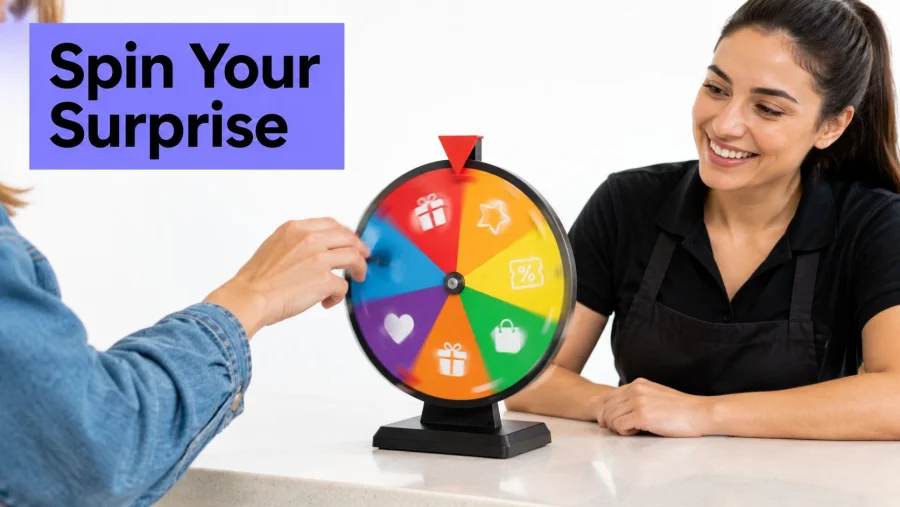
A mystery reward turns a routine coupon into a small interaction. The customer reveals the offer through the app, a digital scratch card, or a simple prize wheel, then redeems the result through the same QR process used for other loyalty rewards.
A coffee shop could offer a choice of curated birthday outcomes, such as a product upgrade, extra points, or a free item. A salon might reveal a service upgrade or a retail bonus. A fitness studio could use a surprise class benefit, while a retailer could assign a reward from a controlled product or discount pool.
Make the reveal quick
The mystery mechanic should never delay the customer at the till. The reveal happens before arrival, or while the customer is waiting, and the result stays attached to the account. Staff scan one confirmed reward rather than managing a physical wheel or deciding which prize applies.
The reward pool needs a meaningful minimum. If the smallest outcome feels like a token gesture, the customer may see the game as a way to disguise a weak offer. A small number of more exciting outcomes can create anticipation, but the merchant must set the pool so that the expected cost remains predictable.
Track which rewards customers reveal, which ones they redeem, and whether the interaction produces a larger basket or a referral. BonusQR's special occasion loyalty module supports birthday-specific rewards that can be scheduled for delivery through the loyalty experience and email.
6. Birthday Plus-One or Buddy Reward
A birthday offer can reward two people instead of one. The birthday customer receives a reason to visit, and a friend or family member receives a reason to try the business.
A restaurant might offer a shared dining reward when both guests attend together. A café could let the birthday customer send a drink reward to a friend. A gym can attach a guest pass to the birthday member's account, while a salon can reward a new referral and the existing customer after the first appointment is completed.
Remove sharing friction
The rule should state whether the guest must be new, whether both people must attend together, and whether the offer applies to a particular product, service, or booking. Ambiguity creates staff disputes and makes the customer feel responsible for proving eligibility.
BonusQR can create a shareable reward or referral path connected to the birthday customer's profile. The friend receives a clear action, such as registering, booking, or scanning a separate QR code. The original customer's bonus should activate only after the referred guest completes the required action.
A merchant should record the source as a birthday referral rather than treating every new customer as an anonymous acquisition. Useful measures include referred registrations, completed first visits, and the birthday customer's later visits. The strongest version of this offer feels like generosity, not a sales pitch. The customer gets something worth sharing, and the friend receives a clear welcome.

7. Early or Extended Birthday Offer Window
A single-day voucher creates unnecessary pressure. Customers may be working, travelling, unwell, or celebrating elsewhere. An extended window lets the merchant preserve the birthday connection without forcing an inconvenient visit.
A coffee shop can keep the reward active through the customer's birthday month. A restaurant may use a period around the birthday date, while a salon can make the reward valid for bookings within the chosen window. A retailer can align the offer with the customer's next planned shopping trip.
Use timing to shape demand
The window should match the operation. A busy restaurant may prefer bookings during quieter days. A salon can use the offer to fill available appointments rather than accepting unlimited walk-ins. A café may choose a wider window because the birthday reward attaches naturally to regular purchasing behaviour.
The digital pass should show the start date, end date, eligible locations, and any booking requirement. Automated messages can arrive when the window opens and again shortly before expiry. The customer needs enough notice to act, while the merchant needs a firm end point to prevent open-ended liability.
UK birthday promotions frequently depend on advance registration and date-of-birth capture. The Independent's guide to UK birthday freebies describes examples involving advance details, minimum spend, and a requirement for Marks & Spencer Sparks members to add a birthday at least 35 days before the date. That makes lead time part of the product design, not a footnote.
8. Milestone Birthday Celebration
Some birthdays carry more emotional weight than an ordinary annual occasion. A milestone reward can recognise that moment with a better experience, a premium upgrade, or a message that feels deliberately personal.
A restaurant may reserve a preferred table for a milestone booking. A salon can include a premium treatment upgrade, while a gym can offer a personalized consultation. A retailer might create an exclusive profile-based reward rather than applying the same discount used for every customer.
Use data carefully
The business should ask only for information that supports a clear customer benefit. If age data is collected, the reason should be understandable, and the profile should explain how the information affects the offer. Customers shouldn't have to disclose unnecessary personal details to receive an ordinary birthday reward.
The merchant can set milestone rules in BonusQR and attach a distinct coupon or experience to the relevant profile. The reward should have a clear redemption path, especially if it involves a booking, a staff member, or limited appointment capacity.
The most effective milestone offers aren't always the most expensive. A handwritten note, reserved seating, a complimentary consultation, or a photograph can add perceived value without changing the entire transaction economics. Track milestone redemptions separately from standard birthday rewards so the business can judge both direct cost and repeat engagement.
9. Seasonal or Themed Birthday Offers
A birthday voucher can reflect the products a business wants to sell at a particular time of year. Seasonal alignment makes the reward feel fresh and gives the merchant a way to direct demand towards quieter periods or relevant stock.
A café can offer a cold seasonal drink during warmer months and a hot drink pairing during colder weather. An ice cream shop may use a topping or flavour upgrade. A salon can connect the birthday reward to a seasonal consultation, while a retailer can build the offer around current collections.
Match the reward to capacity
The merchant should start with sales and appointment patterns, then choose a reward that supports the operational need. A high-value offer during a busy period may only subsidise purchases that would have happened anyway. The same reward during a quiet period may fill capacity and introduce the customer to a profitable product.
BonusQR allows seasonal and birthday rules to be mixed, so the offer can change without rebuilding the entire loyalty programme. The pass should show the theme, the eligible product or service, and the validity period. Seasonal creative can also make the offer easier for staff to recognise.
The merchant should compare redemption by season, product attachment, and repeat visits after the birthday window. A themed offer should remain understandable. Customers shouldn't need to decode a campaign name to know what they receive.
10. Birthday Bonus and Referral Incentive Bundle
A combined offer rewards the birthday customer and creates a structured route to acquisition. The birthday reward should remain the main benefit, while the referral element gives the customer a reason to share the occasion with friends.
A café could attach a friend invitation to a birthday drink reward. A restaurant might combine a birthday benefit with a credit that activates after a referred guest visits. A gym can offer a birthday membership benefit alongside a guest trial, while a salon can connect a birthday service offer to a referral reward after the new client completes an appointment.
Separate the two conditions
The system should issue the birthday reward immediately and hold the referral credit until the referred customer completes the required action. That protects the merchant from duplicate accounts and rewards genuine new visits rather than unverified sign-ups.
BonusQR can provide a personal QR code, a shareable invitation, and an automated campaign message. The merchant can set a cap on referral rewards, restrict eligibility to new customers, and define the qualifying visit or purchase. Staff then scan the birthday reward and the referral action through the same mobile workflow.
A birthday campaign should make the customer feel celebrated first. Referral mechanics work best when they sit behind a reward that already feels worth receiving.
The dashboard should separate birthday redemptions, referral conversions, and the value of follow-on visits. If the referral condition creates too much friction, customers won't share it. If it gives credit before a genuine visit, the campaign becomes expensive to control.
Birthday Voucher Ideas, 10-Item Comparison
| Item | 🔄 Implementation Complexity | ⚡ Resource Requirements | ⭐ Effectiveness | 📊 Expected Outcomes | 💡 Tips |
|---|---|---|---|---|---|
| Tiered Birthday Discount (Percentage-Based) | Medium, requires visit-history & tier logic | Moderate, loyalty data, coupon rules | ⭐⭐⭐⭐, strong loyalty signal | Increases repeat visits & CLV; margin risk if unchecked | Set realistic thresholds; show tier status pre-birthday |
| Free Item or Service Birthday Reward | Low, assign SKU/coupon at checkout | Moderate–High, inventory/service slots, subsidy cost | ⭐⭐⭐, high perceived immediate value | Boosts footfall and add‑ons; higher cost per redemption | Cap item value; require purchase or limit redemption window |
| Double Points or Spend Multiplier Birthday Bonus | Low–Medium, needs points-program integration | Low, backend tracking; deferred liability | ⭐⭐⭐, encourages spend and program engagement | Larger average transaction; deferred cost as future redemptions | Combine with small discount; clarify point values |
| Birthday Gift Card or Store Credit | Low, issue digital credit and track usage | Moderate–High, fixed cost exposure, redemption tracking | ⭐⭐⭐⭐, feels generous and flexible | Customers often spend above credit; accounting liability | Use 30–60 day expiry; keep value proportional to AOV |
| Surprise or Mystery Birthday Reward | Medium, randomiser UI & coupon pool | Moderate, development + variable cost exposure | ⭐⭐⭐⭐, high engagement & shareability | Drives excitement and social shares; some disappointment risk | Ensure meaningful minimum reward; keep reveal quick |
| Birthday Plus-One or Buddy Reward | Medium, shareable codes & dual redemption tracking | Moderate, referral tracking, potential dual-cost | ⭐⭐⭐⭐, effective for new-customer acquisition | Increases referrals and group visits; tricky attribution | Require friend rules (new customer/min spend); simplify sharing |
| Early or Extended Birthday Offer Window | Low, adjust coupon validity windows | Low–Moderate, longer liability/exposure period | ⭐⭐⭐, higher redemption rates over time | Spreads foot traffic; may cannibalise regular sales | Use countdown messaging; tier on-date vs extended value |
| Milestone Birthday Celebration (Age-Specific Rewards) | Medium, age-detection & conditional offers | Moderate, higher cost for milestone years | ⭐⭐⭐⭐, strong emotional impact & shareability | Boosts loyalty and organic publicity; budget spikes for milestones | Select relevant milestones; handle age/privacy carefully |
| Seasonal or Themed Birthday Offers | Medium, seasonal rules & campaign updates | Moderate, frequent creative & promo changes | ⭐⭐⭐, timely relevance, reduces fatigue | Drives off-season traffic; adds campaign complexity | Analyse slow seasons; refresh offers quarterly |
| Birthday Bonus + Referral Incentive Bundle | High, dual-offer orchestration & referral infra | High, combined reward costs & tracking systems | ⭐⭐⭐⭐, strong acquisition + engagement potential | Generates referrals and sustained activity; needs cost controls | Cap referrals; clear comms and easy multi-share options |
Your 30-Minute Birthday Voucher Plan
A merchant doesn't need a complex loyalty programme to start. The first birthday campaign should solve one commercial problem, use one clear redemption rule, and generate enough information to improve the next campaign.
Choose the mechanic that matches the economics. A free item or service can suit a high-average-order-value beauty or retail business when the reward leads to a valuable paid visit. Store credit can work well for cafés because customers can choose what they want and often add to the balance. Double points can suit thin-margin services because the reward encourages a future visit without reducing the current sale. A plus-one or referral mechanic fits businesses that depend on group visits and local recommendations.
Set the rule in BonusQR. Define the customer qualification, reward, eligible products or services, redemption window, and any referral condition. Keep the rule visible in the customer profile. A birthday coupon can be scheduled in advance, delivered through the loyalty experience and email, and kept available in Apple Wallet or Google Wallet. The customer should see one clear reward rather than several competing instructions.
Activate two reminders. Send one automated push or email when the birthday window opens, then send another reminder three days before expiry. The message should state the reward, the end date, and the action required. If a booking is necessary, the booking route should sit directly beside the offer.
Watch three numbers for sixty days. Measure the birthday voucher redemption rate, the average transaction value on birthday visits compared with ordinary visits, and the number of new customers acquired through birthday referrals. Those measures show whether the offer attracts visits, improves the basket, and expands the customer base. UK voucher buyers are increasingly comfortable with digital formats, while physical issuance still remains important in the wider market, so a mobile-first pass with visible in-store promotion gives the campaign both convenience and presence. GCVA-linked market reporting provides context for that blended approach.
A business can launch any of these ten birthday voucher ideas in BonusQR in a single afternoon, without POS integration or extra hardware. Staff scan and redeem through the app, while built-in analytics show coupon performance and visit trends. BonusQR offers a free tier for testing the mechanics before a merchant commits to a broader loyalty setup.
The birthday window arrives once a year for every customer. The only question is whether the voucher is sitting in their wallet when it does.


