
 Deutsch
 Español
 Français
 Italiano
 Magyar
 Polski
 Slovenčina
 Čeština
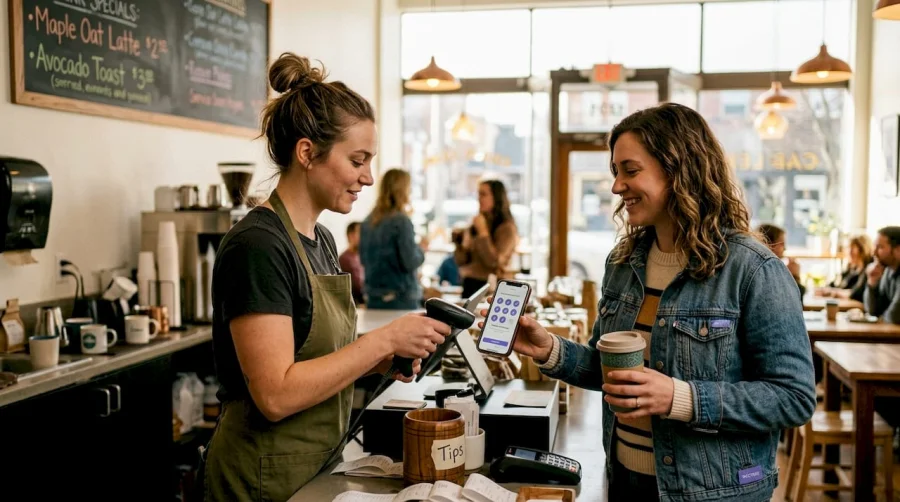
Choosing the right reward system for your business is not as simple as picking the most popular option. With so many structures available, from points programs to experiential perks, small and medium-sized business owners often struggle to match the right model to their customer base and goals. This article walks you through ten proven reward system examples, explains what makes each one work, and gives you a clear framework to compare your options. By the end, you will have the knowledge to select and launch a system that genuinely drives customer retention and repeat business.
Key Takeaways
| Point | Details |
|---|---|
| Fit the system to your business | Align reward types with your customers’ habits and industry for best results. |
| Mix and match approaches | Combining points, tiers, and digital rewards can boost retention and excitement. |
| Leverage tech for efficiency | Use digital wallets or mobile apps to make rewards seamless and trackable. |
| Personalize for loyalty | Tailor experiences and incentives to keep your best customers coming back. |
What makes a reward system successful?
Not every reward program delivers results. The ones that do share a few key traits. Before comparing specific examples, it helps to understand the criteria that separate effective systems from forgettable ones.
A strong reward system should have:
- Clarity: Customers understand exactly how to earn and redeem rewards without confusion.
- Ease of use: Both your staff and your customers can participate without friction.
- Perceived value: The reward feels worth the effort to earn it.
- Customizability: The program fits your specific business model and customer habits.
- Consistency: Rewards are delivered reliably, building trust over time.
Personalized rewards drive higher customer engagement, which means a one-size-fits-all approach rarely performs as well as a tailored strategy. When you design your program around actual customer behavior, participation rates climb and so does spending.
Pro Tip: Survey your top 20 customers before launching any reward program. Ask what kind of incentive would make them visit more often. Their answers will shape a far more effective system than guessing.
Points-based reward programs
Points-based programs are the most familiar loyalty structure. Customers earn points for every dollar spent, and those points accumulate toward a reward, such as a discount, free item, or store credit.
This model works well because it is easy to explain and easy to track. Customers always know where they stand, and every purchase feels like progress. Points-based programs are the most widely adopted structure for small businesses, and for good reason.
Benefits of points-based programs:
- Flexible reward thresholds you can adjust over time
- Works across retail, food service, salons, and more
- Encourages higher average transaction values
- Easy to automate with modern loyalty platforms
“Every purchase is a step closer to something great.” This is the message your points program sends to customers, and it keeps them coming back.
Pro Tip: Set your points redemption threshold low enough that customers reach their first reward within two or three visits. Early wins build habit faster than distant goals.
For inspiration, look at successful points-based programs from businesses similar to yours before designing your own structure.
Tiered loyalty systems
Tiered programs add a layer of status to the loyalty experience. Customers move through levels, such as Silver, Gold, and Platinum, unlocking better perks as they spend more or visit more frequently.

The psychology here is powerful. People are motivated by status and the desire to maintain it. Tiered reward structures increase customer spending by promoting status and long-term engagement, making them a strong choice for businesses with a broad customer base.
Key advantages of tiered systems:
- Rewards your most loyal customers with exclusive benefits
- Creates a clear path for customers to aspire toward
- Reduces churn among high-value customers
- Encourages consistent spending to maintain tier status
The main challenge is complexity. Managing multiple reward levels requires clear communication and reliable tracking. For small teams, a digital platform handles this automatically, removing the administrative burden. Explore tiered loyalty trends to see how businesses are structuring these programs effectively in 2026.
Visit-based and punch card rewards
If your business depends on regular visits, a visit-based program is one of the most direct tools available. The classic model is simple: visit ten times, get the eleventh free. Digital versions of this concept have made it even more effective.
Digital punch card programs improve customer retention metrics for service-based businesses by removing the friction of physical cards and adding data tracking.
Benefits and considerations:
| Feature | Physical punch card | Digital punch card |
|---|---|---|
| Setup cost | Very low | Low to moderate |
| Data tracking | None | Automatic |
| Customer convenience | Moderate | High |
| Loss/damage risk | High | None |
| Promotion targeting | Not possible | Fully supported |
Digital punch cards also let you send push notifications when a customer is close to earning their reward, which drives that final visit. Cafes, barbershops, nail salons, and quick-service restaurants see strong results with this model.
Cashback and spend-based rewards
Cashback programs reward customers with a percentage of their total spend returned as credit or cash. The appeal is straightforward: customers see exactly what they are getting back, and that transparency builds trust.
Cashback reward programs are highly valued by customers for their transparency and immediate value, making them especially effective for value-conscious shoppers.
Why cashback works:
- No complicated rules or point calculations
- Appeals to budget-focused customers who prioritize savings
- Works well for higher-ticket purchases where the cashback amount feels meaningful
- Easy to communicate in marketing materials
Cashback is particularly effective for businesses selling home goods, electronics, professional services, or anything with a higher average order value. When a customer spends $200 and earns $10 back, that feels tangible. It also gives them a reason to return and spend that credit.
Referral and friend-get-friend programs
Referral programs turn your existing customers into a growth channel. When a customer refers a friend, both parties receive a reward. This dual incentive structure is what makes referrals so effective.
Referral programs can increase your customer base by as much as 30% when executed effectively, making them one of the highest-return loyalty investments available.
How to structure an effective referral program:
- Offer a reward to both the referrer and the new customer
- Keep the sharing process simple, a link or QR code works best
- Set a clear expiration on referral rewards to create urgency
- Track referrals digitally to avoid disputes and manual errors
Referral programs work best when your existing customers are already satisfied. A happy customer is your most credible marketing voice. Pair referral rewards with a strong base loyalty program for maximum impact. See effective referral rewards that businesses are using right now to grow their customer base.
Non-monetary and experiential reward examples
Not every reward needs a dollar value. Experiential rewards, such as VIP events, early access to new products, behind-the-scenes tours, or exclusive classes, create emotional connections that cash discounts simply cannot replicate.
Experiential rewards strengthen emotional loyalty by creating lasting positive associations, which translates into long-term retention and word-of-mouth promotion.
Examples of experiential rewards that work:
- Members-only shopping events before a sale opens to the public
- Exclusive workshops or classes for top-tier loyalty members
- Surprise upgrades on services for loyal customers
- Early access to new product launches or limited editions
Pro Tip: Experiential rewards work best for brands with a strong community identity. If your customers feel like they belong to something, exclusive access deepens that feeling and makes them far less likely to switch to a competitor.
These rewards are especially powerful for boutique fitness studios, specialty retailers, beauty brands, and restaurants with a loyal following.
Digital wallet integration and mobile app rewards
Modern loyalty programs increasingly live on smartphones. Whether through a branded app or a pass stored in Apple Wallet or Google Wallet, mobile-first loyalty reduces friction and increases engagement.
Digital wallet and app features offer higher engagement for tech-savvy users, and that demographic is growing across all age groups.
| Feature | Branded mobile app | Wallet pass |
|---|---|---|
| Setup complexity | Higher | Lower |
| Push notifications | Yes | Limited |
| Branding control | Full | Moderate |
| Customer adoption | Moderate | High |
| Analytics depth | Advanced | Basic |
Mobile rewards also enable location-based promotions, automated birthday offers, and real-time balance updates. These features keep your brand visible between visits. Explore mobile rewards integration to understand which setup fits your business size and budget.
Comparison of popular reward systems for small businesses
Still debating which reward system fits your business? Compare the major types head-to-head:
| Reward type | Setup cost | Ease of use | Best sector | Customer motivation |
|---|---|---|---|---|
| Points-based | Low | High | Retail, food, salons | Accumulation and progress |
| Tiered | Low to moderate | Moderate | Retail, hospitality | Status and exclusivity |
| Visit/punch card | Very low | Very high | Cafes, services | Habit and frequency |
| Cashback | Low | Very high | Higher-ticket retail | Savings and transparency |
| Referral | Low | Moderate | Any sector | Social reward and savings |
| Experiential | Moderate | Moderate | Boutique, fitness, food | Emotion and belonging |
| Digital wallet/app | Moderate to high | High | Any sector | Convenience and tech appeal |
Choosing the right structure depends on your industry, customer base, and growth goals. Use this table as a starting point, not a final answer.
How to choose the right reward system for your business
A final word: leveraging reward solutions is about fit, not just features. Here is a practical decision process to help you choose wisely.
- Define your goal first. Are you trying to increase visit frequency, raise average spend, or grow your customer base? Each goal points to a different system.
- Study your customer habits. Do your customers visit weekly or monthly? Do they spend small amounts often or larger amounts occasionally? Match the reward structure to their natural behavior.
- Check what competitors offer. If every coffee shop in your area has a punch card, you need one too, at minimum. Then differentiate with an added layer.
- Start simple. Launch with one reward type, measure results for 60 to 90 days, then add complexity if needed.
- Use data to optimize. Track redemption rates, visit frequency changes, and customer feedback. Adjust your thresholds and rewards based on real behavior.
The most effective systems are aligned with business strategy and customer expectations, not just copied from a competitor. Understand the customer retention benefits of getting this right before you commit to a structure.
Pro Tip: Avoid launching a reward program during your busiest season. Set it up during a quieter period so your team can learn the system and troubleshoot before high traffic hits.
Launch your custom reward program with BonusQR
Ready to translate ideas into results? BonusQR gives you access to every reward system type covered in this article, all within one platform. Whether you want to run a points program, a digital punch card, cashback rewards, or a tiered system, you can build and launch it without needing a POS integration or a technical team. The electronic reward platform is designed for businesses of any size, with flexible pricing that includes a free starting option. You can also take advantage of mobile loyalty features and wallet integration options to reach customers on their phones. Start your free trial today and build a program your customers will actually use.
Frequently asked questions
What is the easiest reward system to set up for a small business?
A points-based or visit-based punch card system is simplest to implement for most small businesses, requiring minimal setup and no complex rules.
Which reward type works best for service-based businesses?
Visit-based rewards and experiential perks perform best for service businesses like salons, cafes, and fitness studios that depend on repeat visits.
How can I personalize my business’s loyalty program?
Offer tiered rewards and use digital platforms to tailor incentives based on customer preferences. Personalized, data-driven rewards increase both loyalty and average spend over time.
Are digital wallet-based programs secure?
Yes. Modern loyalty platforms use secure protocols to protect customer data, making digital wallet integrations safe for both business owners and their customers.
Can I combine multiple reward systems for my business?
Absolutely. Combining reward elements such as points, tiers, referrals, and digital rewards can maximize engagement, as long as the program remains easy for customers to understand and use.