
 Deutsch
 Español
 Français
 Italiano
 Magyar
 Polski
 Slovenčina
 Čeština
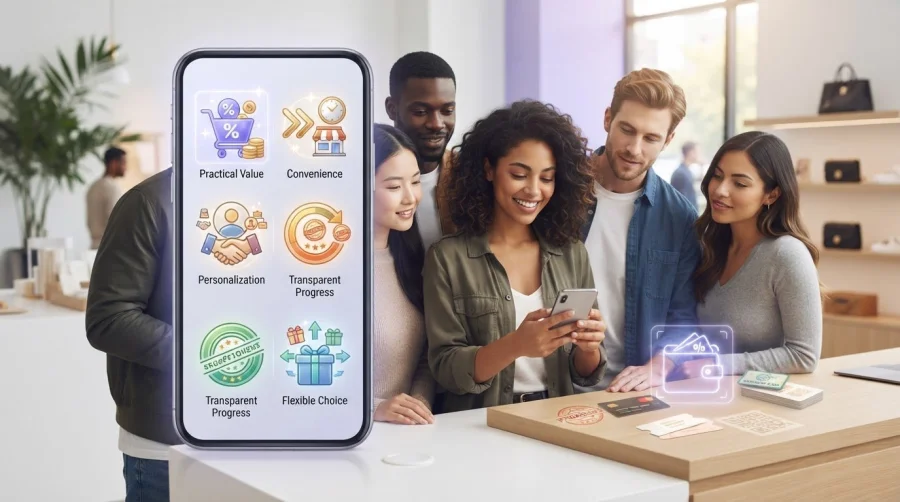
Seventy percent of millennials would leave a loyalty program if its rewards aren’t compelling or relevant, according to SellersCommerce (July 2026). That’s a clear signal: points alone won’t keep customers coming back. If you’re asking what millennials want from a rewards program, start with value they can understand and use without extra effort.
It’s tempting to treat millennials as one audience and choose a single popular perk. But preferences vary. A useful program makes rewards relevant, easy to access, and clear to earn or redeem, while giving customers a reason to return. The right format depends on your customers, what they buy, and how often they shop.
This guide breaks down five priorities to consider in 2026, from practical rewards and simple mobile access to transparency and choice. You’ll learn how to turn broad generational observations into manageable design decisions, including when digital stamp cards or points systems may fit. The goal is a program that feels straightforward for customers and supports repeat engagement for your business.
Key Takeaways
- What millennials want from a rewards program varies by customer, so treat convenience, relevance, and clear value as ideas to test, not fixed generational traits.
- Compare stamp cards, points, discounts, and experiences by how easy they are to understand, redeem, and manage.
- Use customer conversations and feedback to shape a program instead of relying on age-based assumptions.
- Make the path from joining to earning and redeeming rewards simple and easy to follow.
- Digital stamp cards and points can make reward progress easier to access and track, but technology alone doesn’t create loyalty.
What Millennials Want From a Rewards Program, and Why the Question Needs Nuance
A rewards program is an exchange: customers give a business repeat engagement, and the business offers benefits that are clearly explained. The exchange works when customers can see what they’ll get, understand what they need to do, and decide the effort is worthwhile.
So, what millennials want from a rewards program is best approached as a set of design questions, not a fixed list of generational demands. Convenience, relevant value, clear rules, and a satisfying experience are useful priorities to explore. One customer might value a quick discount; another might prefer progress toward a larger reward. Make the benefit easy to recognize and the steps to earn it easy to follow.
What does “millennial” mean in a customer strategy?
The label refers to an age cohort, but its boundaries vary among sources. Pew Research Center’s January 17, 2019 analysis defined Millennials as people born from 1981 through 1996. The Millennials overview also describes the cohort and the variation in how it is defined. These labels can help organize demographic discussion, but they don’t tell you what any individual customer prefers.
People in the same cohort can have different budgets, locations, family responsibilities, shopping routines, and comfort with digital tools. Treat age as context, not a customer profile. Look at observed behavior instead: Do customers return often? Which offers do they use? Where do they stop during enrollment or redemption? Those signals can guide decisions more reliably than assumptions based on birth year.
Why do rewards programs need to feel worthwhile?
Perceived value is the customer’s judgment of the benefit compared with the effort required to earn and use it. A reward can sound attractive but still feel out of reach if the earning rules are hard to follow. A simple offer can also lose its appeal if redemption involves confusing conditions, missed steps, or unnecessary friction.
Make the exchange visible. Explain how customers earn rewards, what they can redeem, and when they can use them. If a customer earns progress with each purchase, show that progress clearly and state what completes the reward. Customers should be able to judge the benefit before they commit, not discover important conditions at checkout.
Generational trends can suggest what to test, but they can’t predict what an individual customer will value. Use broad patterns to form a starting point, then learn from your own customers’ questions, choices, and feedback. That keeps the program relevant without turning a generation into a single persona.
The Rewards Millennials May Value: Convenience, Relevance, and Clear Value
Turn broad expectations into practical ideas you can test. A convenient program might reduce the effort of joining or make progress easy to check. A relevant one might offer something customers already want. Clear value means people can understand both the benefit and the steps to get it. Treat these as design hypotheses, not traits shared by every millennial. Use customer questions, enrollment patterns, and redemption choices to learn which ideas fit your audience.
Try a simple clarity test: Can a customer quickly answer three questions: What can I earn? How do I earn it? How do I use it? If any answer is hard to find, simplify the experience before adding more features.
How do convenience and mobile access affect the experience?
Convenience matters throughout the customer journey. Keep enrollment short, make reward progress visible, and explain redemption in plain language. A digital stamp card, for example, lets customers check their stamps without searching for a card they may have put away or forgotten. A points balance can make progress visible too, provided the earning and redemption rules are just as clear.
Digital access can make a loyalty offer easier to find during a customer’s routine. Apple Wallet and Google Wallet are useful access options for customers who use them, but the goal isn’t to assume every customer wants a particular app or device. Reduce unnecessary steps and choose an access method that fits how your customers interact with your business. Fewer steps can reduce friction, but technology by itself doesn’t create a reason to return.
What makes a reward feel relevant and transparent?
Relevance comes from connecting the benefit to real customer needs, not adding personalization just to make the program look tailored. A customer who visits often may appreciate a straightforward stamp reward. Someone who prefers flexibility may find a points balance more useful if they understand what it can be used for. Neither format is automatically better. Let customer behavior and feedback guide the decision.
Give customers clear rules before they join. Explain what earns a stamp or points, what reward is available, and any conditions that affect redemption. Don’t bury essential details in dense terms or introduce rules customers must decode at checkout. If you offer more than one reward type, make the options easy to compare so customers can choose what matters to them.
- Convenience: Can customers join, check progress, and redeem without avoidable steps?
- Relevance: Does the reward reflect something customers value in practice?
- Clarity: Can customers explain the earning and redemption rules in their own words?
Reward value depends on usefulness, clarity, and the effort required to redeem it. To put these ideas into practice, create a loyalty program that matches your business and customer experience.
Are Points, Discounts, or Experiences Better for Millennial Customers?
No reward format is automatically right for millennial customers. A practical choice depends on how often customers buy, how familiar the purchase is, what motivates them to return, and how much complexity your business can manage. The question of what millennials want from a rewards program is too varied for one age-based answer. Compare each format by three factors: how easily customers understand it, how much choice it offers, and how manageable it is to run.
Use this guide to shortlist an approach, then compare it with what customers actually buy and ask for. A simple format that fits your routine can be more useful than a feature-rich structure customers struggle to follow.
| Format | May fit | Trade-off to consider |
|---|---|---|
| Digital stamp card | Businesses with familiar, repeat purchases and a clear next reward | Progress may feel slow if visits are infrequent; customers have limited reward choice |
| Points | Businesses with varied purchase amounts or several suitable rewards | Earning rules and points value need to stay easy to understand |
| Discounts | Businesses where an immediate saving is relevant to customers | Frequent offers can affect margins and may make value harder to distinguish |
| Experiences | Businesses whose customers value access, events, or memorable activities | Rewards can take more planning and may not appeal to every customer |
When can digital stamp cards be a good fit?
A digital stamp card has a straightforward progress model: customers complete a defined action, collect stamps, and work toward a stated reward. It can suit a business with repeat, familiar purchases because customers can connect the earning action to the reward. Timing matters, though. Set a completion requirement that feels achievable given customer visit patterns. If purchases are infrequent, progress may feel slow, so don’t assume the same stamp target works for every business.
When can points or flexible rewards work better?
Points can suit businesses with different purchase amounts or customers who may prefer to choose among rewards. Keep the system easy to understand: explain how points are earned and what a stated balance can get. Discounts offer direct savings, while experiences may work when they match customer interests and fit the business’s ability to deliver them. For each format, consider margins and the effort required to manage the reward before setting the offer.
Different preferences don’t require a complicated program built for every individual. Start with the behavior your business sees, then select one clear format and a reward customers can understand. Digital stamp cards and points systems are both possible structures, but neither guarantees engagement. Watch which rewards customers choose and where they hesitate, then adjust the design. This turns generational observations into practical decisions without treating all millennials as one type of customer.
How to Design and Test a Rewards Program Millennials Will Use
Build a program around customer evidence, not guesses about age. To learn what millennials want from a rewards program, combine what customers tell you with what they actually do. Then test a manageable design, measure its use, and refine it over time.
- Learn. Ask customers which rewards they understand and would realistically use. Keep surveys short, invite feedback in everyday conversations, and note what staff hear at checkout. Look for patterns in purchase frequency and common requests. Compare feedback across customer groups, but don’t treat age as the only reason preferences differ.
- Choose. Pick a reward format that fits customer behavior and your business. Consider whether purchases happen often enough for a stamp card, or whether varied purchase amounts make a points system more appropriate. Start with a small set of options instead of adding complexity before you know customers want it.
- Explain. Write down the earning rules, the reward, and how customers redeem it. Ask someone unfamiliar with the program to describe the process in their own words. If they can’t explain the steps, simplify the terms before launch.
- Launch. Set a baseline using the measures you already track, then introduce the program and make its rules easy to find. Give staff a concise explanation to share with customers, and collect questions that reveal where instructions or steps cause confusion.
- Improve. Review participation and feedback on a regular schedule. Where practical, change one element at a time, such as the reward or earning rule, so you can compare results more clearly.
How can a business learn what its customers actually value?
Ask specific questions rather than “Would you join a loyalty program?” For example: “Which of these rewards would you be most likely to use?” or “Is any step unclear?” Compare answers with staff observations and purchase patterns. A customer may like an offer in a survey but rarely redeem it, so use feedback to form a hypothesis and behavior to check it.
Which signals show whether the program is working?
Choose a few measures that fit your business: enrollment, active participation, redemption, and repeat visits. Define each one consistently and compare it with your baseline. Redemption shows that customers use rewards; repeat behavior shows that they return. Neither measure alone proves the program caused a change, since other factors can influence visits and purchases.
For a structured approach to ongoing measurement, use the ideas in Mastering Customer Loyalty Program Management in 2026: A Digital-First Guide alongside your own customer feedback. Keep the review practical: note what changed, what you observed, and what you’ll test next. To put a measured loyalty approach into action, explore BonusQR’s digital loyalty platform.
How Digital Loyalty Tools Can Make Rewards Easier to Use
Digital tools can make a well-designed reward easier to access, but they can’t make an irrelevant offer valuable. The experience still depends on a clear benefit, simple rules, and a format that fits how customers shop. Digital access helps customers keep track of rewards without carrying a physical plastic loyalty card.
What can a digital loyalty platform simplify?
A digital loyalty platform can make reward progress easier to find and check. A stamp card gives customers a visible count toward a reward. A points system tracks a balance that can support different reward options. These formats represent progress in different ways, so choose the one that makes earning and redemption easiest for your customers to understand.
Digital access can also reduce the need for customers to remember a separate physical card. BonusQR integrates with Apple Wallet and Google Wallet, giving businesses wallet-based ways to make rewards accessible. These options can help customers who use them, but they aren’t a substitute for a worthwhile offer.
BonusQR’s loyalty platform works without specialized POS hardware. This gives businesses a way to offer digital rewards without adding dedicated loyalty hardware. Focus on the practical customer journey: where a customer finds the reward, how progress is recorded, and how the reward is redeemed. If any step remains confusing, technology alone won’t remove that friction.
How can a business keep its rewards experience on-brand?
A white-label app can reflect a business’s own brand identity, helping customers recognize the loyalty experience as part of the business they already know. Consistent branding can support familiarity across customer interactions, but it doesn’t guarantee repeat visits. Pair a recognizable experience with a relevant reward and clear program rules.
If you’re still weighing points against other reward mechanics, The Complete Guide to Digital Reward Points Systems in 2026 can provide a useful next perspective. Compare how each option represents progress, how easily customers understand its value, and what your team can manage consistently. Keep the structure focused. A simple digital stamp card may suit a repeat-purchase routine, while points may better represent a program with varied earning or redemption choices.
Before choosing a tool, map the customer’s path from joining to redemption. Identify any steps that require extra effort, then decide whether digital access can remove them. BonusQR brings digital rewards, stamp cards, points systems, Apple and Google Wallet integration, and custom white-label app development into one loyalty experience. Explore a digital rewards program as a practical next step for putting your chosen design into action.
Turn Customer Insight Into Your Next Test
Build your next move around one useful question: what millennials want from a rewards program in your business, based on what your customers actually choose and use. Pick one clear idea to test, decide what customer response would tell you, and give the program room to improve. Small, informed adjustments can help create a rewards experience that feels natural for customers and manageable for your team.
Digital tools can help put that idea into practice. BonusQR supports digital stamp cards and points systems, Apple Wallet and Google Wallet integration, and custom white-label app development to reflect your brand identity. Choose the format that fits your customers and operations, then keep learning from their response.
Explore a digital rewards program and take the next step toward a loyalty experience shaped by real customer needs. Start with a thoughtful test, stay open to feedback, and build from what works.
Frequently Asked Questions
What do millennials value most in a rewards program?
Millennials may value rewards that feel useful in their actual routine, but preferences vary by budget, location, and shopping habits. Test whether your customers respond better to a practical benefit, faster progress, or choice at redemption. Ask what they would use soon, not just what sounds attractive. Their answers can help distinguish a reward customers admire from one they’ll realistically claim and use.
Do millennials prefer points or discounts?
Neither format is universally preferred. A discount makes its value easy to recognize right away, which can suit customers who want an immediate saving. Points can offer more choice, but only if customers can tell what their balance is worth. Present both concepts in plain language, then compare which one customers select or redeem. Consider your margins too, so the offer remains practical for the business.
Are digital rewards more appealing to millennials than physical cards?
Digital rewards can be easier to access for customers who already use their phones to manage everyday tasks, while some customers may prefer a familiar physical card. Don’t assume age alone determines that choice. Ask how customers want to find their reward, then watch for missed cards, forgotten accounts, or questions during redemption. Those everyday signals can show whether digital access solves a real inconvenience for your audience.
Can a simple stamp card work for millennial customers?
Yes. A stamp card can work if customers make repeat purchases and can see how each visit moves them toward a reward. Keep the qualifying action consistent and make the target easy to understand. For example, explain whether every visit or a specific purchase earns progress. If customers rarely return, a stamp goal may feel distant, so use purchase patterns to judge whether this format fits.
How can a small business find out which rewards customers want?
Ask customers directly and make the question easy to answer. Offer a short choice between a few realistic rewards, then invite one sentence about why they chose it. Staff can also note which offers customers ask about or redeem. Compare what people say with what they do, since stated interest doesn’t always lead to redemption. Review feedback across customer groups without assuming age explains every difference.
Do millennials expect personalized rewards?
Some customers appreciate offers that reflect what they buy or how they shop, but personalization shouldn’t be added just for its own sake. Start with a simple choice, such as letting members select from a small set of reward types. You can also use stated preferences to make offers more relevant. Keep the benefit clear, and avoid making customers provide details that don’t improve the rewards experience.
How do you measure whether a rewards program is valuable to customers?
Look at whether customers join, use the program, redeem rewards, and return to buy again. Compare those signals with a baseline from before launch, and review them over consistent periods. A reward with low redemption may be hard to reach or simply less appealing. Repeat visits can have other causes, so treat the numbers as clues about what to investigate, not proof that the program alone drove a change.