In 2026, the success of your business isn't measured by the quality of your product alone; it's defined by how easily you fit into your customer's digital wallet. You've likely felt the sting of watching loyal regulars drift toward larger competitors simply because those brands offer a more seamless way to earn reward points. It's frustrating to invest in physical loyalty cards that end up lost, forgotten, or tossed in the bin before they're ever used.
We understand that you want the same professional edge as the big players without the massive overhead or complex hardware. This article shows you how to design and manage a modern loyalty system that lives right on your customer's smartphone. You'll learn to eliminate paper waste and maximize customer lifetime value through a frictionless digital approach that actually works for small-scale operators.
We'll walk you through the steps to implement a mobile-first strategy that increases repeat visit frequency and provides clear data on spending habits. By the end, you'll know exactly how to build a loyalty platform that tracks ROI easily and keeps your brand at the top of your customer's mind every single day.
Key Takeaways
- Transition from outdated paper cards to engagement-based digital loyalty that fits directly into your customer's mobile wallet.
- Learn to assign value to your reward points so they incentivize repeat visits without eating into your bottom line.
- Discover why "Scan-to-Earn" QR technology is the fastest way to bridge the gap between your physical storefront and digital customer tracking.
- Identify whether a digital stamp card or a flexible points structure is the best fit for your specific industry and visit frequency.
- Launch your own custom-branded loyalty software in under five minutes using a simple setup process that requires zero new hardware.
What Are Reward Points and Why Is Digital Dominating in 2026?
In the high-speed business environment of 2026, reward points function as a specialized digital currency designed to incentivize repeat purchases. We've seen a massive shift away from the "earn and burn" models of the past decade toward engagement-based loyalty. While 2020-era systems relied on clunky plastic cards and manual entries, modern businesses use a digital loyalty platform to stay relevant. Essentially, reward points are a strategic tool for increasing Customer Lifetime Value by providing tangible reasons for shoppers to return again and again.
A modern Loyalty program bridges the gap between a physical storefront and a customer's digital life. This evolution isn't just a trend; it's a response to how people live now. Customers don't want to carry extra items. They want their interactions with your brand to be as fast as a tap on their screen. Transitioning to a digital system ensures your business remains competitive against larger corporations that have spent millions on their own proprietary apps.
The Death of the Physical Loyalty Card
Physical cards are effectively extinct for a reason. Some industry reports indicate that nearly 80% of paper stamp cards are lost or never redeemed. This represents a huge missed opportunity for data and connection. Every lost card is a lost customer touchpoint. Additionally, the environmental impact of producing millions of plastic cards is no longer acceptable to the modern shopper. Digital storage in mobile wallets solves the "forgotten card" problem forever. When your loyalty card lives in Apple or Google Wallet, it's always available. This convenience keeps your business at the front of the customer's mind without contributing to wallet clutter or environmental waste.
The Psychology of Points: Why Customers Crave Them
The success of reward points is rooted in human psychology, specifically the "endowed progress effect." This principle suggests that people are more motivated to reach a goal if they feel they've already started. Giving a customer their first few points just for signing up can boost initial engagement significantly. Digital systems also introduce gamification elements. Features like progress bars and balance notifications keep users checking their status, which reinforces their connection to your brand. Over time, these points create a "switching cost." A customer is far less likely to visit a competitor when they're halfway to a reward in your shop. It's a subtle but effective way to ensure long-term retention.
How a Modern Digital Reward Points System Works
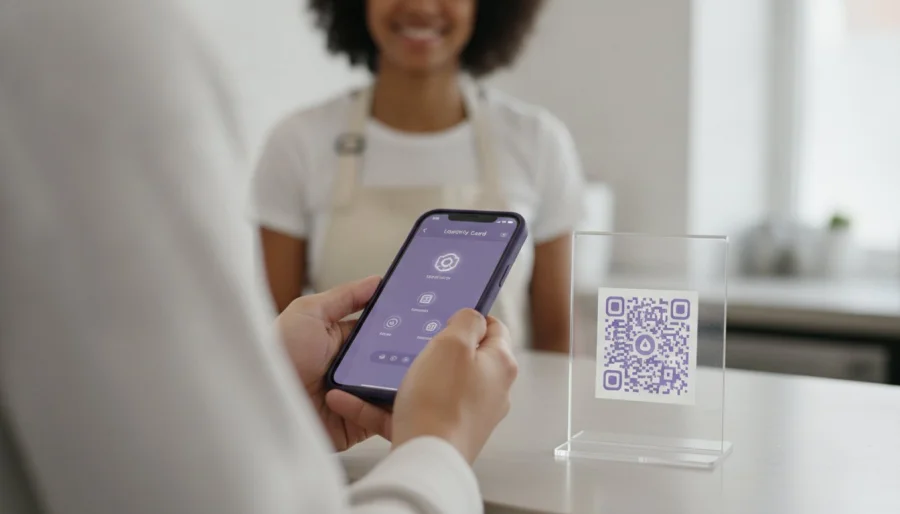
The "Scan-to-Earn" mechanism has revolutionized how businesses connect with their audience. By using simple QR codes, you bridge the gap between a physical transaction and a digital record instantly. A customer finishes their purchase, opens their camera, and scans a code displayed at your counter. This process takes seconds and removes the friction that usually kills loyalty participation. It's a fast, reliable way to ensure every transaction counts toward a long-term relationship.
Integration with Apple and Google Wallets is the gold standard for 2026. A study on mobile rewards programs from the University of Notre Dame highlights how mobile-integrated rewards significantly shift customer behavior toward more frequent interactions. Digital reward points that live in a mobile wallet are never forgotten. They are always accessible, providing a constant visual reminder of your brand every time a customer checks their phone for a boarding pass or a payment card.
Instant gratification is a non-negotiable requirement for modern users. They expect their points balance to update the moment the scan is complete. This real-time feedback loop reinforces the positive behavior of shopping with you. For the business, this interaction provides valuable data. You gain insights into visit frequency and spending habits without needing to ask for a phone number or email at the register. It allows you to understand your best customers based on their actual behavior rather than guesswork.
The Infrastructure: Cloud-Based Management
Managing your loyalty program shouldn't be a chore. Cloud-based platforms allow you to oversee your reward points, track performance, and update offers from any device with an internet connection. This infrastructure includes robust security features to prevent fraud and ensure that points are earned legitimately. You can monitor your ROI in real time and adjust your strategy on the fly. For more on the operational side, explore our guide on Mastering Customer Loyalty Program Management.
Integration Without Hardware: The 2026 Advantage
You no longer need to invest in expensive POS hardware to run a world-class points system. Most modern setups function perfectly on standalone tablets or even your own smartphone. This low barrier to entry allows you to focus your budget on the rewards themselves rather than the equipment. A white-label approach ensures that your brand remains the star of the show. Your customers interact with your colors and logo, making the experience feel premium and personalized. If you want to see how this fits your business, you can create your own digital system in minutes.
Points vs. Stamps: Choosing the Right Reward Structure
Selecting the right loyalty mechanic is a critical decision for your brand's growth. While both options aim to drive retention, they serve different business models and customer mindsets. Digital stamp cards offer unmatched simplicity. They mirror the classic paper punch card but without the risk of loss or fraud. On the other hand, reward points provide a flexible framework for businesses with varied pricing and diverse product catalogs. You need a system that matches how your customers actually spend.
Industries with high-frequency visits and consistent pricing thrive on the stamp model. Coffee shops, hair salons, and spas benefit from the clear "Buy X, Get Y" proposition. It's easy for the customer to track. It's fast for your staff to validate. If your business involves variable spending, such as a boutique or a full-service restaurant, reward points are the superior choice. They allow you to reward a customer who spends $200 more than someone who spends $20, even if they visit with the same frequency. This ensures your rewards are proportional to the value the customer brings to your business.
Some savvy operators find success with hybrid models. You might offer a digital stamp for every visit over a certain threshold while simultaneously awarding points for every dollar spent. This dual approach covers both visit frequency and total revenue. It ensures that your most frequent visitors and your biggest spenders both feel valued. It's about finding the balance that keeps your margins safe while keeping your customers excited.
When to Use a Digital Stamp Card
Digital stamp cards are the ideal solution for businesses with a straightforward value proposition. The "Buy 9, Get 1 Free" model is a classic for a reason; it works. This structure creates a lower cognitive load for your customers. They don't need to calculate exchange rates or point values. They just see their progress toward a free item. This simplicity leads to faster checkouts and higher participation rates among casual shoppers. For a deeper dive into this specific technology, check out our Digital Stamp Card Software Guide. It's the fastest way to digitize a legacy system.
When to Use a Tiered Points System
If you want to target the top 1% of your spenders, a tiered system is essential. By using levels like Silver, Gold, and Platinum, you tap into "status-seeking" behavior. This is backed by research on the psychology of loyalty programs from the University of Georgia. Tiers create a sense of exclusivity and achievement. To maintain profitability, you must carefully calculate your point-to-dollar ratio. Aim for a balance where the reward feels significant but remains sustainable for your margins. High-end retail brands often use this method to turn occasional buyers into lifelong brand advocates.
Designing Your System: How to Assign Points to Revenue
Designing your loyalty structure is the most critical step in ensuring long-term success. You must follow the golden rule: reward points should feel valuable to the customer without eating your entire profit margin. If your rewards are too hard to reach, customers lose interest. If they're too easy, you lose money. Finding that sweet spot requires a clear look at your average transaction value and your markup. You want a system that rewards loyalty while actively protecting your bottom line.
To determine the cash value of a single point, start with your desired reward. If you want to offer a $5 discount after a customer spends $100, each point earned per dollar is effectively worth five cents. This simple math allows you to forecast exactly how much the program will cost as it scales. You can also use points to encourage upselling by assigning them to specific revenue ranges. For example, offering a "bonus point" for every dollar spent over your average transaction amount nudges customers to add one more item to their basket to hit that next threshold.
Setting expiration dates is a delicate balance. While unredeemed points can save you money in the short term, expiring points too quickly destroys customer trust. Use expiration as a tool for urgency rather than a way to avoid paying out rewards. A six-month or one-year window is usually enough to keep customers coming back without making them feel cheated. It keeps your liability low while maintaining a healthy relationship with your regulars.
The Math of Loyalty: Calculating ROI
Measuring success starts with your Customer Retention Rate. This formula tracks the percentage of customers who return within a specific period. Digital reward points provide the data you need to see this influence in real time. You must factor in the cost of the reward against the increased frequency of visits. A 5% increase in retention can lead to a 25% increase in profit. This massive jump happens because repeat customers spend more over time and cost significantly less to serve than new ones.
Reward Redemption Strategies
Don't limit yourself to simple discounts. Experience-based rewards, like early access to new products or a specialized service, often carry a higher perceived value with a lower actual cost to you. You can even partner with other local businesses for cross-brand redemptions. This expands the utility of your points and builds a community feel. Balance instant rewards for small actions with long-term goals for major milestones to keep engagement high at every stage of the customer journey.
Ready to build your own profitable system? Start designing your points program today.
Implementing a Hardware-Free Reward Points System
BonusQR is the logical conclusion for any business owner who wants a modern loyalty platform without technical headaches. While enterprise systems often require months of integration, this system allows you to launch in under five minutes. You don't need a background in software or a massive IT budget to get started. By focusing on a hardware-free approach, you eliminate the need for expensive scanners or proprietary tablets. Your existing smartphone or a simple QR code printout is all you need to start awarding reward points to your regulars.
One of the biggest advantages is the integration with Apple and Google Wallets. This eliminates the app fatigue that often prevents customers from joining loyalty programs. Instead of asking someone to download another app and create a new password, they simply scan a code and save their digital card to the wallet they already use every day. If your brand requires a more bespoke feel, custom white-label development options are available. This ensures your identity remains front and center, providing a premium experience that lives directly on your customer's phone.
Launch Strategy: Getting Your First 100 Members
Success starts with visibility. Use in-store signage with clear QR codes to drive immediate signups at the register. We recommend offering a Welcome Bonus to get the momentum started. Giving customers enough reward points to feel halfway to their first reward triggers the psychological drive to finish the set. Train your staff to mention the digital card during every transaction. A simple, "Would you like to scan for points today?" is often all it takes to convert a one-time visitor into a member of your loyalty community.
Scaling with Automation
Once your system is live, you can leverage automation to keep engagement high without extra manual work. Set up automated push notifications to remind users when their points are about to expire or when they're close to a new reward. These gentle nudges provide a high ROI by bringing customers back into your store. You can also use data insights to send personalized offers based on what people have actually bought in the past. This level of customization was once reserved for global chains, but it's now accessible to everyone. Explore the BonusQR Pricing page to find a plan that scales as your membership grows.
Future-Proof Your Business with Digital Loyalty
Building long-term loyalty doesn't require a massive budget or complex technical skills. By moving your strategy into the digital space, you ensure your brand stays accessible in the place customers look most: their smartphones. We've explored how a modern system eliminates the friction of physical cards and allows you to design reward points that protect your margins while delighting your regulars. You now have the roadmap to turn casual visitors into dedicated advocates for your business.
Success in 2026 is about speed and simplicity. You can launch a professional platform that integrates seamlessly with Apple and Google Wallet without ever purchasing new POS hardware. It's an efficient way to gain data-driven insights and drive repeat visits. The relief of a simplified, hardware-free solution is just moments away.
Don't let your competitors own the digital wallet. You can complete your entire setup in under five minutes and start seeing results immediately. Start building your digital reward points system today with BonusQR. We're here to help your business grow with confidence.
Frequently Asked Questions
How do I calculate how many reward points to give per dollar?
Determine your margin first. A common strategy involves giving 1 point per $1 spent, where 100 points equals a $5 reward. This represents a 5% value back to the user. You should adjust this based on your specific markup. High-margin businesses like cafes often afford more generous ratios. Conversely, low-margin retail might stick to a 2% value. This ensures your program remains profitable while still feeling valuable to your customers.
Do I need a special app to scan customer reward points?
You don't need expensive proprietary hardware or a complex POS setup. Modern loyalty software allows you to use any smartphone or tablet to scan a customer's unique QR code. This "Scan-to-Earn" method is fast and keeps your counter space clear. It’s an efficient way to manage your program without high upfront costs. This approach works perfectly for small operators who want to modernize their customer experience without buying new equipment.
Can digital reward points work with Apple and Google Wallet?
Integration with Apple and Google Wallet is a standard feature for modern digital systems. This allows customers to save their loyalty card directly into their mobile wallet. It eliminates the need for them to download a separate business-specific app. This frictionless approach ensures your reward points are always accessible. It reduces the chances of a customer forgetting their card. You stay at the top of their mind every time they open their phone.
What is the best way to replace paper punch cards with points?
The most effective transition is a "Scan-to-Earn" QR code system. Print a single QR code at your register for customers to scan with their phone. To encourage the switch, offer a one-time points bonus for their first digital scan. This replaces physical clutter with a digital record immediately. It provides you with valuable spending data that paper cards cannot track. You'll gain insights that help you grow your business more effectively.
Should reward points have an expiration date?
Setting an expiration date helps manage your business's financial liability. A typical window is six to twelve months of inactivity. This encourages customers to return more frequently to spend their balance. You should always send an automated notification before points expire to maintain trust. This strategy balances "breakage" with a positive customer experience. It ensures your loyalty program drives active engagement rather than sitting as a dormant liability on your financial books.
How do I prevent fraud in a digital loyalty points system?
Digital systems prevent fraud far better than physical cards. Each transaction is recorded in a cloud-based dashboard with a timestamp and a unique identifier. You can set limits on how many times a customer earns points per day. This prevents "point stuffing" and ensures rewards are only earned through legitimate purchases. Real-time tracking gives you the visibility needed to spot suspicious patterns. It’s a secure way to protect your margins and your customers.
Is a points system better than a flat cashback program?
A points system is often superior because it allows for creative redemption options. While cashback is just a simple discount, reward points can be used for exclusive experiences or free products. This builds a stronger emotional connection to your brand. Points also allow you to gamify the experience with progress bars. This keeps customers engaged for reasons beyond just monetary savings. It turns a simple transaction into a rewarding journey for every shopper.


