
 Deutsch
 Español
 Français
 Italiano
 Magyar
 Polski
 Slovenčina
 Čeština
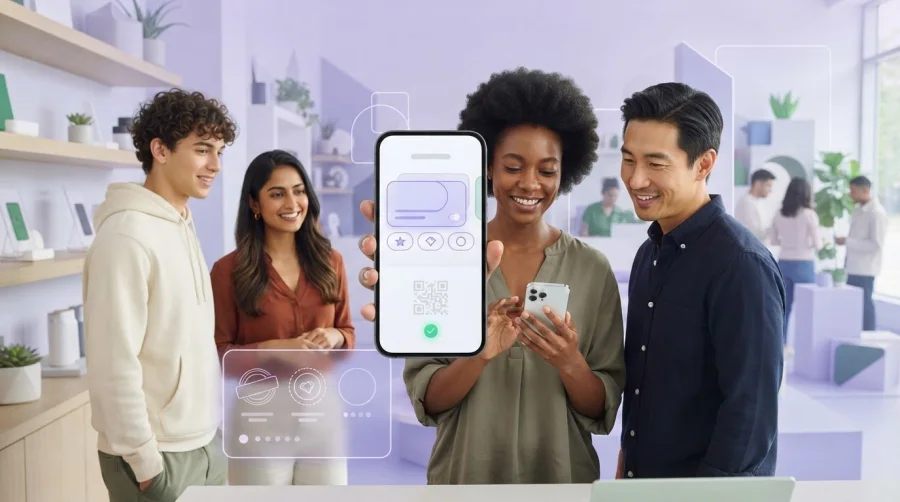
What if your loyalty program could meet customers where they already keep essentials on their phones? Customers can forget a physical card, and another app can feel like one more thing to manage. The digital wallet integration benefits are practical: loyalty rewards in Apple Wallet or Google Wallet can be easier to access and simpler to use on a return visit.
That convenience matters, but wallet integration isn’t a reward strategy on its own. Customers still need a clear reason to earn and redeem. BonusQR connects digital stamp cards and points programs to Apple and Google Wallet, giving businesses a digital option without plastic loyalty cards or specialized POS hardware.
This guide explains how wallet-connected loyalty works and where it can reduce friction for customers and businesses. You’ll compare wallet passes with physical cards and standalone loyalty apps, then use practical criteria to choose an approach that fits your program. You’ll also see how a wallet pass can support repeat engagement, and why a branded app is a separate option rather than a requirement for wallet integration.
Key Takeaways
- Distinguish a loyalty pass from a payment card and see how a pass can present a program in a supported mobile wallet.
- Assess digital wallet integration benefits by looking at how easily customers can carry, find, and present their loyalty credentials.
- Compare wallet passes, physical cards, and standalone loyalty apps to identify the best fit for your customers and operations.
- Use a practical sequence to define customer friction, choose rewards, map enrollment, test the experience, and measure results.
- Learn how BonusQR connects digital stamp cards and points systems with Apple and Google Wallet.
What Do Digital Wallet Integration Benefits Mean for a Loyalty Program?
Loyalty wallet integration connects a business’s rewards program to a supported mobile wallet. Customers save a digital pass that represents their membership or reward progress. This is different from adding a payment card: a loyalty pass gives customers access to program information, but it doesn’t process a purchase. The What is a Digital Wallet? overview offers broader context on the types of credentials digital wallets can hold.
The practical digital wallet integration benefits begin with access. If customers can find and present their loyalty credential with less effort, joining and using the program may feel more straightforward. But integration alone doesn’t make a reward worthwhile. A clear offer and an easy path to earn and redeem still matter. Businesses exploring a wider customer loyalty program can treat the wallet pass as one part of that experience.
How Is a Loyalty Pass Different from a Payment Wallet?
A payment credential is used to pay. A loyalty pass identifies a program member or displays reward-related information, such as a stamp-card or points-program credential. One supported wallet may hold different kinds of passes, but those passes aren’t interchangeable. A payment wallet holds a way to pay; a loyalty pass gives customers a way to access a rewards program.
Apple Wallet and Google Wallet are separate mobile wallet platforms. A business can make a loyalty pass available through either platform when its integration supports it. The setup and customer experience can differ, so explain the steps for your program clearly. Avoid presenting a loyalty pass as a payment method or assuming every customer uses the same wallet.
Where Does Wallet Integration Fit in a Loyalty Journey?
Think of the pass as a convenient way to carry a program credential, not as the whole program. Map the journey from first discovery to reward redemption, and make each step easy to understand:
- Discover: A customer sees the program and its reward offer.
- Join: They follow the program’s enrollment process.
- Save: They add the loyalty pass to a supported mobile wallet.
- Earn: They present the pass according to the program’s process when making an eligible purchase.
- Redeem: They use an available reward as the program explains.
For example, a café could offer a stamp reward and explain when customers should present their pass to collect a stamp. The value comes from making the credential easier to carry and present while keeping the reward rules clear. For a closer look at how passes fit into loyalty programs, explore this digital wallet pass loyalty guide.
How Wallet Integration Can Improve the Customer Loyalty Experience
A loyalty pass can remove small points of friction from using a rewards program. Customers don’t need to remember a separate physical card or search through a wallet or bag. Instead, participating customers can save the pass on a supported device and retrieve it when they need it.
That convenience matters at the moment of interaction. A customer who wants to collect a stamp or redeem an eligible reward can focus on finding the program pass rather than locating a misplaced card. For businesses, a digital option also serves customers who prefer not to carry another item.
Simpler access can make a loyalty experience more convenient, but it can’t guarantee that customers will redeem rewards or return. The offer still needs to be clear, worthwhile, and easy to understand. Wallet integration supports access; it doesn’t replace thoughtful program design or promise a particular business result.
Can a Wallet Pass Make Rewards Easier to Use?
For a customer who already uses a supported mobile wallet, a saved pass may be familiar to retrieve. Picture someone discovering a café’s stamp program, following its enrollment steps, saving the pass, then presenting it when making an eligible purchase. The credential is close at hand instead of sitting in a drawer at home. Explain how customers join and use the pass so they know what to do when they visit.
Convenience depends on reducing effort at more than one point. Consider what the customer needs to do to:
- Find out what the program offers and how to join.
- Save the pass in a wallet they use.
- Locate and present it during a visit.
- Understand how to earn or redeem a reward.
If any step is confusing, a digital pass alone won’t solve the problem. Clear instructions at enrollment and at the point of use help customers understand what to do next. Keep the process direct, and make the reward conditions easy to find.
Does Wallet Integration Replace a Loyalty App?
Not necessarily. A wallet pass provides a way to carry a loyalty credential within a supported wallet. A dedicated loyalty application can offer a separate branded experience. They serve related but different roles, so choose based on the experience your business wants to provide and what customers need to access. A wallet pass may suit a simple credential; a branded app may fit a broader app-based experience.
For help thinking through the wider program beyond its access point, explore this customer loyalty overview. You can also get started with BonusQR to build a digital loyalty program.
What Digital Wallet Integration Can Offer Businesses
A loyalty format affects more than where customers keep their reward details. It shapes how they join, recognize the brand, and present their membership. A wallet pass can reduce reliance on plastic cards and offer a familiar way to access a loyalty credential. A standalone app can create a more distinct branded experience. Neither format guarantees more sales or repeat visits; each is a way to support the reward journey.
The potential digital wallet integration benefits are strongest when the format matches customer habits and the program’s day-to-day needs. Use this comparison to weigh the trade-offs:
Wallet Pass, Physical Card, or Loyalty App: What Changes?
| Format | Customer access | Brand experience | Setup considerations | Operational fit |
|---|---|---|---|---|
| Wallet pass | Saved in a supported mobile wallet and presented from a device. | Program identity appears on a digital pass. | Requires a wallet-compatible pass and a clear process for joining and using it. | Can suit businesses seeking digital loyalty access without relying on plastic cards. |
| Physical card | Carried separately and presented in person. | Branding appears on the card itself. | Cards need to be produced and distributed, and customers must keep them available. | May fit a customer base that prefers a physical credential. |
| Standalone loyalty app | Accessed through a dedicated application on a device. | Can provide a distinct, brand-owned app experience. | Customers need to use the app, so explain its purpose and joining process. | May suit a business seeking a dedicated digital channel for its loyalty experience. |
Each format involves a different customer action: save and present a pass, carry and present a card, or access a dedicated app. Consider what customers already use, how they’ll identify the program, and what your team needs to make enrollment and reward use clear. The right loyalty format is the one that fits customer behavior and supports the business’s goals.
Which Loyalty Mechanics Work with a Wallet-Based Experience?
A wallet pass can support different reward structures, including a stamp card or points program. A stamp card makes progress visible through stamps toward a defined reward. A points system lets customers accumulate points according to the program’s rules. In either case, keep the earning and redemption conditions simple to explain. Customers should understand what action earns progress and what they can use that progress for.
For businesses considering points, a digital points system provides a framework for setting reward rules. Choose mechanics that make sense for your offer, then make the next step obvious to customers. Clear rules help the pass serve its purpose: giving customers a convenient way to access a reward program they understand.
How to Evaluate a Digital Wallet Loyalty Integration
A useful evaluation starts with the customer’s actual obstacle, not the technology. Are people forgetting a card, unsure how to join, or unclear about how rewards work? Define the friction first. Then assess whether a wallet pass addresses it and how you’ll know whether the experience is working. The digital wallet integration benefits are easier to assess when you set practical goals before launch.
What Should a Business Check Before Choosing an Integration?
Review your customers’ likely device and wallet use, your current reward mechanics, and the kind of brand experience you want to create. Then map the full path from invitation to reward use. Look for steps customers may struggle to understand or complete. Keep privacy in view: explain what information the program collects and why, request consent where appropriate, and handle data according to the requirements that apply in your operating region.
- Define the friction. Identify the specific point where customers struggle, such as remembering a credential or understanding how to earn a reward.
- Select a clear reward. Choose a stamp or points structure with rules customers can quickly grasp.
- Map enrollment. Write down what a customer must do to join, save the pass, and present it. Remove avoidable steps where possible.
- Test the journey. Try enrollment and pass presentation on relevant devices and in the wallet environments your integration supports. Check that instructions are clear and staff know how to explain the process.
- Measure and refine. Review available program reporting, then use the results to improve the reward or customer communication.
Separate verified capabilities from assumptions. Don’t promise that a pass will behave the same way across wallets or devices. Test the experience customers will actually use, and make instructions specific to that flow.
How Can a Business Measure Whether It Is Working?
Choose a baseline before introducing the wallet option. Useful measures may include program enrollment, active participation, and reward redemption, depending on the reporting available to your business. Define the period you’ll review and keep the measurement approach consistent. This gives you a clearer comparison than relying on impressions alone.
During the review, account for other changes that could influence results, such as a new promotion, seasonal demand, or a revised reward. If redemption shifts, the wallet experience may be one factor, but the change alone doesn’t prove it caused the result. Use the evidence to ask better questions: Are customers joining? Do they understand the reward? Where do they stop?
Small adjustments can make the journey clearer. Refine the enrollment instructions, reward explanation, or staff guidance, then continue tracking the measures you selected. Apply these evaluation steps to a digital loyalty program with BonusQR by getting started here.
How BonusQR Connects Loyalty Programs with Digital Wallets
Once you’ve compared loyalty formats and identified the customer friction you want to address, BonusQR offers a way to bring a digital program into Apple and Google Wallet. Its loyalty platform connects digital stamp cards and points systems with these mobile wallets, giving businesses an alternative to physical plastic loyalty cards and specialized POS hardware.
The value depends on the fit. A wallet pass makes a loyalty credential available through a supported wallet, while the program’s reward rules give customers a reason to use it. BonusQR’s digital wallet integration benefits are most relevant when your chosen reward mechanic suits your business and the customer steps are clear. The integration is a way to present loyalty, not a promise of increased visits or redemptions.
Which BonusQR Loyalty Options Use Wallet Integration?
BonusQR’s digital stamp card suits a program built around collecting stamps toward a reward. Its points system offers another way to structure rewards. Both integrate with Apple and Google Wallet, so you can choose the mechanic that customers can understand and that aligns with your program goals.
- Digital stamp card: A fit for a reward structure based on collecting stamps.
- Points system: A fit for a program that awards points according to its reward rules.
Keep the customer-facing explanation direct: what earns progress, what reward is available, and how to use it. BonusQR also offers custom white-label app development for businesses seeking a branded loyalty app experience. That is a separate option, not a requirement for connecting a loyalty program with a wallet.
How Can a Business Explore a Wallet-Connected Loyalty Program?
Start with the evaluation criteria from the previous section. Identify the customer friction, choose between stamps and points, and outline how customers will join and access their loyalty credential. Then make sure the reward rules and customer instructions match the experience you want to offer. A loyalty application selection guide can help you think through the broader choice of loyalty approach.
If wallet access and your selected reward mechanic align with your goals, start setting up your loyalty program. A clear program structure gives customers a useful reason to save and present their loyalty pass.
Make Your Next Loyalty Step Easier to Measure
A wallet-connected program works best when it solves a real customer problem and gives people a clear reason to take part. Start with one practical question: what would make joining or using your rewards program easier? Use the answer to shape a simple first version, then pay attention to where customers engage and where they need clearer guidance.
The value of digital wallet integration benefits isn’t the technology alone. It’s the opportunity to make loyalty feel more accessible while keeping the reward experience easy to understand. Choose an approach that fits how your customers behave today, and leave room to adjust as you learn from the program.
BonusQR brings wallet-connected loyalty into a digital platform, with white-label app development for businesses seeking a distinct branded experience. When you’re ready to turn your chosen reward idea into a digital program, start building your digital loyalty program.
Choose a clear goal and a reward customers can understand, then start building your loyalty program with BonusQR.
Frequently Asked Questions
Is a digital wallet loyalty pass the same as Apple Pay or Google Pay?
No. Apple Pay and Google Pay are used for payments, while a loyalty pass represents a customer’s membership or rewards in a supported wallet. A customer might use a payment method to complete a purchase and present a loyalty pass separately to access program benefits. Keeping these roles distinct helps staff explain what each credential does and avoids implying that a loyalty pass itself pays for purchases.
Can customers use a loyalty card through Apple Wallet or Google Wallet?
Yes, if the loyalty program offers a pass compatible with the customer’s wallet. The customer follows the program’s instructions to save the pass, then presents it as directed during an eligible interaction. Businesses should clearly state which wallet options their program supports and what customers need to do before visiting or making a purchase.
Do customers need to download a separate app to use a wallet loyalty card?
Not necessarily. A wallet-compatible pass may be accessible without installing a separate loyalty app, depending on how the business provides its program. Explain the steps before customers join: where they start, how they save the pass, and how they access it later. Set expectations that match the actual customer experience.
How does digital wallet integration benefit a small business?
The digital wallet integration benefits for a small business can include offering customers a digital way to carry and present a loyalty credential, without relying on physical cards. This can make the program easier to introduce at checkout or during service. It doesn’t guarantee more visits or sales, so assess whether customers use the pass and understand the reward before drawing conclusions about its value.
Is a digital wallet loyalty program more secure than a physical card?
Not automatically. A physical card and a digital pass involve different risks, and a pass’s security depends on the wallet, device settings, program design, and information collected. Don’t assume digital means risk-free or make security promises without evidence. Keep the program’s data collection focused, explain how customer information is used, and follow the privacy and data-handling requirements that apply to your business.
Can a business use wallet loyalty passes without specialized POS hardware?
Yes. BonusQR’s digital loyalty platform supports wallet-connected loyalty without specialized POS hardware. A loyalty pass isn’t a payment terminal, though, so businesses still need a clear process for handling purchases and applying program rewards. Plan how staff will recognize eligible activity using the program’s workflow, and test those steps where customers will use the pass.
Which is better for loyalty: a wallet pass or a branded loyalty app?
Neither is best for every business. A wallet pass offers a direct way to carry a loyalty credential, while a branded app creates a separate, brand-focused experience. Consider what customers need to access and how much of the loyalty experience you want to present through an app. BonusQR offers both wallet integration and custom white-label app development as distinct approaches to digital loyalty.