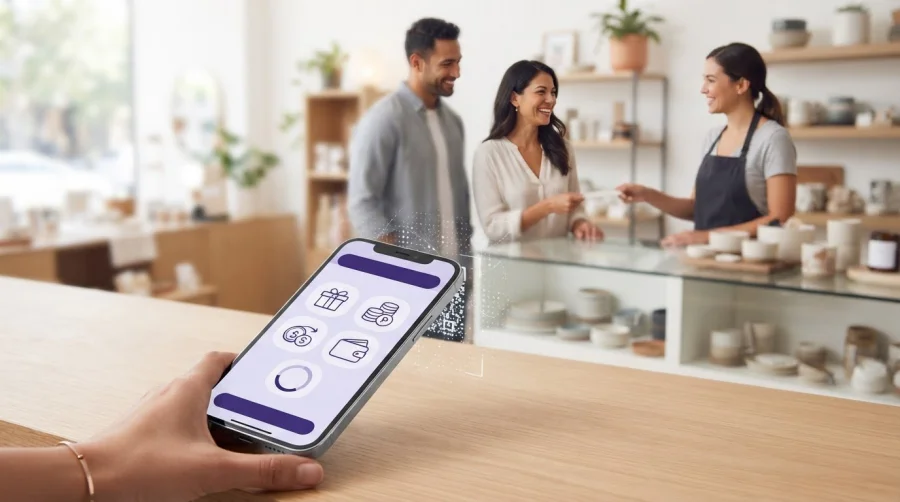
The best reward is one a customer wants to use. A loyalty program encourages repeat purchases by offering points, cashback, discounts, or personalized rewards. The branded loyalty app benefits come from making those rewards easy to understand and relevant to what customers value.
Rewards can do more than reduce the price of one purchase. A well-planned program gives customers a reason to return and helps a business learn which offers resonate. This article explains how points, cashback, discounts, and personalization can make rewards more useful. It also covers how to assess repeat purchases and customer value, so you can decide what a loyalty app could contribute to your business.
Key Takeaways
- Understand how rewarding repeat purchases can help build customer value over time.
- See why clear earning and redemption rules make a loyalty program easier for customers to use.
- Learn how customer feedback and purchase patterns can guide program improvements and communications.
- Explore how relevant rewards can make repeat buyers feel recognized and encourage them to return.
- Compare points, cashback, and discounts to see how each can create savings on future purchases.
Repeat purchases and customer lifetime value
Repeat purchases create value beyond a single sale: each return gives a business another opportunity to serve a customer and strengthen the relationship. Loyalty programs encourage that behavior with rewards customers can earn and use.
Customer Retention and Repeat Purchases
Customer retention means keeping existing customers engaged so they continue purchasing from a business. It matters because a returning customer already knows the business, making each repeat purchase an opportunity to build lasting customer value. Deloitte research reports that 70% of consumers spend more and engage more frequently with brands whose loyalty programs they belong to.
Track repeat behavior, not just sign-ups. Compare how often members purchased before and after joining, then note whether they return for the same product or try something new. This helps distinguish a program that attracts registrations from one that gives people a reason to come back. It also helps businesses focus retention efforts on customers whose purchase patterns suggest an opportunity for stronger engagement.
Customer lifetime value reflects the value a customer brings over their relationship with a business, rather than from one transaction. Review purchase frequency alongside the products or services customers choose. For example, a café might see that a customer returns for coffee but rarely tries lunch. A targeted lunch offer can encourage a different purchase and help the business assess whether the relationship is growing.
Mobile communications can make rewards easier to notice between visits. A simple sequence is to show members their progress, explain the next reward, then send a relevant update when they are close to earning it. Keep each message focused on one action. Clear progress helps customers understand why another purchase matters, without having to work through a complicated promotion.
Preference-Informed Offers
Preference-based offers use customer purchase behavior and stated interests to make rewards more relevant. A business can group customers by choices, such as visit frequency or favorite product categories, then match an offer to each pattern. A reward tied to someone’s interests gives them a clearer reason to engage than a generic discount sent to everyone.
Use purchase data to make the offer specific. If a customer regularly buys a particular item, a related reward may feel more useful than a promotion for something they never choose. Review which offers lead to redemptions and repeat visits, then adjust the next message. For a small business loyalty program, this can help keep communications focused on actual customer behavior.
Relevant rewards can help a business stand out when customers have several programs to choose from. Make the difference easy to see: explain what earns a reward, what it provides, and how to redeem it. Customers comparing programs can then judge their practical value, not just the size of a headline offer. Clear, preference-led communication gives each interaction a purpose.
What are the Loyalty Card Advantages and Benefits?
Compared with third-party platforms or plastic cards, a branded app can bring a business’s identity and rewards into one digital experience. Useful features include a clear reward balance, progress display, reward details, and redemption instructions.
Set clear rules for earning and redeeming rewards. For a business using POS, ecommerce, or CRM integrations, define which transaction and customer information each system needs to share.
Simple Rewards and Clear Rules
A simple loyalty program explains which actions earn rewards, what those rewards are worth, and how to redeem them. Clear rules help customers decide whether an offer suits their shopping habits before they make a purchase.
For example, say whether a discount applies to a specific product or the next eligible purchase. Show limits beside the offer, not in a hard-to-find policy. Customers should quickly understand how to earn, what they’ll receive, and how to use it. That transparency supports loyalty without making spending feel like guesswork.
Points, Tiers, and Non-Purchase Rewards
Points give customers a visible way to build toward a reward, while tiers recognize ongoing engagement with different benefits. Where they fit the program’s goals, non-purchase rewards can recognize actions such as sharing feedback or referring a friend.
Choose mechanisms that customers can explain easily. A neighborhood bookstore, for example, could offer points for purchases and a separate thank-you reward for a useful review. Tiers can distinguish occasional shoppers from frequent visitors, but each level needs a clear benefit. Otherwise, customers may not see a reason to remain active. Explore how a customer loyalty program can structure rewards around those goals.
Gamification and Instant Rewards
Gamification adds progress cues or challenges to routine program activity. Instant rewards deliver a benefit soon after a qualifying action. Both can make participation more engaging when the rules are clear.
A grocery shop might invite members to try a featured category and show their challenge progress. A café could offer an immediate perk after a qualifying visit. These examples give customers a visible next step instead of an unclear promise of future value. Keep challenges achievable and explain eligibility before customers take part.
Shopping lists can connect planned purchases with relevant rewards. A customer making a list of baking supplies, for instance, may appreciate an offer tied to ingredients on that list. Avoid making a reward depend on a long sequence of unrelated actions. The clearer the connection between shopping, progress, and reward, the easier the program is to understand.
If you use POS, ecommerce, or CRM integrations, define the transaction and customer records each system needs to share. A POS transaction could record an eligible in-store purchase, ecommerce could recognize an online order, and CRM could use permitted customer preferences to organize communications. Decide how each system identifies members, records qualifying activity, and updates rewards. Test a sample purchase and redemption across channels before relying on the workflow.
What is a Customer Loyalty Program?
A customer loyalty program gives members incentives to keep engaging with a business, often through rewards linked to purchases or other actions. A local retailer, for example, can use a digital platform to recognize returning customers, share relevant updates, and learn which program features encourage participation.
Choose a program to support a business goal, such as increasing repeat visits, introducing a product, or improving retention. Then decide which member actions matter and how to measure them. A café might track return visits after a promotion, while an online store could review repeat orders. Comparing engagement before and after a campaign helps show whether its message reached members and prompted action.
Member communications give a program a purpose between purchases. A bookstore could notify a member when a reward is ready, while a grocery store might highlight a seasonal offer. Tie each message to a clear member benefit. Review opens, redemptions, and later purchases together, rather than treating a message click as proof of stronger retention.
Continuous improvement turns results into practical changes. If members view an offer but rarely redeem it, examine its timing, relevance, and redemption process. Test a revised message or reward, then compare results with the earlier campaign. Use customer feedback alongside platform activity, since a short survey may reveal friction that purchase records alone cannot explain.
Convenience stores and fuel-station businesses can connect loyalty engagement with more than one visit type. A fuel customer, for instance, may also shop inside the store, so a program can help the operator assess which offers support both activities. 7-Eleven operated franchises and licensed 84,500 stores in 19 countries and territories as of January 2024. That scale illustrates the breadth of the convenience-store sector, not a result guaranteed by loyalty programs.
Revenue growth is a possible outcome, but measurement should separate program activity from broader business changes. Modanisa experienced a 4x increase in revenue and a 2x increase in average customer spend in the first year after launching its loyalty program. Treat this as a named example, not a forecast. For your own business, compare member purchases, return behavior, and campaign timing before drawing conclusions.
US loyalty apps can create privacy and security risks through unnecessary collection of customer or purchase data, unauthorized access, unclear data-use disclosures, and poor retention practices. Limit access, explain how information is used, and manage customer data in line with applicable privacy requirements.
Personalized experiences for repeat buyers
Personalized experiences use customer preferences and actions to make a rewards program more relevant. Customers who receive personalized experiences are 60% more likely to become repeat buyers.
Personalized Offers and Digital Coupons
A personalized offer matches a reward or digital coupon to a customer’s interests or purchase history. A neighborhood bakery, for example, might offer a pastry coupon to someone who regularly buys bread, rather than sending every customer the same deal.
Match the coupon to a clear next action. A bookstore could offer a discount on a related genre after a customer buys a mystery novel. Keep the conditions easy to understand and make the offer available when the customer can use it. A relevant coupon gives customers a practical reason to return without relying on a broad promotion.
Compare redemptions and repeat purchases across different offers. If a coffee shop sends one coupon for a seasonal drink and another for a familiar favorite, it can see which brings customers back. That comparison helps shape future rewards around actual customer choices, not assumptions.
Gamification and Personalization
Personalized gamification adapts challenges or progress prompts to actions a customer already takes. A plant shop, for example, could invite frequent buyers to explore a new category while giving occasional shoppers a simple visit-based challenge.
Keep the goal connected to customer interests. A challenge tied to gardening supplies may suit a plant shop’s regular customers better than a generic activity. Clear progress cues show what action comes next, while a reward gives the challenge a purpose. Avoid adding steps that make participation harder than the purchase itself.
A traditional rewards program may offer the same incentive to every member. Personalized challenges can reflect different shopping patterns, such as café visits or purchases from a particular product category. Review participation and reward use to see whether each challenge encourages meaningful engagement.
Personalized Promotions
Personalized promotions use customer preferences to decide which message or offer to share. A clothing store might promote accessories to customers who often buy outfits, while highlighting new arrivals to shoppers who browse seasonal collections.
Timing matters too. A pet supply store could send a relevant reminder based on a customer’s earlier purchases, rather than repeating a weekly discount to every member. Make each message specific, useful, and easy to act on. Customers are 64% more likely to spend more with a brand that remembers them and prioritizes personalized touchpoints through a loyalty program.
Review promotion results by customer group. For example, compare whether new members respond to introductory rewards differently from regular buyers receiving product-specific offers. Use those observations to refine the next campaign, then monitor repeat purchases. This keeps personalization grounded in customer actions and helps rewards stay relevant as preferences change.
Consumer savings from points, cashback, and discounts
Points, cashback, and discounts reduce the cost of future purchases in different ways. A customer earning points at a bookstore may redeem them against a later purchase. Cashback adds credit to a customer’s account, while a discount lowers the price of an eligible purchase immediately. The best fit depends on when customers want to save and how clearly they understand the reward.
Points can make ongoing spending feel valuable when customers can see their balance and know what it unlocks. A grocery store might let members collect points through purchases, then redeem them for a discount on a later shop. Explain conversion and redemption rules plainly. If customers can’t tell what their points are worth, the reward may feel distant instead of useful.
Cashback offers provide a direct, easy-to-recognize benefit. A salon could return part of an eligible purchase as credit toward a future service. Customers can see how one visit contributes to another, while the business encourages another booking. State where the credit applies and how to use it. Clear terms make the incentive easier to compare with other rewards.
Discounts create savings at the moment of purchase. A café might offer a member discount on a featured drink, while a clothing store could apply a promotion to a selected category. Exclusive offers give members a reason to engage without making every purchase part of a complicated points calculation. Keep eligibility visible so customers know which items qualify before they shop.
A reward has value when it matches something a customer already plans to buy. A pet supply store might make points redeemable on regular essentials, while a garden shop could offer a discount on seasonal products. Businesses can use redemption patterns to see which incentives customers choose. Those insights can guide future offers and help retain customers with rewards they actually use.
Build the program around a straightforward customer benefit, then compare how points, cashback, and discounts perform. A bakery could test a points reward for frequent purchases against an immediate discount on a featured product. Review redemptions alongside return visits to see whether the incentive creates ongoing engagement or only a one-time transaction. Adjust the reward if customer behavior suggests another format would be more valuable.
Ready to shape a rewards approach around customer savings? Start building your loyalty program with rewards customers can understand and use.
BonusQR: Loyalty application
BonusQR offers a loyalty application and platform for businesses building digital rewards programs. Its loyalty software includes Digital Stamp Cards, which can give customers a clear way to track progress toward a reward. This option suits businesses that want to encourage repeat visits with a simple stamp-based structure. For programs centered on accumulating points, consider how a different reward format may better match customer behavior and redemption goals.
Use these ideas to define the rewards, rules, and customer experience your business wants to create. Then explore how a digital loyalty program can bring those choices together for your customers.
Visit bonusqr.com to explore BonusQR’s loyalty application.
Make your next loyalty move count
Choose a customer behavior you want to encourage, then build your program around that goal. A clear focus helps you decide which rewards to offer, what to communicate, and how to judge whether the program is useful. The branded loyalty app benefits become clearer when you connect each feature to a real business need.
BonusQR offers a loyalty application, platform, and software for businesses creating digital reward programs. Its digital stamp cards and points systems integrate with Google and Apple Wallet. A white-label app can bring your brand into the loyalty experience, without physical cards or POS hardware.
Use your chosen goal to guide the next step. Explore BonusQR’s loyalty options and start planning a rewards experience that fits your business. A thoughtful program can give customers a useful reason to return, while helping your business build stronger relationships over time.
Frequently Asked Questions
What is mobile loyalty?
Mobile loyalty is a rewards program customers access through a phone, such as an app or digital card stored in a phone wallet. They can view membership details, track rewards, or present a digital identifier during a purchase. For example, a customer could open a digital card before checkout instead of searching for a paper card. Mobile channels can also make program updates accessible.
What are the benefits of a branded loyalty app for businesses?
A branded loyalty app gives a business a dedicated digital place to present its rewards experience. The benefits depend on how well the experience supports business goals and makes participation clear. For example, a salon could highlight membership benefits alongside appointment-related messages. An app can bring program details and brand identity together in one customer-facing experience.
How do branded loyalty apps improve customer retention and repeat purchases?
Loyalty apps can support retention by reminding members about relevant rewards and giving them a reason to return. A gym, for example, might reach out to members who have not visited recently with an invitation tied to an available class or membership benefit. Reviewing later visits helps assess whether the message prompted renewed activity. Keep messages relevant and useful, so customers see value rather than repeated promotional reminders.
How do loyalty apps increase average order value and customer lifetime value?
A loyalty app can encourage customers to consider related products or rewards tied to a higher-value purchase. A home goods shop, for example, could feature a matching accessory alongside a product a member regularly buys. Average order value measures spending per transaction, while customer lifetime value considers value across the customer relationship. Compare both measures among program members over time to understand whether purchasing patterns are changing.
How can businesses measure the ROI of a branded loyalty app?
Measure ROI by comparing the program’s financial contribution with its operating costs over the same period. To evaluate branded loyalty app benefits, track member purchases, redemptions, repeat visits, and average order value against a suitable baseline. Include program expenses, and separate loyalty-related changes from seasonal shifts or other promotions. Regular reviews help reveal which rewards and communications contribute most to business results.


