Ways eCommerce Brands Can Reward Customers Beyond Discounts
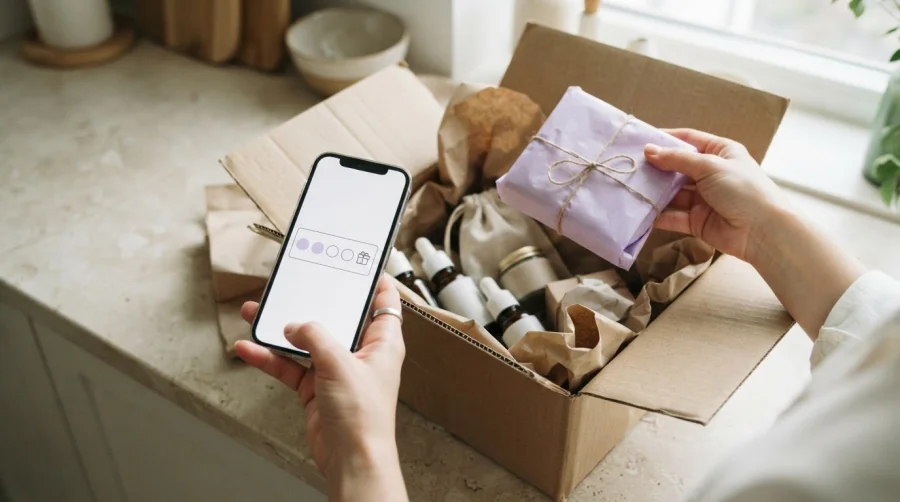
Discounts aren’t the only way to reward customers, and they’re not right for every brand. The strongest alternatives to discount-based rewards reflect what customers value: points can build toward a future benefit, while gifts, experiences, cashback, perks, memberships, recognition, and community activities offer other reasons to stay loyal.
It makes sense to look beyond price cuts. Discounts can prompt a purchase, but rewards that feel useful, personal, or exclusive can encourage customers to return without making savings the whole relationship.
This article explains how each approach works, what makes it appealing, and where it might suit an eCommerce brand. Compare the experiences and management involved, then choose a reward strategy that fits your customers and business goals.
Key Takeaways
- Choose rewards that reflect what your customers value, not just what lowers the price of an order.
- Use free gifts and exclusive experiences to make a purchase feel more memorable and personal.
- Compare points, cashback, perks, and memberships by how customers earn, understand, and redeem each reward.
- Build recognition and community into your program to reward participation as well as purchases.
- Match the reward structure to your business goals and the effort it takes to manage it.
1. Effects of discounts on price perception and customer habits
A discount can prompt a first order, but frequent price cuts may teach shoppers to wait for the next offer. For example, a 15% email sign-up discount makes the reduced price an early reference point. A quantity deal, such as buying three lip balms to save 20%, can also encourage customers to buy more at once. The trade-off is that shoppers may focus on the deal instead of product quality, service, or brand loyalty.
To build longer-term relationships, reward behavior that creates a reason to return, not only the size of an order. A skincare store could recognize a repeat purchase with a free gift that complements the customer’s last order. Another brand might offer early access to a new product version. These rewards connect appreciation to the customer’s history and give the next interaction meaning beyond a lower checkout price. A clear customer loyalty approach can help make those interactions feel consistent.
Group customers by observable actions and preferences, then match rewards to each group. First-time buyers might value a useful starter gift, while repeat shoppers could prefer an early look at new products. Customers who browse without ordering may respond to a different message than those who regularly buy replenishable items. Set a clear rule for each group, such as sending a product-care tip after a purchase and a relevant reward after a repeat order.
Customization can make a reward feel thoughtful without relying on a large price reduction. A clothing brand might include gift packaging for someone buying a present, while a coffee business could tailor a message to a shopper’s preferred roast. Use the selected product, purchase occasion, or stated preference to shape the offer and message. Make the terms easy to understand: explain what the customer receives, when it applies, and what they need to do to claim it.
Replacing discounts can backfire if the new reward feels less valuable, takes too long to earn, or misses what customers want. Complicated points rules or irrelevant gifts can frustrate shoppers more than a straightforward discount. Test one change at a time, compare responses across customer groups, and explain the redemption steps before launch.
Customer feedback helps identify which rewards deserve a place in the program. Ask a focused question after delivery, such as whether shoppers prefer useful gifts, exclusive product access, or points toward a future reward. Review responses alongside repeat-purchase patterns, then adjust the next program version. This turns customer preferences into practical decisions and helps protect profit while giving loyalty a reason to grow beyond discount-driven habits.
2. Free gifts as alternatives to welcome discounts
A useful welcome gift can introduce a product without lowering the main order’s price. A skincare shop might include a travel-sized cleanser, while a cookware brand could add a small utensil that demonstrates its product quality. Choose something that complements the purchase, not leftover stock with little connection to it. The gift should feel relevant when the customer opens the package.
Free shipping can also serve as an immediate, practical reward. For example, a store could offer free shipping on orders over $50, giving customers a clear threshold to understand. Set the minimum with the order value and shipping expense in mind. If the threshold sits well above a shopper’s usual basket, the perk may feel out of reach rather than motivating.
Samples and gifts with purchase work best when the offer is easy to redeem. Show the gift beside eligible products, explain whether it applies automatically, and state any order requirement before checkout. A beauty brand might let shoppers choose one sample from several options; a food business could pair a sample with a related product. That choice adds a personal touch and can introduce a future favorite.
Free and paid plugin features can support different reward experiences, but the reward rules matter more than the tool. A basic setup might show a gift offer and apply it at checkout. A more advanced setup could connect customer activity with tailored offers or referral rewards. Keep the steps simple: show what qualifies, how to claim the benefit, and when it appears. Add a paid feature only when it solves a clear task, such as reducing manual order review.
Shipping perks need clear terms, too. A store could offer free shipping above a spending threshold to encourage larger orders, or discounted shipping as a benefit for returning customers. Explain plainly which destinations and products qualify. Customers should see the shipping benefit before placing an order, not discover an exception after checkout. Clear rules build trust and reduce avoidable support questions.
To assess return on investment, compare the reward’s fulfillment and shipping costs with the additional orders and repeat purchases associated with it. Track redemptions, average order value, and later purchases among customers who received the gift, then compare the results with a similar period or group that did not. This helps show whether the reward creates enough value to justify its cost.
Start with one gift or shipping perk, then review customer response before expanding the offer. A simple reward program setup can help organize offers customers can redeem without making checkout harder.
3. What are experience rewards?
Experience rewards offer access, convenience, or participation instead of a lower checkout price. An online brand might invite loyal shoppers to a virtual product demonstration, let them vote on an upcoming design, or give them early access to a limited-edition release. These rewards work best when the experience connects to products customers already buy. A book retailer, for example, could offer a live conversation with an author whose work appears in a customer’s purchase history.
Limited-edition products can make loyalty feel exclusive without discounting a regular item. A skincare business could let returning customers reserve a small-batch scent before its public launch. Explain who qualifies, how to claim the product, and when the reservation closes. Keep the offer aligned with available stock to avoid overpromising and protect margins, while making access itself feel valuable.
Personalized recommendations can turn purchase history into a more relevant reward. After someone buys a camera, a store might offer early access to compatible accessories or a tailored guide to using it. Use clear signals, such as the purchased category or stated preferences, rather than sending every shopper the same offer. A useful recommendation saves browsing time; an unrelated one can feel like another sales message.
Priority and early access create a simple benefit customers can understand. For example, loyalty members could see a new product 48 hours before general availability. A separate VIP perk could open a holiday sale 24 hours before other shoppers. Set the access window, eligible audience, and redemption steps in advance. Then communicate the details through a direct message or account notification, so customers know exactly when and where to shop.
Product rewards can complement these experiences. A complimentary travel-sized cleanser with orders over $50 is one example of a gift-with-purchase offer; a brand could also pair a sample with a related full-size product. Unlike an event invitation, a product reward is tangible and can introduce shoppers to something new. Choose items that fit the customer’s purchases and operational capacity. Compare redemption and repeat-order behavior with fulfillment effort to see whether the reward earns its place in the program.
Test an experience reward with a defined customer group. Track sign-ups, attendance or redemptions, subsequent purchases, and feedback. If shoppers value early access but ignore a live session, make the next version a product preview. This creates a practical learning loop: offer something distinct, observe responses, and refine the experience without making discounts the only reason to return.
4. Points, cashback, perks, and paid memberships compared
A points-based loyalty program gives members a balance they can redeem for a defined reward. For example, a shopper spending $50 might earn a 10% reward worth $5 toward a future purchase. Make the earning rate and redemption value easy to understand. If customers need 10,000 points before seeing a worthwhile reward, progress may feel distant. A clear points system shows how purchases translate into benefits.
Cashback offers direct value, usually as money or account credit for a later order. State whether customers receive a balance to spend with your brand or cash they can withdraw. Perks work differently: free returns, priority support, or access to exclusive product drops can reward members without a points balance. Choose benefits customers will use, not perks that sound impressive but rarely suit their shopping habits.
Consistent conversion rules protect trust. If a store changes its points rules, keep the relationship between earning and redemption stable so existing balances retain their value. For example, if customers earn points per dollar spent and redeem them for store credit, explain both sides of the exchange. Show the value before shoppers join and in their account balance. Clear rules reduce confusion at redemption.
Bonus-points promotions can create focused reasons to shop. A brand might offer 2x or 3x points on a selected category, a new launch, or a slower sales period. Set a start and end date, identify eligible products, and display the multiplier before checkout. This adds urgency without changing the base price of every item. Track which promotion brings purchases from members who otherwise shop less often.
Paid memberships charge a recurring fee in exchange for benefits such as shipping privileges or member-only access. They suit brands with frequent purchases and benefits customers can easily understand. A hybrid model can pair free points for all members with VIP perks for customers who meet a stated activity threshold. Keep the distinction simple, so shoppers can see what each level offers and how to qualify.
The right format depends on the product. A consumables brand with repeat orders may find points useful because customers have regular chances to earn and redeem them. A brand with infrequent, considered purchases may get more value from guidance, service access, or launch previews. Calculate expected costs, including the reward, fulfillment, administration, and redemption behavior. Non-discount rewards have no single fixed cost: it depends on the benefit, how often members claim it, and the work involved in delivering it.
5. Personalized recognition and community rewards
Non-monetary rewards can strengthen loyalty when they recognize customers’ interests, milestones, or participation. Try birthday messages, anniversary recognition, badges, priority access, or invitations to a brand community. These benefits help shoppers feel seen, rather than making every interaction feel like a transaction.
A birthday reward works best when it feels personal and is easy to use. A pet-supply store, for example, could send a birthday note with a care tip tailored to the customer’s past purchases. An anniversary message could recognize how long someone has been a member. Make the reward and redemption steps clear, so the gesture feels thoughtful rather than like another task.
Experience rewards add participation to the relationship. A cooking brand could invite members to a virtual recipe session, while an outdoor retailer might host a product-care workshop. Recognition can also be non-material: badges can mark helpful contributions, and leaderboards can celebrate participation. Give each activity a clear purpose, such as sharing knowledge or helping customers connect around a common interest.
Plan capacity before promoting an experience. A program could initially reserve about one to two percent of active members per month for experience rewards. For 2,000 active members, that means planning approximately 20 to 40 spots monthly. If an event has limited seats, explain how members qualify and how invitations are allocated. Clear limits help set expectations and keep the experience manageable.
VIP and insider communities can reward customers with access and recognition instead of discounts. For example, members might preview a product design, vote on a future color, or join a private discussion with the brand team. Give the group a useful role, not just an exclusive label. A monthly feedback session can let active shoppers shape product choices and see how their input informed a decision.
Keep entry criteria transparent. A brand could invite customers after repeat participation, helpful community contributions, or a clear purchase milestone. Explain what members earn, what benefits they receive, and whether their status continues over time. Avoid basing recognition only on spending; participation-based routes give engaged shoppers another way to contribute.
Start with one recognition idea and review customer responses. Track invitations accepted, event attendance, community contributions, and later engagement. Ask participants what they valued and what they would change. If a birthday message gets attention but a leaderboard sees little activity, adapt the next version to customer preferences.
Build a recognition program that gives customers a clear way to participate and feel appreciated. Create a loyalty program that supports meaningful rewards and customer engagement.
BonusQR
BonusQR helps eCommerce brands put customer rewards into practice with a loyalty platform and software. Use a digital loyalty program to organize points or a Digital Stamp Card, then shape the reward around what customers value, from repeat-purchase recognition to milestone benefits. This is a practical next step when you’re ready to move beyond one-off discounts and manage rewards consistently. The right format depends on the actions you want to encourage and the benefits your customers will use. Start with a clear reward rule and a simple customer experience, then refine the program as you learn what resonates. To discuss how BonusQR can support your loyalty strategy, contact BonusQR.
Make your next reward a deliberate choice
Choose one customer behavior you want to encourage, then build a reward around it. You might focus on a second purchase, product feedback, or community participation. Define what customers need to do, how they receive recognition, and what you’ll measure. A focused test can reveal which benefits feel worthwhile to your audience and fit your operations. Use what you learn to refine the reward before expanding it. This is a practical way to put alternatives to discount-based rewards into action without making every offer permanent.
BonusQR offers a loyalty application, loyalty platform, and loyalty software to help businesses organize customer reward programs. If you’re ready to plan a program that fits your brand and customers, contact BonusQR to explore rewards. Start with a clear goal, learn from your customers’ response, and build a reward experience that gives them a reason to stay connected.
Frequently Asked Questions
What Alternative to Loyalty Points Works Best for eCommerce Brands?
The best fit depends on what customers value and how often they buy. A home décor brand with occasional purchases might reward product reviews with styling advice or design consultations. A subscription business could offer flexible delivery or early access to new formats. Choose a benefit that fits the buying cycle, then monitor participation and feedback to see whether it gives shoppers a reason to stay engaged.
What are experience rewards?
Experience rewards give customers access to an activity, service, or interaction instead of a price reduction. A musical instrument retailer, for example, could invite customers to an online workshop with a working musician. A specialty food shop might offer a guided tasting. Define who can participate, how invitations are delivered, and what the experience includes. Clear expectations help customers understand the reward before committing their time.
What are the alternatives to discounts?
Options include practical services, useful content, special access, customer recognition, and opportunities to contribute. An electronics store could offer setup guidance with a purchase, while a stationery brand might let customers vote on future designs. A service benefit can add value without putting another product in the order. Match the reward to customer needs and explain its value plainly.
What are the best alternatives to discount-based rewards programs?
The strongest alternatives to discount-based rewards programs are easy to understand, relevant to the brand, and simple to claim. A children’s clothing shop might offer a personalized size guide, while a coffee equipment store could share brewing tutorials for products customers own. These ideas provide useful value without relying on lower prices. Test one benefit with a defined audience, then use engagement and customer feedback to improve it.
How do points-based loyalty rewards compare with discounts?
Points build progress toward a later benefit; a discount lowers the price of a current or future order. Points give a brand more ways to reward actions, such as writing a review or completing a profile. Discounts are more immediately familiar to shoppers. With either format, show customers what they earn and how to use it before asking them to participate.
How do experiential rewards work in loyalty programs?
Define the experience, set eligibility, and invite selected members to take part. A gardening retailer, for example, could host a live question-and-answer session about seasonal plant care. The program can recognize participation through attendance or another clear action. Include practical details with the invitation, such as the session format and what customers can expect, then gather feedback to guide future events.
What are examples of tiered loyalty rewards without discounts?
A brand could create participation-based levels, each with a different non-price benefit. Members might progress from access to care guides, to product previews, to invitations to a private community event. Make the qualifying actions visible and keep each level distinct. Customers should understand what they can earn next without calculating complicated rules.
How can a business choose the right loyalty rewards for its customers?
Start with customer behavior and your business goal. If shoppers often need help choosing, offer expert guidance; if they value being involved, invite feedback on product decisions. Review customer comments, purchase patterns, and reward participation together. Pilot one benefit, explain its rules clearly, and assess whether customers use it and whether it supports the intended behavior. Refine the offer before expanding it.


