Rewards program for a vape shop: compare perks, tiers and savings
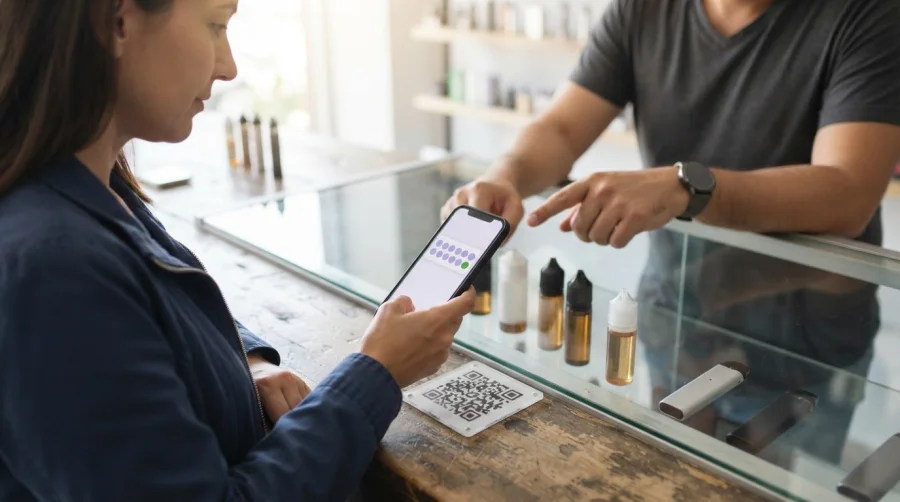
The best loyalty offer starts with the rules where you sell. For a rewards program for a vape shop, check the applicable age-verification threshold first: it may be 18+, 19+, or 21+, depending on the region. A single program shouldn’t assume the same threshold applies everywhere.
Once local requirements are clear, decide how customers will earn and use rewards. Points, visit-based perks, targeted promotions, VIP tiers, and digital or paper loyalty cards each encourage repeat visits in different ways. Choose a format that fits your shop’s goals and is easy for customers to understand and redeem.
This guide compares the options and explains what to consider before launching. Learn how digital cards can replace paper tracking, how targeted offers and tiers can shape a program, and which local rules to review before inviting customers to join. The aim is a program that customers can understand and your team can manage.
Key Takeaways
- Before launch, align age checks and program terms with the rules that apply in each region.
- Choose a reward format customers can quickly understand, then make the earning and redemption steps clear.
- Use customer segments to shape relevant promotions, and track which offers lead to repeat visits.
- Set VIP tiers around distinct, easy-to-explain benefits so members can see what they’re working toward.
- Compare digital wallet cards with paper cards to find a simpler way to keep loyalty information accessible.
1. Are vape loyalty programs legal in all regions?
Vape loyalty programs aren’t automatically lawful under one shared regional rule. The applicable age-verification threshold may be 18+, 19+, or 21+, depending on the region. Before launch, map the locations served to their relevant age requirements. Then make sure enrollment and reward redemption don’t bypass the shop’s age checks.
Which rewards program or app is best for a small vape shop? Choose a straightforward loyalty platform that supports your preferred reward and fits your checkout routine. A neighborhood shop, for example, might begin with a digital stamp card instead of complex tiers or frequent campaigns.
What should vape shops consider before offering customer rewards? Review local age requirements, promotion restrictions, customer data handling, and whether an offer could encourage purchases in ways that conflict with local rules. Clear program terms and consistent staff procedures help avoid confusion.
POS integration can make earning and redeeming rewards part of checkout. Staff might apply a customer’s points during payment instead of recording the purchase in a separate tracker. Before setup, map the steps: identify the customer, record an eligible transaction, update their balance, and apply a reward when requested. Test each step with a sample transaction before enrollment opens.
Implementation needs a short staff routine. Train employees to explain how enrollment works, where customers see their balance, and which purchases qualify. Use one consistent explanation at checkout, then show staff how to handle a forgotten account or a reward redemption. A clear loyalty program structure also helps keep the rules easy to communicate.
Digital loyalty programs let customers access rewards without carrying a paper card. A shop can offer a digital card or points account, then share promotions through channels permitted in its region. Keep messages focused on program benefits, and don’t send campaigns to customers who haven’t agreed to receive them.
Analytics show whether the program supports repeat business. Track sign-up rate, reward redemption, repeat visit frequency, average basket size, and customer lifetime value. Compare these measures before and after a campaign, rather than judging performance by enrollment alone. An often-cited estimate puts annual revenue up to 56% higher for retailers with effective loyalty programs, but a shop’s own results depend on participation and redemption.
For a small vape shop, begin with one reward, train your team, and review performance regularly. This makes it easier to spot confusing rules, underused benefits, or checkout steps that slow staff down.
2. What Are Vape Shop Rewards?
Vape shop rewards give customers a defined benefit for eligible purchases or visits. Shops can offer points, cashback, discounts, or visit-based rewards. What reward formats are available? Common options include points for spending, a discount after repeat visits, and stamps that unlock a reward. Set out clear earning and redemption terms for each.
Points work well when customers can easily understand their value. One example earns 1 point per dollar spent, so a $100 vape kit purchase earns 100 points. Another example lets customers redeem 250 points for a free bottle of premium vape juice. The program should show how points convert into rewards, whether points expire, and which purchases qualify. Keep the rules strict and visible, so staff and repeat customers use the same process.
Cashback-style rewards convert eligible spending into credit or a discount. For example, a shop might apply earned credit to a later purchase. The value should be easy to calculate at checkout. A points system can make that conversion flexible, but customers need to see the exchange clearly. A points-based reward system can track balances and redemptions digitally.
Visit-frequency rewards recognize customers for returning, rather than spending a particular amount. One example offers $10 off after five visits in a month. A stamp card follows a similar pattern: each qualifying visit earns a stamp, and completing the card unlocks a stated benefit. Make qualifying visits precise. For instance, explain whether a visit counts after any purchase or only after an eligible transaction.
Mobile access lets customers check their balance or card without carrying paper. At checkout, staff can identify the account and apply a discount through the existing point-of-sale process. Keep redemption simple. If the system requires staff to switch screens or enter balances manually, busy transactions may take longer. Test earning and redemption before promoting the program.
State any minimum purchase required for redemption in plain language. Make clear how that threshold differs from a minimum card payment and when each applies. For example, explain whether points can reduce a transaction below the qualifying amount or only apply afterward. Clear terms help prevent customers from expecting discounts on purchases that don’t meet the rules.
Track how each reward affects revenue, visits, and existing customer activity. Compare redemption patterns across points, cashback, and stamp rewards. Then adjust campaigns if a benefit is rarely used or creates confusing checkout steps. To set up a digital rewards approach, start building a loyalty program around the reward format that fits your shop.
3. Targeted promotions and customer segmentation
Targeted campaigns match offers to customer patterns. Group members by purchase frequency, product category, or time since their last visit. A refill reminder, for example, serves a different group than a welcome offer for a first-time buyer. Relevant promotions give customers a reason to return without sending everyone the same message.
Use buying cycles as planning cues, not rigid assumptions. One suggested cycle is 7–14 days for vape product refill reminders, and 5–10 days for disposable vape reminders. A bounce-back offer about 10 days after a starter-kit purchase may reach customers around the time replacement pods could be needed. Keep each message tied to the customer’s actual purchase and program preferences.
Purchase frequency can also help distinguish occasional visitors from regulars. A vaper using 10 ml of e-liquid every few days may return to restock frequently. A pack-a-day smoker may visit a tobacco or vape shop 14 times per month. These examples illustrate different patterns, not targets for encouraging consumption. Use frequency data to make service and promotions more relevant.
Retention matters because repeat customers spend 67% more than first-time buyers. Consistently rewarded loyal customers may spend up to 42% more over time. Also, 71% of shoppers feel more connected to brands that recognize and reward loyalty. These figures make a case for recognizing existing customers, while each shop should judge its own results through repeat visits and redemption activity.
Customer value can build across multiple purchases. A customer spending $15 every four days is estimated to generate roughly $1,350 in annual revenue and nearly $7,000 over five years. Acquiring a new customer can cost 5 to 7 times more than retaining an existing one. Use these comparisons to frame retention decisions, not as guaranteed outcomes for an individual shop.
Referral programs serve a different purpose from punch cards. A loyalty program rewards a member’s repeat purchases; a punch card tracks qualifying visits toward a set reward. A referral offer encourages an existing customer to introduce someone new. Keep the terms distinct, with clear eligibility and reward conditions, so customers know what each action earns.
Customer messaging should respect consent and channel preferences. Use a push notification for a relevant, timely campaign, such as a refill reminder, rather than sending repeated offers to every member. A practical sequence is to group customers, choose one offer, select its audience, and review responses. This helps you test targeted messages without overwhelming customers.
Measure retention through repeat visit frequency, redemption, and average basket size. Compare a campaign’s results with the same measures before it ran. The top 20% of customers may generate 80% of a tobacco or vape shop’s revenue, making customer segments useful for understanding business patterns. Review that pattern alongside broader customer activity, so promotions don’t overlook occasional buyers.
4. VIP tiers and member benefits
VIP tiers can recognize sustained customer activity. A simple structure might include entry, active, and VIP levels, each with distinct benefits. Members progress by meeting stated activity or spending criteria. Define those criteria in advance, then explain how long members keep their status. Clear rules prevent confusion when a customer’s tier changes.
Build each tier around a business goal. If you want to encourage more frequent visits, progress can reflect qualifying visits. If you want to encourage larger purchases, use eligible spending instead. Avoid rewarding both measures by default. One main pathway is easier to understand and makes the program’s purpose clearer.
Choose rewards that fit each level and the shop’s margins. An entry tier could provide access to member promotions, while a higher tier might offer an enhanced points rate. For example, VIP members could earn 1.5 points per dollar spent. Before setting a reward, calculate its redemption value and consider which purchases qualify. The benefit should feel clear to members and sustainable for the business.
Perks don’t have to rely on discounts. A tier could offer early notice of a campaign, a birthday message, or access to a member event, where appropriate. These perks recognize customers without automatically reducing the price of every transaction. Be specific about who qualifies, how to claim each perk, and whether it can be combined with another offer.
A loyalty platform can apply tier rules automatically when member activity meets the requirements. For example, it could update a customer’s status after qualifying purchases and display the new level in their account. Staff should still know how to explain the change and find the relevant terms. Test a sample account at each tier before launch.
Review tier performance by looking at behavior, not enrollment alone. Compare visits, reward redemptions, and eligible spending across levels. If a tier has many members but few redemptions, its benefit may be hard to use or poorly explained. If a popular perk puts pressure on margins, adjust its eligibility or structure. Make one change at a time, then compare results.
Keep status rules consistent across channels. If members earn progress in-store and mobile access is part of your program, make sure they see the same balance in both places. Staff can explain: “Your purchases build progress toward the next tier, and your account shows the current benefits.” Review that wording whenever the terms change.
Before adding another level, make sure it gives members a distinct reason to engage. A small shop may find a few clear tiers easier to manage than a complicated ladder of benefits. Write down each level’s qualification rule, reward, and renewal condition. This helps balance recognition, ease of use, and margins.
5. Digital cards and paper-card savings
A digital loyalty card replaces the paper card customers carry and staff stamp. Members can keep a shop’s card in Apple Wallet or Google Wallet. At checkout, staff record the qualifying transaction and update the customer’s progress. The main benefit is convenient access: customers can find the card on their phone instead of searching a wallet or pocket.
Paper cards remain a familiar, simple option. Customers collect stamps during eligible visits and present the card to claim the stated reward. But paper requires extra handling: staff need to keep cards available, apply stamps consistently, and explain what happens if a card is lost. Digital tracking can reduce these manual steps and make progress easier to retrieve.
Compare the formats by walking through checkout. First, define an eligible purchase or visit. Next, decide how staff will record progress and how customers will redeem rewards. Then test a sample transaction from enrollment to redemption. For paper, test the stamping and lost-card process. For a digital card, test access, balance updates, and the redemption screen.
Clear terms matter in either format. Explain qualifying products, reward thresholds, redemption restrictions, and expiration rules in plain language. For example, state whether a reward applies to one transaction or can be split across purchases. Make the same terms visible to members and staff to prevent misunderstandings at checkout.
Digital cards can also help organize member communication. A card identifies program participation, while a separate permitted channel can carry relevant promotions. Don’t assume that having a loyalty card means a customer wants every message. Set preferences clearly and keep campaigns relevant. For example, send a refill reminder only when it relates to a previous purchase and the customer has agreed to receive it.
Think of potential savings as less card handling, not a guaranteed increase in sales. Paper requires printed cards and a process for replacing or checking them. Digital records can simplify progress tracking and redemption reviews. Compare staff steps, customer access, and transaction accuracy before choosing. The best fit is the format your team can use consistently and members can understand.
For vape shops moving from paper to mobile, a digital stamp card preserves the familiar visit-based format while recording progress digitally. Apple Wallet and Google Wallet integration can make the card easier for members to access. Keep the reward rules familiar, explain the change at checkout, and show customers how to present their card.
Ready to shape a mobile-first loyalty experience? Build a digital loyalty card around the visits and rewards that fit your shop.
BonusQR
BonusQR helps vape shops turn loyalty ideas into a practical digital program. Its loyalty platform supports rewards such as points and a Digital Stamp Card, giving members a clear way to track progress. When you’re ready to move from comparing reward formats to setting up a digital experience for your shop, choose the reward customers will earn and the rules staff will explain at checkout. Contact BonusQR to discuss a loyalty setup for your vape shop.
Turn your loyalty plan into a clear next step
A rewards program for a vape shop should be manageable from the first customer interaction. Before launch, decide who the program serves, how staff will explain it, and what you’ll review once customers start participating. A short internal guide can keep enrollment, reward explanations, and customer communication consistent across shifts.
Make the first version easy to run. Give staff a shared explanation, observe how customers use the program, and refine any step that causes confusion. This feedback helps you build around real shop routines instead of adding complexity before it’s needed.
BonusQR offers a loyalty application, loyalty platform, and loyalty software to help businesses organize digital rewards. If you’re ready to shape a setup for your shop, connect with BonusQR about your rewards program. A clear plan is a practical foundation for stronger customer relationships, and you can take the next step at your own pace.
Frequently Asked Questions
Are vape loyalty programs legal in all regions?
No single age threshold applies everywhere. The applicable age-verification threshold may be 18+, 19+, or 21+, depending on the region. A rewards program for a vape shop should fit the rules where it operates, including how customers enroll and redeem benefits. Before launch, map each location to its local requirements, then make sure staff apply the same age checks during enrollment and transactions.
What Are Vape Shop Rewards?
Vape shop rewards are benefits customers earn through eligible purchases, visits, or other program actions. A shop might offer points toward a future discount, a stamp-based reward, or a member promotion. Explain what earns progress, what customers can redeem, and whether any products or transactions are excluded. Clear terms help customers understand the value before joining.
What Are the Best Loyalty Strategies for Smoke, Vape, and Liquor Stores in 2026?
Choose a strategy that reflects your customers’ habits and applicable regional rules. A vape shop might reward repeat purchases, while a liquor store could focus on member recognition or permitted seasonal campaigns. Keep enrollment, earning, and redemption rules easy to explain. Then review participation and repeat visits to see what fits actual customer behavior, rather than adding features without a clear purpose.
How do vape shop loyalty points and rewards typically work?
Customers earn points by completing eligible actions, such as making a qualifying purchase. The program records their balance, which members can exchange for listed rewards under defined terms. Explain how points are earned, whether exclusions apply, how redemption works, and what happens to unused points. Staff should follow the same checkout process to avoid inconsistent balances or expectations.
What are common rewards for vape shop customers, such as discounts or free products?
Common options include discounts, points toward a later benefit, visit-based rewards, and eligible free products. State exactly what each reward covers and how customers can claim it. For example, clarify whether a free item is limited to a particular category or requires an eligible transaction. Before promoting a nicotine or tobacco-related reward, consider local rules on discounts and product promotions.
What laws restrict vape shop rewards programs and discounts in the United States?
Restrictions can vary by location and promotion, so there is no universal answer for every U.S. shop. Review applicable rules on age verification, nicotine and tobacco products, discounts, advertising, and customer communications. Consider how they apply to both earning and redeeming rewards. Keep written program terms and make sure staff understand which offers they can present in each location.
Can vape shops offer loyalty rewards on nicotine or tobacco products?
Whether a reward can apply to nicotine or tobacco products depends on local rules and the offer’s structure. Discounts, free products, and points redemptions may be treated differently under local restrictions. Define eligible products and redemption terms with those requirements in mind. Keep age checks separate from reward tracking, and train staff not to treat membership as a substitute for required age verification.
How can a vape shop set up a customer loyalty program?
Start by choosing one clear reward and writing its eligibility and redemption terms. Select a tracking method, then test the customer journey from enrollment through redemption. Train staff on the process and prepare a short explanation for customers. After launch, review sign-ups, redemptions, and repeat visits. Use what you learn to clarify confusing rules or improve underused benefits while keeping the program manageable.


