Personalized Customer Rewards That Match Customer Preferences
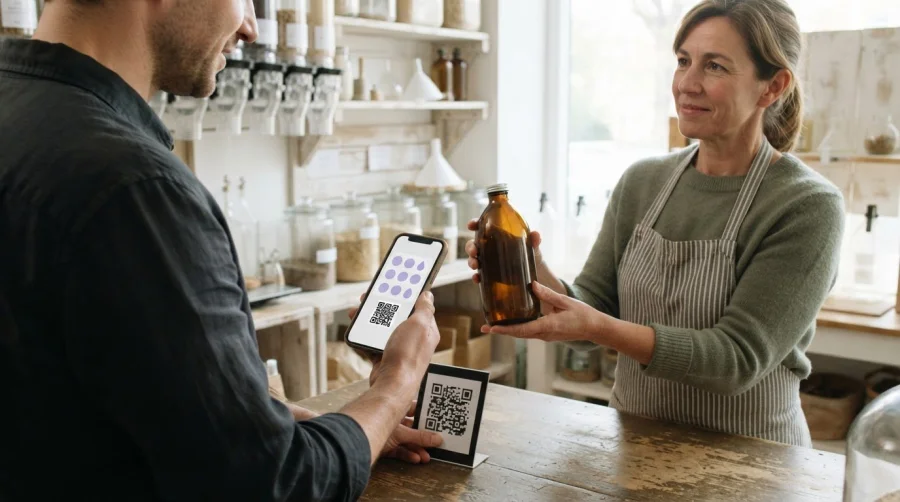
A generous reward can still miss the mark if it doesn’t match what a customer values. Personalized customer rewards connect incentives to customers’ preferences, purchase patterns, and relationship with your business, making each offer more relevant than a one-size-fits-all perk.
The idea is simple, but effective personalization takes more than adding a customer’s name to a message. It requires useful preference data, clear program goals, thoughtful timing, and customer segments that reflect different needs. This guide explains why customers expect relevant rewards and how to shape offers around what people buy, what they engage with, and what you want your loyalty program to achieve. You’ll also learn how to review and refresh offers as customer interests change.
Key Takeaways
- Shape rewards around customers’ purchase patterns, preferences, and engagement rather than offering the same incentive to everyone.
- Choose a clear loyalty goal, then track measures such as redemption, repeat purchases, retention, and customer lifetime value.
- Use customer segments to make offers more relevant, and review segment performance every 4–6 weeks.
- Collect preference data transparently and use it to guide reward choices, timing, and messages.
- When you’re ready to deliver tailored rewards through a branded digital experience, BonusQR’s loyalty software and custom white-label app development can support your program.
1. Why Do Customers Expect Personalized Rewards?
Customers notice when a reward reflects what they actually buy. A coffee regular may value a free drink, while a lunch customer may prefer a meal offer. Personalized customer rewards connect incentives to customers’ interests or actions. That relevance can make loyalty feel useful rather than like another points balance to manage.
Points-based loyalty programs reward customers for eligible purchases or other actions, then let them exchange points for benefits. Personalization adds choice: purchase patterns or stated preferences can guide more relevant ways to earn and redeem rewards. A Points System can support this approach, but points alone don’t make a reward personal.
Examples include offering a reward tied to a customer’s frequently purchased category or sending a lapsed customer an offer related to a product they bought before. A business could also give VIP customers early access to an event or product. Each example reflects buying habits, engagement, or customer status.
Flexible earning and redemption give customers more than one useful path. A program might award points for purchases and let customers choose a category-specific coupon, an experience, or a discount on a product they already buy. For example, someone who rarely visits for coffee may value a bakery reward more than another drink incentive. Choice helps make the benefit feel relevant.
Measure whether offers work by tracking redemption, engagement, retention, and lifetime value. Redemption shows whether members use an offer. Engagement can include opening a reward message or returning to browse available benefits. Retention tracks whether customers continue buying over time, while lifetime value helps assess their longer-term contribution.
Read these measures together. A high redemption rate may show that a reward appeals to customers, but it doesn’t prove the program increased repeat purchases. Compare purchase frequency and retention for members who redeem with their earlier behavior or an appropriate comparison group. Track offer take-up and member churn, too. If customers redeem a coupon but don’t return, revise the reward, timing, or eligible category. If repeat visits rise, identify which offer and segment drove the change. This turns redemption data into practical decisions about what to keep, adjust, or retire.
2. Personalization timelines and segment review frequency
Useful segmentation starts with behavior, not assumptions. Group customers by value, lifecycle stage, category affinity, or engagement level, then connect each group to a relevant reward. For example, customers who purchased twice but haven’t purchased in the last 90 days could receive a timely offer. Customers who regularly buy from one category could see a reward tied to it. These distinctions help brands recognize different actions instead of sending one generic message to everyone.
Set a review rhythm before launching offers. Review segment performance and offer relevance every 4–6 weeks. This gives a business a regular chance to see whether customers are responding, whether an offer still fits, and whether segment criteria need adjustment. Early results from loyalty personalization can appear within 4–8 weeks, while deeper effects on customer lifetime value typically emerge over 3–6 months. A short-term response and a longer-term customer connection answer different questions, so track both.
Use each review to make a clear decision. If customers in a category-affinity segment redeem an offer but don’t return, test a different reward or message. If an engagement-based segment stops interacting, reconsider the timing or the action required to earn the benefit. Compare results across segments, but avoid changing several offer details at once. Adjusting one element at a time helps reveal whether the reward, timing, or segment definition influenced the outcome.
Data-driven segmentation makes reviews easier to act on. Purchase history, frequency, product or service interests, and interaction patterns can indicate which group a customer belongs to. A purchase in a favored category, for example, could qualify someone for a related offer. A long gap since the last purchase could trigger a win-back message. Automation can apply those conditions consistently, while a scheduled review checks whether they still produce relevant offers.
Keep audience groups useful and understandable. A customer’s value can guide recognition or exclusive benefits. Lifecycle stage can distinguish a new member from a lapsed one. Category affinity can shape the reward itself, while engagement level can help determine when to send it. These dimensions may overlap, so use the one most relevant to the action you want to encourage. A customer who is already active may need a different incentive from someone returning after a 90-day gap.
Refresh dynamic offers monthly or quarterly to account for seasonal trends and new product launches. Keep the segment’s purpose stable while updating the reward when customer interests or business priorities shift. For example, a seasonal category offer can replace an older one without changing the definition of customers who prefer that category. This balance helps customers feel valued without making every campaign unpredictable.
Ready to organize rewards around clear customer segments? Set up a loyalty program and start shaping offers around customer behavior.
3. Using customer preference and purchase data
Use information customers share and the actions they take to make rewards more relevant. Purchase records can show which categories a customer buys, how often they return, and which channels they use. Preference fields can capture interests customers choose to share. Together, these details help a business tailor offers without guessing. For example, a regular tea buyer could receive a tea-related reward instead of a generic discount.
Start with a clear purpose for each data point. A purchase category can guide product recommendations; visit frequency can help time a reminder; stated preferences can shape reward choices. In a personalized loyalty program, connect each piece of information to a useful benefit. If customers share a favorite category, offer a related redemption choice. If they rarely redeem discounts, test a different benefit, such as early access to an experience.
Keep data collection focused. Ask for information that supports a specific customer experience, and explain how it will shape offers. A signup form, for example, might let members select preferred product categories, while purchase activity reveals which categories they actually buy. Together, those details provide a clearer view than collecting information without a defined use. Give customers control over profile fields and communication frequency so they can update preferences or reduce messages.
Privacy deserves practical attention. A survey found that 86% of consumers are increasingly worried about data privacy and security, and nearly half have backed out of a purchase because of privacy worries. Clear explanations can help customers understand the value exchange: sharing a preference may lead to a more useful offer. Keep access to customer information limited to appropriate business needs, and handle records carefully throughout collection, storage, and use.
Use purchase data to recommend relevant rewards, not to assume every past choice remains a current preference. A customer who repeatedly buys a product may appreciate a related offer, but recent browsing or purchases can indicate a shift. A 60-day period without a purchase can serve as a win-back trigger, with a coupon tied to a customer’s most-purchased category. Measure whether the offer leads to redemption and a return purchase, then adjust its timing or relevance.
A points-based rewards system can turn purchase activity into clear earning and redemption choices. Match the reward to the customer signal: offer a category-specific option to a frequent buyer, or a timely return incentive to someone who has paused. Review the data behind each offer, too. If customers ignore an offer, revisit the preference, reward, or message rather than sending the same discount again.
Personalization works best when customers understand what information is used and receive value in return. Make preferences easy to update, keep messages relevant, and let redemption behavior guide improvements. These steps help businesses create more useful experiences while respecting customer choices.
4. Aligning rewards with program ambitions
Start with one business outcome, then choose rewards that encourage actions linked to it. A loyalty program focused on repeat purchases needs different incentives from one designed to introduce a new product category. For example, a café seeking more afternoon visits could offer a reward tied to an afternoon purchase. A clear objective gives each benefit a purpose and helps members understand what action earns it.
Make the goal specific enough to guide decisions. A business might aim to increase its repeat purchase rate by 15% within the next year, or boost customer lifetime value by 20% within the next year. These are planning examples, not automatic outcomes. Choose the target that matches the program’s role, then set rewards and messages that support the customer actions most likely to influence it.
Match the incentive to the action. If the goal is to encourage another purchase, make the next earning step easy to understand. To grow purchases in a less-used category, feature a related product or category-specific reward. For a launch, a limited-time points bonus could encourage trial. Each offer should clearly connect the desired action with its benefit.
Consider the channel as part of the program design. A reward in a digital loyalty experience can explain how members earn and redeem it, while an in-store prompt can support a purchase decision in the moment. Keep the message consistent across channels. If an email introduces a category offer, for example, members should see the same eligibility and reward details when they view the program later.
Balance business aims with customer value. A reward that pushes extra purchases but feels irrelevant may weaken the emotional connection loyalty programs are meant to build. Instead, link the incentive to a customer preference or useful milestone. A regular customer might appreciate early access to a new product, while a less-active member may respond better to a relevant return offer. The business objective stays clear, but the benefit still feels meaningful.
Review the plan against its original goal before changing the reward. If the objective is more repeat purchases, examine whether the offer encourages a return visit rather than just a one-time redemption. If the aim is category discovery, see whether members try the featured category. Keep what supports the objective, adjust what creates confusion, and retire offers that prompt actions unrelated to the program’s purpose.
Define the reward’s boundaries before launch. Specify which purchases qualify, how members earn the benefit, and when they can redeem it. For instance, a category promotion should clearly name the eligible category and any applicable time window. Clear rules help customers act confidently and let the business assess whether the incentive supports its intended goal.
5. Personalized rewards and customer preferences
Deloitte research reports that 73% of consumers want personalized loyalty program rewards. Customers value benefits that connect with their interests and help them save money, such as a discount on a frequently purchased category. The practical takeaway: start with what customers choose, buy, and engage with, then make the reward useful to those behaviors.
Build segments around meaningful differences, not assumptions. Small retailers can begin with 3–5 groups based on value, lifecycle stage, category affinity, or engagement level. Then curate 3–5 reward options for each segment. A category-focused group might choose between a relevant discount and a related product reward, while a newer member may respond to a simple earning milestone.
Exclusive benefits can recognize a customer’s relationship with a business. High-spending loyal customers might receive early access to a product or event. A business could also offer a bonus reward or faster earning rate to its top 10% customer segment. Make the qualification clear, and connect the benefit to a behavior or value that the program aims to recognize.
Challenges can make a reward feel active rather than automatic. For example, a personalized mission could reward a customer for making 3 purchases in a favored category this month. Use purchase or engagement patterns to select the mission, then keep the required action easy to understand. A challenge tied to interests gives customers a reason to return while keeping the offer connected to their preferences.
Match the reward to the customer’s likely motivation. Someone who frequently buys from one category may appreciate a related discount; a highly engaged member may value an experience or early access. Customers who have stopped interacting could receive an expiring offer connected to a category they purchased from before. These choices make personalized loyalty more specific than sending every member the same promotion.
Keep testing relevance over time. Rotate seasonal perks, try limited-time point multipliers, and offer VIP early access when it suits the program. Comparing benefit bundles regularly can show which options members select and redeem. If a reward gets little response, revisit the segment, offer, and message before repeating it. Track whether the behavior you wanted, such as category purchases or return visits, follows the reward.
Useful personalization balances customer choice with a clear business purpose. Give each segment benefits that feel distinct, but avoid creating so many options that members struggle to choose. Create a loyalty program around customer preferences and shape rewards around the behaviors you want to encourage.
BonusQR: Custom White-Label App Development
BonusQR offers Custom White-Label App Development for businesses that want a loyalty experience under their own brand. It can be a natural next step when your reward strategy needs a dedicated loyalty application alongside the tools to manage it. BonusQR’s loyalty platform and software support digital loyalty programs, helping bring your program’s identity and reward experience together in one place.
Start with the customer experience you want to create. Consider how members will discover rewards, engage with your brand, and use the program. A clear plan helps shape an app around your loyalty goals and customer preferences.
Contact BonusQR to discuss a branded loyalty application for your business.
Make your next loyalty step count
Turn customer insight into a loyalty experience people can use easily. Choose one customer behavior to encourage, then design a reward that feels relevant and straightforward to earn. Keep the first version focused. You can build on customer responses as you learn which benefits suit your audience and business goals.
Personalized customer rewards work best as part of a program that can adapt with your customers. BonusQR offers a loyalty application, platform, and software to support digital reward programs. If you’re ready to put your approach into practice, contact BonusQR to discuss rewards.
Start with a clear goal and a customer-first offer. Each thoughtful improvement can make your loyalty experience more useful and give customers another reason to choose your business.
Frequently Asked Questions
What Is Loyalty Program Personalization?
Loyalty program personalization adapts a program’s rewards or messages to a member’s actions and interests. For example, a bookstore could highlight a genre a member has purchased before instead of promoting every new release equally. Personalization can also shape how members discover benefits, such as by showing an approaching reward milestone. The aim is to make participation feel relevant while keeping earning and redemption rules clear.
How Can Businesses Deliver Personalized Rewards?
Start with a specific customer group and a relevant reward. For example, a retailer could offer members who buy from a particular category an incentive related to it. Explain who qualifies, what action earns the benefit, and how to redeem it. Then compare that group’s response with other members. A loyalty platform can help organize program rules and present offers through a digital customer experience.
Why Do Customers Expect Personalized Rewards?
Customers encounter messages and offers across many brands, so irrelevant promotions are easy to ignore. A reward connected to their interests gives an offer a clear reason to matter. For instance, someone who regularly chooses a particular product category may find a related benefit more useful than a broad promotion. Relevance can also show customers that their participation informs the experience they receive.
What are personalized customer rewards?
Personalized customer rewards are benefits selected or presented to suit a customer’s preferences, purchase activity, or program behavior. A member who often visits for a particular service might receive an incentive related to it, while an active member could unlock an exclusive experience. The reward might be a discount, a points-based benefit, or another program perk. What defines it is the connection between the customer and the offer.
How do businesses personalize rewards using customer data?
Use relevant information, such as a customer’s purchase categories, visit patterns, or preferences they choose to share. Repeated purchases in one category, for example, can guide a related offer. Connect data to a clear purpose, explain how it informs rewards, and make profile preferences easy to update. Review responses to see whether the offer fits, rather than assuming past purchases always reflect current interests.
What technology is needed to run a personalized rewards program?
A digital loyalty platform can organize member activity, reward rules, and redemption options. A loyalty application gives customers a place to view available benefits and track their progress. BonusQR offers loyalty software, a loyalty platform, and a loyalty application, with digital Stamp Card and Points System options to support different reward formats. Choose technology that matches your program’s needs, such as tracking purchases or presenting clear reward choices.
How can businesses measure the ROI of personalized customer rewards?
Compare a program’s added value with its costs, using a consistent measurement period and, where possible, a suitable comparison group. Track redemption alongside repeat purchases, retention, average revenue per user, or lifetime value. For example, if a targeted offer drives redemptions but not additional purchases, it may not be creating incremental value. Include reward costs and program expenses in the calculation, then assess which segments and offers contribute most.
What privacy laws apply to customer loyalty programs in the United States?
Privacy requirements depend on the business, the information collected, and where customers live. The California Consumer Privacy Act (CCPA) is one named law that may apply to businesses meeting its requirements, and other state privacy laws may also be relevant. Make data practices transparent, collect information for clear program purposes, and provide appropriate customer controls. Businesses should assess which rules apply to their operations and customer base.


