Improving Customer Experience With Mobile Wallets and Personalized Offers
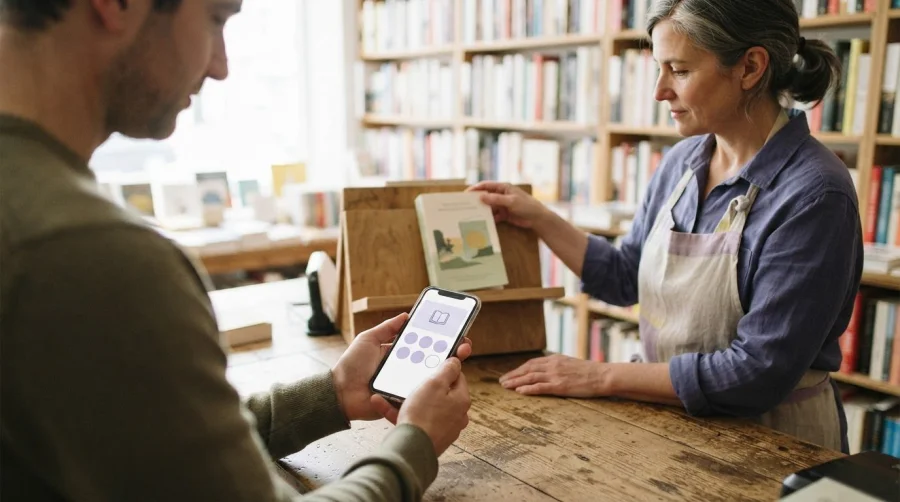
A mobile wallet can do more than make checkout faster. Improving customer experience with mobile wallets means making payment and loyalty easier to access, while giving customers a practical way to keep rewards and offers close at hand.
Customers expect simple digital interactions, and a mobile wallet can bring useful parts of the shopping experience together on a phone. The goal is to make each feature helpful, not add another layer of noise.
This guide explains mobile wallets and how they work with Apple Wallet and Google Wallet. You’ll learn how digital Stamp Cards and Points can make loyalty programs easier to use, how relevant offers can make rewards feel more personal, and how timely notifications can keep customers informed. It also explains what customers gain from these features, so you can decide where a wallet fits your business and how to create a smoother path from purchase to reward.
Key Takeaways
- Understand how mobile wallets store payment and loyalty information, and how technologies such as NFC and QR codes support digital interactions.
- See how digital stamp cards and points systems can make rewards easier for customers to access and use.
- Learn how timely, relevant offers can make loyalty communications feel more useful than generic promotions.
- Explore ways wallet notifications can keep customers informed without overwhelming them.
- Find out how Apple Wallet and Google Wallet integration or a custom white-label app can support your loyalty experience.
What is a mobile wallet?
A mobile wallet is an application on a phone that can store payment details and passwords for digital transactions. It can also hold loyalty cards and gift cards, bringing payment and rewards together in one place.
Adoption has grown substantially: around 400 million people used digital wallets in 2015, while a current estimate puts usage at 2.6 billion people. A forecast expected the number to surpass 4.4 billion by 2025, showing how quickly wallets became part of digital commerce.
Wallet Features and Payment Technologies
A digital wallet stores information for payments and other digital interactions on a mobile device. Depending on the wallet and checkout, payment data can be transmitted using QR codes, near-field communication (NFC), magnetic secure transmission (MST), Bluetooth, Wi-Fi, or magnetic signals. For customers, the benefit is fewer steps: they can use a supported device instead of entering payment details or presenting a traditional card.
Virtual cards can also let new bank customers use an account before a physical card arrives. For businesses, the cost of accepting mobile wallet payments depends on payment processing terms and whether existing checkout equipment supports the chosen method.
Digital and In-Person Experiences
A mobile wallet can connect online shopping with an in-person visit by keeping payment options and loyalty cards accessible on the same phone. Customers can move between touchpoints without searching for a paper card or re-entering details at checkout.
Compared with cards or cash, a wallet can reduce the number of separate items customers need to carry and present. Compared with a store app, it may provide one place to access passes alongside other wallet items. The best fit depends on customers’ preferred payment methods and the business’s checkout setup. A wallet should simplify an existing journey, not add steps.
Security and Data Integrity
Security and data integrity involve protecting payment information and keeping wallet details accurate. Customers need confidence that the payment amount is correct and that a loyalty pass shows the right reward or balance. For example, a mismatch between a receipt and displayed Points balance can quickly undermine trust and engagement.
In the United States, applicable requirements depend on the payment service and the data being handled. Businesses should follow relevant federal and state payment and privacy requirements. Keep transaction records consistent, make offer terms clear, and ensure wallet information reflects the current offer.
Digital wallets can streamline business checkout by eliminating forms and clickthroughs and reducing abandonment. Digital wallet transaction value was predicted to increase by 60% over the following four years.
Reducing friction in traditional loyalty programs
Loyalty works best when customers can join, understand, and use rewards with little effort. A mobile wallet can make participation easier to fit into everyday shopping. For retailers, improving customer experience with mobile wallets starts by removing small barriers, such as finding a card or understanding how rewards work.
Loyalty Enrollment and Engagement
Wallet-based enrollment lets customers keep a loyalty pass on a device they already use. Joining can become a simple part of checkout instead of a separate task involving another card or account. For example, customers can add a pass while paying and find it on their phone during a later visit.
According to Urban Airship, 73% of consumers were more likely to join loyalty programs when points and rewards updated automatically on mobile wallet loyalty cards. Clear progress helps customers understand what their purchases earn. Show the current balance and the next reward together, so customers can see the benefit without searching through account screens.
Mobile Wallet Use and Retailer Encouragement
Encourage wallet use as a practical option, not a requirement. A cashier can mention the wallet pass during enrollment, and a sign near checkout can explain how to access it. Keep the message specific: the pass stores loyalty details on a phone and makes them easier to find during a visit.
Clear rewards matter when customers compare stores. They may choose another business if its program feels easier to use. Explain how purchases earn rewards and where customers can see their progress. Convenience gives people a reason to engage; a confusing program gives them one less reason to return. You can also highlight progress toward a reward, such as a free item, at checkout.
Checkout Speed and Cart Abandonment
Wallet payment can reduce checkout steps by letting customers use saved payment information instead of filling out forms. For online orders, fewer required fields can make the path from product selection to payment more direct. A shorter process may reduce the moments when customers pause or leave.
Keep the wallet option visible alongside other payment choices, and show the final total before customers confirm. For example, shoppers should be able to review delivery charges and the order amount without restarting checkout. Clear totals and a simple payment path make the experience smoother while preserving customer choice.
Accessibility and Usability
An accessible wallet experience makes key information easy to read and actions easy to complete. Use plain labels, readable text, and clear distinctions between available rewards and rewards already used. For example, write “one stamp earned” rather than relying on a symbol customers may not understand.
Test the journey on different phone screen sizes, from enrollment to reward redemption. Keep instructions concise, make the next action clear, and don’t rely on color alone to show progress. These details help customers use the program confidently, whether they’re joining in-store or returning to an online checkout. This practical approach to improving customer experience with mobile wallets keeps loyalty simple and inclusive.
For a loyalty journey that feels easier to join and use, start shaping a digital loyalty program around clear rewards and convenient access.
Real-time balances and personalized offers
A wallet pass can show a customer’s current reward balance alongside a relevant offer. For example, a café could display progress toward a free drink and highlight a promotion suited to a regular customer.
Personalized Engagements and Retention
Personalized engagement uses customer preferences and transaction patterns to make interactions more relevant. For example, a customer who regularly buys a particular product may respond better to a related offer than to a broad promotion sent to everyone.
Wallet history, preferences, and trends can help brands shape marketing and manage inventory and budgets. A current customer also has a reported 60-70% chance of conversion when targeted. Bain & Company found that a 5% increase in customer retention produces more than a 25% increase in profit.
Use customer signals thoughtfully: send offers that connect to past purchases or stated interests. A personalized pass can show the reward, progress, and a clear next step, making engagement feel useful rather than generic.
Offers and Rewards
Personalized offers match a promotion to a customer’s likely interests or shopping behavior. They can give customers a timely reason to return and help businesses avoid sending the same message to everyone.
Personalized mobile offers increase redemption rates by up to 48% compared with generic promotions. For example, a business could invite a recent customer to try a related product, or present a reward connected to a customer’s usual purchase. Make the offer’s value and conditions easy to understand before the customer acts.
Tiered rewards can recognize repeat visits with increasing value. One example offers 7% cashback on a second purchase and 10% cashback on a third purchase within a month. The structure gives customers a visible milestone, while the business can use purchase trends to plan which rewards fit its audience.
A points system can also make progress tangible: a customer earns points through transactions and sees how those points move them toward a reward. Keep the balance and redemption rules clear, so customers know what they have earned and what they can do next.
Start with a specific customer need, then connect it to a relevant offer. A pass that reflects a customer’s interests and current reward progress can make the next interaction feel considered, not automatic. Track which offers customers redeem and use those patterns to refine future promotions and encourage repeat visits.
A gift card promotion can make the value of a balance easy to understand: a customer who buys a $100 gift card receives a $25 bonus card. Presenting the bonus alongside the customer’s current rewards can clarify what is available and encourage a return visit. Keep the terms visible, and make it straightforward to see how the bonus card can be used.
Wallet notifications and ongoing communication
A wallet notification can put a timely update beside a customer’s pass. Use it to share a relevant discount, purchase update, or limited-time offer rather than sending unrelated messages.
Real-Time Notifications and Updates
Real-time wallet updates share changes when they matter, such as a new reward or active promotion. For example, a customer who has just earned a reward can receive an update explaining what changed and how to use it.
Timing should match the message. A 24-hour flash sale is a clear example of an offer that expires soon, while a routine purchase update can wait until the transaction is complete. Keep the information accurate and make the next step clear, so customers can interact without guessing.
Location- and behavior-based messages can make updates more relevant. A nearby customer might receive a store offer, while purchase history could inform a related promotion. Use location features only when the wallet experience supports them, and make sure each message gives customers a genuine reason to visit.
Ongoing Wallet Communication
Ongoing wallet communication gives customers useful reasons to keep and use a pass. Urban Airship reported that mobile wallets were among consumers’ top four preferred ways to receive updates about sales, offers, and coupons. That preference makes relevance essential: send a message because it helps, not simply because you can.
Open rates can vary by channel and audience, so treat them as a guide rather than a guarantee. These figures describe different channels, so choose based on the message and customer context. A wallet notification can highlight a current discount; an SMS may suit a direct purchase update or service message.
Keep wallet messages brief. One practical guideline is to stay under 60 characters, with a clear offer and action. For example, “Today: enjoy a discount on your next visit” tells customers what’s available without burying the benefit in extra text.
Frequency matters too. Customers who receive repeated messages about every purchase may stop engaging, even if an individual notification is useful. Group updates by purpose: share a reward change when it happens, and reserve promotional messages for offers that fit customers’ interests or recent behavior.
Track which messages lead to interactions or purchases, then adjust their timing and content. If customers respond to a location-based offer but ignore a generic sale alert, use that insight to make future messages more relevant. Useful notifications are more likely to remain welcome.
Apple Wallet and Google Wallet
Apple Wallet and Google Wallet can keep a business’s loyalty pass, coupon, or gift card accessible on a customer’s phone. Apple Pay and Google Pay are payment options, while wallet passes support other customer interactions. Treating payment acceptance and loyalty-pass integration as separate parts of the experience helps set clear expectations.
Businesses can enable Apple Pay, Google Pay, and other mobile wallet payment options through a compatible checkout setup. Wallet passes are a separate channel: customers can add a loyalty pass to Apple Wallet or Google Wallet and present it when engaging with the business. Accepting credit or debit card payments through a wallet does not automatically create a loyalty pass.
Design the pass around a clear customer purpose. A café might use it to show a Stamp Card, while a retailer could make a coupon easy to find during a visit. Keep the business name, reward details, and redemption instructions consistent across the pass and checkout message. Clear terms help customers understand what the pass does before using it.
Wallet choice also shapes how customers discover a pass. Airship found that more than 75% of retail passes in Apple Wallet came from peer sharing. That finding highlights the value of a pass customers can readily share with friends. A useful offer and clear redemption details give customers a reason to pass it along, rather than merely saving it for themselves.
Plan the experience across digital and in-person channels. For online purchases, make the wallet payment option visible alongside other available methods. For in-store visits, explain when customers should show a loyalty pass and how the reward applies. For example, a cashier can ask for the pass before completing a purchase, so the loyalty activity isn’t missed.
Keep information consistent wherever customers interact with your business. If a coupon has conditions, show them on the pass and in the campaign message. If a reward changes, update the relevant pass information so customers don’t rely on outdated details. Consistent wording across Apple Wallet, Google Wallet, and checkout reduces confusion and supports a smoother experience.
Start by deciding whether the goal is wallet payments, loyalty passes, or both. Then map each customer action, from discovering the pass to using a reward. Set up your Google and Apple Wallet loyalty experience to bring wallet-based rewards into your customer journey.
BonusQR: Custom White-Label App Development
BonusQR connects digital loyalty experiences with mobile wallets through its loyalty platform, including Google & Apple Wallet integration. Businesses can set up digital Stamp Cards and Points systems, while custom white-label app development provides a branded experience. Customers can access loyalty cards through a browser, Apple Wallet, Google Wallet, or the BonusQR app.
Choose an approach that fits how customers interact with your brand. Wallet integration lets customers access loyalty cards in Apple Wallet or Google Wallet, while custom app development creates a branded destination for loyalty engagement. Both can connect rewards more consistently with the customer journey.
Contact BonusQR to discuss a digital loyalty experience that fits your business.
Turn the Next Step Into a Better Loyalty Journey
Start with one customer moment you want to improve, such as joining a rewards program, finding a balance, or using an offer at checkout. Choose a focused goal, then shape the wallet experience around what customers need to do next. That keeps improving customer experience with mobile wallets practical, measurable, and connected to your business priorities.
BonusQR offers a loyalty application, platform, and software for digital rewards. Its Stamp Card and Points systems integrate with Apple Wallet and Google Wallet, and custom white-label app development helps businesses create a branded loyalty experience. Start for FREE and set up a digital loyalty program that makes rewards easy to access.
Contact BonusQR to discuss mobile wallets and explore a suitable next step for your business. Your customer experience can keep moving forward, one useful interaction at a time.
Frequently Asked Questions
Why is it important to prioritize member and customer experience?
A strong customer experience helps people complete purchases, understand rewards, and choose to return. A confusing offer or hard-to-find balance can make a loyalty program feel like extra work. For example, a customer choosing between two cafés may prefer the one where earning and using a reward is clear. Smooth interactions also help preserve trust when a purchase, reward, or promotion needs explaining.
Which mobile wallet features do customers value most?
Customers value features that save effort and make benefits easy to understand. Useful examples include convenient payment access, a loyalty pass ready to show at checkout, a clear reward balance, and coupons with visible terms. Someone buying lunch should be able to find a café’s pass and see whether a reward applies without searching through several screens or deciphering unclear conditions.
What are the latest statistics on mobile wallet adoption and customer satisfaction in the US?
An Airship survey of 1,000 adults in the United States found that 54% had already used a mobile wallet. That measures adoption, not customer satisfaction. Satisfaction depends on whether payment works smoothly, wallet information stays accurate, and customers understand how their data is used. Businesses can assess experience by reviewing support feedback and repeat use alongside checkout completion, rather than treating adoption alone as proof of satisfaction.
What security and privacy risks should businesses consider with mobile wallets?
Key risks include exposing personal or transaction information, inaccurate balances, and unauthorized access to accounts that manage wallet content. Reduce exposure by collecting only information needed for the loyalty experience, limiting account access to appropriate staff, and removing access when roles change. Keep customer-facing terms clear and correct errors promptly. For example, a pass showing an expired coupon as active can confuse customers and weaken trust in the offer.


