Friday's dining room is full. By Tuesday lunchtime, the same tables sit empty, and the manager is wondering what happened to the regulars who used to arrive without booking. Another social post might bring fresh faces through the door, but it won't explain why familiar guests stopped returning.
The best marketing may already be sitting on the table: a satisfied guest, a receipt, and an opportunity to give someone a reason to come back. Restaurant marketing often disappoints when owners spend all their attention attracting strangers while leaving existing guests with no invitation to return.
That doesn't mean abandoning Google, social media or local partnerships. It means connecting each channel to something measurable, such as a booking, a loyalty registration or another paid visit.
Useful restaurant marketing ideas start with a specific moment. The counter conversation needs a different approach from the walk home, the birthday booking or the quiet weekday lunch.
Each idea below includes a practical setup, a mistake to avoid and a way to judge the result. None requires launching everything at once. A small campaign that staff can explain and the kitchen can deliver is more useful than an elaborate promotion nobody maintains.
1. Digital Loyalty Program with QR-Based Rewards
The moment is checkout, while the guest still remembers the meal. A clear invitation to collect rewards gives staff something more useful to say than a routine goodbye.
Start with a reward that matches buying habits. A coffee shop might use digital stamps, while a restaurant with varied bills could reward customers with loyalty points. The reward should be understandable before the guest finishes paying.
Mobile rewards aren't unfamiliar territory: 32% of all foodservice consumers had redeemed restaurant-app rewards during the previous six months, according to the Business Gateway restaurant, café and coffee shop market report.
Make the counter conversation easy
- Setup: Place branded QR signs beside the till and on tables, then rehearse the explanation during the staff briefing.
- Useful example: A café offers a welcome drink upgrade, followed by stamps towards a future coffee.
- Common mistake: Launching overlapping rewards that staff can't explain consistently.
- Measure: Compare registrations, reward redemptions and subsequent visits, not scans alone.
BonusQR supports stamps, points and cashback without POS integration or extra hardware. Guests register by phone, receive a personal QR code and present it for staff to scan, making it a straightforward starting point for independent venues.
2. Google Business Profile Optimization
A hungry customer searches nearby before leaving the office. The restaurant's Google profile needs to answer the practical questions immediately: whether it's open, what lunch costs, what's available and how to book.
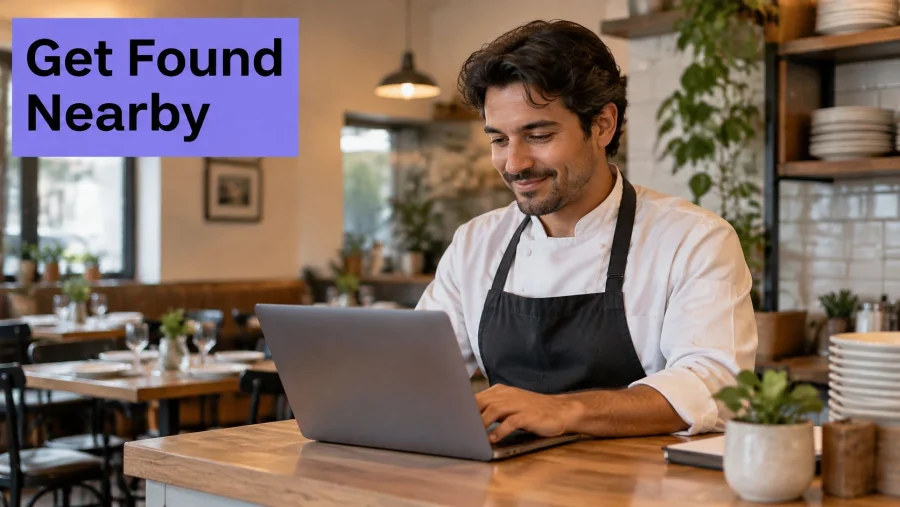
Claim and verify the listing, choose a specific primary category, and correct opening hours before adding promotional posts. Use genuine photographs of dishes, the entrance and the dining room, rather than images that leave guests guessing about the experience.
The wider discovery environment also matters. 26% of British consumers surveyed in August 2025 used AI tools to learn more about a venue, according to CGA by NIQ's reputation study. Clear, consistent public information is a sensible foundation, not a guarantee of appearing in AI answers.
Fix the route from search to booking
A neighbourhood Italian restaurant could feature its lunch menu, accessible entrance and direct reservation page. The website and profile should show matching information.
Avoid posting an attractive special while leaving an outdated menu attached. Measure booking completions and attributable enquiries alongside direction requests.
For operators comparing visibility across surrounding streets, geo-grid tracking for local search rankings can help diagnose location-specific gaps. Rankings remain a diagnostic measure, not proof of restaurant revenue.
3. Automated Review and Feedback Requests
The walk home is a useful feedback moment. The guest has finished eating, the experience is fresh, and a short message can invite an honest response without interrupting the meal.
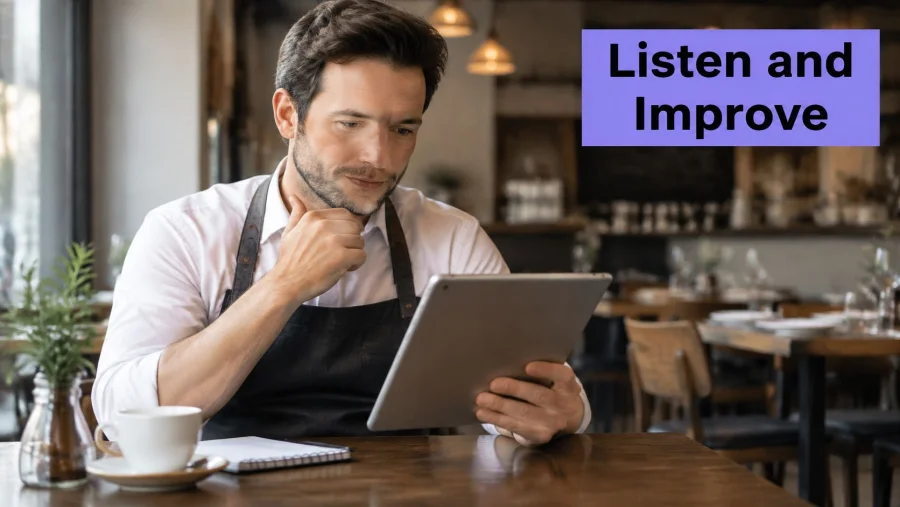
Set up a brief post-visit request with a clear destination. A private feedback form helps staff investigate service problems, while a public review invitation allows guests to describe their experience openly.
Keep both routes available to everyone. Screening guests by satisfaction and inviting only happy diners to publish a review creates a misleading picture.
Practical rule: Ask for honest feedback, never a favourable rating. Rewards shouldn't depend on posting a public review.
A takeaway restaurant could include a feedback QR code on the collection receipt and assign the shift manager to review responses. The same scan-to-destination principle appears in QR review requests at rental handover, although restaurant wording should refer specifically to the meal.
Keep research separate from promotion. The ICO's electronic marketing guidance explains that a survey containing promotional material or collecting details for future campaigns can constitute direct marketing.
Measure response completion, recurring complaints and whether staff resolve reported problems. A growing review count means little if guests keep reporting the same cold food.
4. Guest Referral Program
A regular recommends somewhere over a workplace lunch conversation. A referral programme makes that recommendation easy to act on, without turning the guest into an unpaid salesperson.
Start with a shareable invitation and a modest benefit tied to an actual new visit. 53% of UK and Irish diners said recommendations from family and friends were the most important factor when choosing where to eat in ResDiary's 2024 hospitality industry report.
For example, a neighbourhood pizzeria could offer a dessert to a newly referred household, then credit the referring customer after the first paid order. The reward follows a purchase rather than a shared post.
- Setup: Give regulars an identifiable referral code and publish clear eligibility terms.
- Margin protection: Choose a reward with manageable ingredient and preparation costs.
- Common mistake: Rewarding registrations before anyone visits, which encourages duplicate accounts and low-value sign-ups.
- Measure: Track completed referred visits, reward costs and whether referred guests return without another incentive.
Keep the recommendation personal
The message should explain why a friend might enjoy the restaurant: family-friendly service, a particular dish or an easy lunch booking. A generic discount code gives the customer less to recommend.
Public thank-you posts can recognise supporters, but names and photographs should only appear with permission. Private appreciation often suits regulars better than a promotional spotlight.
5. Email and Push Campaigns with Timed Offers
The guest hasn't visited recently, and the restaurant has spare lunch capacity. That's a stronger reason to send a message than having space in the marketing calendar.
Segment the audience by actual behaviour. Recently active guests, reward holders and lapsed customers need different messages, even when the restaurant promotes the same menu.
Targeted automated emails generated 12 times more revenue per send than mass emails in SevenRooms' UK restaurant trends findings. That's a benchmark, not a promised outcome for an individual venue.
Match the message to the visit
A café could send an inactive lunchtime customer a new soup-and-sandwich invitation before lunch planning begins. A regular with an unused reward needs a redemption reminder instead.
- Setup: Choose a behaviour trigger, a relevant offer and a clear booking or redemption action.
- Common mistake: Sending every promotion through email and push simultaneously, regardless of customer preferences.
- Measure: Track redemptions, paid visits, unsubscribes and revenue per recipient, not just opens.
Where available, restaurants can connect loyalty rewards with Apple Wallet so guests can retrieve an offer without searching an inbox.
The ICO's direct marketing guidance explains that email and SMS marketing generally require consent unless all soft-opt-in conditions apply. A QR scan alone isn't permission to send promotions.
6. Welcome and Birthday Offers
A guest has just joined the loyalty programme. The welcome message should explain what happens next, rather than merely confirming that an account exists.
Make the first benefit easy to understand and operationally simple. A coffee shop might offer a drink upgrade on a future purchase, while a restaurant could provide a dessert with a qualifying meal.
Birthday rewards serve a different moment. They give an existing guest a reason to consider the venue when planning a celebration, but group spending shouldn't be assumed.
A thoughtful reward doesn't need to be generous enough to wipe out the profit on the visit.
Separate the occasions
- Welcome setup: Explain earning, redemption and exclusions in the same place as the introductory reward.
- Birthday setup: Collect only the birthday information needed, such as the month, and explain its purpose.
- Common mistake: Advertising a complimentary dish while hiding a purchase condition until the bill arrives.
- Measure: Compare welcome redemptions with subsequent paid visits, and birthday bookings with their actual contribution after reward costs.
For example, a bistro could offer a birthday dessert with a main course and allow redemption during a clearly stated celebration window. Staff need the same terms as guests, including how to handle group bookings.
Avoid stacking welcome, birthday and referral benefits accidentally. Clear redemption rules protect margins and prevent an awkward conversation at the table.
7. User-Generated Content Contests on Social Media
The dish arrives, and a guest reaches for a phone. Make sharing easy at that moment, without turning lunch into a content assignment.
Place a discreet location tag and branded hashtag near a photogenic feature or on the menu. The food and service still need to come first; a queue forming around a photo wall isn't a successful guest experience.
58% of people aged 18–26 said an active social-media presence was the best way to judge whether a restaurant was worth visiting, according to Barclays' 2023 restaurant research. Guest posts can contribute to that presence, but participation shouldn't be confused with bookings.
Build a contest around a real visit
A bakery café could invite customers to submit photographs of its seasonal pastry, with a tasting experience as the prize. Publish the closing date, eligibility, judging method and prize terms before accepting entries.
The setup: Keep entry straightforward and offer an accessible alternative for customers who don't post publicly. Ask permission before reposting photographs, and credit the creator.
The mistake: Choosing a broad prize that attracts entrants with no realistic intention of visiting.
The measurement: Track attributable profile visits, menu clicks, registrations and paid visits. Likes and entries show activity, not profitable customer acquisition.
Competition entry and marketing consent should remain separate choices.
8. Micro-Influencer Partnerships
A potential diner watches a local creator deciding where to eat this weekend. The useful question isn't how famous the creator is, but whether the audience could realistically become customers.
Inspect location relevance, comment quality and previous restaurant content before discussing a collaboration. A creator focused on affordable student meals may be a poor match for an expensive tasting menu.
Only 11% of UK diners discovered restaurants through influencers in SevenRooms' 2025 UK Restaurant Trends Report. Influencer activity deserves a controlled test, not automatic priority over search visibility and customer retention.
- Setup: Agree on deliverables, disclosure, usage rights and a trackable booking destination.
- Worked example: A local food creator attends a seasonal tasting and shares the booking process as well as the dishes.
- Common mistake: Paying for audience size without checking where followers live.
- Measure: Compare attributable bookings and repeat visits against the fee, complimentary food and staff time.
Buy useful content, not guaranteed praise
A clear micro-influencer marketing arrangement should leave room for honest judgement. Compensated or gifted collaborations need appropriate advertising disclosure.
A unique campaign code helps attribution, but it won't capture every booking. Staff can also record how guests heard about the restaurant, without treating that answer as perfectly precise.
9. Local Community and Business Partnerships
The gym class finishes, office workers head out for lunch, or shoppers leave the salon next door. A partnership works when the restaurant fits naturally into that existing routine.
Choose a neighbouring business with compatible customers and a complementary offer. A café might create a post-class breakfast with a fitness studio, while a restaurant could host a local producer's tasting.
41% of Britons said they were more likely to visit a venue hosting a pop-up, collaboration or special experience, according to BDO's restaurant and bars report. The practical opportunity is a distinctive occasion, not necessarily a cheaper meal.
Margin check: A collaboration should offer something guests value without requiring the restaurant to discount its entire menu.
Turn the event into a return invitation
Agree who handles promotion, bookings, costs and customer enquiries before announcing anything. Give each partner an identifiable campaign destination, then invite attendees to join the restaurant's own permission-based loyalty list.
Avoid swapping customer email lists. Each business needs an appropriate basis for its own marketing activity.
Measure attendance, new-customer share, contribution after event costs and subsequent visits. A sold-out event can still disappoint financially if preparation consumes excessive labour or guests never return.
The follow-up should offer a relevant reason to revisit, such as the producer's dish joining the menu.
10. Limited-Time Menus and Daypart Specials
Tuesday lunch needs help; Friday dinner doesn't. Restrict the promotion to the period with genuine spare capacity instead of subsidising customers who would already have booked.
Build the offer around dishes the kitchen can deliver reliably. A short lunch menu using shared ingredients may work better than an elaborate special requiring separate preparation.
A café could introduce a seasonal toastie-and-drink combination for quieter lunches, then use digital stamp cards for restaurants to encourage another visit. The special creates the immediate occasion; the loyalty mechanism supports the return.
Check whether the offer adds business
- Setup: Specify eligible service periods, availability, substitutions and the end date.
- Kitchen test: Cost ingredients and preparation time before promotion begins.
- Common mistake: Shifting existing full-price customers into a discounted slot and calling every redemption new revenue.
- Measure: Compare covers, average spend and contribution with comparable services, allowing for weather, holidays and local events.
Marketing an apparently healthy dish isn't enough if guests can't find clear ingredient or allergen information. Staff also need a quick explanation of what's included.
Keep the deadline genuine. Repeatedly extending a supposedly limited offer teaches customers that urgency isn't real.
Member-first previews can add value without lowering prices. A seasonal menu tasting or advance booking opportunity gives regulars a reason to pay attention beyond the next discount.
How the ten restaurant marketing ideas compare
| Item | Main channel | Key benefit | Main drawback |
|---|---|---|---|
| Digital Loyalty Program with QR-Based Rewards | In-store QR codes and digital wallets | Encourages repeat visits and tracks customer behavior | Requires customer sign-ups and staff training |
| Google Business Profile Optimization | Google Search and Maps | Improves local visibility and provides essential business details | Needs regular updates and review management |
| Automated Review and Feedback Requests | Email, push notifications, and review platforms | Builds fresh reviews and surfaces service issues | Frequent requests can annoy customers |
| Guest Referral Program | Referral links, codes, and social sharing | Attracts new guests through trusted recommendations | Requires clear rules and referral verification |
| Email and Push Campaigns with Timed Offers | Email and mobile push notifications | Reaches customers directly with relevant offers | Over-messaging can cause unsubscribes |
| Welcome and Birthday Offers | Email, apps, and loyalty programs | Creates personal reasons for guests to visit | Discounts can reduce margins |
| User-Generated Content Contests on Social Media | Social media | Generates authentic content and expands reach | Requires moderation and permission to repost |
| Micro-Influencer Partnerships | Local creators' social media channels | Reaches engaged nearby diners with authentic content | Finding suitable creators takes research |
| Local Community and Business Partnerships | Local businesses, groups, and events | Builds community ties and reaches relevant customers | Results can be difficult to attribute |
| Limited-Time Menus and Daypart Specials | Restaurant menu, loyalty app, and social channels | Drives visits during slower periods and creates urgency | Deep or frequent discounts can hurt margins |
Pick One Idea This Week and Let Your Regulars Do the Rest
The best starting point is the gap in the trading week. Empty lunches call for a different campaign from strong first visits followed by weak repeat custom.
A restaurant with steady footfall but few returning guests should prioritise a simple loyalty invitation. A venue missing from local consideration should fix its Google profile before paying creators. A café with an engaged customer list but quiet afternoons can test a relevant, tightly timed message.
Choose a single idea, assign an owner and set it up during an afternoon. The person responsible needs access to the campaign, the redemption process and the results. Staff should be able to explain the offer without calling a manager.
Judge visits and margin together
A useful review compares more than promotional activity:
- Guest action: Did customers register, book, redeem or return?
- Commercial value: Did extra spending cover rewards, ingredients, labour and campaign costs?
- Service impact: Could staff deliver the promise without slowing normal service?
- Retention: Did guests return after the initial incentive?
A review after a month gives the operator a practical starting point, although venues with longer visit cycles need more time before judging retention. Keep the comparison fair by noting closures, unusual events and changes in trading hours.
Permission also needs attention before follow-up begins. The ICO's small-business marketing guidance explains that the soft opt-in requires directly collected details, similar products or services, an initial opt-out opportunity and an opt-out in every later message. An old booking list shouldn't automatically become a promotional mailing list.
A QR code at every table, backed by a clear reward and a confident staff explanation, is often the most practical place to begin. It puts the invitation in front of guests who already know the food and service, rather than relying entirely on another acquisition campaign.
For an owner ready to test that approach, BonusQR offers a free starting option and a free consultation to help choose an appropriate loyalty setup. The next step is concrete: create an account, choose a manageable reward, print the branded QR materials and brief the team before the next service. Then review registrations, redemptions and return visits before committing more budget.


