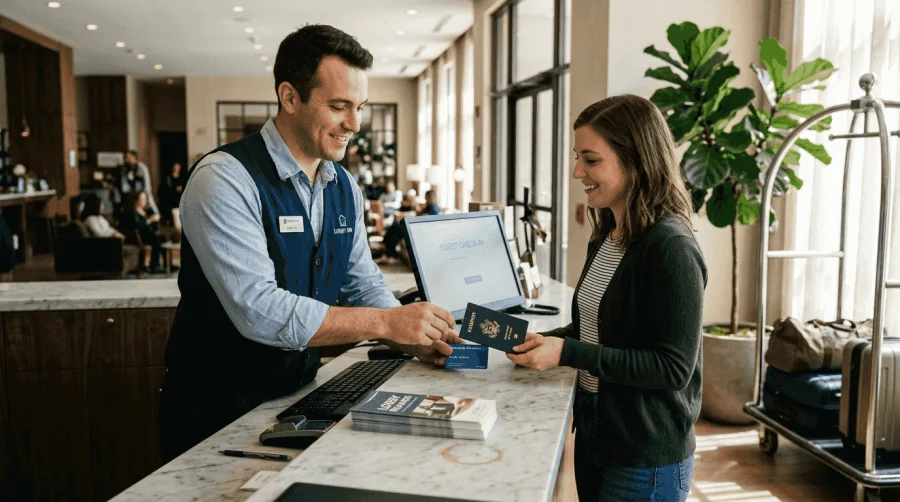
Did you know 70% of travelers choose hotels where they hold loyalty memberships? That’s not just about points or discounts. Hotel loyalty drives repeat bookings, revenue growth, and guest lifetime value in ways many small to medium hotel owners overlook. This guide breaks down what hotel loyalty truly means in 2026, why it matters for your property, and how you can leverage digital engagement and smart program design to boost retention and profitability. You’ll discover actionable strategies to build loyalty programs that work for your budget and guest base.
Key takeaways
| Point | Details |
|---|---|
| Loyalty drives repeat bookings | Hotels with loyalty programs see 10-20% more repeat bookings and higher revenue per guest. |
| Digital engagement boosts participation | Personalized emails and mobile apps increase open rates by 25-30% and click-through rates by 15-20%. |
| Gen Z demands uniqueness | 79% of Gen Z travelers prioritize unique experiences over traditional brand loyalty in 2026. |
| Major chains earn billions from loyalty | Leading providers like HMC have generated over $7 billion for hotels through loyalty programs. |
| Balance costs with guest value | Effective programs reward loyal guests without over-investing in elite perks that erode margins. |
Defining hotel loyalty: beyond points and perks
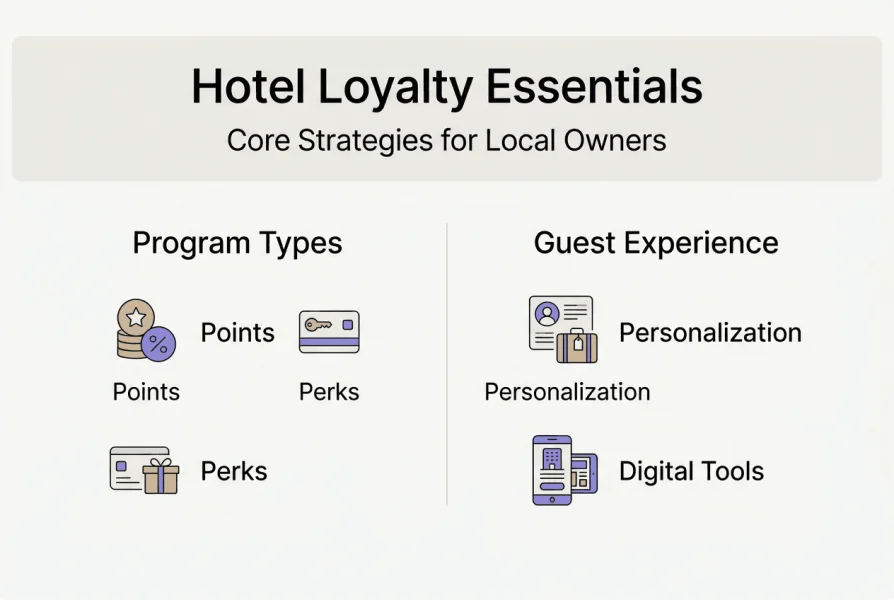
Hotel loyalty encompasses far more than points and free nights. It includes membership programs, personalized guest experiences, and digital engagement tools that keep travelers returning to your property. Modern loyalty programs integrate customer relationship management systems, targeted marketing campaigns, mobile applications, and tailored communications to create meaningful connections with guests. This approach transforms one-time visitors into repeat customers who generate significantly higher revenue over their lifetime.
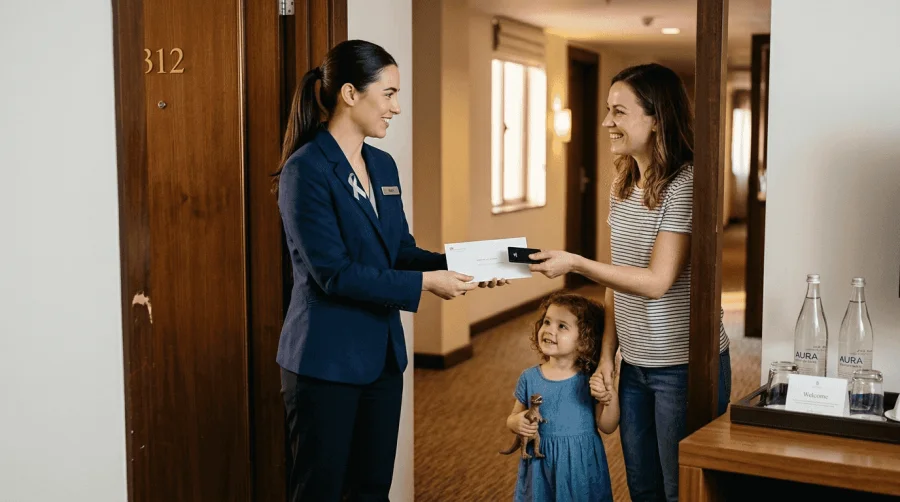
Consider the financial impact. Hotels with loyalty programs see 10-20% more repeat bookings compared to properties without them. Loyalty members spend more per stay, book directly instead of through third-party sites, and refer friends and family. These behaviors directly boost your bottom line while reducing acquisition costs. The key is understanding that loyalty is not a discount program but a strategic investment in customer retention strategies that pay dividends over time.
Key components of effective hotel loyalty programs include:
- Points accumulation for stays, dining, or spa services
- Recognition tiers that unlock exclusive benefits
- Personalized offers based on guest preferences and history
- Mobile app integration for seamless booking and rewards tracking
- Special perks like room upgrades, late checkout, or welcome amenities
The scale of loyalty’s impact is staggering. HMC has generated over $7 billion for hotels through loyalty programs, demonstrating how well-designed systems create massive value. As one industry leader put it:
“Loyalty programs are no longer optional for hotels seeking sustainable growth. They are the foundation of guest retention and direct revenue generation in an increasingly competitive market.”
For small to medium hotel owners, this means rethinking loyalty as a core business strategy rather than a marketing afterthought. The right program design, supported by digital tools and personalized engagement, turns casual guests into brand advocates who choose your property repeatedly.
How effective hotel loyalty programs drive sustained guest retention
Loyalty programs increase repeat bookings and guest lifetime value through tangible mechanisms that directly impact your revenue. The data reveals stark differences between loyalty members and non-members across key metrics:
| Metric | Loyalty Members | Non-Members |
|---|---|---|
| Repeat booking rate | 40-60% | 15-25% |
| Average revenue per stay | 20-30% higher | Baseline |
| Direct booking preference | 75-85% | 30-40% |
| Referral likelihood | 3x higher | Baseline |
These numbers tell a clear story. Loyalty members book more frequently, spend more per visit, and prefer direct channels that save you commission fees. Hotels with loyalty programs see 10-20% more repeat bookings, translating into predictable revenue streams and lower marketing costs. The lifetime value of a loyal guest can be five to ten times that of a one-time visitor.
World of Hyatt exemplifies this impact. Internal data shows 51% of Hyatt Place revenue comes from loyalty members, despite members representing a smaller portion of total guests. This concentration of revenue demonstrates how loyalty programs create disproportionate value. Members book longer stays, use hotel amenities more, and return multiple times per year.
Key program benefits that drive retention include:
- Exclusive member-only rates and early booking access
- Elite status tiers with escalating perks like suite upgrades and lounge access
- Bonus points promotions during off-peak periods
- Personalized rewards based on guest preferences and stay history
- Partnership benefits with airlines, car rentals, and dining programs
Pro Tip: Balance the cost of elite benefits with the revenue those guests generate. Over-investing in perks for top-tier members can erode margins if benefits exceed their incremental spend. Track member profitability by tier and adjust benefits to maintain healthy economics while keeping guests engaged.
The challenge many hotel owners face is avoiding the “commons problem” where elite benefits become too generous, attracting guests who maximize perks without proportional spending. Successful programs align customizable loyalty benefits with guest value, ensuring rewards incentivize desired behaviors like direct bookings, longer stays, and ancillary purchases. This strategic approach to boost loyalty with retention strategies creates sustainable programs that grow your business without sacrificing profitability.
Leveraging digital tools to enhance hotel loyalty program engagement
Integrating personalized digital engagement through mobile apps, targeted emails, and customer relationship management platforms dramatically increases loyalty program participation and guest retention. Personalized digital engagement boosts open rates by 25-30% and click-through rates by 15-20% compared to generic communications. This means more guests actively using your program, redeeming rewards, and booking return stays.
Key digital engagement strategies include:
- Mobile apps that let guests check points, book rooms, and access digital keys
- Targeted email campaigns based on stay history, preferences, and booking patterns
- Real-time offers delivered via push notifications when guests are near your property
- CRM personalization that tailors communications to individual guest profiles
- Automated birthday and anniversary messages with special offers
- Post-stay surveys that gather feedback and trigger loyalty point bonuses
These tools work together to create seamless experiences that keep your hotel top of mind. A guest who books through your mobile app, receives a personalized welcome message, and gets notified of bonus point opportunities is far more likely to return than someone who books through a third-party site and receives generic marketing emails.
Successful loyalty programs include IT platforms and mobile apps as core components, not optional add-ons. Leading providers offer turnkey digital solutions that integrate with your property management system, automate communications, and track guest behavior in real time. This technology enables small hotels to compete with major chains by delivering enterprise-level personalization at a fraction of the cost.
Pro Tip: Integrating your loyalty program with a mobile app boosts guest convenience and program participation by 30-40%. Guests can check balances, redeem rewards, and book stays without calling or emailing, reducing friction and increasing engagement. Look for platforms that offer white-label mobile solutions you can brand as your own.
The beauty of digital engagement is its scalability. Once set up, automated campaigns run continuously, nurturing guest relationships without constant manual effort. You can segment guests by behavior, send targeted offers to lapsed members, and reward high-value guests with exclusive perks, all managed through a single dashboard. This efficiency makes sophisticated loyalty programs accessible to hotel loyalty applications of any size.
Combining digital tools with hybrid loyalty program models that blend points, perks, and experiential rewards creates programs guests genuinely value. The result is higher enrollment, active participation, and measurable increases in repeat bookings and revenue.
Tailoring hotel loyalty programs for 2026 market trends and guest expectations
Guest preferences are evolving rapidly, and your loyalty program must adapt to remain relevant. 79% of Gen Z travelers value uniqueness over brand loyalty, prioritizing authentic experiences and personalized service over traditional point accumulation. Meanwhile, 62% of European travelers prefer independent hotel loyalty collectives that offer flexibility across multiple properties rather than single-brand programs. These trends demand new approaches to program design.
| Demographic/Region | Key Loyalty Preferences | Program Design Implications |
|---|---|---|
| Gen Z travelers | Unique experiences, sustainability, personalization | Offer experiential rewards, eco-friendly perks, customized stays |
| Millennial families | Convenience, value, family-friendly amenities | Provide mobile booking, family packages, flexible redemption |
| European guests | Independent collectives, regional variety | Join or create multi-property programs with local partners |
| Female travelers | Safety features, wellness perks, community | Highlight secure accommodations, spa rewards, social events |
Actionable design tips for 2026 loyalty programs:
- Focus on uniqueness by offering local experiences, partnerships with nearby attractions, and personalized room preferences
- Add safety perks like guaranteed well-lit parking, 24/7 front desk access, and secure mobile check-in for female travelers
- Create collective program benefits by partnering with nearby independent hotels to offer reciprocal points and perks
- Emphasize sustainability with rewards for guests who decline daily housekeeping, use public transit, or participate in green initiatives
- Implement flexible redemption options that let guests choose between free nights, room upgrades, dining credits, or local experiences
Localized and guest-segmented strategies help you identify what matters most to your specific market. A boutique hotel in a college town should emphasize Gen Z preferences like Instagram-worthy rooms and sustainable practices. A family resort needs robust mobile apps and kid-friendly rewards. A business hotel should prioritize convenience, fast check-in, and workspace amenities.
Emerging trends to watch include subscription-based loyalty models where guests pay an annual fee for guaranteed benefits, gamification that rewards engagement beyond stays, and AI-driven personalization that predicts guest preferences before they book. Staying ahead of these trends positions your program as innovative rather than reactive.
The key is balancing proven loyalty fundamentals with fresh approaches that resonate with evolving guest expectations. Study best small business loyalty programs and top loyalty programs to watch for inspiration, then adapt those insights to your hotel’s unique positioning and guest base. Programs that evolve with market trends maintain relevance and drive lasting loyalty.
Explore BonusQR loyalty solutions to grow your hotel business
Building an effective hotel loyalty program doesn’t require a massive budget or complex IT infrastructure. BonusQR offers customizable loyalty system features designed specifically for small to medium hotels seeking to boost guest retention and direct bookings. Our platform includes electronic reward capabilities, mobile app integration, and automated marketing tools that make sophisticated loyalty programs accessible and affordable.
With BonusQR, you can launch a branded loyalty program in days, not months. Our loyalty system features include points tracking, tiered rewards, personalized communications, and real-time analytics that show exactly which guests are engaging and what drives their behavior. The electronic reward platform automates point accrual and redemption, eliminating manual tracking while giving guests instant access to their rewards.
Our mobile and web loyalty applications provide seamless experiences that guests expect in 2026, from digital membership cards to push notifications about special offers. Explore how BonusQR can help you compete with major chains while maintaining the personal touch that makes your property special.
What is a hotel loyalty program and why is it important?
What exactly is a hotel loyalty program?
A hotel loyalty program rewards repeat guests with points, perks, and personalized benefits to encourage return visits and increase revenue. Programs typically include tiered membership levels, points accumulation for stays and spending, exclusive member rates, and special amenities like room upgrades or late checkout. They combine technology platforms, marketing automation, and guest relationship management to create ongoing engagement.
Why are loyalty programs important for hotel owners?
Loyalty programs drive up to 20% more repeat bookings and significantly higher guest lifetime value compared to properties without programs. Members book directly, spend more per stay, and refer others, reducing acquisition costs while increasing revenue. They create predictable income streams and competitive advantages in crowded markets.
How do loyalty programs differ from simple discount programs?
Loyalty programs focus on relationship building and long-term value, not just price reductions. They use personalization, recognition, and exclusive experiences to create emotional connections that transcend discounts. While discounts attract price-sensitive guests who may not return, loyalty programs cultivate advocates who choose your property repeatedly regardless of minor price differences.
How can small hotels implement effective loyalty programs on a budget?
What’s the most cost-effective way to start a loyalty program?
Start simple with points or rewards for repeat stays, using affordable digital tools that automate tracking and communications. Focus on one or two core benefits like earning free nights or room upgrades rather than complex multi-tier structures. Many platforms offer free or low-cost plans for small properties, letting you test and refine your program before investing heavily.
Should small hotels build custom programs or use third-party platforms?
Third-party platforms offer faster implementation, proven technology, and lower upfront costs compared to custom development. They provide mobile apps, CRM integration, and automated marketing that would cost tens of thousands to build from scratch. Custom programs make sense only for larger properties with unique requirements and dedicated IT resources.
What role does digital engagement play in hotel loyalty?
How much does digital engagement improve loyalty program performance?
Personalized digital engagement increases open and click-through rates significantly, with email open rates rising 25-30% and click-through rates improving 15-20% compared to generic communications. Mobile apps boost enrollment by 30-40% by reducing friction in signup and reward redemption. These improvements translate directly into higher program participation and repeat bookings.
What digital tools are essential for modern loyalty programs?
Mobile apps for booking and rewards tracking, email automation for personalized communications, CRM systems for guest profiling, and push notifications for real-time offers are essential. Analytics dashboards that track member behavior and program ROI help you optimize benefits and targeting. Integration with your property management system ensures seamless point accrual and redemption.
What trends should hoteliers watch for loyalty programs in 2026?
How are Gen Z preferences changing loyalty program design?
79% of Gen Z travelers prioritize uniqueness over brand loyalty in 2026, demanding authentic experiences and personalized service rather than generic point accumulation. Programs must offer experiential rewards like local tours, sustainable practices, and Instagram-worthy moments. Traditional benefits like free nights remain important but insufficient to capture this demographic.
What regional trends are reshaping loyalty programs?
European travelers increasingly favor independent hotel collectives that offer flexibility across multiple properties rather than single-brand programs. Female travelers prioritize safety features like well-lit parking and secure mobile check-in. Asian markets show strong preference for mobile-first programs with instant gratification and gamification elements. Successful programs adapt to these regional preferences rather than applying one-size-fits-all approaches.


