Did you know that an estimated $10 billion in loyalty points value is lost every year because of unspent or expired rewards? For many business owners, the daily reality is even more frustrating. You watch customers walk away with paper stamp cards they will likely lose, or you struggle with complex POS integrations that seem to break at the worst moments. Choosing the right loyalty platform shouldn't feel like a technical chore that drains your budget.
We know you want to increase your customer lifetime value without the clutter of plastic cards or the burden of high enterprise fees. You need a rewards system that looks professional and launches in days, not months. This article will show you how to evaluate the top loyalty engines of 2026 to find a hardware free solution that fits your specific needs. We'll compare the best digital stamp card providers and wallet-based systems to help you build a retention strategy that your customers will actually use.
- Evaluate any loyalty platform based on speed of implementation and the total elimination of customer friction.
- Understand the shift toward digital-first retention engines that live in mobile wallets rather than physical pockets.
- Compare different software categories to find the perfect balance between enterprise power and small business simplicity.
- Identify industry-specific tools like refer-a-friend mechanics for salons or rapid digital stamp cards for cafes.
- Discover how to launch a professional rewards system in days using hardware-free technology that requires zero POS integration.
Evaluating the Loyalty Platform Landscape in 2026
A loyalty platform is a strategic software layer that tracks and rewards customer behavior. In 2026, this technology has evolved far beyond the simple points systems of the past. Today, a modern loyalty platform acts as a silent partner for your business. It identifies your most valuable patrons and gives them a concrete reason to return. This shift from physical tokens to digital-first retention engines is driven by a need for speed and data. A well-chosen system doesn't just store points; it builds a bridge between your physical location and your customer's digital life.
The current market is split into three distinct categories. First, you have E-commerce widgets. These are perfect for online-only brands that live on platforms like Shopify. Second, there are Enterprise APIs. These systems offer massive power for huge corporations but usually require dedicated development teams to manage. Finally, there are Standalone Digital Platforms. These offer the best of both worlds. They provide professional tools without the technical headache of a massive corporate setup. These platforms focus on immediate deployment and ease of use. Understanding where your business fits into this landscape is the first step to increasing your customer lifetime value.
The Death of Physical Loyalty Cards
The era of the "buy ten, get one free" paper punch card is over. Research indicates that 80% of paper cards are eventually lost or simply never redeemed. This represents a massive gap in your marketing efforts. Beyond the high loss rate, plastic and paper cards carry environmental costs that modern consumers no longer accept. By 2026, the trend toward contactless interactions has made physical cards feel outdated. Moving to a digital loyalty program ensures your rewards are always in your customer’s pocket. It’s a cleaner, more reliable way to build a lasting relationship.
Why Hardware-Free is the New Gold Standard
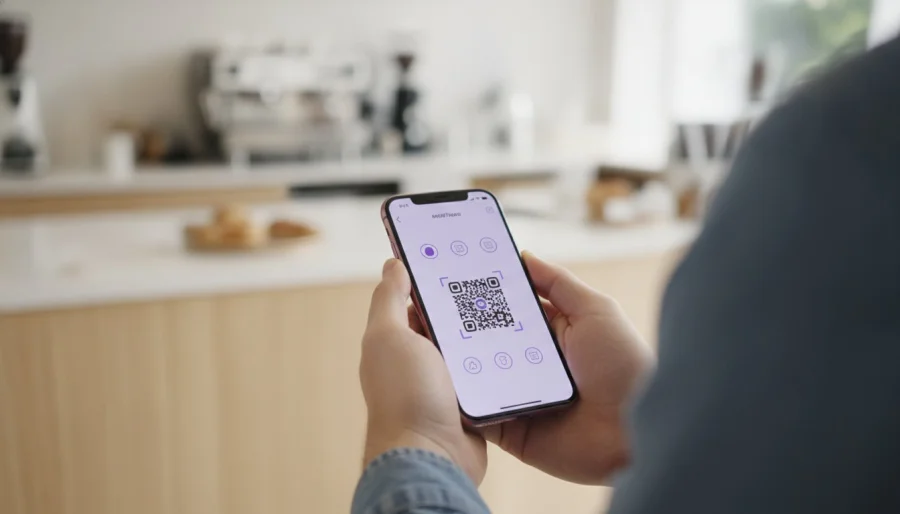
Many business owners assume they need a complex POS integration to launch a rewards system. This is a costly mistake. POS-integrated systems often come with hidden fees and technical bugs that disrupt your checkout flow. Hardware-free systems have become the new gold standard because they remove these barriers. By using QR-code based "Scan to Earn" functionality, you can start rewarding customers instantly. You don't need a technician or a new cash register. To stay ahead of the curve, you should explore the latest customer loyalty technology trends 2026. This shift toward simplicity allows you to focus on your service rather than your software.
Key Criteria for Comparing Loyalty App Software
Choosing the right loyalty platform requires looking past flashy features to find true operational efficiency. Start with deployment speed. Your staff should be able to master the system in minutes, not weeks. If the software requires a 50-page manual or a dedicated IT consultant, it's going to fail on the front lines. You need a solution that integrates into your daily workflow without causing a bottleneck at the register. A fast setup allows you to test your rewards strategy and make adjustments based on real-world results immediately.
Customer friction is the silent killer of retention. In 2026, forcing a customer to download a standalone app is a heavy ask. Most people already have "app fatigue" and won't sacrifice storage space for a single local business. Recent research into mobile loyalty program trends shows that consumers are far more likely to engage when the rewards live where their credit cards already are. This approach increases visibility and ensures your brand is just a swipe away. Ready to see how ease of use can transform your shop? You can create your first digital pass to see the difference for yourself.
Data accuracy is your next benchmark. A professional system must track Customer Lifetime Value (CLV) with precision. With 51.4% of marketers now using AI in their programs according to 2026 industry reports, your data needs to be clean and actionable. Finally, prioritize customization. A white-label experience ensures your logo and colors stay front and center. This reinforces brand recall every time a customer checks their balance or receives a notification.
Mobile Wallet Integration vs. Standalone Apps
Standalone apps often end up in the "app graveyard" on the last page of a smartphone. Mobile wallet integration solves this by placing your rewards card inside Apple Wallet or Google Wallet. This convenience is a game changer for retention. You can send geo-targeted push notifications that appear when a customer is near your store. This happens without the customer ever needing to open a specific app. For a deeper look at these tools, check our guide on digital customer loyalty software.
Stamp Cards vs. Points Systems
The best reward structure depends on your business model. High-frequency businesses like coffee shops thrive on digital stamp cards. They offer instant gratification and a clear path to a free product. High-value businesses like salons or spas often prefer points systems. These allow for more flexible rewards, such as a percentage off a premium service. The psychology of a "filled" stamp card is powerful; it creates a sense of progress that keeps customers coming back. You can learn more in the complete guide to digital reward points systems.
Comparing the Top 3 Loyalty Platform Categories
Finding the right loyalty platform becomes much easier when you categorize the market into three main buckets. Each category serves a specific type of business owner and offers different levels of technical involvement. By matching your business model to the right category, you avoid the common trap of overpaying for features your customers won't use. Most businesses fall into one of these three groups: E-commerce Specialists, Enterprise API Engines, or Digital-First Standalone Platforms.
- E-commerce Specialists: These are built specifically for online storefronts like Shopify. They excel at tracking digital shopping carts but often struggle to bridge the gap to a physical retail location.
- Enterprise API Engines: These provide a "loyalty infrastructure" for massive corporations. They offer infinite customization but require a dedicated team of developers to build and maintain the system.
- Digital-First Standalone Platforms: These are designed for the modern local business. They prioritize speed, mobile wallet integration, and hardware-free operation. They work best for restaurants, salons, and growing retail chains.
Enterprise Engines: High Power, High Complexity
Platforms like Open Loyalty fall into the enterprise category. These are powerful tools for businesses that want to build a completely unique rewards ecosystem from scratch. However, they come with a high barrier to entry. The cost of implementation is significant, and the technical knowledge required can be overwhelming for a small-scale operator. If you don't have a dev team on standby, an enterprise engine can quickly become a budget drain rather than a growth tool. They are great for custom builds but notoriously bad for quick launches.
Digital Stamp Platforms: The Modern Solution for Retail & Service
Digital-first platforms like BonusQR bridge the gap between simple paper cards and complex corporate engines. These tools focus on a "no-code" approach that allows non-technical owners to launch a professional rewards system in days. Instead of complex integrations, they use QR codes and mobile wallet passes to track visits. This is often the most affordable loyalty software for small business because it removes the need for expensive POS hardware or custom app development. It’s a strategic choice for owners who value efficiency and customer convenience above all else.
When you choose a standalone loyalty platform, you're opting for agility. You can change your rewards, update your branding, and send push notifications without calling a developer. This flexibility is essential in 2026, where consumer preferences shift faster than ever. By focusing on a mobile-first experience, you meet your customers where they already spend their time: on their phones.
Industry-Specific Needs: Finding Your Perfect Match
Every business operates with a unique rhythm. A coffee shop needs to process rewards in seconds during a morning rush. A law firm or consulting agency needs a way to thank clients for high-value referrals. Using a generic loyalty platform that doesn't respect these workflows is a recipe for low adoption. To maximize your return on investment, you must choose a system that mirrors how your customers actually interact with your brand. Choosing the right engine means matching technical features to daily operational realities.
- Restaurants & Cafes: Prioritize transaction speed. Use digital stamp cards that customers can scan at the counter without slowing down the line.
- Professional Services: Focus on referral mechanics. Use a points system to reward clients who bring in new business, helping you grow through word-of-mouth.
- Retail Stores: Leverage geo-targeted notifications. Send a "welcome back" discount to a customer's mobile wallet when they walk within a block of your storefront.
- Agencies & Consultants: Look for white-label capabilities. This allows you to offer loyalty as a premium service to your own clients while keeping your brand at the center of the experience.
Loyalty for High-Touch Service Businesses
Salons and spas rely on deep personal trust. When a client books a high-value service, they want to feel like a VIP, not just another entry in a database. A branded loyalty platform reinforces this relationship by keeping your specific aesthetic front and center in their mobile wallet. Features like "refer-a-friend" rewards are especially powerful here. They turn your most loyal clients into active brand ambassadors. For a deeper dive into these strategies, read our loyalty program for salons guide.
The Agency Angle: White-Labeling Your Loyalty Solution
Marketing agencies in 2026 are moving away from simple lead gen and toward full-cycle retention. By using white-label software, you can provide a custom loyalty app to your clients without building it from scratch. This allows you to own the client relationship and prove ROI through clear data and analytics. You can manage multiple brands from a single dashboard while each client sees only their own branded interface. Learn how to scale your agency with white label loyalty app development.
Ready to see how a tailored approach can transform your specific business? You can start your free loyalty trial today and build a system that fits your industry perfectly.
Why BonusQR is the Strategic Choice for 2026
BonusQR stands out as the ultimate loyalty platform for businesses that prioritize speed and simplicity. It eliminates the technical barriers that often stall digital transformation. The "No POS, No Problem" approach means you don't have to worry about hardware compatibility or broken integrations. Instead, you get a streamlined system that works independently of your cash register. This hardware free model saves you money and time; it allows you to focus on serving your customers rather than troubleshooting software.
The primary competitive advantage lies in the seamless Apple and Google Wallet integration. Your rewards program lives where your customers already store their credit cards and boarding passes. This positioning bypasses the "app fatigue" mentioned earlier in this guide. It ensures your brand stays visible without requiring a single megabyte of extra storage on a customer's phone. You can easily switch between digital stamp cards and points systems as your marketing strategy evolves, giving you the flexibility to test what drives the most visits.
Seamless Onboarding for Customers and Staff
Time is your most valuable asset. BonusQR offers a 5-minute setup process that lets you create a professional digital card almost instantly. You don't need a graphic designer or a developer to get started. Once live, the "Scan to Earn" simplicity keeps your checkout line moving. Staff only need to show a QR code for customers to scan. It’s a low friction interaction that feels modern and efficient. This ease of use ensures your team will actually use the system every day.
Future-Proofing Your Retention Strategy
The digital landscape moves fast, but your retention engine should move faster. BonusQR is built to evolve alongside mobile wallet updates, ensuring your passes always look and function perfectly. It’s not just a tool; it’s a long-term partner for your growth. Viewing your rewards program as a boost customer lifetime value software transforms it from a monthly cost into a profit engine. You’re building a database of loyal fans who are incentivized to return again and again.
Scaling your business shouldn't mean starting over. BonusQR offers white-label development options that allow you to maintain your brand identity as you expand. Whether you’re a single boutique or a national franchise, the software scales with you. You can own the entire customer experience from the first scan to the final reward. This professional, branded approach builds the kind of trust that keeps customers coming back for years. It’s the smartest way to secure your revenue in 2026 and beyond.
Future-Proof Your Business with a Modern Retention Engine
The shift toward digital-first engagement is no longer a trend; it's a requirement for survival in 2026. You've seen how the right loyalty platform can transform your customer retention from a manual chore into an automated growth engine. By prioritizing mobile wallet integration and removing the friction of physical cards, you meet your customers exactly where they are. Whether you run a high-traffic cafe or a boutique salon, the focus remains the same: making it effortless for people to return.
BonusQR simplifies this transition by offering a system that requires no POS hardware. You can launch your program in minutes and scale it with custom white-label options as your brand grows. With seamless Apple and Google Wallet integration, your rewards stay top-of-mind and ready to use at a moment's notice. It's time to stop losing revenue to forgotten paper cards and start building lasting value for your clientele.
Start building your digital loyalty platform with BonusQR today and take the first step toward a more profitable, modern business. We're here to help you turn every first-time visitor into a lifelong fan.
Frequently Asked Questions
What is the difference between a loyalty platform and a loyalty app?
A loyalty platform is the backend engine that manages your data, rewards, and customer behavior tracking. A loyalty app is simply the interface where the customer sees their points. Modern systems like BonusQR provide the platform infrastructure but deliver the "app" experience through Apple and Google Wallet. This approach gives you all the power of a professional loyalty platform without forcing customers to download a new, standalone application.
Can I use a loyalty platform if I don’t have a modern POS system?
Yes, you can launch a rewards system without any specialized POS hardware or modern software integrations. BonusQR uses a hardware free approach that relies on QR codes. Your staff can issue stamps or points using any smartphone or tablet. This "Scan to Earn" functionality bypasses the technical headaches of traditional systems, making it an ideal solution for businesses that want to modernize without expensive equipment upgrades.
How much does a typical loyalty platform cost for a small business?
Costs in the loyalty industry vary significantly based on the level of customization and the number of members you manage. Most digital platforms offer tiered subscription models that allow you to pay for only the features you need. While enterprise engines can be expensive, many standalone platforms are designed specifically to fit the budgets of local shops and growing chains. You should prioritize a provider that offers clear, predictable monthly billing.
Do customers have to download an app to use BonusQR?
No, customers never have to download a dedicated app to earn rewards with BonusQR. The system integrates directly with Apple Wallet and Google Wallet, which are already built into almost every smartphone. This removes the "app fatigue" that often prevents people from joining rewards programs. Customers simply scan a QR code at your counter, and your branded digital loyalty card is instantly added to their existing mobile wallet.
Can I migrate my existing paper stamp cards to a digital platform?
Migrating from paper to digital is a simple process that your customers will appreciate. When you launch your loyalty platform, you can manually credit customers for the stamps they have already earned on their old paper cards. This transition ensures that your regulars don't lose their progress. It also provides a great opportunity to explain the benefits of the new system, such as never losing their card again and receiving exclusive mobile notifications.
What is a white-label loyalty platform and why do I need one?
A white-label loyalty platform is a software solution that allows you to replace the provider's branding with your own logo, colors, and identity. You need this to build a cohesive brand experience that earns customer trust. Instead of seeing a third-party app name, your customers see your brand every time they check their points. This professional look is essential for growing businesses that want to project a high-end, established image to their clientele.
Is digital loyalty data secure for my customers?
Digital loyalty data is significantly more secure than physical cards or paper logs. Modern platforms use encryption and secure cloud storage to protect customer information. According to 2026 industry data, 87% of consumers state that data protection is a crucial factor when joining a loyalty program. Using a digital system allows you to comply with privacy regulations while providing customers with a transparent way to manage their own rewards and data preferences.
How do I track the ROI of my loyalty platform?
You track ROI by monitoring specific metrics in your platform dashboard, such as redemption rates and visit frequency. A digital system shows you exactly how many customers are returning and how much they spend compared to non-members. By tracking these patterns, you can see the direct impact on your customer lifetime value. This data allows you to refine your rewards and ensure your program is actively driving profit rather than just acting as a discount tool.


