Set goals and rewards for spin-to-win loyalty promotions
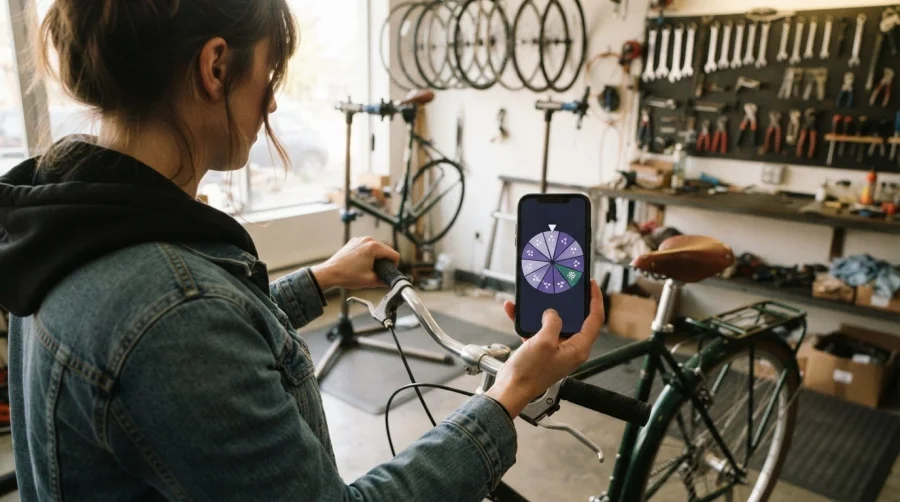
A spin should do more than create a brief thrill. Spin-to-win promotions for loyalty turn a customer interaction into a chance to earn a useful reward, such as loyalty points. One sample wheel awards 500 points on 10 slots and offers one slot with 10,000, 25,000, or 50,000 points.
The appeal is clear: customers get an instant result, and businesses can link the game to actions that build loyalty. Make the rules easy to understand and the rewards worthwhile, so the promotion feels engaging rather than arbitrary.
Learn how to set a campaign goal, choose entry rules, and create a fair branded game. Then explore how to connect prizes with loyalty points and tiers, making each spin part of a broader rewards experience.
Key Takeaways
- Choose a campaign goal first, then set participation rules that support it and are easy to understand.
- Build a balanced prize mix with clear odds, appealing rewards, and a practical plan for redemption.
- Make the game feel branded and straightforward, with visible terms and a simple way to play.
- Connect spins to points and loyalty tiers so rewards can encourage customers to return and engage over time.
- Use campaign results and participant feedback to refine future promotions.
What are games of chance in loyalty programs?
A loyalty game gives a customer a chance to win a prize, often through a digital wheel that reveals an instant result. Some loyalty applications and platforms offer spin-to-win features. The wheel assigns possible rewards to different sections and determines the result when it stops.
-
Match prizes to the campaign goal
Choose rewards that support the action you want customers to take. A discount can prompt a purchase, while free shipping or a sample can make a first order more appealing. Loyalty points can build progress toward another reward, and exclusive access can give returning customers a reason to engage again. For example, a launch focused on repeat visits could offer points or early access, rather than a broad discount.
Keep the prize relevant to what you sell. A product sample introduces an item; a mystery reward creates curiosity, but its value and redemption rules should remain clear. For a wider customer loyalty strategy, make sure each reward supports the experience customers already have with your business.
-
Manage Prize Inventory and Odds
Set the available prize quantities and winning probabilities before launch. A sample wheel uses 24 slots, giving you room to include common rewards alongside less frequent, higher-value prizes. One suggested structure allocates 70-80 percent of wins to frequent, lower-value rewards and 15-25 percent to medium-value prizes.
Make sure you can fulfil the quantities implied by each reward’s odds. If a sample is in limited supply, don’t make it seem as common as a discount you can offer more widely. State prize conditions plainly, and ensure the wheel’s appearance doesn’t mislead customers about their chances.
-
Use Prize Wheels to Drive Visits
Place the wheel where it supports a useful next action, such as a website visit or a purchase. For example, invite a customer to spin after browsing a product page, or award a next-purchase coupon after an eligible purchase. A discount can encourage an immediate order; free shipping can help make online checkout more appealing.
Make the path from spin to redemption easy to follow. Explain whether a prize can be used online or in-store, and show any conditions alongside the result. A limited-time coupon can prompt a return, but make its expiry clear before the customer plays.
-
Connect the Reward to Your Marketing Objective
Define success before choosing prizes. If the goal is product discovery, consider a sample or product reward; if it’s repeat purchasing, consider points or a coupon for a future order. Track participation, sales, and customer feedback to see whether the rewards support your goal.
Review results after the campaign, then adjust the prize mix or entry rules. The wheel should make the offer engaging without obscuring its purpose: every prize, chance of winning, and redemption step should support the action you want customers to take.
Defining campaign goals and participation rules
Set entry rules before launch. State who can participate, how to enter, when the campaign runs, how often each person can play, and how prizes are awarded. Explain eligibility, odds, prize limits, and redemption conditions clearly.
There’s no universal campaign cost or guaranteed return. Costs depend on prize value, fulfilment, platform setup, and promotion reach. Assess ROI by comparing incremental sales with campaign costs.
- Choose one measurable objective. Decide whether the campaign should increase participation, encourage purchases, or build interest in a product. For example, a retailer could require a purchase code to focus on buyers. Compare campaign sales with a suitable baseline, and consider participant feedback alongside the sales results.
- Set entry and eligibility conditions. Specify the qualifying action, entry window, repeat-entry limit, and any purchase requirement. Participants typically receive one or two weeks to spin. A campaign can also offer a spin for the next 48 hours, or unlock a scratch card after a $50 spend. Make each condition visible before entry.
- Schedule prizes and repeat plays. Decide when prizes become available and how many times a participant can win. A “Try again” section can give participants another chance to engage, but explain whether it grants another spin or simply signals no prize. A scratch card may expire after 24 hours, so display the deadline with the result.
- Use incentives for relevant activities. Link the chance to win with an action that supports your goal, such as making a qualifying purchase or sharing a preference. A loyalty promotion can award a scratch card after a £40 spend. Keep the activity and reward connected, so the incentive feels relevant rather than like an unrelated task.
- Collect only useful participant data. Ask for information you plan to use, and keep entry forms short. For online campaigns, track website interactions; for in-store versions, monitor foot traffic and kiosk use. Review participation, sales, and feedback together. If one version attracts entries but not purchases, adjust its entry rules or incentive before the next campaign.
What Are Branded Spin to Win Games?
A branded wheel makes the reward experience recognizable and gives each spin an immediate result. Design the game to connect a customer’s action with a reward that encourages further engagement.
-
Reward Customers and Encourage Repeat Purchases
Use the game as one part of a broader loyalty experience, not as a replacement for every incentive. Points can reward ongoing engagement, referrals can encourage recommendations, and a wheel can add an instant chance to win. For example, award a spin after a purchase, then offer a reward that encourages another visit.
Match the qualifying action to your audience. A purchase-linked spin can support repeat buying, while a spin earned through another activity can introduce the program to new participants. Keep the action and reward connected so the game feels like a meaningful part of the customer relationship.
-
Use Variable Rewards and Loyalty Points
Build anticipation with rewards that vary in value, but make each possible outcome clear. One sample wheel gives 10 slots a 500-point reward each, while one slot offers 10,000, 25,000, or 50,000 points. That mix gives customers a frequent, attainable reward and a less common larger prize.
Unpredictability can make a spin engaging, but unclear outcomes can frustrate customers. Explain what points can unlock and how customers receive them. A points reward is most useful when it moves someone toward a clear benefit, rather than leaving them unsure what their balance means.
-
Set Wheel Rewards and Slice Probabilities
Choose each reward and its winning probability together. Wheel sections can represent different outcomes, but their visual size shouldn’t imply odds that differ from the actual setup. Check that the segments, prize descriptions, and rules all communicate the same chances of winning.
For example, a wheel might include several lower-value point rewards and one high-value reward. State the odds or explain the prize-allocation method in the campaign terms. This helps participants understand that a prominent prize is possible without suggesting it is as likely as every other result.
- Protect trust with clear rules. In the U.S., requirements can depend on a promotion’s structure and location, so don’t assume one set of rules covers every campaign. Clearly state the organizer, entry method, dates, prizes, winner selection, and how participant data is used.
Risks include confusion about odds, repeated entries, and rewards customers can’t redeem as expected. These issues can damage trust, even when the game is designed to engage. Review the experience from entry through redemption, and make every condition easy to find.
Spin-to-win games offer an instant, variable reward; points programs provide a more predictable path, while referrals reward advocacy. Choose the format that fits the action you want to encourage, and explain how the game supports the wider loyalty experience.
Clear rules, fairness, and appealing design
Keep the game simple to play and understand. A single click online or one in-store spin can make the interactive experience accessible.
-
Simplify Game Mechanics and Entry Rules
Choose one clear entry action, then explain what happens after the spin. A participant might click once online or take one in-store spin. State who can enter, how often they can play, and what they need to do before the game begins.
Decide when to collect information. A registration form can appear before the spin or after it, before a participant claims a prize. Social login or email-only entry can reduce steps. Ask only for data you intend to use, such as an email address for campaign updates.
- Separate entry from optional marketing consent. If you want to send commercial messages or use preferences for profiling, make those choices clear. Additional consent checkboxes can support GDPR compliance when needed. Don’t make optional communications appear to be a condition of spinning or claiming a reward.
Test the full journey on a phone and computer. Visitors should be able to find the spin button, understand the entry action, and see how to claim a prize without navigating several screens. For example, remove an unnecessary form field if it doesn’t support the campaign’s stated purpose.
-
Design a Clear and Fair Campaign
Show the odds or explain how prizes are allocated, and make the wheel’s appearance match the actual chances. A suggested win rate for most loyalty game formats is between 60 and 85 percent. Treat that as a design reference, then ensure the displayed rewards and game rules accurately describe the outcomes.
Use readable labels, contrasting colors, and a clear result screen. Gamification should make the offer engaging, not obscure how the game works. For example, label a points reward with its exact amount instead of relying on an icon alone.
- Put the campaign terms where visitors can find them. Include the organizer, entry method, dates, available prizes, winner selection, and personal-data use. Make these details visible before entry, not hidden behind an unclear link shown after the spin.
Make the prize result and next action equally clear. If a visitor wins, explain how to claim the reward and any conditions. If they don’t win, say so plainly. A concise FAQ can answer questions about spinning, eligibility, and redemption without interrupting the game.
Integrating games with loyalty points and tiers
Connect each spin to the loyalty journey so its value goes beyond the instant result. A clear path to earning points can turn a lucky outcome into progress toward another purchase or tier.
- Define what points do after the spin. Decide whether winning points add to a customer’s balance, count toward tier progress, or serve another purpose. Explain this in the result message. For example, if points move customers toward a tier, show how the reward affects their progress. Don’t imply tier advancement if points only unlock separate rewards.
This distinction makes the feature easier to understand. Customers can see whether the prize supports their next redemption, status goal, or both. Keep the process simple: spin, view the outcome, then see the points reflected in the loyalty experience.
- Build the wheel around useful point amounts. A sample wheel gives 10 slots a reward of 500 points each, while one slot offers 10,000, 25,000, or 50,000 points. This provides a model for combining frequent, smaller rewards with a standout prize. Set amounts that fit your program’s existing earning and redemption structure.
Balance excitement with usefulness. A high point award should feel valuable, but customers also need a realistic way to use their points. Avoid prizes that look impressive on the wheel yet have no clear connection to benefits customers recognize.
- Link points to tier progress with care. Define how customers earn tiers before the campaign begins. If points from a spin count toward a tier, explain that link alongside the prize. If tiers depend on another action, such as eligible purchases, keep that rule separate. Clear distinctions prevent customers from mistaking a points balance for automatic status progress.
Use tier rewards to give the game a longer arc. A customer might win points today and continue earning through regular program activity. The spin adds a moment of excitement, while the tier structure gives customers a reason to stay engaged afterward.
- Make the reward work across customer channels. Keep the result consistent wherever customers use the program, such as in a mobile loyalty experience or a participating store. Show the reward amount, points balance, and next action together whenever possible. If a prize is earned in one channel, explain how customers can use it in another.
For example, a customer who spins online should know whether points appear in their account for later use in-store. Clear handoffs make the game feel like part of one loyalty experience, rather than a separate promotion customers have to figure out.
- Review the journey from spin to repeat action. Track whether participants use their points, return for another purchase, or make progress toward a tier. Compare these actions with the campaign goal, then refine the point amounts or reward mix. Strong integration makes the spin one engaging feature in a program customers can keep using.
Map each prize to its next step before launch. When a customer wins points, show the balance and explain what it can unlock. Use that moment to connect the immediate result with the loyalty program’s longer-term value.
BonusQR
BonusQR helps businesses build a digital loyalty experience with rewards customers can earn and use over time. Its loyalty platform and software support reward programs, while a Points System gives customers a clear way to build toward benefits. A Digital Stamp Card offers another way to recognize repeat visits.
Consider BonusQR when planning how a promotion can complement your loyalty program, points, or stamps. A consistent setup helps customers understand how each activity contributes to their relationship with your business.
Contact BonusQR to discuss your loyalty program needs.
Turn Your Next Promotion Into a Learning Loop
Give your next campaign a clear purpose, then use customer behavior to shape the experience that follows. Notice which rewards prompt a return, where participants stop engaging, and which actions build lasting loyalty. These insights can help you refine future spin-to-win promotions for loyalty without making each campaign more complicated.
BonusQR offers a loyalty application, loyalty platform, and loyalty software to help businesses build connected reward experiences. Bring campaign activity into a broader loyalty approach with rewards that fit your customer journey. Start with the action you want customers to take, then plan how the promotion will complement your existing loyalty experience.
Plan your promotion with BonusQR and take the next step toward a more engaging loyalty experience.
Frequently Asked Questions
What is a Spin to Win Promotion?
A Spin to Win promotion is a campaign where participants play a wheel-based game for a chance to receive a reward. Businesses can connect the game to a customer action, such as joining a loyalty program or making a qualifying purchase. It works best when its purpose is clear: introduce a reward program, spotlight an offer, or add an interactive moment to an existing customer experience.
What is a “spin to win” gamification?
Spin-to-win gamification adds a playful interaction to a business activity. Instead of earning a reward through routine participation alone, a customer plays a short game and discovers the result. For example, a café might invite loyalty members to spin during a seasonal campaign. The game is one engagement feature, not a substitute for a useful loyalty program or clear customer benefits.
What is an online prize wheel and how does it work?
An online prize wheel is a digital game on a website, app, or campaign page. A visitor follows the entry instructions, activates the wheel, and sees the result on screen. The business then explains how to claim or use the reward, such as applying a coupon at checkout. A smooth experience connects the result to redemption without making customers search for the next step.
What prizes and reward types work best for loyalty spin-to-win promotions?
The best spin-to-win promotions for loyalty use rewards that fit the business and the desired customer action. A salon could offer a service-related reward, while a retailer might offer product samples or loyalty points. Consider whether the prize encourages a return visit, product discovery, or program participation. Keep the conditions easy to understand and make redemption instructions clear.
How can businesses set up a spin-to-win promotion for loyalty members?
Start by choosing the customer action the game should support, then define who can participate and how rewards are claimed. Prepare the wheel, entry instructions, and redemption details before sharing the campaign. Test the experience as a participant: enter, play, read the result, and follow the claim instructions. After launch, review participation and reward use to identify where customers lose interest or need clearer guidance.
How can a spin-to-win promotion improve loyalty sign-ups, engagement, and repeat purchases?
Well-designed spin-to-win promotions for loyalty can give prospective members a reason to join and make sign-up more engaging. For existing members, linking entry to a relevant purchase or visit can encourage them to participate again. Let the reward lead naturally into the loyalty program, perhaps by recognizing a repeat visit or supporting progress toward a benefit. Track follow-on actions to assess the campaign’s contribution.
What U.S. laws apply to spin-to-win promotions, sweepstakes, and loyalty rewards?
In the U.S., requirements depend on a promotion’s structure and location, so one set of rules may not cover every campaign. Make the terms visible and explain the organizer, entry method, dates, prizes, winner selection, and use of participant data.
What are typical costs and expected ROI for a loyalty spin-to-win campaign?
There’s no universal campaign cost or guaranteed return. Costs depend on prize value, fulfilment, platform setup, and promotion reach. Assess ROI by comparing incremental sales with campaign costs.


