
 Deutsch
 Español
 Français
 Italiano
 Magyar
 Polski
 Slovenčina
 Čeština
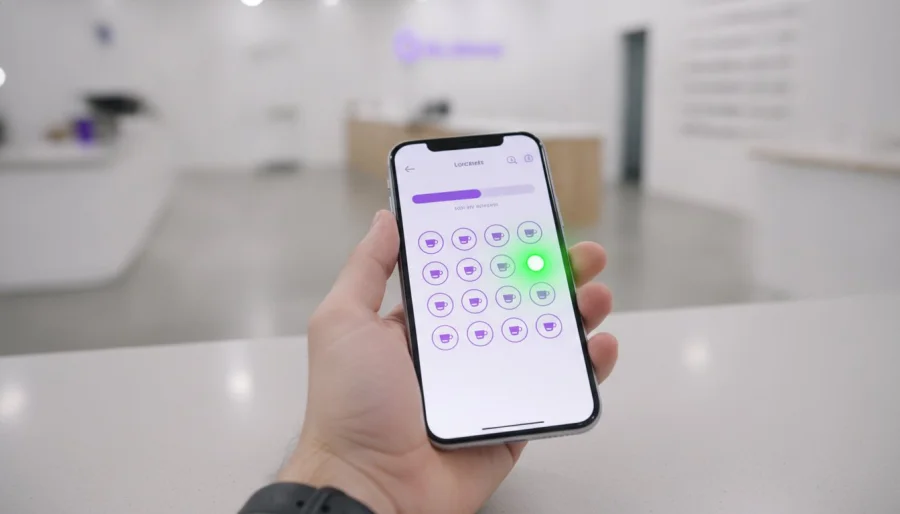
Your loyalty program isn't failing because your rewards are bad; it's failing because the experience is boring. Most business owners feel the frustration of watching expensive reward schemes sit idle while customers lose physical punch cards or simply forget the program exists. It's exhausting to invest in growth only to see high churn and low participation rates. You know your brand deserves more excitement, but traditional methods just aren't cutting it in a mobile-first world. You need a way to stay top-of-mind without being a nuisance.
The good news is that you don't need to build a complex video game to win back your audience. By implementing loyalty program gamification, you can transform stale reward schemes into high-engagement growth engines. This article explores how modern tactics and digital wallet technology can turn routine purchases into addictive progress streaks. You'll discover how to boost repeat visit frequency and collect better customer data without the need for expensive POS hardware or plastic cards. We will break down how to move your brand into the customer's smartphone using digital stamp cards and white-label software that makes loyalty feel like a win every time.
Key Takeaways
- Learn why "invisible gamification" is the secret to making rewards a seamless part of your customer's daily digital habits.
- Master the psychology behind loyalty program gamification to trigger dopamine loops that keep users excited about their next purchase.
- Discover how to double reward completion rates by leveraging the "Endowed Progress Effect" through digital stamp cards and wallet technology.
- Follow a simple framework to launch high-impact streaks and tiered rewards that drive habitual visits without needing a developer.
- Understand how white-label app development builds brand trust and provides a premium experience that lives directly in the customer's smartphone.
What is Loyalty Program Gamification in 2026?
Gamification isn't about turning your business into a video game. It's about using human psychology to make routine interactions feel rewarding. You don't need a massive tech budget to compete with global brands; you just need a smarter way to show your customers that you value their time. By applying game-design elements to non-game contexts, you can drive specific customer behaviors that lead to long-term growth and higher repeat visit frequency.
To understand What is Gamification? in a modern context, look at how it has evolved. By 2026, the strategy has shifted into 'Invisible Gamification.' This means the experience is so well-integrated that it doesn't feel like a separate task. You're no longer asking customers to open a clunky app to play. Instead, you're weaving progress directly into their daily shopping habits. Modern loyalty program gamification moves away from passive 'earn points' models. It focuses on active engagement through challenges and streaks. Digital wallets like Apple and Google Wallet have replaced standalone apps, allowing your rewards to stay visible without forcing the user to learn a new interface.
The Core Mechanics of Gamified Loyalty
Effective programs use specific mechanics to keep users hooked and motivated. These elements transform a simple transaction into a meaningful milestone:
- Points and Currency: These create a tangible foundation for value exchange, giving every dollar spent a secondary purpose.
- Badges and Milestones: These visualize achievement and elevate a customer's status, providing a sense of accomplishment that goes beyond the discount.
- Leaderboards and Social Proof: Tapping into competitive spirits encourages users to reach the next level before their peers do, fostering community engagement.
Why Traditional Loyalty Programs are Failing
Most businesses still rely on outdated tactics that frustrate customers and lead to high churn. Wallet fatigue is a real problem. People are tired of carrying physical plastic cards that get lost or forgotten in a drawer. Without immediate feedback, the dopamine loop that keeps people coming back never starts. If a customer has to wait six months for a small benefit, the emotional connection to your brand dies.
This creates a 'Progress Gap' that acts as a silent killer for retention. When customers can't see their growth in real-time, they simply stop trying. Transitioning to a digital loyalty platform bridges this gap by providing instant updates on every smartphone. It turns a boring reward scheme into a high-engagement growth engine that lives where your customers spend most of their time.
The Psychology of Play: Why Gamification Works
Brains are hardwired to love winning. It isn't just about the prize at the end; it's about the chemical surge that happens during the journey. When you implement loyalty program gamification, you're tapping into deep-seated psychological triggers that influence how people spend their money and time. Instead of a boring transaction, every purchase becomes a step toward a goal. This shift in perspective is what keeps customers from wandering to your competitors.
One of the most effective tools in your arsenal is the Endowed Progress Effect. Research shows that people are more likely to finish a task if they feel they've already started it. If you give a customer a digital stamp card with 0 out of 10 stamps, the mountain looks too high to climb. However, if you give them a card with 12 slots and 2 already "pre-filled" as a welcome gift, their completion rate often doubles. They aren't starting from scratch; they're already on a winning streak. Experts often discuss how to Improve Customer Loyalty With Gamification by balancing these small head starts with meaningful rewards.
Dopamine and the Reward Loop
Dopamine is the brain's "motivation" molecule. It thrives on a simple three-stage loop: Trigger, Action, and Variable Reward. A push notification on a smartphone acts as the trigger. The customer makes a purchase as the action. The reward is the stamp or points they earn. To make this loop addictive, use variable rewards. Surprise bonuses or "mystery" rewards are far more effective than fixed discounts because the brain craves the excitement of the unknown. This keeps the experience fresh and prevents the reward from feeling like a chore.
The Power of Visual Progress
Visualizing the journey is essential for long-term retention. Digital stamp cards act as a visual roadmap, showing the customer exactly how close they are to their next "win." This taps into the Zeigarnik Effect, which is the mental "itch" we feel when a task is left unfinished. An incomplete card in a digital wallet creates a subtle urge to return and fill the remaining slots. Visual progress reduces the perceived effort of a purchase by making the goal feel closer with every interaction.
- Loss Aversion: Customers hate losing what they've earned. Highlighting a "streak" of visits makes them less likely to skip a week and lose their progress.
- Tiered Status: Moving from "Bronze" to "Silver" provides social proof and a sense of exclusivity that purely financial rewards can't match.
Understanding these triggers allows you to build a system that feels like a partner in the customer's daily life. If you're ready to turn these psychological insights into a high-engagement growth engine, you can start building your gamified platform in just a few clicks.
Top Gamification Strategies for 2026
Effective loyalty program gamification relies on clear, repeatable actions that feel rewarding. You don't need the massive budget of a global fast-food chain to implement these tactics. By focusing on simple, habit-building mechanics, you can create a system that scales with your business. Streaks and daily challenges are excellent for encouraging habitual visits. If a customer visits three times in a single week, a small bonus can solidify that behavior. Tiered membership levels also add a layer of prestige. Moving from Bronze to Platinum turns a routine purchase into a status symbol, making customers feel like VIPs every time they scan their phone.
Mystery rewards and social referrals add a layer of excitement and growth. Surprise gifts keep the experience from becoming predictable; the brain loves the "unlockable" content of a hidden prize. Meanwhile, rewarding social referrals turns your most loyal fans into a personal sales force. By gamifying the recruitment of friends, you lower your acquisition costs while building a community around your brand. These strategies ensure that your program remains a dynamic part of the customer journey rather than a static discount code.
Digital Stamp Cards: The 'Gateway' Gamification
The easiest way to start is by moving away from physical punch cards. Most customers lose paper cards before they ever redeem them, which leads to frustration rather than loyalty. Switching to digital stamp card software solves this problem instantly. You can even use "Bonus Stamps" to drive traffic during slow periods. If your Tuesday afternoons are quiet, offering a double-stamp window can fill your shop without expensive advertising. Integration with Apple and Google Wallet ensures your customers have instant access without downloading another standalone app.
Point Systems and Redemption Games
A points system turns every dollar spent into a digital currency. This allows for more granular rewards than a standard stamp card. You can link points to specific revenue ranges to maximize your ROI, ensuring that high-margin items offer the best rewards. To keep the momentum going, implement point decay. A "use it or lose it" policy creates a sense of urgency that prevents customers from hoarding points indefinitely. It encourages them to return sooner to spend their balance before it expires, keeping your brand at the top of their mind and your cash flow steady.
How to Implement Gamification Without a Developer
You don't need a team of coders or a massive IT budget to build a world-class reward experience. Most business owners think they need complex custom-built apps, but the most effective loyalty program gamification relies on simple, accessible tools. By using a modern loyalty platform, you can skip the expensive development phase and move straight to growing your revenue. The process is straightforward and designed for speed.
Step 1: Define your 'One Key Action.' What specific behavior drives your growth? It might be visiting twice a week or spending $50 in a single transaction. Keep it simple so your customers understand exactly how to win.
Step 2: Choose your mechanic. If you want frequency, a digital stamp card is your best friend. If you want to increase total spend, a points system works better. Match the game to your specific business goal for the best results.
Step 3: Setup your software and generate your QR codes. This replaces the need for expensive POS hardware or physical plastic cards. You can print these codes on receipts, table tents, or posters for instant visibility.
Step 4: Distribute via Apple and Google Wallet. This provides a hardware-free experience that lives in the customer's pocket. They don't have to download a new app; they just add a digital pass they already know how to use.
Step 5: Test, analyze, and iterate. Use the data you collect to see which rewards are popular. If a certain challenge isn't working, change it. Real-time data allows you to pivot your strategy instantly.
The 'Scan-to-Earn' Workflow
Checkout friction kills engagement. By placing QR codes at the counter, you allow customers to earn rewards in seconds. They scan the code, and their pass is updated or added to their mobile wallet in two taps. In 2026, a friction-free loyalty loop means the reward feels like a natural part of the payment; it's never an extra chore for the customer or your staff.
Measuring Success: The Gamification Scorecard
Data is your most powerful tool for long-term sustainability. Don't fall into the trap of only tracking signups. A high signup rate with low usage is just a vanity metric. Instead, focus on your Participation Rate to see how many people are actually completing challenges. Calculate the lift in Average Order Value (AOV) from your gamified users compared to non-participants. Finally, monitor your churn rate. If users with active streaks are staying longer, you know your loyalty program gamification is working.
If you're ready to stop planning and start growing, you can create your first gamified campaign today.
Why White-Label Gamification is the Ultimate Retention Tool
Customers don't want another generic app crowding their home screen. They want a connection with the brands they love. When you choose a white-label solution, you're telling your audience that their experience matters. Trust is built when your reward system looks, feels, and sounds like your business. A generic aggregator app often distracts users with competitor offers or unrelated notifications. By keeping customers in your own ecosystem, you eliminate these distractions and focus entirely on your relationship with them.
Implementing white label loyalty app development ensures that your loyalty program gamification stays consistent with your brand voice. You can customize every mechanic to fit your specific aesthetic, from the way points are earned to the visual style of your digital stamps. This premium, immersive experience turns a simple transaction into a brand-building event. It makes your business appear more professional and modern, which is essential for long-term retention in a competitive market.
Building Brand Equity Through Play
Small details create massive impact. Custom icons, brand-specific colors, and unique notification sounds reinforce brand recall every time a customer interacts with their phone. There is a powerful psychological impact when a user sees a 'VIP' card sitting in their Apple or Google Wallet. It creates a sense of belonging and status that generic programs can't replicate. You don't need to spend thousands on custom coding from scratch to achieve this. Using a platform like BonusQR allows you to launch a professional, branded experience at a fraction of the cost, giving you the tools of a global enterprise with the agility of a small business.
Next Steps: Launching Your Gamified Program
Growth doesn't happen by accident; it happens by design. Start by identifying the simplest version of your program. You might begin with a basic digital stamp card to drive frequency and then layer in tiered rewards as your data grows. Review the BonusQR pricing to find a plan that matches your current scale and future ambitions. This approach allows you to test what resonates with your audience without overcomplicating the initial launch.
Ready to gamify your growth? You can register for BonusQR today and start building a loyalty experience that actually sticks. Stop losing customers to boring reward schemes and start building a modern brand that lives in their smartphone.
Transform Your Rewards Into a Growth Engine
The era of physical punch cards and forgotten plastic is over. You've seen how loyalty program gamification leverages human psychology to turn routine visits into exciting milestones. By focusing on visual progress and dopamine-driven rewards, you can build a habitual connection that keeps your customers from switching to competitors. Whether you choose digital stamp cards or a tiered points system, the key is making the experience seamless, digital, and branded.
Moving your loyalty strategy into the customer's smartphone isn't just a trend; it's a necessity for modern retention. You can achieve this without the burden of expensive POS hardware or complex custom coding. A white-label solution ensures your brand remains the star of the show while living directly in the mobile wallets your customers already use every day. It's time to replace friction with fun and turn every transaction into a win for your business.
Ready to see the results for yourself? It's 100% digital and contactless, ensuring a smooth experience for both your staff and your clientele. Start your gamified loyalty journey with BonusQR today. Our platform works with Apple and Google Wallet, allowing you to launch a premium program with no POS hardware required. Your growth is just a few clicks away.
Frequently Asked Questions
Is gamification too expensive for a small business?
Gamification is surprisingly affordable for small businesses when using cloud-based platforms. You don't need to hire a developer to build custom games from scratch. Instead, you pay a manageable monthly fee to access pre-built mechanics like digital stamp cards and points systems. This approach eliminates the high upfront costs of traditional software development, making loyalty program gamification a viable growth strategy for any budget.
Do I need special hardware to scan gamified loyalty cards?
You don't need any special POS hardware to manage a digital program. Modern systems use simple QR codes that your staff can scan using a standard smartphone or tablet. This setup removes the need for expensive scanners or complicated integrations. It's a 100% digital and contactless solution that works right out of the box, allowing you to focus on customer engagement rather than technical troubleshooting.
Can gamification work for B2B companies or just retail?
Gamification is highly effective in B2B environments for driving specific professional behaviors. You can reward clients for hitting volume milestones, attending training sessions, or making early payments. Instead of just retail discounts, B2B programs often use tiered membership levels to offer exclusive support or early access to new products. It transforms a standard vendor relationship into a collaborative partnership focused on mutual growth.
How do I prevent people from 'gaming' or cheating the system?
Digital loyalty software includes built-in security features to prevent fraud. You can set daily scan limits, implement time-based delays between rewards, and use unique QR codes that expire after use. These automated safeguards are much more reliable than physical punch cards, which are easily faked or shared. You get complete control over your reward distribution while maintaining a fair experience for all genuine customers.
What is the best gamification feature for a coffee shop?
The digital stamp card is the gold standard for coffee shops because it rewards frequency. To boost engagement, you can add "streaks" that offer a bonus for visiting three days in a row. This encourages habitual behavior and ensures your shop becomes a part of the customer's daily routine. You can also use "bonus stamp" hours to drive traffic during your quietest afternoon periods.
How do I move my existing paper card customers to a digital gamified app?
Transitioning customers is easy when you offer a small incentive to make the switch. Give users a "head start" by honoring their existing paper stamps and adding a bonus for going digital. Place QR codes at your checkout and on every table to make the download process instant. Most customers prefer the convenience of having their rewards in their mobile wallet rather than carrying physical cards.
Does gamification actually improve customer lifetime value (CLV)?
Yes, gamification significantly improves CLV by increasing both visit frequency and average order value. When customers are chasing a milestone or maintaining a streak, they return more often and are more likely to add items to their purchase to reach a point threshold. This consistent engagement builds long-term brand loyalty, which reduces churn and makes every customer more profitable over the lifetime of their relationship with you.
Can I integrate gamified loyalty with Apple and Google Wallet?
Integration with Apple and Google Wallet is a core feature of modern loyalty program gamification. This allows your customers to store their rewards pass alongside their credit cards and boarding passes. It ensures your brand stays visible without requiring the user to download a separate, clunky app. Notifications can even trigger when a customer is near your physical location, bringing them back through your doors.