Customer retention for car washes: loyalty, feedback, and follow-up
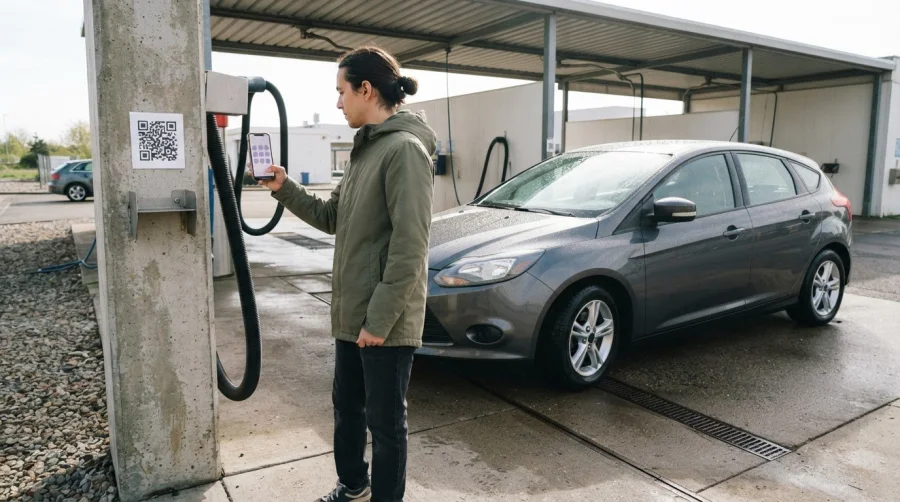
A loyalty program can encourage repeat car wash visits, but rewards need to feel reachable and useful. A practical approach to customer retention for car wash businesses is to pair simple rewards, such as a free wash after a set number of paid visits, with timely follow-up. For typical customers, the reward threshold should be achievable within 6-8 weeks.
Keeping customers coming back takes more than discounts. A smooth visit, consistent wash quality, and an easy way to share feedback all influence whether customers choose your car wash again. Visit records can also help you spot when a regular customer’s routine changes.
This article explains how to create a loyalty offer, collect and act on feedback, personalize follow-up, and reconnect with inactive customers using visit records. You’ll find practical ways to encourage repeat visits without relying on one-size-fits-all promotions.
Key Takeaways
- Test a clear reward structure, such as a free wash after a set number of visits, and track whether customers return to earn it.
- Use visit patterns to distinguish occasional customers from regulars, then shape loyalty offers around how each group uses your wash.
- Ask for feedback after visits and use recurring comments to spot service issues worth addressing.
- Review visit records for customers who have been away for 60 days, then send a relevant, timely reason to return.
- Make repeat visits easy with simple rewards and follow-up that feels personal rather than like a blanket promotion.
1. Car Wash Loyalty Programs: Do They Actually Work?
Yes, a well-designed loyalty program gives customers a reason to choose your wash again. Set a reward that feels worthwhile and attainable: car wash businesses can offer a free wash after seven to 10 visits. For typical customers, the reward threshold should be achievable within 6-8 weeks. That keeps the goal visible without making customers wait too long to benefit.
Start by choosing one clear structure. A digital stamp card can award a stamp for each wash, while a points system can let customers collect credits toward washes or other rewards. Then decide which purchases qualify, what customers can redeem, and how staff will explain the program at checkout. Track enrollment, visits, rewards earned, and redemptions. These records show whether members return and whether the reward is being used. A loyalty approach for small businesses also works best when its rules are easy to understand during a quick visit.
Carrera Car Wash & Cafe offers a concrete example. The Melbourne business has run a digital loyalty program since 2013, awarding one digital stamp per car wash. Customers receive a free inside-and-outside wash voucher after collecting nine stamps. Members can also receive a free coffee or soft drink when they sign up. Carrera has gained hundreds of loyal members and issued thousands of stamps and rewards. The example shows how a straightforward reward can support repeat visits while adding a small welcome benefit.
Points offer flexibility, while discounts give customers an immediate reason to return. You could reward frequent visits with a free wash after a set number of paid services, or use tiered discounts to recognize customers who choose higher-value wash options. Keep the cost of each reward in view: it should encourage another visit without undermining your margin. A good car wash loyalty program makes progress easy to understand and the reward relevant.
Monthly unlimited-wash memberships can suit frequent customers, while punch cards may work better for occasional visitors. A subscription can make repeat visits convenient, but customers should never feel trapped. In the United States, recurring subscriptions may be subject to federal and state consumer-protection and payment rules that vary by location and plan. Make billing, renewal, and cancellation terms clear, and keep cancellation straightforward.
Set membership pricing with your wash menu, expected customer use, and cost per wash in mind. Compare expected membership revenue with operating costs, then choose a price that encourages repeat use while supporting a sustainable margin. Review visits and redemptions regularly. If the data shows customers aren’t using the plan, adjust its structure or rewards.
2. Who are frequent car wash users?
Frequent users are customers whose visit patterns make your wash part of their routine. Regular car wash customers average 12-15 visits per year, while occasional visitors come less often. That distinction helps you recognize who already returns consistently and who may need a different reason to visit again. Track visits by customer over a consistent period, rather than relying on staff impressions or a busy day’s traffic.
Frequency is useful, but spending matters too. A customer who visits often for a basic wash may generate a different amount of revenue than someone who visits less frequently and buys premium services. Review each customer’s visit count and purchase history together. The top 25% of customers account for about 65% of revenue at most car washes, though the pattern isn’t a fixed split for every business. Use your own records to identify which customers contribute repeat visits and higher sales.
Customer lifetime value helps connect these patterns over time. Loyal car wash customers can be worth up to eight times more than new customers over their lifetime. To estimate lifetime value, multiply the average revenue per customer over a given period by the customer’s expected relationship duration. For a more useful profitability measure, account for the costs of providing washes and other services. Use the same time period and method when comparing customers, so the results support clear decisions.
Retention and churn show whether customer relationships are continuing. Calculate retention by dividing the customers from a starting period who return during the period measured by the original customer group. Calculate churn by dividing customers who stop returning by that starting group. Track both alongside visits and revenue: a change in spending alone can hide a decline in repeat visits.
Timing can help you spot potential regulars early. Customers who return within two weeks of their initial visit have a 70% chance of becoming regular clients. That makes the first return visit a useful point for relationship-building: record the visit, recognize the customer, and follow up with a relevant reason to come back. Consistent service and thoughtful communication can make a particular customer feel recognized, rather than treated as another transaction.
Use a simple customer record to guide marketing: note visit dates, wash types, spending patterns, and reward activity. Then group customers by behavior, such as frequent basic-wash users or customers who choose detailing. A points system can help organize rewards around repeat visits, while records show which offers attract customers back. To put a loyalty program into action, organize visit-based rewards around the customers you want to retain.
3. Customer feedback and personalized offers
A practical approach to customer retention for car wash businesses starts with listening. Ask one clear question after a wash, such as whether the result met expectations. Offer an optional comment field for details about wait times, staff interactions, or cleaning quality. Review responses regularly, group similar comments, and assign a next step. If several customers report a missed area, review the wash process with staff and check the finished service consistently.
Show customers that you act on feedback. Reply to online reviews, thank customers for positive comments, and address specific concerns without getting defensive. When a customer reports a problem, explain what action the team will take. If it involves service quality, use the feedback to review procedures and staff training. Consistent follow-up helps improve the experience customers receive.
Personalized offers work best when they reflect customers’ choices. Use purchase history and service preferences to distinguish, for example, customers who regularly choose an exterior wash from those who purchase detailing. Then send a relevant offer instead of the same discount to everyone. A mobile promotion offering 25% off washes until 4 pm is one example of a time-limited offer that can encourage a visit during a quieter period.
Keep members engaged between visits with useful messages rather than constant promotions. A welcome email can explain how rewards work, while a post-service thank-you can invite feedback. A birthday discount offers a personal reason to return. Exclusive deals and tiered rewards can suit different preferences, such as priority service, exclusive hours, or special pricing on additional services. State each offer’s terms clearly.
Relevant add-ons give customers more choice during a visit. Car washes can offer self-serve vacuums, deodorisers, and pressurised air alongside wash services. Use feedback and purchase patterns to decide which options to feature in follow-up messages. For example, a customer who often uses a vacuum may be more interested in a related offer than an unrelated service discount.
Customer retention for car wash businesses also relies on consistent service. Standardize wash procedures, train staff regularly, and check completed services for inconsistencies. Keep facilities clean, maintain equipment, and monitor wait times, since each can shape the visit customers remember. Link service improvements with thoughtful follow-up, so customers have reasons to return beyond the next promotion.
4. Identifying inactive customers through visit records
A customer who hasn’t visited recently may be slipping away, but inactivity depends on their usual routine. Compare each customer’s latest visit with their own past visit pattern. For example, someone who usually comes weekly needs attention sooner than someone who visits occasionally. Review customers with no visit in the last 60 days as one practical starting point, then adjust the window to fit your customers’ habits.
Use a consistent process to review customer activity. Record visit dates against customer profiles, then group customers by typical visit frequency and last wash date. Flag customers whose gap between visits exceeds their usual interval. A turnover chart covering the last seven weeks can reveal changes across customer groups, while a three-month gap can help identify people who may have stopped visiting. Treat these as useful review periods, not universal definitions of churn.
Analytics can help distinguish a temporary pause from a meaningful change. Track visit frequency, wash type, spending, and reward activity together. One customer may visit less often but still choose higher-value services; another may have stopped visiting altogether. Compare recent activity with each customer’s own history, then sort flagged records by past revenue and service use. This helps you prioritize follow-up without treating every inactive customer alike.
Give high-value customers a personal response. If a frequent customer who usually chooses detailing hasn’t returned within their usual interval, send a relevant invitation rather than a generic promotion. Track whether they respond, return, or remain inactive, and record the outcome. Over time, you’ll see which messages bring customers back and which groups may need a different approach.
Which marketing strategies bring lapsed car wash customers back? Send a timely, relevant offer based on visit and purchase history, such as a discount on a wash they’ve bought before. A brief message can also remind them of a convenient service or invite feedback if a previous visit may have fallen short. Track responses and return visits so future outreach reflects customers’ actual behavior.
Make follow-up useful and manageable. Review inactive-customer records regularly, then give each flagged group a clear next step: send a personalized offer, ask for feedback, or pause outreach if there’s no response. Respect customers’ time and avoid repeating the same message. Compare return visits after each campaign with the group’s earlier activity. This gives you a practical way to refine outreach and strengthen relationships with frequent customers.
5. Customer retention challenges in the car wash industry
Car wash customers don’t all follow the same routine. Occasional customers visit 2-3 times annually, while regulars may return much more often. A long gap can make it harder to build a washing habit: customers who wait longer than a month before returning have a 15% likelihood of becoming loyal customers. The practical challenge is encouraging a second visit before the first wash fades from memory.
Daily operations influence whether customers return. Someone may appreciate a reward but leave after an unexpectedly long wait or an inconsistent wash. Equipment problems, dirty brushes, and unclear service options can also weaken the experience. Set a maintenance schedule, standardize wash procedures, and train staff regularly. Consistent service gives valuable customers reasons to come back beyond a promotion.
Compare retention rates for automatic, self-service, and full-service washes using the same measurement period and customer definition. Automatic wash visits may be easy to record, while self-service visits and full-service packages can follow different purchase patterns. Segment each format, then compare repeat visits and returning customers over equivalent periods. This helps reveal where operations or convenience may affect loyalty.
The best customer retention software for a car wash is one that fits its operations and records useful customer activity. Look for visit histories, customer profiles, reward tracking, and ways to group customers by visit frequency or service choice. For example, a manager could distinguish frequent full-service customers from occasional self-service users. Easy-to-review records can support targeted follow-up without adding unnecessary steps for staff.
Use customer records to find friction, not just to send promotions. If repeat visits drop after equipment downtime, review maintenance and share service updates. If customers stop returning after a particular service, examine feedback and staff procedures. Track results after each operational change. This helps distinguish an experience issue from a promotion that simply didn’t encourage another visit.
Match marketing to the reason a customer might return. A former customer who chose a premium wash could receive a relevant offer for that service; someone who values convenience may respond to a clear reminder about available options. Review responses, redemptions, and subsequent visits. If customers don’t respond, change the message or timing instead of sending the same discount repeatedly.
Make retention a regular part of operations. Review visit patterns, customer feedback, and service consistency together, then choose one improvement to test. A successful approach connects reliable washing with useful follow-up. To put a digital loyalty program in place, set up a customer reward program that supports repeat visits.
BonusQR: Custom White-Label App Development
BonusQR helps car washes build a branded loyalty experience to encourage repeat visits. Its custom white-label app development supports businesses that want their own branded application, while its loyalty platform provides digital rewards through Stamp Card and points programs.
Consider a digital loyalty application if paper-based tracking or disconnected follow-up makes customer loyalty harder to manage. It gives customers a convenient way to access rewards and helps connect your program with the repeat-visit strategies in this guide. Choose an approach that fits how your car wash wants to recognize returning customers.
To discuss a loyalty solution for your car wash, contact BonusQR.
Build a repeat-visit routine your team can sustain
Make customer retention for car wash businesses an ongoing operating habit, not a campaign you launch only when visits slow. Decide who will review customer activity, which changes call for follow-up, and when to assess results. A clear owner and regular process turn useful customer information into practical next steps.
Keep the routine manageable. Start with one change your team can deliver reliably, then watch how customers respond before adding more. If staff can explain the offer, record the outcome, and act on feedback without disrupting service, the approach is easier to maintain. Adjust anything that adds friction for customers or employees.
That steady focus can help your car wash build stronger customer relationships over time. If you’re ready to shape a loyalty approach around your business, discuss your next step with BonusQR. Keep the plan practical, keep learning from each visit, and give customers a clear reason to return.
Frequently Asked Questions
Car Wash Loyalty Programs: Do They Actually Work?
Yes, loyalty programs can encourage repeat visits when rewards are relevant and the rules are easy to follow. Compare members’ return patterns before and after launch, and check whether redemptions lead to extra visits or simply discount visits customers would have made anyway. Keep comparison periods consistent. Review results alongside service costs, then adjust rewards if they attract visits without supporting sustainable profit.
Who are frequent car wash users?
Frequent users are customers who return on a consistent cycle based on their own service choices and visit history. To identify them, compare each customer’s time between visits instead of applying one cutoff to everyone. Someone who regularly buys a particular wash package may have a different routine from someone who comes in for occasional detailing. Segment records by service type to see those patterns.
Which car wash loyalty programs and rewards increase repeat visits?
Rewards that suit customer preferences give people a clear reason to choose your wash again. Offer a simple choice, such as working toward a service upgrade or collecting points for a relevant reward. Explain how customers earn and redeem rewards when they sign up, and make their progress easy to see. Review which rewards customers redeem, then refine the options based on demonstrated interest.
How do unlimited monthly car wash memberships affect customer retention and revenue?
Unlimited monthly memberships can encourage repeat use and recurring revenue, especially among customers who wash often. Their financial effect depends on visit frequency, the cost of each wash, and whether member traffic fits available capacity. Track visits and service costs by membership group. Clear billing, renewal, and cancellation terms also help customers understand the commitment and make an informed choice.
How do seasonality, location, and local competition affect car wash customer retention?
Weather and seasonal driving patterns can affect how often customers want a wash, while location influences convenience and access. Nearby alternatives may also shape where customers choose to go. Compare visit patterns across seasons and customer groups, then tailor messages to current conditions. For example, a reminder after a stretch of poor weather may feel more timely than a routine promotion sent to everyone.


