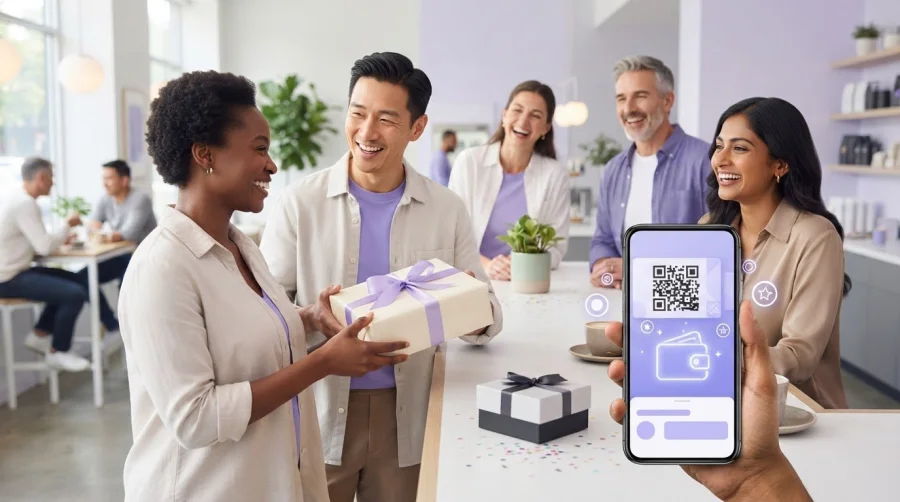
A birthday discount isn’t the only way to make customers feel special. In Birthday Hunter’s July 2026 analysis of 228 birthday offers, 97% offered a free item rather than just a discount. The right birthday rewards program ideas for your business depend on what customers will use, what your margins can support, and what your team can deliver reliably.
A generous offer can be appealing, but a reward that costs too much, goes unused, or attracts a one-time visit may miss the mark. Even a strong idea needs clear rules and a reliable way to collect birthdays and send the offer on time.
This guide compares 15 practical reward options and shows how to match them to your business, from complimentary items to points and limited-time perks. You’ll also find ways to set redemption rules, manage costs, and deliver rewards through a simple, trackable process. Choose an offer customers can enjoy and your business can sustain.
Key Takeaways
- Explore birthday rewards program ideas across treats, discounts, bonus value, and experiences to find options that fit your business.
- Compare each reward by customer appeal, cost control, fulfillment effort, and ease of redemption.
- Set an objective, choose an offer, define its terms, select a delivery method, and review its performance.
- Collect only the birthday information you need, and explain how you’ll use it to run the program.
- Consider a digital loyalty experience: BonusQR offers digital stamp cards, points systems, and Google and Apple Wallet integrations.
Birthday rewards programs: Why a thoughtful offer can strengthen customer relationships
A birthday rewards program is a timely benefit a business offers to recognize a customer on or around their birthday.
Unlike a general loyalty reward, which customers typically earn through purchases or visits, a birthday reward recognizes a personal occasion. It could be a complimentary treat, a small gift, or an experience that suits the business. The offer gives customers a reason to consider visiting and makes the interaction feel more personal than a standard promotion. It can support a relationship, but it still needs to feel relevant and be easy to understand.
Birthday offers can sit alongside a broader Loyalty program, which may reward customers through points, tiers, or other benefits. A birthday offer has a different purpose: it marks an occasion rather than asking customers to reach a spending or visit target. That distinction can help you decide whether the reward is available to all enrolled customers or tied to your wider loyalty structure.
What makes a birthday reward feel personal?
Recognition comes from the details, not just the value of the offer. Use friendly, direct wording and tell customers exactly what they’ll receive, how to claim it, and when they can use it. “Enjoy a birthday dessert on us” is clearer and warmer than a generic message announcing a promotion.
Keep the tone inclusive. Don’t assume how customers celebrate, who they celebrate with, or that the date you have is their exact birthday. A simple “birthday treat” or “birthday month” message leaves room for customers to enjoy the offer in a way that suits them. Clear terms also prevent a pleasant surprise from becoming confusion at checkout or when booking.
Which businesses can use birthday rewards?
Almost any business can adapt a birthday reward to a natural customer occasion. The strongest birthday rewards program ideas connect the offer to something customers already value, rather than adding an unrelated discount.
- Cafés: Offer a drink or pastry that fits a regular coffee stop.
- Restaurants: Add a dessert or appetizer to a birthday meal.
- Salons: Include a small add-on with a haircut or scheduled treatment.
- Retailers: Give a sample or birthday-month perk that supports a planned purchase.
- Service businesses: Offer a relevant extra alongside an appointment or repeat service.
Use these as starting points, not rules. Match the reward to your products, fulfillment capacity, and customer expectations. A relevant gesture is more likely to feel like recognition than an offer chosen only because it’s easy to advertise.
15 Birthday rewards program ideas, from simple treats to loyalty points
The strongest birthday rewards program ideas fit both the customer’s reason to visit and the way your business operates. The right birthday reward balances what customers value with what your margins can support. Use these 15 concepts as starting points, then adjust the value and terms to suit your offer.
Birthday reward ideas for cafés, restaurants, and service businesses
Choose a reward that’s easy to explain and fulfill during a visit or appointment. A minimum spend or booking condition can help control costs, but extra requirements may make the offer feel less generous. Keep conditions simple and check that they make sense for your customers.
- Complimentary item: Give a birthday drink or dessert with a meal or visit.
- Sample: Let a customer try a product they might want to buy again.
- Small add-on: Include a topping, accessory, or other low-cost extra with a purchase.
- Service upgrade: Add a relevant enhancement to a booked service.
- Percentage-off offer: Take a set percentage off an eligible purchase or service.
- Fixed-value discount: Apply a defined amount off, with clear terms if a minimum purchase is required.
- Birthday bundle: Pair complementary products or services at a special combined value.
- Guest experience: Invite the customer to bring someone along to a birthday activity or tasting.
These are adaptable options, not guaranteed performance recommendations. Penn State Extension discusses how loyalty programs can help attract consumers to value-added businesses. Shape a birthday offer around the value your business already provides.
Birthday reward ideas for retail and points-based programs
Retailers and businesses with points systems can add a birthday benefit to existing rewards or choose a straightforward offer customers understand at a glance. A discount may be simpler than adding a new points rule, especially if customers don’t already use points regularly.
- Birthday points: Add a one-time points bonus to the customer’s account.
- Double-points period: Let eligible purchases earn double points during a stated birthday window.
- Visit bonus: Award extra points when a member shops or books during their birthday month.
- Curated gift: Offer a small item selected to suit your range and customer base.
- Birthday-month discount: Give customers more time to use a percentage-off offer.
- Fixed-value retail reward: Apply a set amount off an eligible purchase.
- Early access: Give the customer an invitation to preview a new product or event.
For points-based offers, make the earning and redemption rules easy to follow. If you’re considering a digital approach, explore how digital reward points systems work before adding another mechanic.
How to compare birthday rewards by customer appeal, margin, and ease
A generous offer isn’t automatically profitable or sustainable. Its impact depends on the terms, customer response, and the cost of providing and fulfilling it. Compare birthday rewards program ideas against your own margins and operating capacity before choosing one. Research from MIT Sloan Management Review emphasizes that loyalty programs should support a business’s core value proposition, not distract from it.
| Reward format | Perceived value | Cost control | Ease of fulfillment | Redemption friction |
|---|---|---|---|---|
| Free item | Clear and tangible when it’s something customers want | Can be bounded by selecting an eligible item | Usually straightforward if staff know the offer | Low if eligibility and claiming steps are clear |
| Discount | Easy to understand; value varies with purchase size | Define the percentage or fixed amount and any limits | Simple if terms are easy to apply | Can rise with exclusions or minimum-spend rules |
| Bonus points | May feel valuable to customers who already use points | Set the bonus amount and any redemption conditions | Depends on how points are recorded and explained | Higher if customers must wait or reach a threshold to use them |
| Experience | Can feel distinctive when it suits the business | Set attendance, booking, or availability limits | May require more staff coordination | Can increase if customers need to book or meet several conditions |
Which birthday offer is easiest to control?
Bounded rewards, such as one selected item or a defined points bonus, can be easier to budget for than an open-ended discount or a bundle of several benefits. That doesn’t make them automatically better: customer appeal and fulfillment effort still matter. Before publishing, define who qualifies, whether the offer is for one-time use, what’s excluded, and when it can be redeemed. Check both the margin impact and the steps staff need to follow.
How can a business reduce redemption friction?
State the reward, eligibility, and redemption instructions in plain language. A paper voucher is familiar but can be misplaced. A digital loyalty pass may be easier for customers to keep accessible, while a points-based reward can suit members already using a points system. Each approach depends on your setup, so confirm how the offer will be recorded and recognized before launch. Explore digital stamp card software as another digital reward approach. Make the customer’s path from receiving the offer to redeeming it clear.
How to plan and launch a birthday rewards program in five steps
A simple plan helps you deliver birthday rewards consistently without making the process harder than it needs to be. Use these five steps to turn a reward idea into a program you can review and improve.
- Set an objective. Decide what the offer should support, such as encouraging a return visit, introducing a product, or thanking repeat customers. A focused goal makes it easier to choose what to track.
- Choose a reward. Select an offer that suits your customers and that your team can fulfill. Shortlisted birthday rewards program ideas should fit your costs as well as customer expectations.
- Define the terms. State when the offer is valid, how customers redeem it, and any exclusions or booking requirements. Keep the wording readable and consistent across customer messages, staff instructions, and checkout. Where practical, test the offer with a small group before expanding it.
- Select delivery. Choose a channel customers are comfortable using, such as email, SMS, an app notification, or a digital wallet. Collect only the information needed to operate the program, explain how you’ll use it, and check the privacy and marketing-consent requirements that apply in your business’s location.
- Review results. Track enrollment, offer delivery, redemption, and repeat visits using a simple record your team can update consistently. Compare results over time against your objective rather than assuming there’s a universal target. Use what you learn to adjust the reward, terms, or delivery method.
How should a business choose birthday offer terms?
Make the rules easy to find and understand. Specify whether the reward is valid for one day or across a birthday period, whether a booking is needed, and which products or services are excluded. Avoid conditions that are difficult for staff to explain or customers to remember. Before launch, check that every channel and team member uses the same terms.
How can a business deliver and measure the offer?
Email, SMS, app notifications, and digital wallet access suit different customer preferences. Choose a channel you can manage reliably, then give staff a straightforward way to record each redemption, such as marking a member’s reward as used in your chosen tracking method. A digital loyalty platform may bring reward access and other loyalty activity together, but confirm which birthday-specific functions it supports before relying on them.
If you’re comparing digital delivery options, explore loyalty program pricing. To consider BonusQR as an option, visit the registration page.
Deliver birthday rewards through a digital loyalty experience
A digital loyalty platform may bring reward access and other loyalty activity together, giving customers one place to engage with your business. It can also reduce reliance on paper vouchers. But a digital setup helps only if it supports the workflow you need, from enrollment and offer delivery to redemption.
BonusQR offers digital stamp cards, points systems, and Apple Wallet and Google Wallet integrations. These can support a digital loyalty experience, and wallet access may be a convenient way for customers to reach their loyalty information. Don’t assume a platform’s loyalty features include birthday-date collection, automated birthday messages, expiry settings, or redemption tracking. Confirm each requirement directly before selecting a solution.
What to look for in a digital birthday rewards setup
Start with the customer journey. Check how customers join, how they receive the birthday offer, and what staff do when someone redeems it. Ask whether the platform supports the enrollment, messaging, and redemption steps you need instead of relying on general claims about loyalty functionality.
- Customer access: Check whether digital cards, points, or supported wallet integrations fit how your customers prefer to engage.
- Staff workflow: Confirm how employees will identify eligible customers and apply the offer consistently.
- Customer information: Find out what data the process requires, how it’s handled, and whether the approach suits your privacy practices.
A short walkthrough of a sample customer journey can reveal gaps before launch. Trace the process from joining the program to presenting the reward, then identify where a customer or staff member might get stuck.
A practical next step for your birthday rewards program
Compare your chosen reward with your current customer experience. Is it valuable to the people you serve? Can your team explain and fulfill it? Does the delivery method feel natural for customers? Use your answers to decide whether you need a digital loyalty tool and which capabilities to verify. For more help assessing your options, read this loyalty application selection guide.
Once you’ve defined the reward and workflow, consider whether BonusQR’s digital stamp cards, points systems, or wallet integrations fit your broader loyalty plans. Confirm any birthday-specific requirements before relying on them. Create your BonusQR account to take the next step.
Make your birthday offer easy to value and deliver
The best birthday rewards program ideas balance what customers appreciate with what your business can afford and fulfill consistently. A complimentary treat, discount, points bonus, or experience can work when it fits your customers and comes with clear redemption rules.
Start with one goal, choose a manageable reward, and explain how customers can claim it. Then track enrollment, delivery, redemptions, and repeat visits so you can refine the program based on your own results. A digital loyalty experience may help bring rewards and other loyalty activity together, but confirm that any platform supports the birthday-specific workflow you need.
BonusQR offers digital stamp cards, points systems, and Apple Wallet and Google Wallet integrations as options for a digital loyalty experience. Explore whether they fit your approach, then create your BonusQR account to take the next step. Start simple, learn from each birthday cycle, and build a program that makes customers feel recognized.
Frequently Asked Questions
What is a good birthday reward for customers?
A good birthday reward is relevant to your customers, easy to redeem, and manageable for your business to provide. A café might offer a drink, while a retailer could give bonus points or a small gift. Choose an option that fits your products and margins, then state exactly what customers receive and how they can claim it. The best choice depends on your audience and how your business operates.
How do I create a birthday rewards program for my small business?
Start with a clear goal, such as encouraging another visit or thanking repeat customers. Choose a reward, set simple eligibility and redemption terms, and decide how you’ll invite customers and deliver the offer. Collect only the information needed to run the program, explain how you’ll use it, and check applicable privacy and marketing-consent requirements for your location. Track enrollment, offer delivery, redemptions, and repeat visits to guide adjustments.
Are birthday rewards programs worth it for small businesses?
They can be worthwhile if the offer feels valuable to customers and its cost and delivery fit your business. A birthday reward can create a personal reason to revisit, but it doesn’t guarantee another purchase or a stronger relationship. Start with an offer your team can fulfill consistently. Review participation, redemption, repeat visits, and costs, then decide whether to continue or revise the program based on your results.
What can I offer instead of a birthday discount?
Try a complimentary item, sample, service upgrade, bonus loyalty points, or a birthday experience that suits your business. A restaurant might offer a dessert, while a service provider could include a relevant add-on with an appointment. Choose something customers will appreciate and your team can provide reliably. Keep the terms clear, including any booking conditions or eligible purchases, so the reward feels like a thoughtful benefit rather than a complicated promotion.
How can I send birthday rewards to customers?
Use a channel your customers prefer and your team can manage, such as email, SMS, an app notification, or a digital wallet. Explain how customers qualify and redeem the reward, and collect only the information needed to deliver it. A digital loyalty platform may bring reward access and loyalty activity together. Before choosing one, verify that it supports your required birthday-date collection, messaging, and redemption workflow rather than assuming those features are included.
How do I measure whether a birthday rewards program is working?
Track enrollment, successful offer delivery, redemptions, and repeat visits, then compare the results with your program’s goal and costs. For example, if the aim is to encourage return visits, check whether customers who redeemed came back again. Keep the tracking method simple enough for staff to use consistently. There’s no universal benchmark that fits every business, so use your own results to decide what to refine.
Should birthday rewards expire?
A clear redemption period helps customers understand when to use the reward and helps your team apply it consistently. Choose a window that gives customers a practical opportunity to redeem without leaving the offer open-ended. Show the expiry date or period wherever you present the reward, and make sure staff know the same terms. Before setting a deadline, check any relevant requirements for your business’s location and offer type.


