
 Deutsch
 Español
 Français
 Italiano
 Magyar
 Polski
 Slovenčina
 Čeština
Restaurant Loyalty Programs: The Complete Guide for 2026
Attracting new customers is only half the battle. The real challenge — and the real opportunity — lies in keeping them coming back. Restaurant loyalty programs have emerged as one of the most powerful tools available to food and beverage businesses of all sizes, from neighborhood coffee shops to national fast food chains. When implemented correctly, a well-designed loyalty program can transform one-time visitors into passionate brand advocates who dine with you regularly and spread the word to friends and family.
This comprehensive guide covers everything you need to know about restaurant loyalty programs: how they work, what types are available, which benefits they deliver, how to launch your own, and which software solutions — like BonusQR — make the whole process seamless. Whether you're a restaurant owner exploring loyalty for the first time or a seasoned operator looking to upgrade your existing program, this guide has you covered.
What Is a Restaurant Loyalty Program
A restaurant loyalty program is a structured marketing strategy that rewards customers for their repeat business. Instead of relying solely on discounts or one-off promotions to drive traffic, loyalty programs create an ongoing relationship between the restaurant and its guests — incentivizing them to return through points, perks, exclusive offers, and personalized rewards.
At its core, a loyalty program answers a simple question that every customer asks (consciously or not): "What do I get for choosing you again?" When a restaurant has a compelling, easy-to-use loyalty program, the answer becomes obvious — and the choice to return becomes automatic.
Modern restaurant loyalty programs have evolved far beyond the old paper punch card. Today's programs are digital, data-driven, and deeply integrated with mobile apps, POS systems, and marketing automation tools. Platforms like BonusQR make it easy for restaurants to launch, manage, and scale a loyalty program without requiring a large technical team or a massive marketing budget.
How Restaurant Loyalty Programs Work
The mechanics of a restaurant loyalty program can vary widely depending on the format chosen, but most programs follow a simple, repeatable cycle:
- Customer enrolls: A guest signs up for the program, typically through a mobile app, a QR code scan, a website form, or at the point of sale.
- Customer earns rewards: Every qualifying purchase, visit, or action (like leaving a review or referring a friend) earns the customer points, stamps, cashback, or progress toward a reward.
- Customer redeems rewards: Once enough points or stamps are accumulated, the customer can redeem them for a free item, discount, special experience, or other benefit.
- Restaurant collects data: Throughout this cycle, the restaurant gathers valuable data about customer preferences, visit frequency, average spend, and more.
- Restaurant personalizes marketing: Armed with data, the restaurant sends targeted promotions and personalized offers that drive further visits.
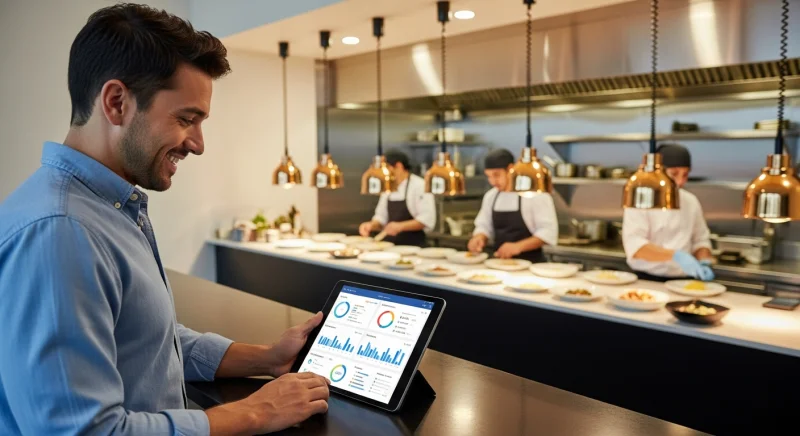
With a digital platform like BonusQR, customers can track their progress in real time via a mobile-friendly interface, and restaurant owners get a live dashboard showing program performance, redemption rates, and customer behavior — all without any complicated setup.
Types of Restaurant Loyalty Programs
Not all loyalty programs are built the same. The best format for your restaurant depends on your concept, customer base, and business goals. Here are the most common types of restaurant loyalty programs, each with its own strengths and use cases.
Points-Based Loyalty Programs
Points-based programs are the most widely recognized loyalty format. Customers earn a certain number of points for every dollar spent — for example, 10 points per $1 — and then redeem those points for rewards once they reach a threshold. This model works exceptionally well for restaurants with a broad menu and varying price points, because higher spending naturally generates more points and encourages customers to spend more per visit.
Example: A customer spends $25 and earns 250 points. After accumulating 1,000 points, they receive a $10 discount on their next meal. This straightforward mechanic is easy to understand and keeps customers motivated to keep spending.
Visit-Based Loyalty Programs
Sometimes called "stamp card" programs, visit-based programs reward customers simply for coming back — regardless of how much they spend. The classic example is the coffee shop punch card: visit 10 times and get your 11th coffee free. These programs are simple, transparent, and especially effective for high-frequency, lower-ticket establishments.
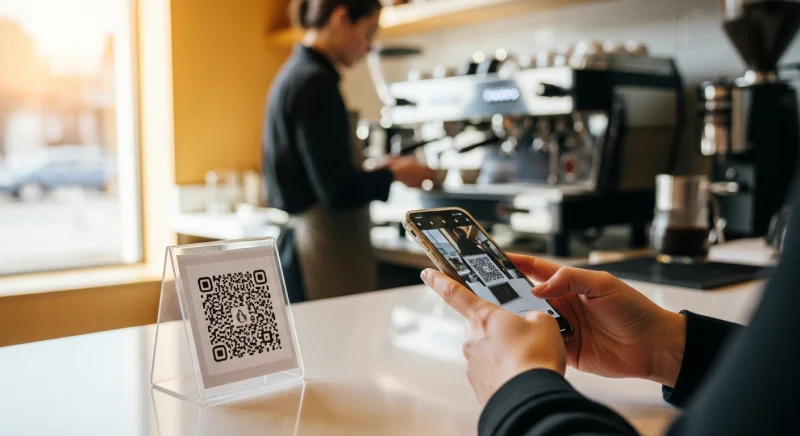
BonusQR's digital stamp card feature modernizes this classic format, replacing physical punch cards with a sleek digital version that customers access by scanning a QR code at the counter — no app download required.
Tiered Loyalty Programs
Tiered programs divide customers into levels — often named Bronze, Silver, Gold, or Platinum — based on their cumulative spending or visit frequency. As customers climb the tiers, they unlock progressively more valuable rewards and exclusive perks. This model is powerful because it taps into human psychology: the desire for status and recognition.
Tiered programs work particularly well for mid-range and upscale dining establishments where customers are willing to increase their spending to achieve a higher status level and the prestige that comes with it.
Cashback Loyalty Programs
Cashback programs return a percentage of every purchase back to the customer as credit toward future visits. For example, every $10 spent earns $0.50 in cashback credit, which can be applied to a future bill. This format is straightforward, easy to communicate, and feels tangible to customers because the value is expressed in real money rather than abstract points.
Subscription-Based Loyalty Programs
Subscription loyalty programs charge a recurring fee (monthly or annual) in exchange for ongoing perks such as free items, discounts on every visit, priority reservations, or exclusive menu access. Popularized by brands like Panera Bread with its "Unlimited Sip Club," this model generates predictable recurring revenue for the restaurant while giving members a compelling reason to visit as frequently as possible to maximize the value of their subscription.
Gamified Loyalty Programs
Gamification introduces game-like elements — challenges, badges, leaderboards, spin-to-win wheels, or limited-time missions — into the loyalty experience. Instead of simply accumulating points, customers complete specific actions to earn bonus rewards. This format drives higher engagement, social sharing, and visit frequency, particularly among younger demographics who respond well to interactive digital experiences.
Referral Loyalty Programs
Referral programs reward existing customers for bringing in new ones. A current loyalty member might receive bonus points or a free appetizer for every friend they successfully refer who makes their first purchase. This turns your most loyal customers into active brand ambassadors and leverages word-of-mouth marketing — one of the most trusted and cost-effective forms of advertising available to restaurants.
Hybrid Loyalty Programs
Many of the most successful restaurant loyalty programs today combine multiple formats into a single, cohesive experience. A restaurant might run a points-based system with tiered status levels, gamified bonus challenges, and a referral component — all managed through one platform. Hybrid programs offer maximum flexibility and engagement potential, though they require careful planning to avoid overwhelming customers with complexity.
BonusQR's platform supports hybrid program configurations, allowing restaurant owners to mix and match reward mechanics to suit their specific audience and goals.
Benefits of Loyalty Programs for Restaurants
The business case for launching a restaurant loyalty program is compelling. Here are the key benefits that restaurants consistently experience after implementing a well-structured program.
Increased Customer Retention
Retaining an existing customer costs significantly less than acquiring a new one — industry research suggests it can be anywhere from five to seven times cheaper to retain a customer than to win a new one. Loyalty programs give customers a tangible, ongoing reason to choose your restaurant over a competitor. Even a small improvement in retention rate can have a dramatic impact on profitability over time.
Higher Customer Lifetime Value
Loyal customers don't just visit more often — they also tend to spend more per visit, try new menu items, and are less price-sensitive than new customers. A loyalty program that nurtures long-term relationships dramatically increases the customer lifetime value (CLV) — the total revenue a restaurant can expect from a single customer over the course of their relationship with the brand. Studies consistently show that loyalty program members generate significantly higher CLV than non-members.
Increased Order Frequency
When customers know they are working toward a reward, they are motivated to visit more often. A well-timed push notification reminding a customer that they're "just 2 visits away from a free entrée" can be the deciding factor in choosing your restaurant for tonight's dinner rather than a competitor's. Loyalty programs create a behavioral loop that increases visit frequency across your entire customer base.
Better Customer Data Collection
Every transaction a loyalty member makes generates valuable first-party data — purchase history, preferred menu items, visit times, average check size, and more. This data is gold for restaurant operators looking to make smarter inventory, staffing, and marketing decisions. Unlike anonymous walk-in traffic, loyalty members are identifiable individuals whose behavior you can track, analyze, and act on.
Improved Marketing Personalization
With rich customer data in hand, restaurants can move beyond generic mass marketing and deliver highly personalized offers and communications. Sending a birthday reward to a loyal customer, or offering a discount on their favorite dish, creates a far stronger emotional connection than a generic coupon blast. Personalized marketing consistently outperforms generic campaigns in terms of open rates, redemption rates, and ROI — and loyalty programs make it possible.
Why Loyalty Programs Are Important for Restaurants
The restaurant industry operates on thin margins and faces intense competition from every direction — from the new bistro down the street to food delivery apps offering customers endless dining options at their fingertips. In this environment, loyalty programs are no longer a "nice to have" — they are a strategic necessity.
Consider these industry statistics:
- Loyal customers are 5x more likely to repurchase and 4x more likely to refer friends.
- A 5% increase in customer retention can increase profits by 25% to 95%.
- Over 57% of consumers say loyalty programs influence their restaurant choices.
- Restaurants with loyalty programs see an average 18–30% increase in revenue from program members compared to non-members.
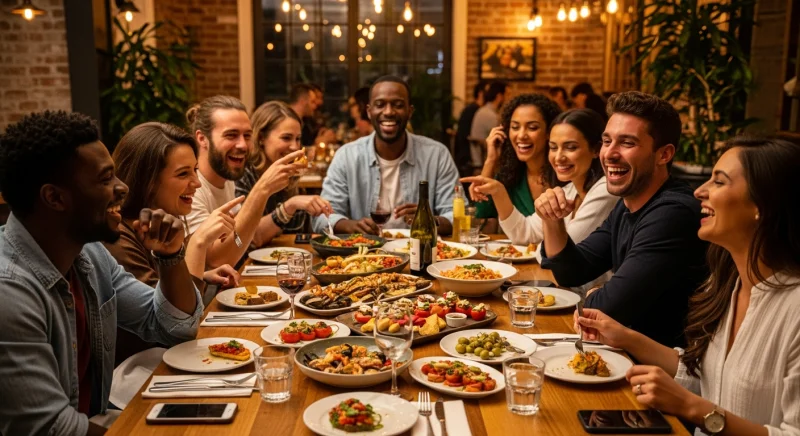
Beyond the numbers, loyalty programs help restaurants build a community around their brand. They transform transactional customer relationships into emotional ones — and emotionally connected customers are the most valuable asset any restaurant can have.
Benefits for Customers
Earn Rewards for Dining
From a customer's perspective, loyalty programs offer real, tangible value. The most fundamental benefit is the ability to earn rewards simply by doing something they already love — dining out. Whether it's earning points toward a free meal, collecting stamps for a complimentary coffee, or receiving cashback on every purchase, loyalty members feel that their continued patronage is recognized and rewarded.
This sense of appreciation is powerful. Customers who feel valued are far more likely to return, leave positive reviews, and recommend the restaurant to others — creating a virtuous cycle of loyalty and word-of-mouth growth.
How to Create a Restaurant Loyalty Program
Exclusive Discounts and Offers
Beyond earning rewards, loyalty program members gain access to exclusive deals that non-members simply don't receive. This might include members-only happy hour pricing, advance notice of seasonal menu launches, exclusive combo deals, or early access to reservation slots for popular dining times. The exclusivity itself is part of the value proposition — it makes customers feel like insiders rather than ordinary patrons.
When creating your loyalty program, consider what exclusive offers will resonate most with your specific customer base. A fine dining restaurant might offer members a complimentary amuse-bouche, while a fast-casual chain might give members early access to a new menu item before it launches publicly.
Personalized Rewards
Modern customers expect personalization. Generic rewards feel impersonal; tailored rewards feel thoughtful and special. A well-designed loyalty program powered by a platform like BonusQR can automatically deliver personalized rewards based on individual customer behavior — sending a vegetarian customer an offer for a new plant-based dish, or rewarding a customer who always orders dessert with a free sweet treat on their birthday.
Building personalization into your loyalty program from the start requires collecting the right data at enrollment (dietary preferences, birthday, favorite items) and configuring your platform to use that data intelligently in automated marketing campaigns.
VIP Experiences
For your highest-tier or most loyal customers, VIP experiences can be a transformational loyalty benefit. These might include chef's table dinners, private tasting events, behind-the-scenes kitchen tours, or personalized menu creation sessions with the head chef. VIP experiences cost relatively little to deliver but create memories — and emotional loyalty — that no discount or free item can replicate.
Steps to create your restaurant loyalty program with BonusQR:
- Step 1 – Define your goals: Determine what you want to achieve — more frequent visits, higher average spend, better customer data, or improved retention.
- Step 2 – Choose your program type: Select the loyalty model (points, stamps, tiers, hybrid) that best fits your restaurant concept and customer base.
- Step 3 – Design your rewards: Decide what customers earn and what they can redeem — keeping rewards attainable but meaningful.
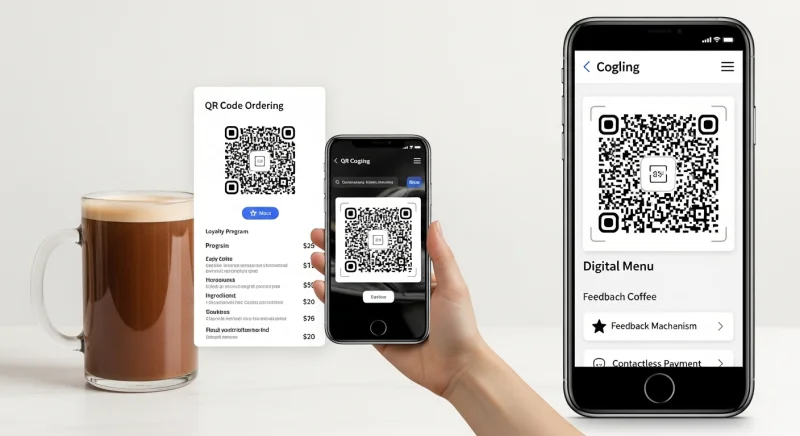
- Step 4 – Set up your platform: Use BonusQR to configure your program, create your branded digital loyalty card, and generate your QR codes for in-store display.
- Step 5 – Train your staff: Make sure every team member understands the program and can confidently explain it to customers.
- Step 6 – Launch and promote: Announce your program across all channels — in-store signage, social media, email, and your website.
- Step 7 – Monitor and optimize: Use BonusQR's analytics dashboard to track enrollment, redemption, and customer behavior — then refine your program based on real data.
Best Restaurant Loyalty Software
Choosing the right technology platform is one of the most important decisions you'll make when launching a restaurant loyalty program. The best loyalty software should be easy for both restaurant staff and customers to use, integrate seamlessly with your existing systems, and provide actionable analytics that help you continuously improve your program.
Here are some of the top restaurant loyalty software platforms on the market in 2025:
- BonusQR: A digital loyalty platform designed for restaurants, cafes, and food businesses of all sizes. BonusQR offers QR code-based digital stamp cards, points programs, automated rewards, push notifications, and a powerful analytics dashboard — all without requiring customers to download a separate app. Perfect for independent restaurants and multi-location chains alike.
- Square Loyalty: Built into the Square POS ecosystem, Square Loyalty offers points-based programs with automatic enrollment at checkout. Best suited for restaurants already using Square for payments.
- Toast Loyalty: Integrated with the Toast POS platform, Toast Loyalty allows restaurants to create points programs and automate reward redemption directly at the point of sale.
- Stamp Me: A digital stamp card platform that's simple to set up and manage, ideal for small to medium-sized food businesses.
- Yotpo Loyalty: A feature-rich loyalty and referral platform with strong e-commerce integrations, suitable for restaurant brands with a significant online ordering component.
- Paytronix: An enterprise-grade loyalty and guest engagement platform used by larger restaurant chains, offering advanced segmentation, AI-driven personalization, and omnichannel capabilities.
How to Choose the Best Restaurant Loyalty Software
With so many options available, selecting the right loyalty software for your restaurant requires careful consideration of several key factors:
- Ease of use: The platform should be intuitive for both your staff and your customers. If customers struggle to enroll or redeem rewards, the program will fail regardless of how attractive the incentives are.
- No-app-download option: Platforms like BonusQR allow customers to access their loyalty card via a QR code scan without downloading a dedicated app — dramatically lowering the barrier to enrollment.
- POS integration: Seamless integration with your existing point-of-sale system eliminates manual data entry and ensures accurate reward tracking.
- Customization: Look for software that allows you to brand your loyalty program, customize reward structures, and tailor communications to match your restaurant's voice and identity.
- Analytics and reporting: Robust reporting tools are essential for understanding program performance and making data-driven decisions.
- Marketing automation: The ability to send automated push notifications, email campaigns, and personalized offers based on customer behavior multiplies the ROI of your loyalty program.
- Pricing: Consider the total cost of ownership, including setup fees, monthly subscription costs, and any per-transaction charges — and evaluate these against the expected revenue impact of the program.
- Support: Reliable customer support is crucial, especially during the initial setup and launch phase.
BonusQR excels across all of these dimensions, making it a top choice for restaurant owners who want a powerful, flexible, and affordable loyalty solution that's quick to deploy and easy to manage.
Examples of Successful Restaurant Loyalty Programs
Looking at real-world success stories can provide valuable inspiration and practical lessons for designing your own program. Here are some of the most notable examples of restaurant loyalty programs that have driven measurable business results:
- Starbucks Rewards: Arguably the gold standard of restaurant loyalty programs, Starbucks Rewards has over 32 million active members in the U.S. alone. The program uses a points-based system ("Stars"), tiered status levels, personalized offers, and a beautifully designed mobile app to create a deeply engaging loyalty experience. Starbucks reports that Rewards members account for more than 50% of total U.S. company-operated sales.
- McDonald's MyMcDonald's Rewards: McDonald's launched its digital loyalty program globally in 2021 and quickly amassed tens of millions of members. The program's simplicity — earn points on every order, redeem for free menu items — combined with McDonald's massive scale makes it one of the most widespread restaurant loyalty programs in history.
- Chipotle Rewards: Chipotle's loyalty program has grown to over 40 million members and leverages gamification extensively — offering bonus point challenges, exclusive rewards for early menu item adoption, and personalized offers based on order history. The program has been credited with measurably increasing visit frequency and average check size among members.
- Domino's Piece of the Pie Rewards: Domino's pioneered digital loyalty in the pizza category and has used its program to drive significant online ordering growth. Their recent shift to a higher-reward, simpler program structure demonstrates the importance of continuously iterating and listening to customer feedback.
- Panera Bread MyPanera: Panera's loyalty program is notable for its personalized approach — rewards are tailored to each individual's purchase history rather than being fixed catalog items. This makes every reward feel genuinely relevant to the individual customer.
What do all these programs have in common? They are digital, data-driven, personalized, and easy to use — principles that any restaurant, regardless of size, can apply with the right platform.
Key Components of Top Programs
Analyzing the world's most successful restaurant loyalty programs reveals a consistent set of key components that separate great programs from mediocre ones:
- Simple enrollment process: The best programs remove every possible barrier to signing up. BonusQR's QR code-based enrollment allows a new customer to join in under 30 seconds — no lengthy forms, no app download required.
- Clear, attainable rewards: Customers need to feel that rewards are within reach. If the path to a reward feels too long or complicated, engagement drops off quickly.
- Consistent communication: Top programs stay in regular contact with members through push notifications, emails, and in-app messages — celebrating milestones, announcing new rewards, and reminding lapsed members to return.
- Personalization at scale: Using customer data to deliver relevant, timely offers is what separates world-class loyalty programs from generic points schemes.
- Emotional connection: The most loyal customers feel a genuine emotional bond with the brand — not just a transactional calculation about points. Programs that create special moments, celebrate birthdays, and make members feel genuinely appreciated build this emotional connection.
- Continuous improvement: The best programs are never "done." They evolve based on data, customer feedback, and competitive dynamics — always looking for ways to deliver more value and drive stronger results.
Loyalty Program Metrics and Analytics
Launching a loyalty program is just the beginning. To maximize its impact, restaurant owners need to track the right metrics and use data to continuously optimize their program. Here are the key performance indicators (KPIs) every restaurant loyalty program manager should monitor:
- Enrollment rate: The percentage of total customers who sign up for the loyalty program. A low enrollment rate may indicate friction in the sign-up process or insufficient promotion of the program.
- Active member rate: The percentage of enrolled members who have made at least one transaction within a defined period (e.g., the past 90 days). This metric reveals how many members are genuinely engaged versus simply enrolled but dormant.
- Redemption rate: The percentage of earned rewards that are actually redeemed. A very low redemption rate may indicate that rewards are too difficult to earn or not compelling enough to motivate redemption.
- Visit frequency: The average number of visits per loyalty member per month or quarter. Compare this to the visit frequency of non-members to quantify the program's impact on return visits.
- Average order value (AOV): The average transaction size for loyalty members versus non-members. A well-designed program should drive higher AOV as members seek to earn more points or reach the next tier.
- Customer lifetime value (CLV): The total projected revenue from an average loyalty member over the course of their relationship with your restaurant. This is the ultimate measure of program success.
- Churn rate: The rate at which loyalty members stop engaging with or visiting your restaurant. A rising churn rate is an early warning sign that the program needs attention.
- Return on investment (ROI): The net revenue generated by loyalty program members minus the cost of running the program (software, rewards, marketing). A positive and growing ROI confirms that the program is delivering real business value.
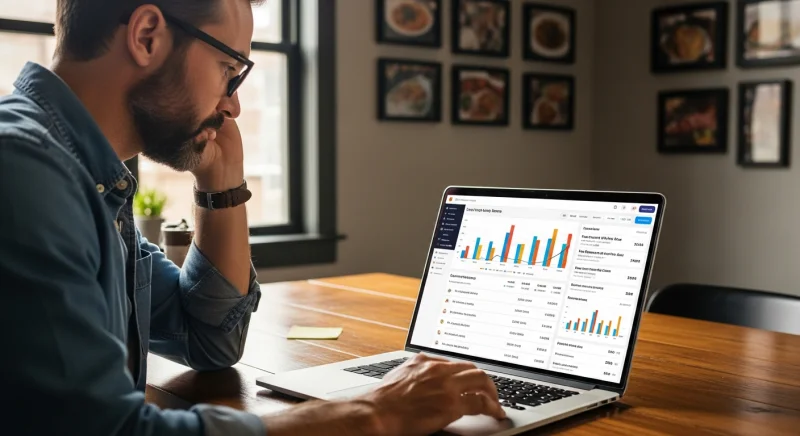
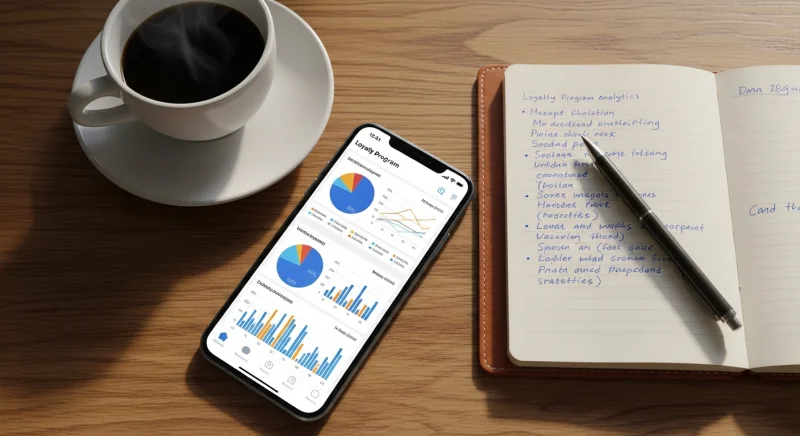
BonusQR's analytics dashboard puts all of these metrics in one place, giving restaurant operators a clear, real-time view of program health and the insights needed to make smart optimization decisions.
Marketing a Restaurant Loyalty Program
Even the most brilliantly designed loyalty program will fail if customers don't know it exists. Effective marketing of your loyalty program is just as important as the program design itself. Here are the most effective channels and tactics for promoting your restaurant's loyalty program:
- In-store signage: Place prominent QR codes and loyalty program messaging at the entrance, on tables, at the counter, and on receipts. Make it impossible for a customer to visit without learning about your program.
- Staff promotion: Train every team member to mention the loyalty program at every customer interaction — at the register, while taking orders, and when delivering food. Personal recommendations from staff are highly effective.
- Social media: Use Instagram, Facebook, TikTok, and other relevant platforms to showcase your loyalty program benefits, celebrate member milestones, and share testimonials from happy members. Run social media giveaways that require program enrollment to participate.
- Email marketing: Send a dedicated loyalty program launch email to your existing customer list. Follow up with regular emails highlighting program benefits, upcoming bonus point events, and personalized member offers.
- Website integration: Add a dedicated loyalty program page to your restaurant website explaining how the program works, what rewards are available, and how to enroll. Include a prominent sign-up button or QR code.
- Packaging and takeout materials: Print loyalty program QR codes and messaging on takeout bags, cups, napkins, and receipt slips to reach delivery and takeout customers who never visit in person.
- Paid advertising: Run targeted social media and Google ads promoting your loyalty program to local audiences. The cost per acquisition for loyalty enrollments is typically very favorable compared to general customer acquisition advertising.
- Launch promotions: Drive initial enrollment with a compelling launch offer — for example, "Join today and earn double points on your first 3 visits" or "Sign up and get a free dessert with your next meal."
Best Loyalty Programs for Different Types of Restaurants
The optimal loyalty program structure varies significantly depending on the type of restaurant. Here's a tailored breakdown of the best approaches for different restaurant categories.
Loyalty Programs for Fast Food Restaurants
Fast food restaurants benefit most from high-frequency, low-friction loyalty programs. Since customers may visit multiple times per week, the program must make earning and redeeming rewards feel fast and effortless. Points-based or visit-based programs with a mobile-first experience work best. Gamification elements like bonus challenges ("Order breakfast 3 times this week to earn 500 bonus points") are particularly effective at driving incremental visits in the fast food context.
Key priorities: speed of enrollment, ease of use at the counter, and frequent attainable rewards.
Loyalty Programs for Coffee Shops
Coffee shops are the natural home of the classic stamp card loyalty program. Customers visit daily or several times per week, making a visit-based "buy 9, get 1 free" model highly effective. BonusQR's digital stamp card is perfectly suited for coffee shops — customers simply scan a QR code at the counter to collect their stamp, no app download needed, and staff can process the transaction in seconds.
Adding personalized rewards (such as a free item on a customer's birthday or a surprise reward for reaching 50 total visits) elevates the coffee shop loyalty program beyond the basic punch card to create a genuine emotional connection.
Loyalty Programs for Fine Dining Restaurants
Fine dining loyalty programs require a more sophisticated, experience-centric approach. Discounts and free items can feel out of place in a premium dining context — instead, fine dining rewards should emphasize exclusivity and experience. Think: priority reservation access, private wine tasting dinners, chef's table experiences, personalized menus prepared to loyalty member preferences, or complimentary courses.
A tiered structure works particularly well for fine dining, allowing the restaurant to create a sense of progression and VIP status that resonates with affluent, experience-driven diners.
Loyalty Programs for Pizza Restaurants
Pizza restaurants typically see strong repeat business from families and groups, making loyalty programs a natural fit. Points-based programs that reward total spend work well given the variable order sizes (a single slice versus a family order of three large pizzas). Referral bonuses are particularly effective in this category, since pizza is a social food often shared and recommended within friend and family groups.
Digital ordering integration is crucial for pizza restaurants — many of the best pizza loyalty programs seamlessly connect in-store, phone, and online orders so customers earn points regardless of how they order.
Loyalty Programs for Food Trucks
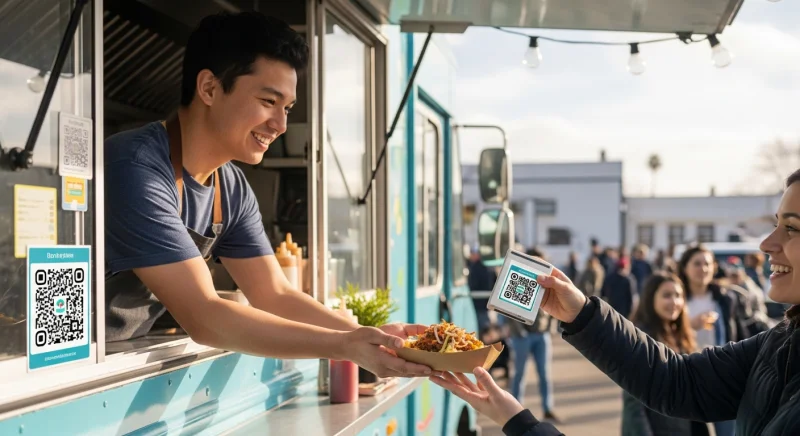
Food trucks present a unique loyalty challenge: customers may encounter the truck at different locations and different times, and the transactional environment is fast-paced with limited technology infrastructure. QR code-based programs like BonusQR are an ideal solution — the food truck operator simply displays a QR code at the service window, and customers scan to earn stamps or points instantly from their smartphone. No POS integration, no hardware investment, and no friction.
Social media integration is especially valuable for food trucks, since location announcements and loyalty program promotions on Instagram and Facebook can drive immediate foot traffic when the truck arrives in a new neighborhood.
Common Mistakes Restaurants Make
Even well-intentioned restaurant loyalty programs can fail if common pitfalls are not avoided. Here are the most frequent mistakes restaurant owners make with loyalty programs — and how to sidestep them:
- Making the program too complicated: If customers need to read a manual to understand how your loyalty program works, it's too complex. Simplicity is king. The best programs can be explained in one sentence.
- Setting rewards that are too hard to earn: If it takes 50 visits to earn a free appetizer, customers will lose motivation long before they reach the reward. Ensure your first reward milestone is achievable within 4–8 visits for most customers.
- Failing to promote the program: Many restaurants launch a loyalty program with great fanfare and then forget to consistently mention it to every customer. Promotion must be ongoing, not a one-time announcement.
- Ignoring program analytics: Running a loyalty program without monitoring its performance is like driving without looking at the dashboard. Regularly review your metrics and make data-driven adjustments.
- Using a paper punch card in a digital world: Paper punch cards are easily lost, not trackable, and provide zero data about customer behavior. Switching to a digital platform like BonusQR eliminates these problems immediately.
- Neglecting lapsed members: Customers who were once active but have stopped engaging represent a significant re-engagement opportunity. A simple automated message — "We miss you! Here are 200 bonus points to welcome you back" — can reactivate a meaningful percentage of lapsed members.
- Treating all customers the same: Sending the same generic offer to every loyalty member ignores the rich behavioral data that your program generates. Invest in segmentation and personalization to deliver relevant, timely offers that actually drive action.
- Not training staff adequately: Your front-line staff are the most important ambassadors for your loyalty program. If they don't understand it or can't explain it confidently, enrollment rates will suffer significantly.
Future of Restaurant Loyalty Programs
The restaurant loyalty landscape is evolving rapidly, driven by advances in technology, changing consumer expectations, and the increasing availability of data and AI. Here are the key trends shaping the future of restaurant loyalty programs:
- AI-powered personalization: Artificial intelligence is enabling loyalty platforms to predict individual customer preferences and behavior at scale — automatically serving up the most relevant offer to the right customer at precisely the right moment. Expect AI-driven personalization to become standard in loyalty platforms within the next few years.
- Integration with delivery platforms: As off-premise dining continues to grow, loyalty programs are expanding to cover delivery and takeout orders seamlessly. Customers expect to earn points whether they dine in, order online, or use a third-party delivery app.
- Web-based loyalty (no app required): The friction of downloading a dedicated loyalty app is a significant barrier to enrollment. Platforms like BonusQR that deliver the full loyalty experience through a mobile browser or QR code scan — with no app download required — are increasingly preferred by both restaurants and customers.
- Emotional loyalty and community building: The next frontier of restaurant loyalty is moving beyond transactional rewards to building genuine communities around food experiences — exclusive member events, online communities, content programs, and purpose-driven loyalty (where points can be donated to charitable causes).
- Sustainability rewards: As environmental consciousness grows, some restaurants are introducing loyalty rewards tied to sustainable behaviors — such as earning bonus points for bringing a reusable cup, ordering from a low-carbon menu section, or reducing food waste.
- Blockchain and digital wallets: Emerging technologies like blockchain could enable interoperable loyalty currencies that customers can use across multiple restaurant brands — though mass adoption of this model is still several years away.
- Hyper-local loyalty: Small and independent restaurants are increasingly using loyalty platforms to compete with national chains on a local level — leveraging their community connections and personal touch to build loyalty programs that feel authentic and deeply connected to the neighborhood.
FAQ
What is the best loyalty program for a small restaurant?
For small restaurants, the best loyalty program is typically a simple digital stamp card or points-based program that requires minimal setup and no complex POS integration. BonusQR is specifically designed with small and independent restaurants in mind — you can launch a fully functional digital loyalty program in under an hour, with no technical expertise required.
How much does it cost to set up a restaurant loyalty program?
Costs vary widely depending on the platform and features chosen. Paper punch cards are essentially free but offer no data or scalability. Entry-level digital platforms like BonusQR start at very affordable monthly rates, while enterprise solutions like Paytronix can cost several thousand dollars per month. For most independent restaurants, a mid-range digital platform provides the best balance of features, ease of use, and cost.
Do restaurant loyalty programs actually work?
Yes — when properly designed and actively promoted, restaurant loyalty programs consistently deliver measurable improvements in customer retention, visit frequency, and revenue. Numerous industry studies and real-world case studies from restaurants of all sizes confirm their effectiveness. The key is choosing the right program structure, promoting it consistently, and using data to continuously improve it.
How do I get customers to join my loyalty program?
The most effective tactics are: training staff to mention the program at every interaction, displaying prominent QR codes and signage throughout the restaurant, offering a compelling enrollment incentive (such as a free item or bonus points for signing up), and promoting the program across social media and email. Removing friction from the enrollment process — for example, by using BonusQR's no-app-required QR code enrollment — is also critical.
What rewards work best for restaurant loyalty programs?
The most effective rewards are those that feel valuable, attainable, and personally relevant to the customer. Free menu items, discounts on future visits, and exclusive experiences consistently outperform generic merchandise rewards. Personalized rewards based on individual purchase history — such as a free version of a customer's favorite item — drive the strongest emotional engagement.
Can loyalty programs work for online and delivery orders?
Absolutely. Modern loyalty platforms including BonusQR support reward earning and redemption across all ordering channels — dine-in, online ordering, and app-based orders. Ensuring that your loyalty program works seamlessly for delivery and takeout customers is increasingly important as off-premise dining continues to grow.
How do I measure the success of my restaurant loyalty program?
Track key metrics including enrollment rate, active member rate, redemption rate, visit frequency, average order value, customer lifetime value, and overall program ROI. BonusQR's built-in analytics dashboard makes it easy to monitor all of these metrics in one place and identify areas for improvement.
Conclusion
Restaurant loyalty programs are no longer a luxury reserved for large chains with deep marketing budgets. Today, with platforms like BonusQR, any restaurant — from a single-location neighborhood café to a growing multi-unit brand — can launch a powerful, data-driven loyalty program that increases customer retention, drives more frequent visits, and builds the kind of genuine, lasting relationships that fuel long-term business growth.
The key to success lies in choosing the right program structure for your concept, making enrollment effortless for customers, delivering rewards that feel genuinely valuable, and using the data your program generates to continuously personalize and improve the customer experience.
Whether you're just beginning to explore restaurant loyalty programs or looking to modernize an outdated punch card system, now is the perfect time to take action. Your competitors are building loyalty programs. Your customers want to be rewarded. And with BonusQR, getting started has never been easier.
Ready to launch your restaurant's loyalty program? Visit BonusQR.com to explore how our digital loyalty platform can help your restaurant build lasting customer relationships and drive measurable growth — starting today.