
 Deutsch
 Español
 Français
 Italiano
 Magyar
 Polski
 Slovenčina
 Čeština
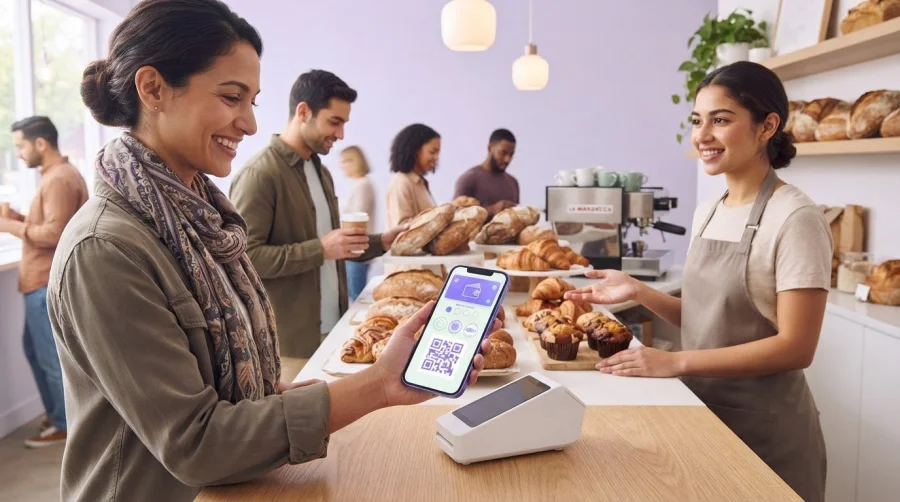
A rewards system for a local bakery works best when it fits how people already shop: a morning coffee and pastry, a loaf picked up each week, or a cake for a special occasion. The goal is to encourage customers to return without giving away margin on purchases they would have made anyway. Choosing between stamps, points, and discounts can feel like one more task when checkout is already busy, so start with the buying habits you see most often.
You don’t need a complicated offer. Choose a reward customers can explain back to you, rules staff can apply quickly, and a cost that makes sense for your bakery. This guide covers how to pick a model for frequent purchases, set earning and redemption rules, and check whether the offer is worth maintaining. It also explains how digital stamp cards, points systems, and mobile wallet integration can fit into checkout, and what activity to review after launch. Build around repeat-purchase habits and healthy margins, not a generic promotion.
Key Takeaways
- Build a rewards system for a local bakery around customers’ usual buying habits, so the offer feels relevant and clear.
- Match the reward model to your menu: use a simple repeat action or recognize different purchase amounts.
- Compare each reward with ingredient, labor, and operating costs to keep the offer appealing and sustainable.
- Launch with a simple routine for sign-up, earning, and redemption that fits naturally into checkout.
- Review participation, repeat activity, redemptions, and reward costs against a starting baseline before making changes.
Why a Local Bakery Benefits from a Thoughtful Rewards System
A bakery rewards system is a clear exchange: customers earn a stated benefit by completing a defined activity, such as making repeat purchases. The benefit might be a free item or another offer the bakery chooses. State what qualifies, how customers track progress, and when they can redeem. Clear rules are the foundation of a useful loyalty program.
Unlike a one-time promotion, a rewards system gives regular customers a reason to choose your bakery again. Coffee, bread, and pastries often fit familiar routines. Someone might stop in for a morning pastry several times a week, pick up bread on a regular shopping day, or return for an afternoon treat. Each occasion is an opportunity to recognize repeat activity and invite another visit.
The goal isn’t to discount every transaction. If a customer already planned to buy a loaf, applying a reward automatically to that purchase may simply reduce its margin. Instead, connect the benefit to a behavior you want to encourage, such as another visit or a second purchase occasion. Customers get a reason to return, and you can assess whether the reward supports the bakery’s goal.
Which bakery customers and purchase occasions should the program serve?
Start with what you observe at the counter rather than assumptions about who buys what. Note regular coffee-and-pastry visits, customers who pick up bread on a routine schedule, and shoppers who mainly come in for celebration cakes or custom orders. These patterns suggest different approaches: frequent everyday purchases may suit a visit-based goal, while occasional orders may need a different objective.
Choose one primary behavior to encourage first. For example, you might focus on getting weekday customers to return for another everyday purchase. Identify the customer groups and occasions that fit, then leave secondary goals, such as increasing add-on purchases, for a later review.
Set a clear objective before choosing rewards
More repeat visits, larger baskets, and renewed engagement are different objectives. Pick one measurable starting point and explain it to staff in a sentence: “We want more customers to return for a second visit during the week.” A specific aim helps you select an earning rule and keeps the offer from turning into a catch-all discount.
Use a baseline your bakery can already track. Depending on your records, that might be transaction frequency, average items per purchase, or activity among customers who haven’t visited recently. Record the starting period and the measure you’ll compare later. When reviewing results, remember that a change in sales alongside reward participation doesn’t, by itself, show that the program caused the change.
Once you’ve defined the customer, occasion, and objective, use them to choose a reward model that fits both the buying rhythm and the bakery’s daily operations.
Choose a Bakery Rewards Model: Stamps, Points, or a Hybrid
The right structure fits how customers buy and how your team works at checkout. A stamp card rewards a repeated action, points can reflect different purchase amounts, and a hybrid combines the two for a specific reason. For a rewards system for a local bakery, the simplest model that supports your goal is usually easier to explain and manage than one with extra rules.
| Model | Setup consideration | Strength | Trade-off |
|---|---|---|---|
| Stamps | Set one qualifying action and a clear reward threshold. | Easy for customers to understand and staff to explain. | May treat small and large purchases alike. |
| Points | Choose how purchases earn points and what rewards they unlock. | Can recognize varied purchase amounts. | Customers need to understand the earning and redemption rules. |
| Hybrid | Define how the two mechanics work together. | Can support distinct goals, such as repeat visits and higher-value orders. | More rules can add explanation and checkout steps. |
When a digital stamp card fits a local bakery
A digital stamp card suits a straightforward repeat-purchase pattern. For example, customers could earn a stamp for each qualifying visit and redeem a stated reward after completing the card. Keep the qualifying action consistent and easy to explain at the counter. A digital format makes progress accessible without relying on a physical plastic card. For more on this mechanic, see Digital Stamp Card Software: The Ultimate 2026 Guide to Customer Retention.
When points or a hybrid structure makes more sense
Points may suit a bakery where purchase values vary and you want rewards to reflect how much a customer spends. State how purchases earn points and how many points unlock each reward, so customers can understand their progress. A hybrid may work if stamps reward visits while points recognize a separate behavior. Avoid combining mechanics just to offer more options. Explore The Complete Guide to Digital Reward Points Systems in 2026 for more on points-based structures.
Test each model against your chosen objective. If you want to encourage routine visits, stamps may offer the clearest path. If you want to recognize different basket sizes, points may fit better. Keep hybrid rules only when each mechanic serves a distinct purpose. A digital stamp card or points system can also be used through a digital loyalty setup, including QR-based use and Apple Wallet or Google Wallet integration. To explore this approach, explore a digital rewards setup.
Design Bakery Rewards That Protect Margins and Feel Worth Earning
A good reward feels worthwhile to customers and manageable for the bakery. Start with its real cost, including ingredients, preparation labor, packaging, and any other operating costs that apply. Then compare that cost with the behavior the offer is meant to encourage. A free item with a low production cost may be more workable than a discount on a high-cost order, but the right choice depends on your figures.
Judge reward cost against the extra behavior it creates, not the full value of purchases customers would have made anyway. If regulars earn a benefit on visits they already planned, you may be funding existing behavior rather than gaining another visit or sale. Give each reward a clear business purpose instead of offering something simply because rewards are expected.
Set earning and redemption rules customers can understand
Write down what qualifies before introducing the offer. Specify eligible purchases, how customers earn progress, when they can redeem, and any necessary exclusions, such as custom orders that follow a different process. Keep the terms visible and concise. If staff need a long explanation or customers have to calculate several thresholds, simplify the rules before launch.
For example, if your goal is to encourage repeat visits, make the earning action easy to identify and the redemption moment easy to recognize. Avoid restrictions that surprise customers at checkout. If an exclusion is necessary to protect margins, state it plainly and apply it consistently. Clear rules reduce confusion and help staff handle the offer in the same way during busy service.
Check the reward before launch
Estimate the cost of each redemption using the bakery’s actual recipe, labor, packaging, and operating figures. For a product-based reward, calculate the cost of making and serving the item, then consider whether it introduces customers to something they might buy again. Product discovery can be a useful goal, but it doesn’t automatically make a reward profitable.
Write down your assumptions: the expected redemption pattern, which purchases qualify, and what additional behavior the offer should prompt. Once customers start redeeming, compare those assumptions with actual records. If a reward is claimed often but doesn’t appear to support the intended behavior, adjust the earning rule or choose a different benefit. Don’t judge success only by how many rewards are issued.
- Cost: What does each redeemed reward consume in ingredients, labor, and operations?
- Purpose: What customer action is the reward meant to encourage?
- Clarity: Can customers and staff explain the earning and redemption rules consistently?
- Review: What records will show whether redemptions align with the original goal?
This check helps keep the offer appealing without discounting every purchase. Build the rules around a specific customer action, then use redemption activity to decide whether the reward is earning its place.
How to Launch a Bakery Rewards System Without Slowing Checkout
A smooth launch starts before the first customer signs up. Map the process from introduction to redemption, then make each step fit into a normal transaction. A digital card accessed through a QR code can replace a paper punch card. A digital loyalty platform can also reduce reliance on paper cards without requiring specialized POS hardware.
- Carry your objective into setup. Shape the offer and its rules around the behavior you chose. Keep the earning action and reward clear enough to explain in one breath.
- Choose the customer access point. Decide where customers will find the QR code, such as at the counter or on a sign near the entrance. Make sign-up an optional, natural part of ordering rather than a separate queue or lengthy form.
- Fit earning into checkout. Decide who asks whether a customer wants to join and how staff record a qualifying purchase. Keep the prompt brief, and avoid adding steps that interrupt taking payment or preparing an order.
- Practice redemption. Walk through a normal earning transaction and a reward claim with staff. Agree on how to respond if a customer has a question or hasn’t completed the earning requirement.
- Review early participation. Check whether customers are joining and whether staff can manage the routine without slowing service. Note common questions and sticking points, then adjust the explanation or placement as needed.
Prepare the offer and checkout routine
Give employees a sentence they can use naturally: “Join with the QR code to earn progress toward your bakery reward.” Adapt it to the actual offer. Decide who introduces the program, where customers scan, and how they access their digital card. Practice earning and redemption before promoting the program, so everyone follows the same steps and can answer basic questions confidently.
Introduce the program to regulars and new customers
Use counter signage, packaging, and staff prompts to keep the message consistent. Lead with the benefit, then explain the action: “Earn progress toward a free treat by scanning here.” Regulars can hear about the offer during a familiar transaction, while new customers can notice it as they wait. A loyalty application can support digital access. For more guidance on evaluating this type of tool, see The Ultimate Guide to Choosing a Loyalty Application in 2026.
Keep the launch manageable. Start with the simplest version of your rewards system for a local bakery, watch where sign-up or redemption creates friction, and make practical adjustments. A digital stamp card or points system can be used with QR-based access. Apple Wallet and Google Wallet integration gives customers another way to access their loyalty pass.
Once your offer, access method, and checkout routine are clear, start setting up your rewards system.
Measure, Improve, and Choose a Digital Bakery Rewards Platform
Once the program is running, use customer activity to see whether it supports the objective you set. Track participation, repeat activity, redemptions, and reward costs using the records available to your bakery. Compare them with your starting baseline over the same review period. If repeat visits rise while enrollment grows, treat that as a useful signal, not proof that the rewards program caused the change. Seasonality, promotions, and other factors may affect sales too.
Review early results and make one change at a time
Choose a review interval that gives your bakery enough transactions to spot patterns. A busier shop may have useful information sooner than a lower-volume one, so set a cadence that fits your activity. Check whether customers join but don’t earn progress, earn rewards but don’t redeem them, or ask the same questions repeatedly. Staff feedback can reveal friction that sales records won’t show.
Look for specific signals:
- Customer drop-off: Are customers starting to participate but not returning to earn a reward?
- Unused rewards: Are customers reaching redemption but leaving benefits unclaimed?
- Rule confusion: Do customers or employees interpret eligibility differently?
- Staff friction: Does adding progress or processing a redemption interrupt checkout?
If you find a problem, change one element, such as the wording, earning rule, or reward. Keep the same measures and compare the next review period with the previous one. Changing several parts at once makes it harder to tell what may have affected participation or redemption.
Match digital platform features to the bakery workflow
Choose a platform that supports your reward rules and feels manageable during service. A digital stamp card suits a simple repeat action; a points system can reflect varied purchase amounts. Check that customers can access their progress clearly and that staff can manage earning and redemption without awkward extra steps. Apple Wallet and Google Wallet integration can make a loyalty pass accessible from a customer’s mobile wallet.
BonusQR is a digital loyalty platform with digital stamp cards, points systems, and Apple Wallet and Google Wallet integration. Its digital approach replaces the need for physical plastic cards, while QR-based use gives customers another way to access a program. For a bakery seeking a distinct branded experience, custom white-label app development offers a branded app option. Choose features based on how customers and staff will use the system, not on options you don’t need.
Compare the platform’s functions with your workflow and review plan information alongside your operating needs. A suitable platform supports your rules, provides useful activity records, and remains straightforward at the counter.
Take the First Step Toward More Meaningful Repeat Visits
Your next move doesn’t need to be a major overhaul. Choose one customer behavior to encourage, shape an offer around it, and give your team a clear way to introduce it. Starting with one goal makes it easier to learn from participation and refine the experience over time.
A rewards system for a local bakery can grow with your business. BonusQR supports digital stamp cards and points systems, with Apple Wallet and Google Wallet integration. Its digital loyalty experience replaces the need for physical plastic cards and specialized POS hardware, keeping participation centered on customers’ phones and the checkout routine you already use.
Start with a structure that feels manageable for your bakery today. As you see how customers engage, decide what to improve next. Start building your bakery rewards system and give regulars another reason to return.
Frequently Asked Questions
Is a rewards system worth it for a local bakery?
It can be worth testing if it supports a behavior that matters to your bakery, but a program isn’t automatically profitable. Before launch, record a baseline such as repeat visits or average items per transaction, then compare it with participation, redemptions, and reward costs. For a rewards system for a local bakery, consider whether the contribution from additional purchases can cover the reward. Use what you learn to decide whether to continue, adjust, or expand the offer.
What rewards work well for bakery customers?
A useful reward is easy to understand, relevant to your menu, and manageable within your margins. You might test a product customers can enjoy on a future visit or use points that build toward a benefit. Consider what customers already buy and which products you’d like them to discover. Then calculate the actual ingredient and labor costs before committing. Treat the choice as a test, not a guaranteed way to change buying habits.
Should a bakery use a stamp card or a points system?
Choose stamps for a simple repeat action. Consider points if purchase amounts vary and you want rewards to reflect spend. To compare them, write down how you’d explain each model to a customer and walk an employee through a typical transaction. Which option is easier to describe, record, and redeem accurately? Check how each model handles different products and order types too. The better fit supports your objective without creating confusing exceptions.
Can customers use a digital bakery loyalty card without a separate loyalty app?
A digital loyalty experience can give customers an alternative to installing a dedicated app. BonusQR supports digital stamp cards and points systems with Apple Wallet and Google Wallet integration. Explain the access steps clearly during sign-up, and make sure staff can guide customers through them. Before launch, test the customer journey on the devices and wallet options your bakery plans to support, so customers know how to find their card at checkout.
How can a small bakery promote its rewards program?
Promote the offer where customers already make decisions, such as at the counter, on packaging, and through the bakery’s existing communication channels. Keep the message consistent: state the benefit, then explain how customers earn it. Give employees a brief prompt they can use without interrupting service. To learn which message works best, note the questions customers ask and where they heard about the program, then improve unclear wording or placement.
What should a bakery measure in a loyalty program?
Measure what connects directly to the program’s objective. Track how many customers participate, how often members return, how many rewards are redeemed, and the cost of those redemptions. Define each measure consistently, including what counts as a returning member, so comparisons remain useful. Compare results with a baseline when your records allow, but remember that promotions, holidays, or menu changes may also affect activity. Adjust one element at a time and keep tracking the same measures.