TL;DR:
- Effective restaurant incentives are based on clear goals and honest margin assessments.
- Points, gamification, milestones, and referrals are scalable strategies to drive loyalty.
- Successful programs depend on consistent execution, personalized engagement, and proper tool selection.
Running a restaurant means you’re constantly making decisions about where to spend limited time and money. Customer incentives are no exception. With punch cards, points apps, birthday rewards, referral bonuses, and gamified programs all competing for your attention, picking the wrong approach can quietly erode your margins without building any real loyalty. The good news is that the most effective restaurant incentives follow a clear logic. This guide breaks down the most proven types, explains exactly how each one works, and helps you choose the right mix for your specific restaurant so you can drive repeat visits and grow revenue with confidence.
Key Takeaways
| Point | Details |
|---|---|
| Start simple | Punch cards or SMS rewards can deliver immediate results without tech headaches. |
| Pick for your audience | Match incentive type to your customer base and restaurant style for best results. |
| Retention drives profit | Keeping existing guests is 5-7x more profitable than chasing new ones. |
| Surprise wins hearts | Gamification and surprise rewards create lasting engagement and memorable experiences. |
| Automate when ready | Level up from manual cards to digital platforms as your program grows. |
How to evaluate restaurant incentives
Before you sign up for any platform or print a stack of punch cards, you need a clear framework for evaluating your options. Not every incentive type works equally well for every restaurant, and a poor fit can cost you both money and customer goodwill.
Start by defining your primary goal. Are you trying to increase the frequency of visits, grow your average check size, generate more online reviews, or spark word-of-mouth referrals? Each goal points to a different incentive strategy. Repeat visits favor points systems. Larger check sizes respond well to spend thresholds. Reviews and referrals need their own targeted rewards.
Next, assess your margin honestly. Some incentives, like straight percentage discounts, can cut directly into core profit. Experiential rewards, such as a complimentary dessert or a priority reservation, often deliver higher perceived value at a lower actual cost. When you can, prioritize experiential over pure discounts to protect your bottom line.
Here is a simple numbered framework to guide your decision:
- Set a specific goal (visits, spend, referrals, or reviews)
- Calculate your available incentive budget as a percentage of revenue
- Choose complexity that matches your team’s capacity (SMS and punch cards first, apps later)
- Prioritize in-store enrollment for your highest-value walk-in customers
- Measure and adjust based on repeat visit rates and average ticket data
One critical insight worth emphasizing: retention ROI outpaces acquisition costs by 5 to 7 times. Investing in keeping existing customers is almost always more efficient than spending on new customer marketing. Start simple and build from there.
Pro Tip: Before investing in an app, validate your loyalty concept with simple loyalty program options like SMS punch cards. If customers engage, then scale up to digital tools.
Points-based and spend-reward incentives
Once your foundation is set, points-based and spend-reward programs are often the natural starting point. They are intuitive for customers and relatively straightforward to operate.
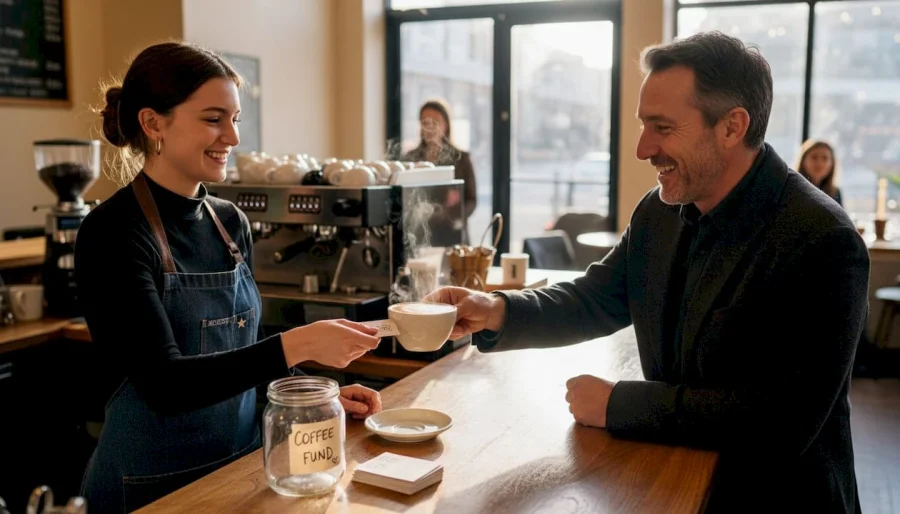
The basic mechanic is simple: customers earn points for every dollar spent, then redeem those points for free items, discounts, or upgrades. Points-based programs rank among the most popular loyalty formats precisely because they reward the behavior you want most: spending more, more often.
These programs work especially well for fast-casual and quick-service restaurants where customers visit frequently. The more often someone comes in, the faster their points accumulate and the more motivated they stay. For full-service or destination restaurants with less frequent visits, you may need to pair points with milestone rewards to keep customers engaged between visits.
Key benchmarks to build around:
- 1 point per $1 spent is the most common and easiest structure to communicate
- A 10% return rate (meaning rewards valued at 10% of spend) is generally sustainable for margins
- Tech options range from paper cards to POS-integrated apps, depending on your budget
- Staff can be motivated with micro-bonuses for enrolling new loyalty members
| Format | Setup effort | Cost | Best for |
|---|---|---|---|
| Paper punch card | Very low | Minimal | Coffee shops, bakeries |
| SMS-based points | Low | Low | Fast-casual, takeout |
| App-based system | Medium | Moderate | Frequent-visit restaurants |
| POS integration | High | Higher | Multi-location operations |
The most important nuance here is funding your rewards from incremental profit, meaning the additional revenue a loyal customer generates above their baseline spend, not from your core margins. This keeps the program financially healthy long-term. Programs focused on growing repeat visits tend to self-fund this way naturally. You can also explore different program models to find what aligns with your restaurant type.
Gamification and surprise & delight rewards
Beyond predictable points, gamification and surprise-based rewards offer powerful engagement tools that can set your program apart from the competition.
The psychology here is straightforward. Predictable rewards become expected over time and lose their motivational power. Unpredictable rewards, by contrast, create emotional peaks. A surprise free appetizer after a customer’s fifth visit hits differently than a discount they knew was coming. Variable bonus rewards create excitement through unpredictability, which keeps customers more engaged over the long term.
Gamefied mechanics you can add to your program include:
- Badges and levels (reaching “Gold Member” status after 20 visits)
- Milestone unlocks (a free item on your 10th, 25th, and 50th visit)
- Scratch-and-win style rewards delivered via app or email after a visit
- Bonus point days (double points every Tuesday to drive traffic on slow days)
- Seasonal challenges (visit 3 times this month to earn a special reward)
These elements make the loyalty experience feel like a game worth playing. Customers start to think ahead about their next visit, which is exactly the behavior you want to encourage.
Pro Tip: You don’t need an expensive app to start gamifying. A simple stamp card with a surprise reward at an unexpected stamp count (say, stamp 7 instead of stamp 10) can create the same unpredictability effect. Explore creative gamification examples and unique reward mechanisms for more ideas you can apply right away.
Surprise rewards also tend to generate social sharing. When a customer unexpectedly receives a free dessert, there’s a good chance they’ll mention it to a friend or post about it. That organic word-of-mouth is marketing you didn’t have to pay for directly.
Referral and milestone incentives
To further strengthen emotional ties and organic marketing, referral and milestone incentives are invaluable. These are the programs that make customers feel genuinely recognized as individuals, not just transaction numbers.
Referral incentives reward your existing customers for bringing new guests through the door. A simple example: give a loyal customer a $5 credit when a friend they refer makes their first purchase. The referred friend also gets a welcome discount. Both sides win, and your customer base grows through trusted personal recommendations.
Auto-triggered milestone rewards like birthday offers, anniversary perks, and visit-count celebrations work because they require minimal effort from the customer but feel deeply personal. A birthday dessert or a special offer on a customer’s one-year anniversary with your restaurant creates an emotional connection that a generic discount never could.
“The best loyalty moments are the ones customers didn’t have to ask for. When your system automatically recognizes their birthday or their 20th visit, you show them you were paying attention all along.”
Here’s why these two incentive types work so well together:
- Referral programs expand your customer base at a much lower cost than paid advertising
- Milestone rewards deepen loyalty with existing customers through personal recognition
- Both have low margin impact since they’re triggered infrequently but leave a lasting impression
- Together, they create advocates who promote your restaurant and keep returning
You can explore milestone and referral examples for practical frameworks, and check retention-boosting tips to layer these into a broader strategy.
Comparing restaurant incentives at a glance
With each type outlined, here’s a side-by-side comparison to clarify what fits your restaurant’s needs. Use this table to quickly map your situation to the right starting point.
| Incentive type | Setup complexity | Margin cost | Emotional impact | Best fit |
|---|---|---|---|---|
| Points / spend-reward | Low to medium | Low to moderate | Medium | Fast-casual, QSR, coffee |
| Gamification | Medium | Low | High | Younger demographics, frequent visitors |
| Milestone rewards | Low (automated) | Very low | Very high | Any restaurant type |
| Referral programs | Low to medium | Low | High | Community-focused, neighborhood spots |
| Hybrid (points + surprise) | Medium to high | Moderate | Very high | Full-service, premium casual |
A few practical takeaways from this comparison:
- Start with points if you want something proven and easy to explain to customers
- Add gamification when you’re ready to increase engagement and differentiate your program
- Layer in milestone rewards from day one because the setup cost is minimal and the payoff is strong
- Build referral incentives once your base program is running smoothly and you want to grow your customer list
For innovative ideas on combining these types, there are ready-made frameworks that can shorten your planning time considerably. The key is to match the complexity of your program to the actual capacity of your team to run it consistently.
What most advice misses about restaurant incentives
Most articles about restaurant loyalty programs focus heavily on features: which platform has the best app, which gamification mechanic is most engaging, or which reward type customers prefer. That focus misses the most important variable, which is execution.
A well-run punch card program beats a poorly managed digital platform every time. We’ve seen small restaurants generate strong repeat visit numbers with nothing more than a simple SMS list and a consistent birthday offer. No app required. The reason is that customers respond to reliability and personalization, not novelty.
The uncomfortable truth is that many restaurant owners launch a loyalty program, let enrollment stagnate after the first few weeks, and then wonder why it isn’t working. In-store enrollment, meaning your staff actively inviting customers to join at the point of sale, consistently outperforms digital-only pushes in the early stages. Your best customers are already in front of you.
Before adding features, rigorously track whether your current incentives are actually increasing repeat visits and average spend. If the numbers aren’t moving, no amount of added complexity will fix a program that isn’t connecting. Validate first, then scale.
Empower your restaurant with modern loyalty tools
Now that you’ve seen what works, the next step is picking tools that make these incentives effortless and measurable. BonusQR is built specifically to help restaurants like yours launch and automate every incentive type covered in this guide, from digital points and spend rewards to gamified mechanics and automatic birthday offers. Setup is fast, no POS integration is required, and pricing scales to fit small and medium operations. Explore the full range of BonusQR features to see how they map to your goals, and take a closer look at how electronic rewards can replace manual processes with automated, trackable systems that actually grow your customer base.
Frequently asked questions
What is the easiest restaurant incentive program to start?
SMS-based punch cards and basic points systems are the simplest, with instant enrollments and little tech required. Start with SMS or punch cards before committing to a full app platform.
How do I know if my incentives are working?
Monitor repeat visit rates and average ticket spend; good programs show more return customers and steady revenue growth. Tracking these two metrics gives you an honest picture of whether your program is driving real retention.
Are digital loyalty platforms worth the cost for a small restaurant?
Yes, once you outgrow punch cards. Digital tools automate rewards and provide valuable data, and the retention ROI of 5 to 7x acquisition cost makes a well-matched platform a strong investment.
What’s one incentive that builds the strongest emotional connection?
Birthday and anniversary rewards connect on a personal level, prompting visits with minimal margin cost. Auto-triggered personal rewards are consistently rated among the most memorable by customers.


