
 Deutsch
 Español
 Français
 Italiano
 Magyar
 Polski
 Slovenčina
 Čeština
Most small business owners think of loyalty programs as a way to hand out discounts. A stamp card here, a coupon there, maybe a “buy ten get one free” offer. But treating loyalty as a simple discount tool leaves a lot of retention potential on the table. The truth is, the most effective loyalty programs are built on flexibility. They adapt to different customer behaviors, reward preferences, and business goals. This article breaks down what flexible loyalty systems actually are, why they outperform rigid models, and how your business can put them to work for stronger, longer-lasting customer relationships.
Key Takeaways
| Point | Details |
|---|---|
| Beyond discounts | Flexible loyalty systems let you go far beyond points and price drops by offering benefits customers actually care about. |
| Personalized retention | Customized rewards and earning mechanics help you build stronger, longer-lasting customer relationships. |
| Scalable for SMBs | Modern flexible loyalty platforms grow with your business and adapt to your evolving needs. |
| Avoid common pitfalls | Simple design, ongoing updates, and a focus on value will keep your loyalty system relevant and effective. |
What are flexible loyalty systems?
Now that we’ve set the stage, let’s clarify what flexible loyalty systems actually are and how they differ from traditional models.
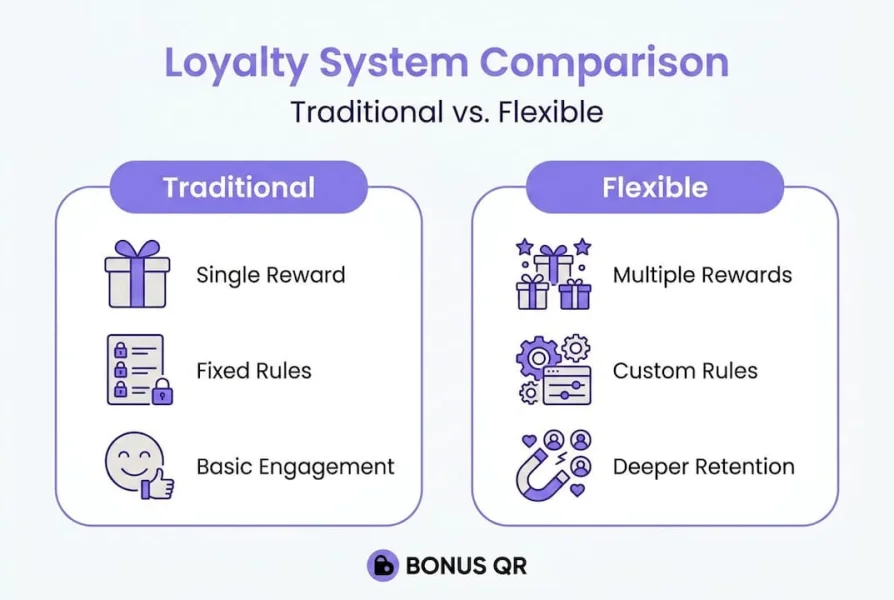
A traditional loyalty program typically runs on a single mechanic. Spend money, earn points. Collect stamps. Get a discount on your next visit. These models are easy to set up, but they treat every customer the same way. A first-time buyer and a high-frequency repeat customer receive the same reward structure, which rarely reflects their actual value to your business.
Flexible loyalty systems work differently. As noted by Prophet, flexible loyalty systems let SMBs tailor rewards mechanics including points, tiers, paid VIP access, and experiential perks instead of relying on one-size-fits-all discounts. That means you can create a program with multiple layers and multiple ways for customers to earn and redeem value.
Here’s a quick comparison to illustrate the difference:
| Feature | Traditional program | Flexible loyalty system |
|---|---|---|
| Reward mechanics | Single (e.g., points only) | Multiple (points, stamps, cashback, tiers) |
| Customer segmentation | None | Segment by behavior or spend |
| Redemption options | One fixed reward | Cash, experiences, discounts, charity |
| Adaptability | Static | Updated based on data and feedback |
| VIP or paid tier option | Rarely available | Commonly included |
| Engagement tools | Minimal | Push notifications, personalized offers |
The types of loyalty programs available to SMBs today are more varied than most business owners realize. You can combine stamp cards with a tiered points structure. You can offer experiential rewards like exclusive early access to new products alongside standard cashback. Flexibility is not about complexity. It is about giving your customers more ways to connect with your brand in ways that feel personally relevant to them.
Key components of a flexible loyalty system include:
- Points and stamps: The foundation of most programs, but customizable by earning rate and qualifying actions
- Tiered membership: Customers unlock higher status levels based on spending or engagement, which creates aspiration
- Paid VIP tiers: Premium memberships where customers pay for elevated perks, similar to a warehouse club model
- Experiential rewards: Access to events, priority service, exclusive products, or behind-the-scenes experiences
- Cashback options: Direct financial return on purchases, preferred by value-conscious customers
- Special occasion offers: Birthday rewards, anniversary bonuses, and milestone gifts that make customers feel seen
“The most effective loyalty systems are platforms, not just programs. They connect customers to your brand through multiple touch points and reward them in ways that match their individual preferences.” — Prophet, 2025
Key benefits of flexibility: Beyond just repeat visits
Understanding what flexible loyalty systems are, let’s explore the measurable benefits they offer SMBs.
One of the biggest advantages of a flexible approach is that it lets you compete on value rather than price. Many small businesses feel pressure to match the discounts that larger competitors offer. But a well-designed flexible loyalty program shifts the conversation. It gives customers reasons to stay that go beyond a lower price tag.
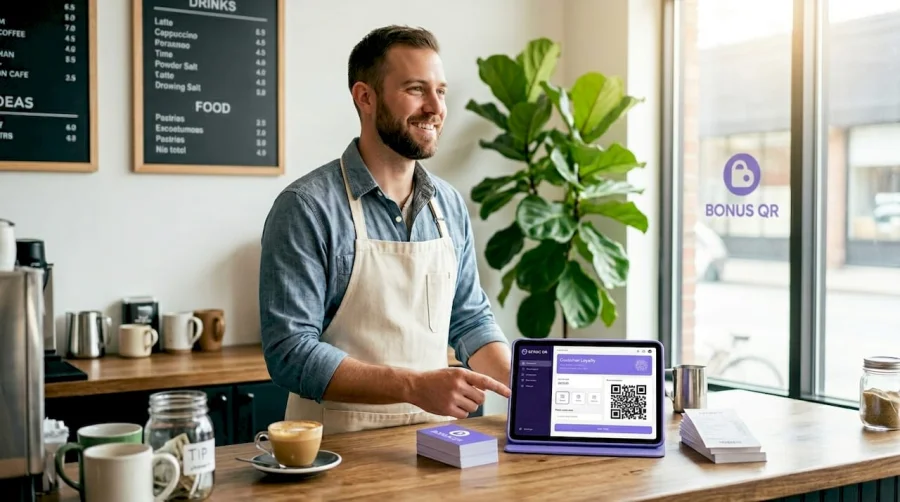
Small businesses using loyalty programs can compete on more than price by providing ongoing reach and relevance. That means your program becomes a tool for staying connected between purchases, not just rewarding transactions when they happen. Customers who feel genuinely valued are far less likely to defect to a competitor offering a one-time deal.
Here are four specific, measurable benefits your business gains from flexibility:
-
Higher customer lifetime value. When customers have multiple reasons to engage with your brand, they spend more over time. Tiered programs encourage customers to reach the next reward level, naturally increasing their purchase frequency and total spend.
-
Stronger emotional connection. Experiential rewards, personalized offers, and milestone recognition create an emotional bond. A customer who receives a birthday reward from your coffee shop feels appreciated in a way that a generic discount never achieves.
-
Reduced price sensitivity. Customers enrolled in a well-designed loyalty program are less likely to comparison shop. They have something to lose by switching. That “something” is the accumulated value they’ve built in your program.
-
Better data for smarter decisions. Flexible programs track multiple behaviors, including visits, spending patterns, preferred reward types, and redemption habits. This gives you actionable insights into what your customers actually want.
Flexible loyalty systems foster ongoing relationships, not just transactional benefits. This distinction matters enormously for SMBs. A transactional loyalty program ends when the customer walks out the door. A relationship-based program keeps working between visits through push notifications, personalized offers, and milestone rewards.
Pro Tip: Review your program’s engagement data every quarter. Look at which reward types are most commonly redeemed and which earn categories drive the most repeat visits. Use that information to adjust your program’s mechanics and keep customers actively engaged.
For practical ideas to drive retention in your specific sector, there are proven frameworks that work across retail, food service, personal care, and fitness businesses. You can also explore tips to boost loyalty that are directly applicable to small business contexts.
How flexible loyalty platforms empower your business
With the advantages clear, let’s see exactly how flexible loyalty platforms work to drive these results for SMBs.
The most effective programs in the market today use hybrid models. Top loyalty programs often combine points earning, tiered or VIP perks, and redemption catalogs with multiple choices available to customers. This approach keeps the program fresh, because customers do not feel locked into a single path.
Here is how you can structure a flexible loyalty platform for your business:
-
Start with a hybrid earning structure. Let customers earn points on purchases, but also reward other behaviors. A customer who refers a friend, leaves a review, or follows your social media page contributes real value to your business. Rewarding those actions builds loyalty beyond the cash register.
-
Create redemption choices. Give customers at least two or three ways to use their rewards. Some prefer direct cashback. Others want to donate their points to a charity your business supports. Others want access to exclusive products or early sale previews. Offering choice increases perceived value and program satisfaction.
-
Use customer data to personalize offers. A flexible platform captures data on individual behavior. Use it. A customer who visits every Tuesday can receive a Tuesday-specific incentive. A customer who hasn’t visited in 30 days can receive a win-back offer. Personalization at this level is only possible when your system is designed to handle varied inputs and outputs.
-
Introduce seasonal and campaign-based flexibility. Run double-points weekends during slow periods. Offer a limited-time stamp card for a new product launch. Create holiday-specific rewards that make your program feel alive and current. These campaigns give customers a reason to engage right now rather than waiting until they have accumulated enough points.
-
Offer a paid VIP tier. This is underutilized by SMBs but highly effective. A paid tier, perhaps a monthly or annual fee for premium perks, attracts your most loyal customers and gives them a stake in your business. They are invested, literally, in your success.
Real-world examples show how this plays out. A boutique fitness studio might combine class-based stamp rewards with a tiered membership that unlocks priority booking and guest passes. A neighborhood restaurant might offer standard points on meals but add an experiential reward layer: a private chef’s table dinner for customers who reach a VIP tier. These are not examples from large corporations. They are achievable for any SMB with the right platform.
For inspiration, reviewing best loyalty campaigns from 2026 gives you a concrete picture of what’s working right now. You can also find loyalty program examples that are specifically tailored to small business contexts and budgets.
Pro Tip: When launching a new reward mechanic or campaign, introduce it to your top-tier customers first. Their positive response creates word-of-mouth momentum, and their feedback helps you refine the feature before rolling it out more broadly.
Overcoming common pitfalls with flexible loyalty
To maximize the value of flexible loyalty, it’s vital to steer clear of certain traps. Here’s what to watch for and how to fix it.
Flexibility is powerful, but it can also work against you if your program becomes confusing or neglected. Many SMBs that adopt flexible loyalty systems make predictable mistakes. Recognizing them early saves you significant time and customer frustration.
Common pitfalls and their solutions:
-
Overcomplicating the reward structure. A program with too many earning categories, too many redemption options, and too many tiers quickly becomes impossible for customers to understand. If a customer cannot explain your program to a friend in two sentences, it is too complex. Fix: Start with two or three core mechanics. Add complexity only when your customer base is already engaged and asking for more.
-
Neglecting program analytics. Many small businesses set up a loyalty program and then rarely look at the data it generates. Without reviewing participation rates, redemption patterns, and customer retention metrics, you are running your program blind. Fix: Set a monthly check-in with your loyalty platform’s analytics dashboard. Identify your top 20% of customers and understand what they value most.
-
Poor promotion to staff and customers. A flexible loyalty program only works if your customers know it exists and your staff can explain it clearly. If your team cannot answer basic questions about how to earn points or redeem rewards, customers lose confidence in the program. Fix: Train your staff at launch and refresh their knowledge whenever you add a new feature. Promote the program at every touchpoint, including receipts, signage, your website, and social media.
-
Treating the program as “set and forget.” Flexible loyalty requires ongoing management and fresh content to stay relevant. A program that hasn’t changed in 18 months loses its ability to excite or re-engage customers. Fix: Schedule at least one program update per quarter, whether that is a new reward option, a seasonal campaign, or an updated tier benefit.
-
Ignoring customer feedback. Your loyal customers have opinions about your program. If you are not actively collecting that feedback through surveys, in-app ratings, or direct conversations, you are missing your best source of improvement ideas. Fix: Add a simple feedback prompt to your loyalty app or email campaigns twice a year.
A solid customer retention guide can help you build the operational habits that keep your loyalty program performing well over time.
Pro Tip: If you notice redemption rates dropping, it usually signals that customers do not find the reward options compelling enough. Survey a small group of your most active members, ask what rewards they would actually use, and adjust accordingly.
Why most SMBs underestimate loyalty system flexibility
With the practical pitfalls addressed, let’s challenge a deeper assumption in small business loyalty thinking.
Many small business owners adopt rigid loyalty programs not because they have evaluated the options and chosen simplicity. They do it out of habit, or because a rigid system was the first thing they encountered. The stamp card model has existed for decades. It is familiar. It feels safe. And that familiarity is precisely what holds many SMBs back from the retention results they could achieve.
Here’s the uncomfortable reality: a static loyalty program sends a static message to your customers. It says your business treats everyone the same. In a marketplace where customers increasingly expect personalization, that message is a competitive disadvantage.
We’ve seen this play out across industries. A clothing boutique that ran a basic spend-to-save discount program for three years switched to a tiered flexible model. Within eight months, their top-tier customers were visiting twice as frequently. Not because they received bigger discounts, but because the tiered program made them feel recognized. They had status. That status was worth more to them than a percentage off their next purchase.
Effective loyalty requires programs to evolve with customer needs and business objectives. This is not a suggestion. It is a requirement for programs that intend to remain effective past their first year. Customer expectations shift. Competitors launch new offers. Your own business changes. A rigid program cannot respond to any of those dynamics.
The businesses that outpace their competitors in customer retention are not necessarily the ones with the most generous discounts. They are the ones willing to experiment, listen to customer data, and update their programs accordingly. Flexibility is not complexity. It is responsiveness.
If you want to build something that lasts, a strategy that actually works for small businesses is grounded in adaptability, not permanence.
Take the next step with flexible loyalty solutions
Ready to put these insights to work for your business? Discover how you can implement flexible loyalty today.
Building a flexible loyalty system does not have to be complicated or expensive. BonusQR is designed specifically to give SMBs the tools they need to launch, manage, and grow customizable digital loyalty programs without the technical headaches. Whether you want to start with points, stamps, cashback, or a tiered structure, the platform gives you the ability to mix and match mechanics that fit your customers and your goals.
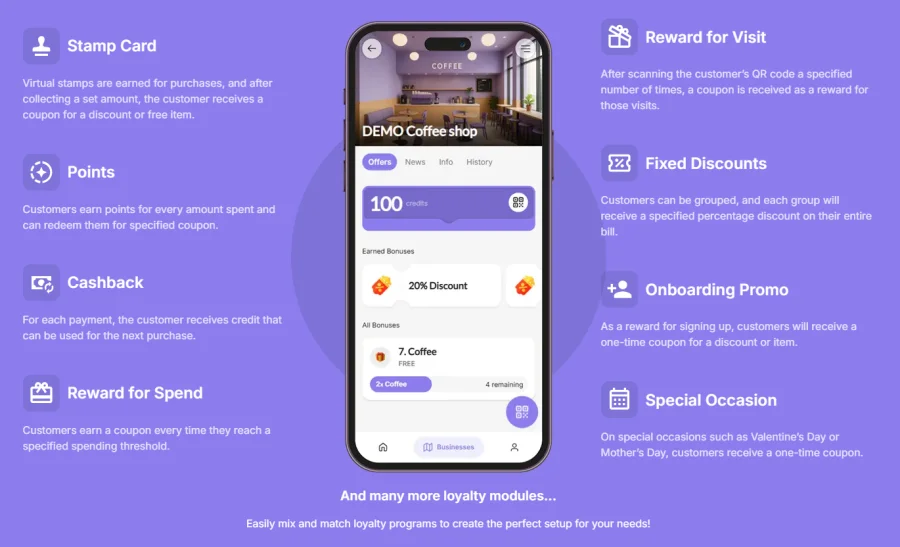
With BonusQR, you can set up electronic loyalty rewards that customers access instantly, and manage everything through a platform that requires no POS integration. The mobile loyalty app features let your customers track their rewards, receive push notifications, and engage with your brand between visits. From free starter plans to fully branded white-label solutions, BonusQR scales with your business as it grows.
Frequently asked questions
What makes a loyalty system flexible?
A flexible loyalty system lets you mix and match rewards, tiers, and earning mechanics based on your customers’ diverse preferences. Flexible systems allow SMBs to tailor rewards to different customer behaviors rather than applying one rule to everyone.
How do flexible loyalty programs help with retention?
They keep your business top of mind for customers between visits, deepening relationships and boosting ongoing engagement. Programs designed this way help SMBs stay relevant and build habits that lead to consistent, long-term retention.
What are common mistakes to avoid when launching a flexible loyalty system?
Pitfalls include making rewards too complex, ignoring customer data, and failing to promote the program to your team and customers. As the research confirms, flexible loyalty requires ongoing management and fresh content to stay relevant and effective.
Can a flexible loyalty platform scale as my business grows?
Yes, flexible systems are designed to adapt to changing needs, customer segments, and evolving business goals. Effective loyalty programs evolve with customer needs and business objectives, making scalability a built-in feature rather than an afterthought.