
 Deutsch
 Español
 Français
 Italiano
 Magyar
 Polski
 Slovenčina
 Čeština
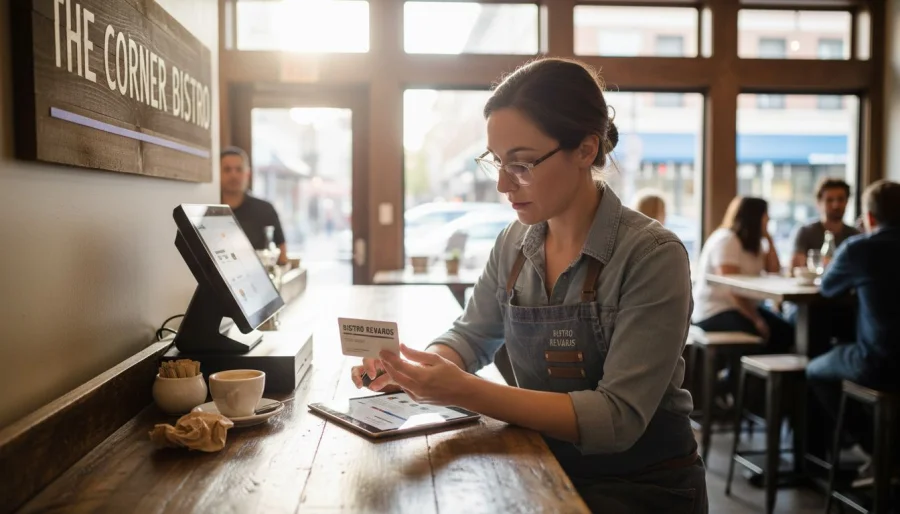
A generic rewards program often fades into the background, leaving restaurant customers indifferent and disengaged. For marketing managers at small to medium-sized restaurants, standing out with a loyalty program tailored to your own unique identity can make all the difference. Custom branding personalizes everything from messaging to reward tiers so your program feels distinctly yours, builds emotional connections, and keeps diners coming back for experiences that reflect your restaurant’s true character.
Defining Custom Branding in Loyalty Programs
Custom branding in loyalty programs means tailoring your rewards system to reflect your restaurant’s unique identity and values. Rather than using a generic, one-size-fits-all approach, you customize every element—from visual design to reward structure—to match how your customers perceive your brand.
At its core, custom branding personalizes marketing communications and rewards to align with your brand’s distinct identity. This goes beyond slapping your logo on a mobile app. It means creating loyalty experiences where messaging, tier structures, and incentives reflect your restaurant’s personality and customer base.
Think about what sets your restaurant apart. Are you a high-end steakhouse, a casual taco bar, or a health-focused cafe? Your loyalty program should sound, look, and feel like your brand—not like every other restaurant’s program.
What Custom Branding Actually Includes
Custom branding touches multiple program components:
- Visual identity: Logo placement, color schemes, typography, and imagery that match your restaurant’s aesthetic
- Communication style: Messages that match your brand voice—whether that’s playful, professional, or warm and community-focused
- Reward tiers: Loyalty levels and benefits structured to match your customer segments and brand positioning
- Program language: Names for tiers, rewards, and milestones that feel authentic to your brand
- Behavioral alignment: Rewards that incentivize actions valued by your specific customer base
The Emotional Connection Layer
Here’s where custom branding matters most. Research shows that when loyalty programs align with brand identity and customer goals, they convert transactional loyalty into emotional loyalty.
Customers don’t just return for points. They return because your program feels like it was designed specifically for them and your brand.
Without custom branding, your program becomes invisible. Customers see generic rewards, forgettable messaging, and experiences that don’t reflect who you are as a restaurant. With it, every interaction reinforces your brand and strengthens customer relationships.
Custom branding transforms loyalty programs from forgettable transactions into meaningful brand experiences that resonate with your specific customers.
This personalization requires leveraging customer data thoughtfully—understanding preferences, purchase patterns, and what motivates repeat visits. Then you design your program around those insights.
Pro tip: Start by defining your brand’s core personality in 3-5 words (e.g., “warm, community-focused, locally-sourced”), then ensure every element of your loyalty program—colors, messaging, reward names—reflects those values.
Key Elements of Effective Brand Customization
Effective brand customization goes beyond aesthetics. It requires a strategic approach to ensure your loyalty program genuinely reflects your restaurant’s identity while motivating customer engagement.
The foundation starts with understanding what makes your brand distinctive. Your visual identity, communication tone, and value proposition should all work together in your loyalty program design.
Visual Consistency Across All Touchpoints
Your restaurant’s colors, fonts, and imagery appear everywhere—menus, storefront, social media, and now your loyalty program. Inconsistency creates confusion and dilutes brand recognition.
Key visual elements to customize include:
- Logo placement and sizing: Ensure prominence without overwhelming the interface
- Color palette: Use your brand colors consistently across the app, cards, and promotional materials
- Typography: Select fonts that match your restaurant’s personality
- Imagery style: Maintain consistent photography or illustration aesthetics
- Button styles and icons: Design these to complement your overall brand aesthetic
Brand color customization helps your program feel like a natural extension of your restaurant rather than an afterthought.
Communication and Messaging
How you speak to customers matters as much as what you show them. Your loyalty program messaging should match your brand voice.
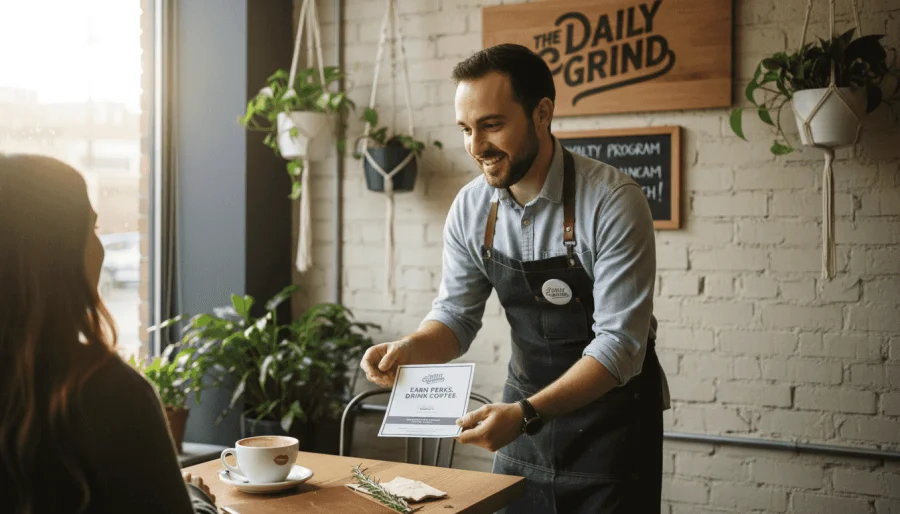
A fine dining establishment uses formal, sophisticated language. A casual taco restaurant uses friendly, conversational tone. Your program language—reward names, tier descriptions, promotional copy—should reflect that personality consistently.
Consider these messaging elements:
- Reward tier names: Should align with your brand (e.g., “Gold,” “Platinum” vs. “Fan,” “Super Fan”)
- Notification copy: Tone should match your brand voice
- Help text and instructions: Keep them simple and aligned with your communication style
- Promotional language: Use terminology your customers actually use
Customers recognize and trust brands that communicate consistently. Mismatched messaging undermines everything else you customize.
Reward Structure and Customer Segments
Not all customers are the same, and your loyalty program shouldn’t treat them identically. Customizing white label rewards programs for different customer segments creates more meaningful engagement.
Think about your customer groups. High-frequency regulars want different rewards than occasional visitors. VIP customers expect premium benefits. Design your tiers and rewards to match these distinct groups.
Structure considerations:
- Define 2-4 customer segments based on visit frequency or spending patterns
- Create tier names and benefits aligned with each segment’s expectations
- Set thresholds that feel achievable yet rewarding
- Offer progression paths that keep customers motivated
Personalization Beyond Generic Points
Generic point systems work, but they’re forgettable. What makes your program stick is personalizing rewards to what your customers actually want.
A steakhouse might offer premium cuts as rewards. A health-focused cafe might offer smoothie upgrades or meal prep discounts. A bar might feature craft cocktail tastings. These feel authentic to your brand and genuinely excite customers.
Pro tip: Survey your top 20 customers about rewards they’d actually redeem, then build your customization around their preferences rather than assuming what they want.
Types of Branded Loyalty Program Modules
Your loyalty program doesn’t need to be one-size-fits-all. Different modules let you customize what your program does, how customers interact with it, and what benefits they receive.
Think of modules as building blocks. You choose which ones fit your restaurant’s needs and brand identity. Some restaurants use three modules, others use five or more.
Points and Stamp Card Systems
Points-based programs are the most common. Customers earn points on spending, then redeem them for rewards. They’re straightforward and work for most restaurants.
Stamp cards feel more tangible. Customers get a digital or physical card that fills up with stamps as they visit or spend. When full, they unlock a reward. This works especially well for restaurants focused on visit frequency rather than spending amounts.
Both can be heavily branded—using your colors, messaging, and reward structure to make them distinctly yours.
Here’s a quick comparison of popular branded loyalty program modules and their impact:
| Module Type | Customer Experience | Brand Alignment | Best Use Case |
|---|---|---|---|
| Points Program | Simple redemption process | Can match brand visuals | Boosting spend/visits |
| Stamp Card | Tangible, fun experience | Easy to personalize | Frequent visit rewards |
| Tiered Program | Motivates progression | Customizable tier names | Diverse customer bases |
| Cashback | Immediate, clear benefits | Can use brand discounts | High value purchases |
| Referral/Occasion | Personal, social rewards | Connects to brand events | Driving new customers |
Tiered Membership Programs
Tiered programs create progression. Customers move from Bronze to Silver to Gold, each tier offering better benefits and exclusive perks.
This module works brilliantly for restaurants with diverse customer bases. Regular customers feel appreciated with premium tier benefits. New customers have motivation to increase visits and move up.
You control tier names, entry requirements, and exclusive rewards, making them align completely with your brand voice and customer experience.
Cashback and Discount Modules
Simple but powerful. Customers earn a percentage back on every purchase, or receive specific discounts at certain thresholds.
A casual restaurant might offer 5% back on every visit. A fine dining establishment might give exclusive $20 discounts at the Gold tier. Both feel aligned with their respective brands and customer expectations.
Referral and Special Occasion Modules
Loyalty program modules for restaurants increasingly include referral systems where customers earn rewards for bringing friends.
Special occasion modules reward customers on their birthdays or anniversaries with exclusive offers. These feel personal and strengthen emotional connection to your brand.
The best module mix addresses how your specific customers behave and what motivates them to return.
Choosing Your Module Combination
You don’t pick modules randomly. Start with your goals. Want more frequent visits? Use stamp cards. Want to increase average check size? Use points redeemable for premium items.
Consider these factors:
- Your customer demographics and spending patterns
- What competitors offer (then differentiate with branded customization)
- Your restaurant’s operational capacity to manage the program
- The emotional experience you want customers to feel
Pro tip: Start with one or two core modules that match your biggest business goal, then add a second module after three months once you understand customer adoption patterns.
Common Mistakes in Custom Branding Strategies
Even well-intentioned loyalty programs fail when execution doesn’t match strategy. Understanding common pitfalls helps you avoid expensive mistakes that damage engagement and waste resources.
Many restaurants invest in custom branding but miss critical elements that determine success. The result? Low adoption rates, minimal engagement, and disappointing return on investment.
Misalignment Between Rewards and Customer Values
This is the biggest killer. You create a beautiful, branded program offering rewards nobody actually wants.
A fine dining restaurant offers 50-point discounts on appetizers. Customers visit for the experience and premium entrees, not appetizer deals. The reward feels misaligned with why they come to you.
Poor alignment of rewards with customer values leads to abandonment and frustration. Your branded program sits unused because it doesn’t address what motivates your customers.
Do this instead: Ask customers directly. Survey your regulars about rewards they’d actually redeem. Let that data drive your branding and reward structure.
Ignoring Customer Insights
You brand your program based on assumptions instead of facts. You assume customers want points, but they actually prefer visit-based rewards. You assume they love emails, but they’d rather get SMS.
Without customer data, your customization misses the mark entirely.
Common insight gaps include:
- Not understanding visit frequency patterns
- Assuming all customers value the same rewards
- Skipping competitor analysis of what works elsewhere
- Overlooking demographic preferences (younger customers vs. regulars)
Overly Complex Program Mechanics
You get excited about customization and create something confusing. Seven tier levels. Point multipliers for specific menu items. Bonus calculations that require a calculator.
Customers should understand your program in 30 seconds. If they need to read instructions, it’s too complicated.
Complexity kills adoption. New customers get frustrated and never enroll. Existing customers forget how the program works.
Simple, clearly branded programs outperform complex ones with fancy customization every single time.
Failing to Actively Promote Your Program
You launch a beautifully branded program and hope customers notice. They don’t. Nobody enrolls because nobody knows it exists.
Promotion isn’t optional. It’s as important as the program itself. Feature your program on receipts, menus, social media, staff training, and in-store signage.
Make enrollment easy at point of sale. Train staff to mention it genuinely. Send targeted promotions to email lists. Use in-app notifications and push messages to keep enrolled customers engaged.
Without promotion, even perfect programs fail.
Not Evolving Your Program
You launch your branded program and leave it unchanged for two years. Initial interest drops. Customers who enrolled get bored.
Successful programs require continuous innovation. Add seasonal rewards. Introduce limited-time offers. Refresh your messaging. Test new reward tiers.
Keep your branded program feeling fresh and relevant.
Pro tip: Before launching, commit to reviewing your program’s performance metrics monthly and planning one small improvement or fresh reward every quarter.
Maximizing Customer Engagement and Retention
A branded loyalty program only succeeds when it actively engages customers and keeps them returning. This requires strategy beyond launch—continuous optimization based on real data and customer behavior.
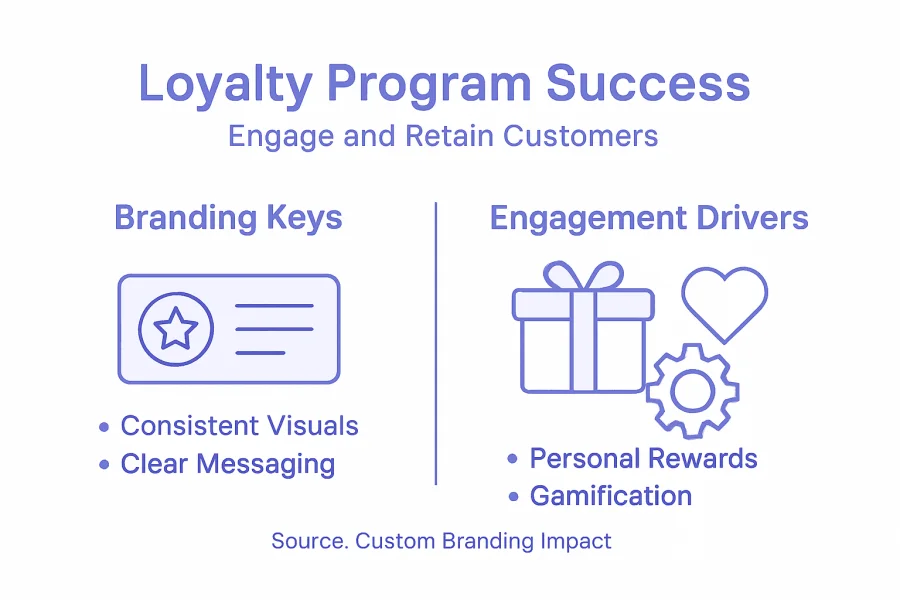
Engagement isn’t passive. You must intentionally design experiences that make customers want to interact with your program repeatedly.
Use Data to Drive Decisions
Personalized rewards and tiered benefits require understanding your customer data deeply. Track which rewards get redeemed. Monitor visit frequency. Measure spending patterns.
This data reveals what actually works for your specific customers, not what you assumed would work. Maybe your high-spenders prefer exclusive event invitations over discounts. Perhaps your frequent visitors want free beverages more than food items.
Use these insights to continuously refine your program and keep it relevant.
Monitor Key Performance Metrics
You need visibility into program health. Track critical metrics:
- Enrollment rates: What percentage of customers join?
- Active engagement: How often do enrolled customers use the program?
- Redemption rates: Are rewards actually being claimed?
- Customer lifetime value: Are program members spending more overall?
- Share of wallet: Are members increasing their portion of dining spending with you?
When metrics drop, something needs adjustment. Don’t wait for annual reviews—check performance monthly.
For quick reference, here are core metrics to monitor for loyalty program success:
| Metric | What It Reveals | Why It Matters |
|---|---|---|
| Enrollment Rate | Customer interest level | Tracks initial program appeal |
| Active Engagement | Repeat participation frequency | Measures ongoing user value |
| Redemption Rate | Rewards utilization | Identifies attractive rewards |
| Customer Lifetime Value | Overall member spending | Evaluates long-term benefit |
| Share of Wallet | Portion of spend with brand | Assesses competitive position |
Create Multi-Channel Experiences
Seamless multi-channel experiences keep customers engaged across touchpoints. Your branded program should work on mobile, web, and in-store equally well.
Customers might earn points at the register, check their balance on your app, and redeem rewards at a kiosk. All channels must feel connected and aligned with your brand.
Fragmented experiences frustrate customers and reduce engagement, regardless of how beautiful your branding is.
Leverage Behavioral Incentives and Gamification
Simple point collection gets boring. Gamification—challenges, streaks, badges, limited-time offers—keeps programs feeling fresh and engaging.
A pizza restaurant might offer double points on Tuesday visits. A cafe might have a “7-day streak” challenge where customers get bonus rewards for consecutive daily visits. A steakhouse might feature seasonal challenges tied to menu items.
These mechanics, when aligned with your brand personality, drive repeated engagement and increase spending.
Foster Emotional Connection
Transactional relationships (“I earned points, so I’ll return”) are fragile. Emotional connections (“This brand gets me, and I genuinely like supporting them”) are durable.
Your branded program builds emotional connection through consistent messaging, personalized experiences, and genuine appreciation of customer loyalty.
When customers feel valued specifically by your restaurant—not just any restaurant—they become advocates.
Pro tip: Create a monthly dashboard tracking your five most important metrics, then hold a 15-minute team meeting to discuss what the data reveals and what one change to test next month.
Elevate Your Restaurant’s Loyalty Program with True Custom Branding
Struggling to turn generic loyalty offerings into unforgettable brand experiences that genuinely engage your customers? The article highlights critical challenges such as misaligned rewards, inconsistent messaging, and complex program mechanics that prevent restaurants from building emotional connections. Your customers crave personalized rewards and a loyalty program that speaks their language while reflecting your unique brand personality.
At bonusqr.com, we specialize in helping restaurants overcome these hurdles through fully customizable loyalty program solutions. Choose from flexible modules like points, stamp cards, cashback, and referral rewards—all designed to seamlessly align with your restaurant’s distinct identity. Our platform supports brand color customization and tiered memberships so you can create clear progression paths and meaningful tiers tailored to your customer segments. With integrated push notifications and real-time analytics, you can continuously refine your program based on what truly motivates your audience.
Ready to build a loyalty program that turns casual diners into loyal advocates? Visit bonusqr.com today to explore how our customizable loyalty solutions can transform your customer engagement. Don’t wait to start rewarding your customers in a way that truly resonates and drives long-term retention.
Frequently Asked Questions
What is custom branding in loyalty programs?
Custom branding in loyalty programs refers to tailoring your rewards system to reflect your restaurant’s unique identity and values, including visual design, messaging, and reward structures that resonate with your brand and customer base.
How does custom branding impact customer engagement?
Custom branding enhances customer engagement by creating meaningful loyalty experiences. When a loyalty program aligns with a brand’s identity and customer expectations, it fosters emotional connections, driving customers to return not just for rewards, but also for the brand experience itself.
What elements should be customized in a loyalty program?
Key elements to customize in a loyalty program include visual identity (like logo and color scheme), communication style (brand voice), reward tiers, program language (names for rewards), and behavioral alignment (rewards that incentivize valued actions).
How can data be used to improve a branded loyalty program?
Data can identify customer preferences, visit patterns, and reward appeal, allowing restaurants to refine their loyalty program continuously. By monitoring metrics such as enrollment rates and redemption rates, businesses can make data-driven adjustments to enhance engagement and retain customers.
Recommended
- Branding in Loyalty Programs: Boosting Restaurant Retention | BonusQR
- Brand Color Customization - Loyalty Platform Feature | BonusQR
- Branded Loyalty Apps: Transforming Customer Retention | BonusQR
- Customizing White Label Rewards Programs for Your Brand | BonusQR
- Music Branding Through Video: Amplifying Artist Identity | Music Video Marketplace Blog