
 Deutsch
 Español
 Français
 Italiano
 Magyar
 Polski
 Slovenčina
 Čeština
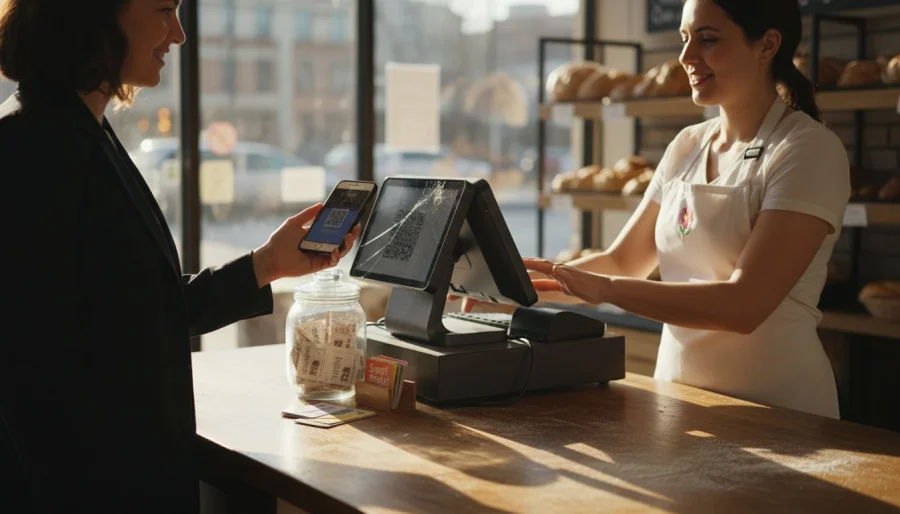
Standing out in retail often means keeping customers engaged long after the first sale. Branded loyalty apps give small and medium businesses a way to build real value beyond discounts by turning every interaction into a personalized experience. Backed by research, these apps offer a blend of hedonic, utilitarian, and symbolic engagement that strengthens brand relationships and drives lasting loyalty for retailers worldwide.
Defining branded loyalty apps and core concepts
Branded loyalty apps represent powerful digital tools that transform how businesses connect with customers in the modern marketplace. These mobile applications go far beyond simple transactional platforms, serving as sophisticated engagement channels that create meaningful consumer-brand connections.
At their core, branded loyalty apps are customized mobile experiences designed to achieve specific marketing objectives while providing tangible value to users. Unlike generic reward programs, these apps integrate seamlessly with a brand’s digital ecosystem, offering features that enhance customer interaction and foster long-term relationships. Key characteristics include:
- Personalized user experiences
- Real-time reward tracking
- Seamless integration with brand identity
- Gamification of customer engagement
- Multi-channel connectivity
The strategic significance of branded loyalty apps extends beyond simple point collection. Research demonstrates that these applications provide hedonic, utilitarian, and symbolic engagement experiences that profoundly influence consumer attitudes and brand loyalty. By creating interactive platforms that deliver functional utility and emotional resonance, brands can transform passive customers into active brand advocates.
Pro tip: Design your branded loyalty app with a clear understanding of your target audience’s specific needs and preferences to maximize engagement and retention.
Types of branded loyalty apps and key distinctions
Branded loyalty apps are not a one-size-fits-all solution, but rather a diverse ecosystem of digital engagement strategies tailored to different business objectives and customer expectations. Research reveals distinct typologies of loyalty apps that fundamentally reshape how brands interact with their customers.
These apps can be categorized into three primary types based on their transactional characteristics:
- Fully Transactional Apps: Primarily commercial platforms focused on direct monetary exchanges
- Semi-Transactional Apps: Freemium models offering both free and premium features
- Non-Transactional Apps: Service-oriented experiences emphasizing brand connection over immediate sales
Each app type offers unique advantages in building customer relationships. Fully transactional apps provide immediate value through direct rewards, while semi-transactional models create flexible engagement pathways. Non-transactional apps, however, excel at fostering deeper brand identification by prioritizing emotional connection and user experience over direct commercial interactions.
Key Distinctions Between App Types:
- Revenue Generation Strategy
- Customer Interaction Depth
- Brand Loyalty Potential
- User Experience Design
- Data Collection Approach
The strategic selection of a loyalty app type depends on understanding your specific business model, target audience preferences, and long-term engagement goals. Sophisticated brands increasingly recognize that the most effective loyalty programs transcend simple point collection, instead creating meaningful digital experiences that resonate with customer values.
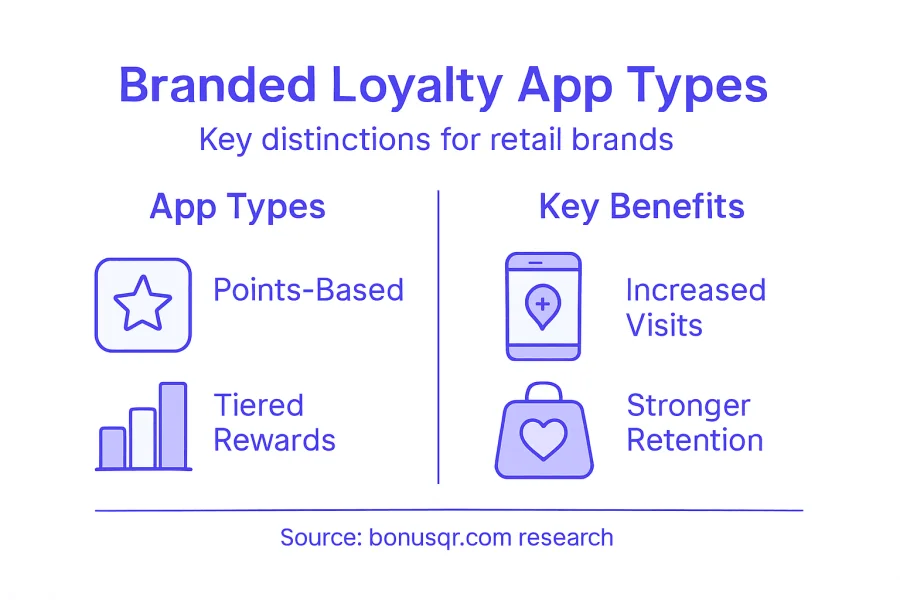
Here’s how the three primary types of branded loyalty apps compare at a strategic level:
| App Type | Ideal Use Case | Key Business Advantage | User Loyalty Outcome |
|---|---|---|---|
| Fully Transactional | High-frequency retail or convenience | Immediate rewards, quick feedback | Fast engagement, shallow ties |
| Semi-Transactional | Subscription-based or service brands | Flexible monetization, wider reach | Moderate loyalty, upsell ready |
| Non-Transactional | Premium/luxury or experiential brands | Deep brand connection, differentiation | Strong emotional loyalty |
Pro tip: Conduct thorough customer research to determine which loyalty app type aligns most closely with your audience’s expectations and behavioral patterns.
Essential features and integration capabilities
Modern branded loyalty apps are sophisticated digital ecosystems that demand comprehensive integration with multiple business systems. These platforms are no longer simple point-collection tools, but advanced engagement mechanisms that seamlessly connect customer experiences across different technological touchpoints.
Essential features of cutting-edge loyalty apps include:
- Digital Wallet Functionality: Seamless payment and reward redemption
- Real-Time Rewards Tracking: Instant visibility into customer points and benefits
- Personalization Engine: Customized offers based on individual customer behavior
- Gamification Elements: Interactive challenges and achievement systems
- Cross-Platform Synchronization: Consistent experience across mobile and web platforms
Integration Capabilities represent the critical infrastructure that transforms loyalty apps from standalone tools to powerful business intelligence platforms. These capabilities typically encompass:
- Customer Relationship Management (CRM) System Integration
- Point of Sale (POS) Platform Connectivity
- Payment Gateway Synchronization
- Marketing Automation Alignment
- Data Analytics and Reporting Mechanisms
The true power of branded loyalty apps lies in their ability to create a holistic view of customer interactions. By aggregating data across multiple systems, businesses can develop nuanced understanding of customer preferences, spending patterns, and engagement potential.
Successful loyalty app integration transforms raw customer data into actionable strategic insights.
Pro tip: Prioritize flexible integration architecture that allows seamless connections between your loyalty app and existing business technology infrastructure.

Real-world applications for retail businesses
Retail businesses increasingly recognize branded loyalty apps as transformative tools for customer engagement, moving beyond traditional punch cards and basic reward systems. Retail customer experiences now demand multidimensional interactions that satisfy cognitive, emotional, and sensory expectations.
Specific real-world applications for retail loyalty apps include:
- Grocery Store Loyalty Programs: Personalized discounts and digital shopping lists
- Fashion Retail Engagement: Size recommendations and exclusive member previews
- Convenience Store Rewards: Instant digital coupon redemption
- Specialty Retail Experiences: Tiered membership levels with escalating benefits
- Multichannel Retail Integration: Seamless online and in-store reward synchronization
Strategic Implementation Approaches for retail businesses involve creating comprehensive engagement ecosystems that extend beyond simple transactional interactions. These approaches typically focus on:
- Personalized Customer Journey Mapping
- Dynamic Reward Structure Design
- Contextual Communication Strategies
- Data-Driven Experience Optimization
- Continuous Feedback Mechanism Integration
Successful retail loyalty apps transform occasional customers into committed brand advocates through intelligent, personalized digital experiences.
The most effective branded loyalty apps in retail understand that modern consumers seek more than just discounts. They want meaningful connections, recognized value, and experiences that feel uniquely tailored to their individual preferences and behaviors.
Pro tip: Design your retail loyalty app with a customer-centric perspective, prioritizing intuitive user experience and genuine value creation over complex reward mechanics.
Risks, costs, and common pitfalls to avoid
Branded loyalty apps present complex challenges that can derail even the most well-intentioned digital engagement strategies. Potential risks and implementation challenges require careful navigation to ensure successful customer retention platforms.
Critical risks and potential pitfalls include:
- Design Ineffectiveness: Poorly conceived user interfaces
- Low Adoption Rates: Insufficient perceived value proposition
- Integration Complexity: Technical challenges with existing systems
- Maintenance Overhead: Ongoing development and update costs
- Security Vulnerabilities: Potential data protection risks
Financial Considerations for loyalty app development encompass multiple dimensions beyond initial creation costs:
- Initial Development Expenses
- Ongoing Technical Maintenance
- Regular Feature Updates
- Customer Support Infrastructure
- Data Security Investments
Successful loyalty apps balance innovation with practical, user-centered design and robust technical infrastructure.
Companies must approach branded loyalty app development with a strategic mindset, understanding that these platforms represent significant technological and financial investments. Careful planning, continuous user feedback, and adaptable design principles are essential for mitigating potential risks and maximizing return on investment.
Below is a quick reference for common risks in branded loyalty apps and recommended proactive solutions:
| Risk Area | Example Scenario | Proactive Solution |
|---|---|---|
| Poor Design | Confusing navigation | User-centered design process |
| Integration Failure | Data sync issues with CRM/POS | Build modular, documented APIs |
| Low Adoption Rate | Minimal signups post-launch | Launch targeted onboarding campaign |
| High Maintenance Cost | Frequent troubleshooting | Schedule regular, planned updates |
| Security Breach | Data leaked via app vulnerability | Implement advanced encryption |
Pro tip: Conduct comprehensive user testing and maintain flexibility in your app development approach to quickly address emerging challenges and user expectations.
Alternatives to branded loyalty apps for loyalty management
Businesses seeking customer retention strategies have multiple options beyond dedicated branded apps. Alternative loyalty management approaches offer flexible pathways for engaging and retaining customers across different technological and operational contexts.
Primary alternatives to branded loyalty apps include:
- Coalition Loyalty Programs: Multi-brand reward networks
- Digital Coupon Platforms: Targeted promotional distribution
- Email Marketing Loyalty Systems: Personalized communication channels
- Traditional Punch Card Programs: Physical reward tracking
- Social Media Engagement Strategies: Community-based loyalty mechanisms
Comparative Evaluation Criteria for loyalty management alternatives:
- Implementation Cost
- Customer Engagement Potential
- Data Collection Capabilities
- Scalability
- Technical Complexity
Effective loyalty strategies prioritize customer experience over technological complexity.
Each alternative loyalty approach presents unique advantages and limitations. Coalition programs offer broader reach, while digital coupons provide immediate transactional value. Email marketing enables personalized communication, and traditional punch cards maintain simplicity for less tech-savvy customer segments.
Pro tip: Evaluate your specific customer demographic and technological infrastructure before selecting a loyalty management strategy to ensure maximum engagement and minimal friction.
Elevate Customer Retention with Tailored Branded Loyalty Apps
The article highlights the challenge of creating branded loyalty apps that go beyond simple rewards to deliver personalized, engaging experiences that foster strong customer loyalty. Many businesses struggle with designing loyalty platforms that integrate well, provide real-time tracking, and truly connect emotionally with their audience. If you want to avoid pitfalls like low adoption rates, complex system integrations, and ineffective reward mechanics, a flexible, user-centric solution is essential.
At bonusqr.com, we specialize in customizable loyalty program solutions designed to address these exact challenges. Our platform offers seamless mobile and web app integration, real-time analytics, and flexible modules such as points collection, cashback, and personalized coupon distribution. Whether you need a branded white-label app or a rapid setup with no POS integration, bonusqr.com helps you create loyalty experiences that resonate deeply with your customers and drive meaningful engagement.
Are you ready to transform your customer retention strategy with a loyalty app built around your unique brand and audience? Explore our powerful tools and discover why businesses trust bonusqr.com for scalable, easy-to-manage loyalty systems. Start crafting your ideal loyalty program today and capture customer loyalty like never before.
Frequently Asked Questions
What are branded loyalty apps?
Branded loyalty apps are customized mobile applications that enhance customer engagement with a brand, going beyond simple reward programs to integrate personalized user experiences, real-time tracking, and gamification elements.
What types of branded loyalty apps exist?
Branded loyalty apps can be categorized into three main types: fully transactional apps focused on direct sales, semi-transactional apps that offer flexible engagement with both free and premium features, and non-transactional apps that emphasize brand connection over immediate transactions.
What essential features should a branded loyalty app have?
Key features of a branded loyalty app should include digital wallet functionality, real-time rewards tracking, personalization engines for tailored offers, gamification elements for engagement, and cross-platform synchronization for a consistent user experience.
What are the risks and costs associated with developing a branded loyalty app?
Developing a branded loyalty app involves risks such as low adoption rates, design ineffectiveness, and integration complexities. Financial considerations include initial development costs, ongoing maintenance, and necessary data security investments.