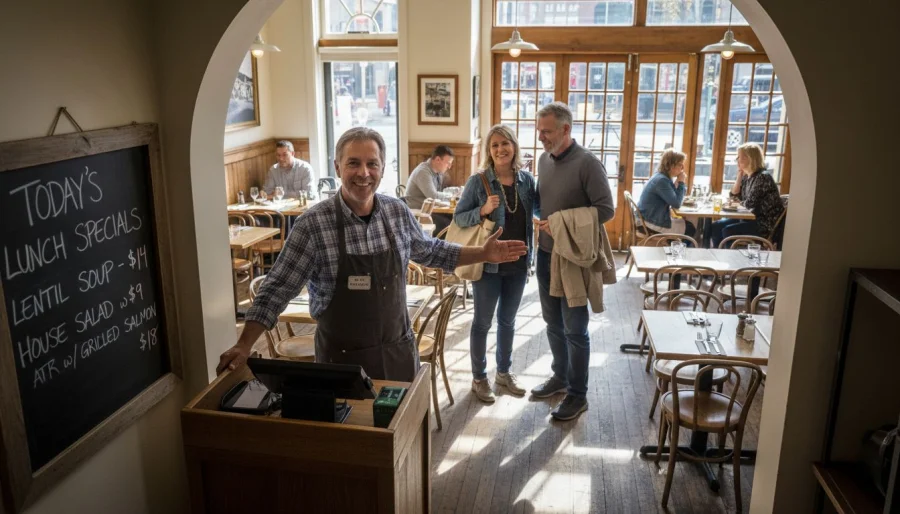
Winning repeat business in the restaurant industry is more challenging than ever. Traditional punch cards and generic discounts rarely inspire lasting loyalty, especially when customers have endless choices. If you want guests to keep coming back, you need loyalty tactics that go beyond the basics and truly make people feel valued.
This list is packed with actionable steps that use digital tools, personalization, and timing to keep your customers engaged and coming back for more. You’ll learn practical strategies to create rewards that feel special, use technology to connect directly with diners, and even leverage real-time data to make every offer count.
Discover how modern loyalty programs are changing the way restaurants succeed. Your repeat business can grow stronger with the right approach—get ready to unlock techniques that successful Canadian and American restaurants are already using today.
1. Implement a Simple Digital Loyalty Program
Moving beyond punch cards is one of the most impactful decisions you can make for your restaurant. A digital loyalty program transforms how you connect with customers and encourages them to return again and again.
Why does this matter? Your competitors are already using sophisticated digital models that go far beyond basic reward systems. Restaurants globally have shifted toward programs that emphasize flexibility and personalization. In 2023, subscription loyalty models increased by 54%, signaling that customers now expect more than transactional rewards. They want convenience, customization, and genuine recognition of their loyalty.
The beauty of a digital program lies in its ability to collect real customer data. You gain insights into who visits most often, what they order, and when they typically come in. This information becomes your competitive advantage. You can use it to send personalized offers that actually resonate with each customer segment rather than broadcasting generic deals to everyone.
Here’s how implementation works in practice. Digital loyalty programs allow you to set up point systems, stamp cards, cashback offers, or tiered reward structures without requiring complex POS integration. A customer downloads your app or scans a QR code. They accumulate points with each visit or purchase. They redeem rewards when they reach certain thresholds. The cycle repeats, and your repeat visit rate climbs.
The data piece is transformative. Technology and digital loyalty platforms enable you to leverage customer information and create tailored experiences that build emotional connections between customers and your brand. When someone feels understood and valued, they don’t just come back. They become advocates who recommend your restaurant to friends and family.
Let’s talk about what makes a digital program “simple.” You don’t need elaborate technology or a massive budget to start. Look for solutions that offer customizable modules so you can choose exactly the features you need. Points collection, special occasion offers, and push notifications for timely promotions are strong starting points. Mobile and web app integration means your program reaches customers wherever they are.
One more consideration: security matters. Digital programs do carry fraud risks, so choose a platform that implements robust security measures to protect customer data and maintain trust. Your customers need to feel confident that their information is safe.
Pro tip: _Start with one core reward structure (points or stamps) rather than overwhelming customers with multiple complex tiers. Simple programs drive higher participation rates and give you real data to refine as you grow.
2. Offer Personalized Rewards for Loyal Customers
Generic rewards feel impersonal. When you tailor incentives to match what each customer actually wants, loyalty transforms from a transaction into a genuine relationship.
Personalization works because it makes customers feel seen and valued. You’re not just saying “thanks for coming back.” You’re saying “we know you love our spicy tacos on Friday nights, and here’s a special reward for you.” That distinction matters tremendously. Restaurants using personalized loyalty incentives see increased engagement, higher customer satisfaction, and more repeat visits.
How does personalization actually work? Your digital loyalty program collects data on what customers order, how often they visit, and when they typically come in. This information becomes the foundation for tailored offers. If a customer frequently orders appetizers but rarely orders desserts, you might send them a bonus points offer when they add a dessert to their order. If someone visits every Thursday, you could send them a Thursday-only deal.
The technology behind this is simpler than you might think. Modern loyalty platforms integrate AI and data analytics to segment your customer base and create individualized reward strategies. Personalization might include deals on their frequently ordered items, bonus points for hitting visit milestones, special birthday offers, or custom food suggestions when favorite dishes return to your menu. Timely notifications ensure customers receive these offers when they’re most likely to act on them.
Let’s look at practical examples. A customer who orders salmon twice a month gets an alert when salmon is featured on a limited-time menu. Another customer who visits with their family gets a special family pack promotion. Someone celebrating their birthday receives a complimentary dessert or discount code. These aren’t random offers sent to everyone. They’re crafted specifically for each person based on their actual behavior.
The gamification element enhances this further. You can reward customers for trying new items, reaching visit milestones, or engaging with your social media. Combining personalization with these engagement mechanics keeps your program feeling fresh and motivating rather than stale.
One critical advantage: personalization increases the perceived value of rewards without necessarily increasing your costs. A customer feels like they received a custom offer designed just for them, even if you’re offering the same discount to others with similar ordering patterns. This psychological element drives loyalty more effectively than generic promotions.
Pro tip: Start by personalizing around your top three customer segments identified through your data, then expand gradually as you see which personalization strategies drive the highest repeat visit rates.
3. Use Mobile Apps to Make Loyalty Engaging
Your customers already have their phones in their pockets. A mobile app puts your loyalty program directly into their hands, creating convenience and engagement that punch cards simply cannot match.
Mobile apps work because they fit naturally into how people live their lives today. Instead of fumbling with a physical card, customers pull out their phone, tap your app, and their rewards accumulate instantly. But the real power goes far beyond basic point tracking. Mobile applications enhance customer engagement through direct communication channels, personalized experiences, seamless transactions, gamification features, and interactive promotions. These elements combine to motivate customers to revisit your restaurant more frequently.
What makes apps so effective for engagement? Interactivity is the answer. An app isn’t passive like a punch card sitting in a wallet. It’s dynamic. Push notifications alert customers about special offers right when they’re deciding where to eat. Gamification elements like achievement badges or streak bonuses make earning rewards feel rewarding rather than transactional. Customers can check their balance, see personalized recommendations based on past orders, and receive birthday surprises. Each interaction reinforces the relationship between your restaurant and the customer.
Consider the convenience factor. A customer walks in and simply taps your app to check in. No fumbling for cards. No asking the staff to manually punch anything. The transaction takes seconds, reducing friction and making customers feel valued. They see their rewards accumulate in real time on their screen. This immediate feedback loop creates positive reinforcement that keeps them engaged.
Personalization becomes much easier through an app as well. You can send targeted offers based on what each customer actually orders. If someone always buys beverages, send them a drink special. If they order late night, send promotions during evening hours when they typically visit. You can celebrate customer milestones like their 10th visit or their birthday month with special rewards. These personalized moments transform a generic loyalty program into something that feels genuinely tailored.
The safety and operational benefits matter too. Digital transactions create a clear record for your team and reduce the risk of lost or damaged cards. Your system automatically tracks data, eliminating manual entry errors. You gain real time visibility into which promotions drive the most engagement and can adjust your strategy accordingly.
Push notifications deserve special attention. When timed correctly, these messages feel helpful rather than intrusive. A customer sees a notification about your happy hour special and decides to stop by. They see that their favorite dish is back on the menu and makes a reservation. These touchpoints keep your restaurant top of mind between visits, which directly translates to increased repeat business.
Pro tip: Launch your app with one primary engagement feature (points tracking or a special promotion) rather than overwhelming users with all features at once, then add interactive features like challenges or gamification once you see steady adoption.
4. Promote Special Offers for First-Time Visits
First-time visitors are your lowest-hanging fruit for building loyalty. A strategic offer removes the risk from trying your restaurant and plants the seed for a long-term relationship.
Why do first-time offers work so effectively? Targeted promotions and discounts for first-time visitors create positive emotional responses that influence future dining choices and the likelihood that customers will return. Think of it this way: someone considering your restaurant might feel uncertain. Will the food be good? Is it worth the price? A special offer answers both questions by reducing financial risk while signaling that you stand behind your quality. The discount becomes a bridge that converts curiosity into action.
Once a first-timer walks through your door, you have an opportunity to make an impression. The meal itself matters most, but your welcome and service set the tone. A first-time visitor who receives excellent service combined with a fair introductory price becomes someone more likely to recommend your restaurant to friends and family. They might even join your loyalty program while there, starting their customer journey on the right foot.
Here’s the psychology at work. When someone tries your restaurant for the first time with a special offer, they experience what you actually deliver. If the food is excellent and the service is attentive, they mentally separate the discounted price from the true value of the experience. Research shows that providing first-time diners with special offers significantly increases their positive perception of your restaurant and their intention to revisit. The offer gets them in the door, but your quality keeps them coming back.
What kinds of offers work best? A percentage discount on the first visit is simple and clear. A free appetizer or drink creates perceived value without requiring customers to calculate percentages. A combo deal that introduces people to multiple menu items lets them explore your offerings. A loyalty program signup bonus tied to their first visit immediately engages them in your retention system. The key is making the offer compelling enough to overcome inertia but not so aggressive that it attracts only bargain hunters who never return.
Timing matters. Promote these offers to people most likely to be first-timers. New residents moving to your area, people who engage with your social media, or individuals referred by existing customers are all excellent targets. Digital loyalty programs make this remarkably easy. Someone downloads your app and sees a welcome offer specifically for new users. They redeem it during their first visit. They earn points. They see personalized offers based on what they ordered. The pathway from prospect to regular customer becomes seamless.
One powerful aspect of first-time offers is word-of-mouth activation. A person who has a great experience with a discount becomes an ambassador. They tell their friends, who then come in for the offer. Some of those friends will also convert to regulars. The initial investment in first-time promotions multiplies through referrals.
Pro tip: Pair your first-time offer with a mandatory loyalty program signup to capture customer contact information, then follow up with a personalized second-visit incentive within two weeks to convert trial into habit.
5. Send Timely Push Notifications and Reminders
Push notifications are the difference between customers who think about your restaurant and customers who actually show up. A well-timed message at the right moment can turn intention into action.
Why are push notifications so powerful for loyalty? They reach customers directly on the device they carry everywhere. Unlike email that gets buried in an inbox, a notification appears on their phone screen with an opportunity to engage immediately. Well-timed, motivationally designed notifications increase app usage and encourage repeat purchases by offering visible and tangible rewards that strengthen the relationship between customers and your brand.
The key word here is timing. A notification about happy hour at 3 p.m. arrives when someone is thinking about where to go after work. A lunch promotion reaches customers at 11 a.m. when they are deciding what to eat. A reminder about your loyalty points expiring soon motivates someone to use them before they lose value. A birthday message arrives on the customer’s special day when they are most receptive to celebration offers. Each of these moments represents an opportunity to influence behavior through strategic timing.
Personalization amplifies the impact dramatically. A generic message saying “Check out our specials” gets ignored. A personalized notification saying “Your favorite salmon is back on the menu” or “You have earned enough points for a free appetizer” feels relevant and valuable. Personalized push notifications are perceived as highly relevant by users and significantly improve customer engagement and satisfaction. When customers feel that messages are tailored specifically for them, they are far more likely to act on them.
Consider the practical scenarios where notifications drive behavior. A customer has not visited in two weeks. Send them a reminder about a new menu item or a special offer. Someone habitually visits on Thursdays but missed last week. Send them a motivation to return. A customer completed their first purchase. Send them a thank you and a bonus points offer to encourage a second visit. These scenarios show how push notifications work as active loyalty drivers rather than passive communications.
Frequency matters more than many restaurant owners realize. Too many notifications and customers disable them or delete your app. Too few and you miss engagement opportunities. The sweet spot depends on your audience, but research indicates that well-balanced messaging improves retention without causing notification fatigue. Test different cadences and measure which frequencies drive the best results for your specific customer base.
The progression element adds another layer. Rather than random promotions, create notification sequences that tell a story. New user joins the program and receives a welcome bonus. First purchase completed and they get bonus points. They reach a milestone reward level and receive recognition. Each notification reinforces their progress and maintains engagement momentum.
Also consider behavioral triggers. When someone opens your app but does not make a purchase, send them an incentive within hours. When someone completes a purchase, send a thank you and bonus points. When someone shares your app with a friend, reward them both. These triggered notifications feel responsive rather than pushy because they react to actual customer behavior.
Pro tip: Send your first notification series during off-peak hours when customers are most likely to have time to respond, then track which times generate the highest redemption rates to optimize your notification schedule.
6. Analyze Customer Data to Improve Offers
Data is your competitive advantage. Every purchase, visit, and interaction tells you something valuable about what your customers actually want. The restaurants that leverage this information win customer loyalty. Those that ignore it fall behind.
Why does data analysis matter for loyalty? Your digital loyalty program collects rich information from multiple touchpoints. Online reservations show you when customers prefer to dine. Point-of-sale systems reveal what they order most frequently. App interactions show which promotions they engage with. Visit frequency data tells you who your most loyal customers are and when they typically return. Restaurant operators utilizing smart technologies can analyze extensive customer data to enable personalized marketing strategies and operational improvements that enhance customer satisfaction and loyalty. This is not guesswork. This is insight based on actual behavior.
Here’s the practical application. Start with customer segmentation. You likely have three to five distinct customer groups. High-frequency visitors who come multiple times per month. Occasional visitors who come quarterly. Weekend-only customers. Business lunch regulars. Each group has different needs and preferences. Your offers should reflect those differences. A high-frequency visitor might respond better to a milestone reward tier. An occasional visitor might need a reminder offer to reactivate them. Business lunch regulars might appreciate priority seating or a dedicated business menu.
Behavioral analysis reveals patterns that inform smarter offers. If data shows that customers who order appetizers also tend to order wine, you might create a bundled promotion pairing the two. If you notice that 40 percent of your customer base orders vegetarian dishes but only 30 percent of your menu is vegetarian, that tells you something important about menu development. If certain customers always order at specific times, you can send them timely promotions that match their habits.
Predictive analytics takes this a step further. Implementing data-driven strategies such as segmentation, predictive analytics, and behavioral analysis helps refine rewards and communication, leading to increased retention and enhanced program ROI. You can identify which customers are at risk of becoming inactive and send them targeted win-back offers before they disappear. You can predict which new customers are likely to become high-value repeat visitors and invest more heavily in their engagement.
Let’s make this concrete. Suppose your data shows that customers who visit on Monday through Thursday are significantly more likely to order lunch specials than weekend customers. You would adjust your loyalty program to emphasize weekday lunch promotions rather than weekend brunch offers. Suppose data reveals that customers age 35 to 50 have a 60 percent higher average check than customers age 25 to 35. You might create premium rewards or exclusive offers tailored to that demographic. Suppose analytics show that customers who visit more than twice per month spend 3x more over a year than occasional visitors. You would focus retention efforts on moving occasional visitors into the frequent category.
The communication piece is equally important. Once you understand your customer segments and their preferences, your messaging becomes far more relevant. You stop sending generic promotions and start sending personalized recommendations. A customer who consistently orders spicy dishes receives offers featuring your spiciest items. A customer who predominantly orders burgers never receives fish promotions. This relevance increases engagement rates and redemption rates because customers see offers that actually appeal to them.
One important consideration: data analysis requires looking at trends over time. A single transaction tells you little. Multiple transactions over weeks and months reveal true patterns. Implement systems that track customer behavior consistently so you can identify trends and make informed decisions.
Pro tip: Start by analyzing your top 20 percent of customers to identify their common characteristics and preferences, then create offers designed specifically for that segment and measure whether similar offers convert other customer segments similarly.
7. Automate Follow-Ups to Encourage Repeat Visits
Automation is your secret weapon for staying top of mind without exhausting your team. Strategic follow-ups happen at scale when you set them up once and let them run continuously.
Why does automation matter for loyalty? Manual follow-ups are inconsistent. Your staff remembers to send a thank you message to some customers but not others. Timing varies. Messages feel generic because there is no time to personalize each one individually. Automation solves these problems. Automated follow-ups via email, SMS, or app notifications trigger post-visit surveys, special offer notifications, and personalized reward reminders that increase repeat visits by ensuring customers stay engaged without manual effort. Your loyalty program becomes consistently excellent regardless of how busy your team is.
Here’s how automation creates loyalty. A customer visits your restaurant and completes their transaction. Immediately after, an automated message thanks them for the visit and asks them to rate their experience. If they leave positive feedback, another automation triggers a message expressing gratitude and inviting them back with a special offer. If they leave negative feedback, a manager gets alerted automatically so they can respond quickly and personally. This entire cycle happens without anyone manually sending individual messages.
Consider the timing benefits. Suppose you want to encourage customers to return within 14 days while the experience is still fresh. You set up an automation that sends a follow-up message exactly 7 days after a visit. The customer receives the message at the optimal moment when they might be planning their next dining occasion. You could never achieve this consistency with manual outreach because your team would need to track every visit and manually message each customer on day seven.
Automation also enables digital feedback loops that convert reviews into actionable insights and personalized follow-up communications. When someone posts a review, automated workflows can invite them to provide more detailed feedback or offer a special thank you incentive. When customers respond to surveys, automations can segment them based on their responses and send targeted offers. A customer who rates their experience 5 stars receives an invitation to join an exclusive VIP tier. A customer who rates it 3 stars receives an offer to try again with a discount. Each path is personalized without requiring manual intervention.
Another powerful automation strategy involves abandoned opportunities. If a customer frequently orders burgers but never orders desserts, you can set up an automation that occasionally sends them a dessert promotion. If a customer has not visited in 30 days, an automation triggers a win-back offer. If a customer reaches a milestone reward level, an automation celebrates the achievement and explains their new benefits. These timely, relevant messages keep customers engaged and motivated to return.
The operational efficiency is significant. Your team spends time setting up the automations once, then they run continuously without additional effort. This frees up your staff to focus on in-restaurant customer experience rather than administrative tasks. Your marketing becomes more effective because messages go out consistently to every customer, not just the ones your team remembers to contact.
Personalization within automation matters tremendously. Modern loyalty platforms allow you to customize automated messages based on customer data. A customer who orders vegetarian gets different menu recommendations than a customer who orders steak. A customer who visits during lunch gets different promotions than a customer who visits during dinner. A first-time visitor gets a different welcome sequence than a repeat customer. The automation sends the right message to the right person at the right time.
Pro tip: Start with three automations: a post-visit thank you message sent within 2 hours, a 7-day reactivation offer sent to customers who have not visited in 30 days, and a milestone celebration message when customers reach reward thresholds.
Below is a comprehensive table summarizing strategies for implementing and optimizing digital loyalty programs for restaurants, as explored in the article.
| Strategy | Implementation Details | Expected Benefits |
|---|---|---|
| Implement a Simple Digital Loyalty Program | Transition from physical punch cards to digital platforms offering points and rewards. | Enhanced customer engagement and retention through personalized experiences. |
| Offer Personalized Rewards for Loyal Customers | Use collected data to tailor rewards based on customer preferences and behaviors. | Improved customer satisfaction and deeper loyalty bonds. |
| Use Mobile Apps to Make Loyalty Engaging | Integrate gamification, push notifications, and seamless tracking into a dedicated mobile application. | Increased customer interaction and streamlined loyalty processes. |
| Promote Special Offers for First-Time Visits | Provide compelling incentives for new visitors to encourage their integration into the loyalty ecosystem. | Enhanced likelihood of converting first-time visitors into regular customers. |
| Send Timely Push Notifications and Reminders | Craft and schedule targeted notifications based on customer behaviors and preferences. | Active loyalty program participation and increased visit frequency. |
| Analyze Customer Data to Improve Offers | Leverage insights from purchase patterns and customer demographics to refine program offerings. | Data-driven decision-making leading to optimized promotional effectiveness. |
| Automate Follow-Ups to Encourage Repeat Visits | Employ automated systems to send post-visit acknowledgments and loyalty rewards reminders. | Consistent customer communication and strengthened brand connection. |
Elevate Your Restaurant’s Loyalty Program with BonusQR
The challenge many restaurants face today is creating a loyalty program that truly connects with customers on a personal level while being simple to manage and flexible enough to adapt. This article highlights key goals such as implementing easy digital loyalty solutions, offering personalized rewards, using mobile apps for engagement, and automating follow-ups to increase repeat visits. If you want to turn occasional diners into passionate regulars with tailored rewards and seamless customer experiences, embracing a robust platform is essential.
BonusQR specializes in customizable digital loyalty programs designed for restaurants seeking exactly these capabilities. With features such as points collection, stamp cards, cashback, and automated push notifications, you can build a personalized loyalty system that fits your unique business needs without complex POS integrations. The platform’s mobile and web app integration enable engaging real-time interactions that keep customers coming back. Start improving your customer retention today by exploring the BonusQR platform and discover how easy it is to design and launch a loyalty program that delights your guests and boosts sales.
Why wait to build stronger customer relationships that last? Visit BonusQR now and take the first step toward a smarter, data-driven loyalty system that grows with your restaurant.
Frequently Asked Questions
How can I implement a simple digital loyalty program for my restaurant?
A simple digital loyalty program can be implemented by choosing a solution that allows customers to accumulate points through an app or QR code scanning. Start by offering a single reward structure, such as points for each purchase, and expand as you gather customer data.
What types of personalized rewards are most effective for building customer loyalty?
Personalized rewards that align with customers’ preferences, such as discounts on their favorite dishes or special birthday offers, are highly effective. Analyze customer order history to create tailored incentives, aiming to increase repeat visits by 15% within three months.
How can mobile apps enhance customer engagement in a loyalty program?
Mobile apps enhance customer engagement by providing instant access to rewards, personalized offers, and push notifications for timely promotions. Launch with one key feature, like points tracking, then grow the app’s functionality based on customer feedback and engagement rates.
What should I consider when promoting special offers for first-time visitors?
When promoting special offers for first-time visitors, consider using clear and compelling discounts, such as a percentage off their first meal or a complimentary appetizer. Target newcomers through social media and local outreach to increase first-time visits by 20%.
How can I use push notifications effectively to drive repeat visits?
Utilize push notifications by sending timely, personalized messages that align with customers’ dining habits, such as reminders about upcoming promotions. Aim for a balanced frequency, testing different timings to achieve the highest engagement rates and repeat visits.
What steps can I take to analyze customer data for improving offers in my restaurant?
Begin by segmenting your customer base based on their visitation frequency and order preferences. Use this data to create tailored offers that resonate with different segments, aiming to boost engagement by at least 30% over the next quarter.


