Figuring out how to increase customer loyalty starts with a simple truth: keeping the customers you already have is the most powerful growth strategy out there. It’s not about flashy ads; it’s about building a stable, profitable business on a foundation of repeat visits and genuine appreciation.
For a small business, this isn’t just another tactic-it’s your single greatest asset.
Why Focusing on Loyalty Is Your Smartest Move
Let's be real: chasing new customers is an endless and expensive grind. As a small business owner-whether you’re running a busy cafe, a popular salon, or a beloved local shop-you know the effort it takes to get someone new through the door.
But what if you could grow more sustainably by shifting your focus inward?
Investing in the people who already know and trust you isn't just easier; it's profoundly more profitable. Building loyalty transforms your business from a place people buy things into a community hub.
When customers feel valued, they don't just come back-they become your best advocates. They tell their friends, leave glowing reviews online, and stick up for your brand. That's the most authentic and effective marketing of all: word-of-mouth. This loyal base gives you a predictable revenue stream, providing stability even when the economy gets a little shaky.
The Real Numbers Behind Customer Retention
Let's talk dollars and cents, because the financial impact here is huge.
Even small improvements in how many customers you keep can lead to massive profit increases. A famous study by Bain & Company found that a mere 5% increase in customer retention can boost profitability by anywhere from 25% to 95%.
Why such a huge jump? Because loyal customers tend to spend more over time, are less sensitive to price changes, and cost far less to serve than brand-new prospects.
The data paints a clear picture:
- Keeping a customer is 5-25 times cheaper than acquiring a new one.
- You have a 60-70% chance of selling to an existing customer, versus a slim 5-20% chance with a new prospect.
But here's the catch: loyalty is more valuable, but also more fragile, than ever before. Last year alone, 61% of consumers switched brands, and 77% admit they retract their loyalty faster than they did just three years ago.
The takeaway? You need a modern, frictionless strategy to keep them coming back.
A loyal customer is so much more than a repeat sale. They are a predictable source of revenue, a powerful marketing channel, and a goldmine of invaluable feedback that helps you get better. Neglecting them is like leaving money on the table.
Turning Loyalty into a Business Strategy
This is the part where you start thinking of loyalty as a core business strategy, not just a marketing add-on. It should influence everything you do, from the quality of your service to how you handle a customer complaint.
To truly tap into this, you need to understand and implement actionable customer retention strategies. This guide is your playbook-a practical set of steps to help you design, launch, and fine-tune a system that turns casual visitors into devoted fans.
This doesn't have to be some complex, expensive system. Simple, effective tools can make all the difference. For instance, a tool like BonusQR is designed to be the simplest, most cost-effective way for small businesses to solve their unique loyalty challenges. It helps you build those crucial connections without the headache, turning your customer base into your most powerful engine for long-term growth.
Designing a Loyalty Program Customers Will Actually Use
Let’s talk about those old paper punch cards. How many end up lost, forgotten, or tossed in the trash? A good loyalty program shouldn't feel like another chore for your customers. It should be a genuine perk that makes them feel appreciated and actually want to come back.
The secret is to build something that fits your business like a glove and offers rewards people care about.
The first step is ditching the one-size-fits-all approach. A program that’s a hit for a busy coffee shop will almost certainly fall flat for a high-end salon. You need to pick a model that clicks with how your customers shop and what really motivates them.
Choosing the Right Loyalty Model for Your Business
The model you choose is the foundation of your entire program. It dictates how customers earn rewards and what keeps them engaged. There are a few tried-and-true models that work wonders for small businesses, but the trick is picking the right one for your specific setup.
This table breaks down the most common options to help you decide.
| Model Type | How It Works | Best For | BonusQR Implementation Example |
|---|---|---|---|
| Points-Based | Customers earn points for every dollar spent, then redeem them for rewards. Classic and easy to understand. | Businesses with frequent, smaller purchases (e.g., coffee shops, bakeries, quick-service restaurants). | Set up a "1 point per $1 spent" rule. A customer's $5 latte automatically adds 5 points to their digital card in BonusQR. |
| Tiered Program | Customers unlock new levels of perks as their loyalty grows. This creates a sense of achievement and exclusivity. | Service-based businesses where you want to reward your top clients (e.g., salons, spas, fitness studios). | Create "Silver," "Gold," and "Platinum" tiers. A "Gold" salon client might get a free conditioning treatment after 10 visits. |
| Cashback / Credit | Customers get a percentage of their spending back as store credit for their next visit. Simple and tangible. | Retail stores or restaurants where a direct financial incentive drives repeat visits. | A customer spends $100 and automatically gets a $5 credit loaded onto their BonusQR card for their next purchase. |
| Digital Punch Card | The modern version of "buy 9, get the 10th free." Straightforward and satisfying. | Businesses with a signature, repeatable purchase (e.g., coffee, sandwiches, car washes). | A customer buys a coffee, scans the QR code, and a digital stamp is added to their card. The 10th scan automatically triggers the free coffee reward. |
Ultimately, the best model is the one that feels natural for both you and your customers. Don't overcomplicate it. Simplicity almost always wins.
The most effective loyalty programs feel less like a transaction and more like a relationship. They recognize and reward behavior in a way that makes the customer feel seen, appreciated, and part of an exclusive club.
The Power of Personalization and Surprise
Once you’ve picked a model, the real fun begins: personalization. A generic reward is nice, but a personalized one? That creates a powerful emotional connection. And this is where small businesses have a massive leg up on the big guys.
You know your regulars. You know the client who only books with a specific stylist or the customer who orders the same oat milk latte every single morning. Using that knowledge to tailor rewards shows you're paying attention.
Imagine sending a loyal cafe customer a surprise offer for a free pastry because you know they always eye them at the counter. That small gesture can turn a happy customer into a lifelong advocate.
This is where digital tools like BonusQR become so valuable. The app lets you track purchase history and send targeted offers without needing a complex CRM system. You could set up an automated birthday reward for your salon clients or a special "we miss you" discount for customers who haven't visited in a while.
The data backs this up. 85% of consumers say that a good loyalty program makes them more likely to stick with a brand. You can dig deeper into how these loyalty program trends can benefit your business.
This flowchart shows how focusing on your existing customers through a loyalty program is a direct path to sustainable growth.
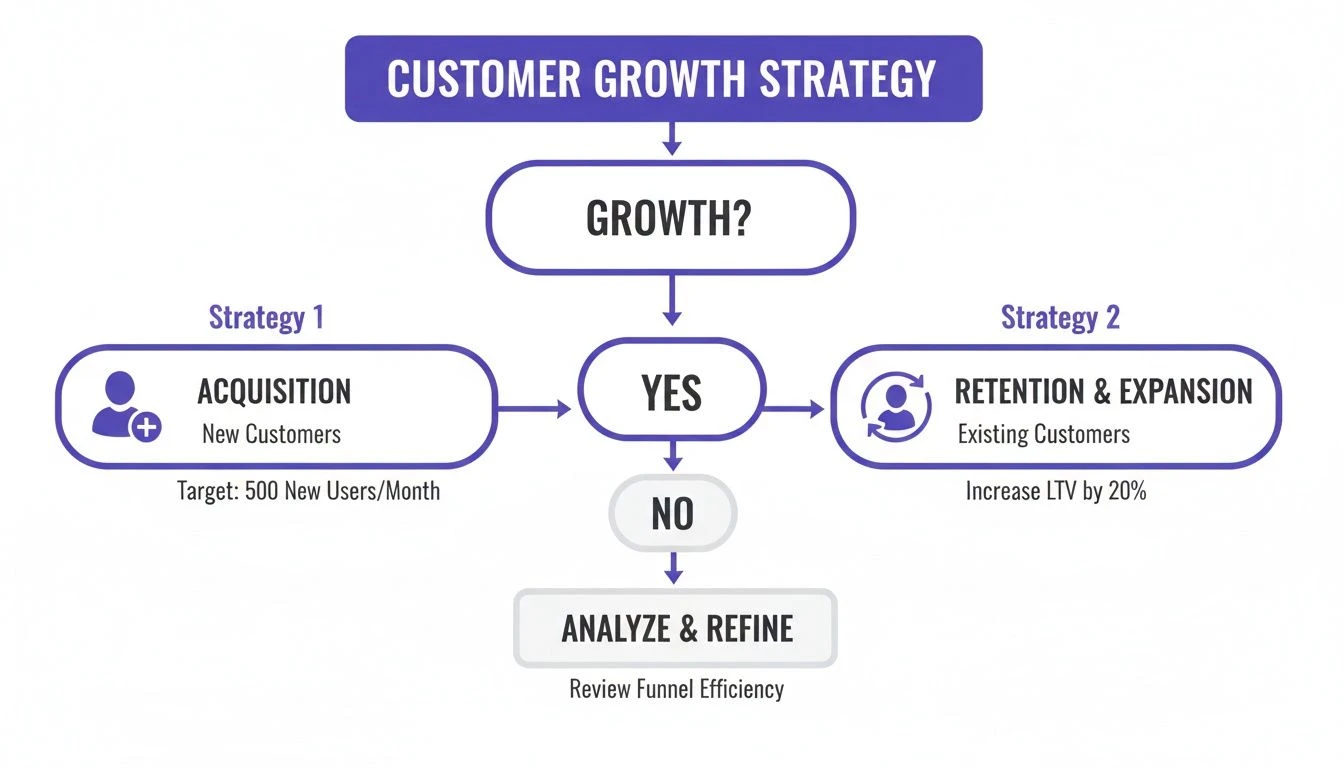
It’s easy to get caught up in chasing new customers. But as this shows, nurturing the base you already have is an equally critical-and often more profitable-strategy for long-term growth.
Launching Your Loyalty Program for Maximum Impact
Alright, you’ve designed the perfect loyalty program-one that genuinely rewards your best customers. But even the most generous perks will fall flat if nobody knows they exist.
A successful launch isn't about a single announcement. It's about building buzz and making the sign-up process so easy that joining is a no-brainer. This is your moment to build momentum. The goal is to get as many early adopters as possible, because their excitement creates the social proof you need to win everyone else over.
Let's walk through the practical steps to make sure your program starts with a bang.
Make Joining Effortless
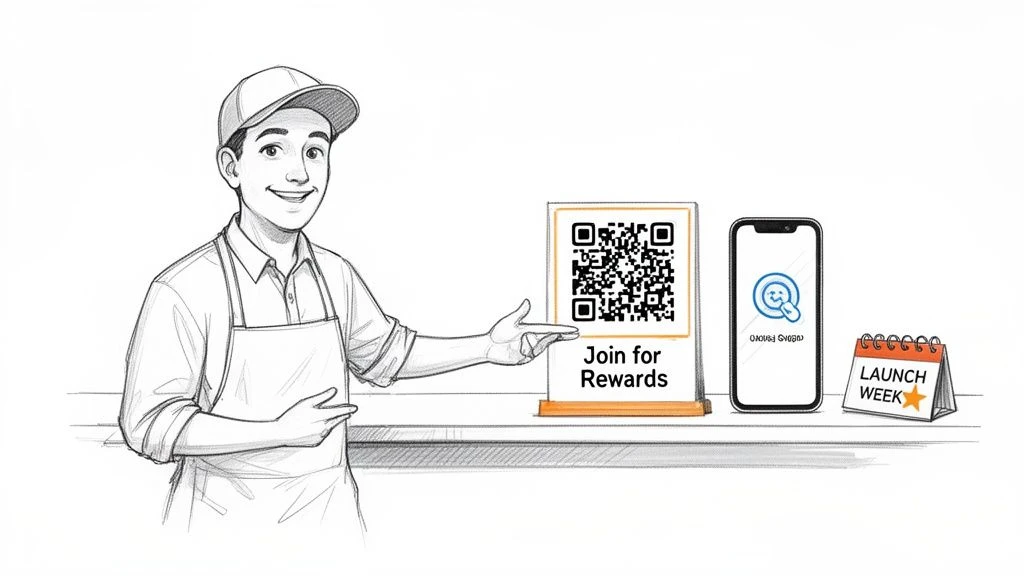
The biggest killer of any program is friction. If a customer has to download a clunky app, fill out a long form, or create a password they'll immediately forget, you've already lost them. In a busy cafe or salon, a sign-up process that takes more than 30 seconds is dead on arrival.
This is exactly where QR-code-based systems shine. A customer scans, pops in their name and email, and they're in. That’s it.
Your sign-up process should be as quick as tapping a credit card. Any extra step, click, or field will gut your enrollment rate. The goal is zero friction.
By tearing down these hurdles, you make joining feel instant and rewarding from the very first interaction. Platforms like BonusQR are built around this philosophy, using a simple scan to get customers on board immediately. It turns what used to be a chore into a seamless part of the transaction.
Prepare Your Team for Success
Your employees are the face of your loyalty program. Their confidence and enthusiasm will directly decide how many people sign up. If they seem unsure or can't answer basic questions, customers will just assume the program isn't worth their time.
Before you go live, hold a quick training session. Don't just hand them a script; get them excited about how the program helps both the customer and the business.
Arm your staff with simple, clear talking points:
- A Simple Opener: "Hey, want to get a free coffee on your next visit? Just scan this QR code to join our rewards."
- Highlighting a Key Benefit: "If you join our loyalty program today, you'll get 10 bonus points toward a free haircut."
- Answering "What's the catch?": "No catch! It's free to join, and you don't even need to download an app. We just wanted a way to thank our regulars."
Role-playing these quick chats for a few minutes can make your team feel way more comfortable. Once introducing the program becomes a natural part of their checkout routine, your sign-up numbers will soar.
Create Buzz with a Launch Week Event
Instead of a quiet rollout, turn your program launch into an actual event. A dedicated "Launch Week" creates a sense of urgency and gives you a reason to promote the program everywhere. This is your chance to make a huge first impression and show customers you value their loyalty from day one.
Consider these simple but super effective launch week ideas:
- Offer an Early Bird Bonus: Give the first 100 members double points on their first purchase or a special one-time discount. It rewards your most eager customers and gets the ball rolling on engagement.
- Run a Social Media Giveaway: Announce the new program on Instagram and Facebook. Ask followers to tag a friend in the comments for a chance to win a prize, like a gift card or a popular product.
- Launch a Referral Incentive: Get word-of-mouth marketing going right away. Offer existing members bonus points for every friend they refer who signs up. A message like, "Bring a friend, and you both get a free drink!" is incredibly powerful.
By combining a frictionless sign-up with a well-trained team and an exciting launch event, you set your program up for immediate success. That initial push is absolutely crucial for building the momentum you need to truly increase customer loyalty for the long haul.
Keeping Customers Engaged Beyond the First Visit
Getting a customer to scan that QR code and join your loyalty program feels like a huge win. But in reality, it's just the starting line.
The real challenge-and where most businesses fall short-is keeping them engaged so your program doesn't become another forgotten icon on their phone.
A great loyalty program is an ongoing conversation, not a one-time setup. It's this continuous dialogue that turns a transactional relationship into a genuine connection and transforms members into a thriving brand community. For long-term success, mastering how to increase customer engagement beyond the initial purchase is everything.
Use Simple, Automated Communication
You don't have time to manually text every customer, and thankfully, you don't have to. The right tools can automate your communication, sending the perfect message at the perfect time. This keeps your brand top-of-mind without adding a single thing to your to-do list.
Think of these messages as helpful nudges, not just ads. They are personalized touchpoints that remind customers of the value you offer, strengthening the relationship and encouraging that next visit.
Here are a few of the most effective automated messages you can set up:
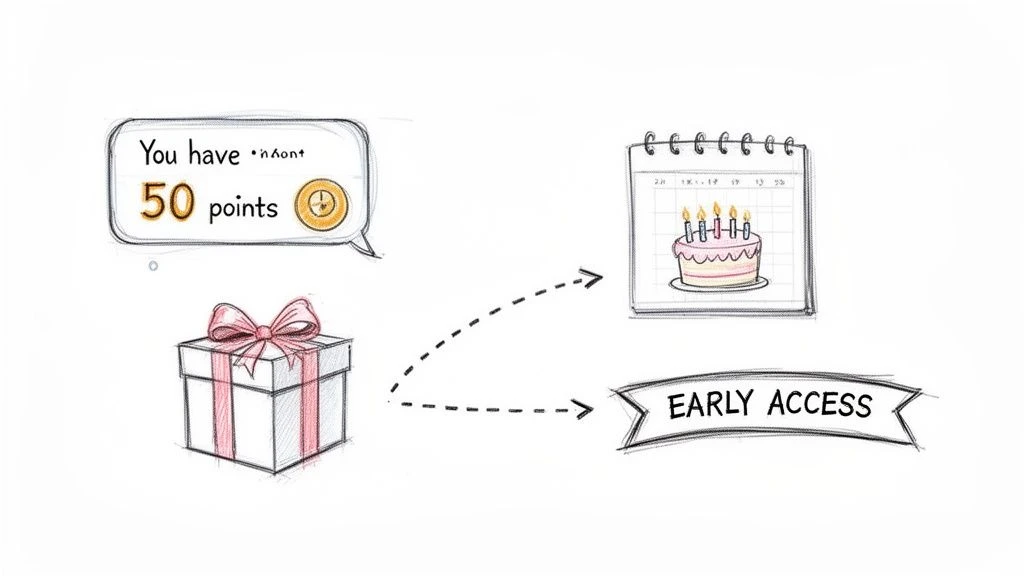
- The "Almost There" Nudge: When a customer is just a few points away from a reward, an automated text like, "You're only 10 points away from a free coffee!" can be incredibly effective at driving a quick return visit.
- The "We Miss You" Offer: If a regular hasn't stopped by in a while, a friendly message with a small bonus can be all it takes to reactivate them. Something simple like, "We've missed you! Here are 20 bonus points to welcome you back."
- The Personalized Birthday Surprise: This is one of the easiest and most powerful ways to make a customer feel seen. An automated message on their birthday offering a free treat or discount is a guaranteed smile-inducer.
With a platform like BonusQR, setting up these automated triggers is a breeze. You can create these simple "if-this-then-that" rules in minutes, ensuring your customers feel consistently appreciated without you lifting a finger.
The goal of communication isn't to be loud; it's to be relevant. A single, perfectly timed message reminding a customer of their points balance is more powerful than a dozen generic marketing blasts.
Cultivate an Insider Community
Everyone loves feeling like they're part of an exclusive club. Your loyalty program is the perfect way to create this "insider" feeling. It's about giving your best customers perks that go beyond simple discounts, making them feel genuinely valued for their commitment.
This sense of belonging is a massive driver of long-term loyalty. When members get special treatment, they're not just buying from you-they're part of your brand's inner circle. That emotional connection is something your competitors can't easily replicate.
Consider these simple ways to foster that exclusive vibe:
- Early Access to Sales: Before you announce a big sale to the public, give your loyalty members a 24-hour head start.
- Exclusive Member-Only Deals: Create special offers that are only available to program members, like a "Members Monday" discount.
- First Look at New Products: If you're a cafe rolling out a new seasonal drink, let your loyalty members try it a day before anyone else.
These gestures cost very little but create immense goodwill. They reinforce the idea that being a loyal customer comes with real, tangible benefits that the average person just doesn't get.
Turn Feedback into a Loyalty Superpower
Your most loyal customers are also your most valuable source of feedback. They know your business inside and out and are often the most willing to share honest opinions that can help you improve. Actively asking for their input isn't just smart-it's a powerful engagement strategy.
When you ask for feedback, you're sending a clear message: "We value your opinion."
This makes customers feel heard and respected, transforming them from passive consumers into active partners in your business's success. It’s a simple yet profound way to build a resilient brand and ensure you're always delivering what your best customers want.
How to Know If Your Loyalty Program Is Working
You've designed a killer program and launched it with a bang. Customers are signing up, but now for the million-dollar question: is it actually making a difference?
A loyalty program that feels busy but doesn’t move the needle on your bottom line is just a hobby. To genuinely build customer loyalty, you have to move from guessing to knowing. And that means looking at the right numbers.
Don’t worry, this isn’t about drowning in spreadsheets or corporate jargon. For a small business, a few key metrics will tell you everything you need to know about your program's health and its real-world impact.
Key Metrics That Actually Matter
Tracking your program is really about answering a few simple, powerful questions. Are members spending more than non-members? Are they coming back more often? Are the rewards you're offering actually getting used?
The answers are right there in your Key Performance Indicators (KPIs).
Platforms like BonusQR make this dead simple by putting these numbers right at your fingertips. The goal isn't just to collect data, but to use it to make smarter decisions that drive real, sustainable growth.
Let's look at the core metrics every small business owner should be watching.
Here’s a quick rundown of the essential KPIs you should be tracking to gauge your loyalty program's health. Think of this table as your program's report card-it tells you where you're excelling and where you might need to make a few tweaks.
| Essential KPIs to Track Your Loyalty Program's Health | |||
|---|---|---|---|
| Metric (KPI) | What It Measures | Why It's Important | How to Improve It |
| Repeat Purchase Rate (RPR) | The percentage of customers who buy from you more than once. | This is the clearest sign that your program is encouraging repeat business. A rising RPR means people are choosing you again and again. | Offer "welcome back" rewards after a first purchase, send timely reminders about points, or create members-only offers. |
| Customer Lifetime Value (CLV) | The total revenue you can expect from a single customer over their entire relationship with your business. | It proves the long-term value of loyalty. If members have a higher CLV than non-members, your program is creating more profitable relationships. | Use tiered rewards to encourage higher spending over time, personalize offers, and surprise top customers with exclusive perks. |
| Redemption Rate | The percentage of earned rewards that are actually redeemed by customers. | This tells you if your rewards are compelling. A low rate might mean your rewards are unappealing or too hard to get. | Survey customers on what they want, offer a mix of high-value and easy-to-earn rewards, and make the redemption process seamless. |
| Average Order Value (AOV) | The average amount a customer spends in a single transaction. | It shows if your program is encouraging bigger purchases. If members' AOV is higher, your program is working. | Offer bonus points for spending over a certain amount (e.g., "Spend $50, get 2x points") or create bundled deals for members. |
Keeping an eye on these numbers doesn't have to be a full-time job. A good digital system gives you a clean dashboard, turning raw data into insights that help you understand what's working and what needs a little love.
Digging Deeper Into Your Program's Health
Beyond the core four, your loyalty data can answer much more specific questions about customer behavior. This is where you get to fine-tune your strategy for even better results.
Start by looking at visit frequency. Is your program getting members to come back sooner? For a coffee shop, this might mean a customer who used to visit twice a week is now stopping by three times. For a salon, it could be a client booking their next appointment a week earlier than usual. That subtle shift in behavior is a massive win.
Next, analyze what rewards are actually popular. A good loyalty app will show you which rewards are flying off the digital shelf. If the "free coffee" is a massive hit but the "10% off merchandise" is collecting dust, you have a clear signal about what your customers truly value. This lets you kill off unpopular rewards and double down on the ones that create real excitement.
The most valuable data from your loyalty program doesn't just tell you what is happening-it helps you understand why. It reveals your customers' motivations, allowing you to build a program that speaks directly to their desires.
This insight is what separates the good programs from the great ones. Instead of guessing what might work, you can use real-world behavior to guide every decision, ensuring every reward and offer is optimized for maximum impact.
The Ultimate Test: Members vs. Non-Members
Here it is-the final boss of measuring success. Are your loyalty program members genuinely more valuable to your business than your average customer? To find out, you need to split your data into two camps.
Look at the spending habits of both groups over a set period, like a month or a quarter. Calculate the Average Order Value (AOV) and purchase frequency for each. In a healthy program, the results should be crystal clear: members spend more money, more often.
This simple comparison provides undeniable proof of your program's ROI. When you can confidently say, "My loyalty members spend 25% more per visit and come back 40% more often," you know your investment is paying off big time. This is the data that turns your loyalty program from a nice-to-have into a core pillar of your growth strategy.
And if you want to get even more granular, you can learn how to calculate customer retention rate to get an even clearer picture of your success.
Got Questions About Loyalty Programs? We've Got Answers.
Jumping into a loyalty program can feel like a big step, and it’s smart to have questions. Most of the small business owners we talk to have the same concerns before they get started. Let's tackle them head-on so you can move forward with confidence.
"Aren't Loyalty Programs Too Expensive for a Small Business?"
This is hands-down the number one question we hear, and it's a fair one. A few years ago, the answer might have been yes. But the days of pricey custom software or constantly reprinting paper punch cards are long gone.
Modern digital loyalty programs have completely changed the game. Solutions like BonusQR were built specifically for small business budgets, running on a low-cost subscription model. There’s no big upfront investment. Think of it less as an expense and more as a small, predictable investment in making sure your best customers keep coming back-often for less than the price of a few coffees a month.
"Will It Be a Headache to Set Up and Manage?"
Your time is your most valuable asset. The last thing you need is another complicated system to babysit. Many owners worry that a loyalty program will just add more to their already overflowing plate.
The good news? Simplicity is the whole point of a good digital loyalty tool.
Getting set up with a platform like BonusQR literally takes minutes. Here’s how simple it is:
- Pick a reward: Decide on something your customers will love (e.g., "Buy 9 coffees, get the 10th on us").
- Get your QR code: The app generates a unique code for your business.
- Put it on display: Just print the code and pop it on your counter.
That’s it. No software to install, no complicated staff training. The system runs itself in the background, tracking points and rewards automatically.
The best loyalty tools are the ones you can set up and practically forget about. They should work quietly in the background, building loyalty while you focus on what you do best-running your business.
"Will My Customers Actually Bother to Use It?"
Customer buy-in is everything. And it all boils down to one word: friction. If signing up is a hassle, people will just skip it. This is precisely why so many clunky apps that demand downloads and lengthy sign-up forms end up failing.
The magic of a QR-code-based system is its speed. Customers just point their phone's camera and scan-something they already do every day. No apps to download, no passwords to create, no holding up the line. The process is so seamless that adoption rates are naturally high.
And here’s a little secret: customers want to feel connected. In fact, 52% of consumers say they're more likely to engage with a brand that sends them personalized offers. A simple digital program makes this possible without ever feeling pushy.
"What About Handling Customer Data and Privacy?"
Collecting customer information is a huge responsibility, and it's something small business owners rightly worry about. You're not a tech company, and you shouldn't have to be a data security expert.
This is where a reputable platform takes the weight off your shoulders.
Services like BonusQR are designed with privacy as a top priority. They only collect the bare minimum needed for the program to work (like a name and email or phone number) and use secure, compliant methods to store it. You get all the benefits of knowing who your regulars are without the stress of managing sensitive data yourself. It's a win-win that keeps both you and your customers protected.


