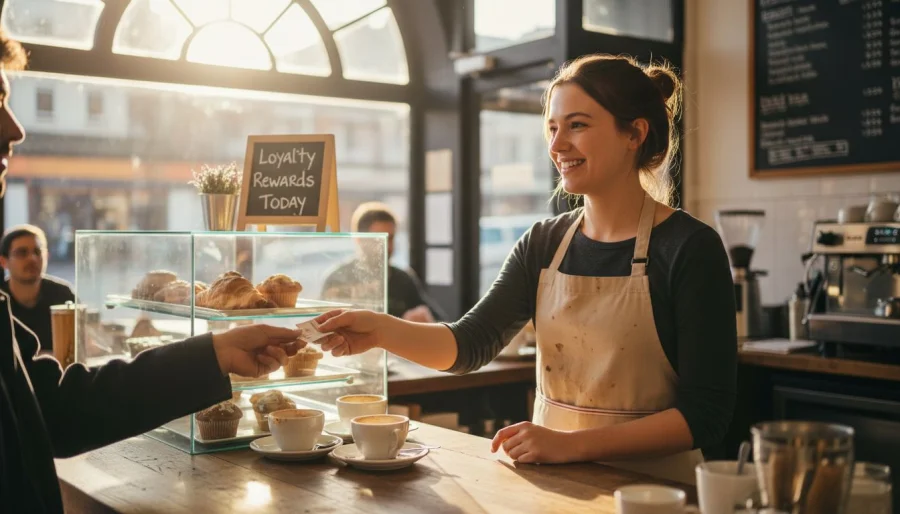
Every cafe manager faces the challenge of turning first-time visitors into loyal regulars, especially in competitive places like New York or Toronto. Understanding what truly keeps customers returning goes beyond guessing their favorites—it requires real insight from each purchase and interaction. By adopting a data-driven loyalty program, you move from assumptions to actionable knowledge, empowering your cafe to personalize rewards, improve offers, and stand out against neighborhood competitors.
Understanding Data-Driven Loyalty Strategies
Data-driven loyalty strategies shift the focus from guessing what keeps customers coming back to actually knowing it. Instead of assuming your regulars love your morning espresso or afternoon pastry, you collect real data about their visit patterns, purchase history, and preferences. This approach transforms your loyalty program from a one-size-fits-all stamp card into a personalized system that speaks directly to individual customer behavior.
At their core, these strategies combine customer information with intelligent decision-making. You gather data about who visits, what they buy, when they come in, and how often they return. Then you use that information to create targeted offers, timing, and messaging that resonate with different customer segments. A regular who visits every weekday morning gets different communications than someone who stops by once a month on weekends.

The real power emerges when you understand that AI-driven analytics enhance personalization and program effectiveness through predictive insights. Traditional loyalty programs evolved from simple point systems into interactive frameworks that leverage real-time purchase data. This evolution matters because it lets you anticipate customer needs before they even realize them.
What makes this approach effective is complexity management. Customers today don’t join just one loyalty program—they manage rewards across multiple businesses simultaneously. Your cafe’s loyalty program competes for attention with programs from the coffee shop down the street, the grocery chain, and the restaurant next door. Understanding how data mechanisms influence customer purchase probability in competitive environments helps you design a program that stands out.
For small and medium-sized cafes, this doesn’t require expensive enterprise software or data scientists. It means asking the right questions about your customers and acting on those answers. Are certain times of day when specific groups visit? Which drink sizes sell best to different customer types? What offers drive customers back within 3 days versus 2 weeks?
Understanding data-driven strategies also means recognizing that customer retention strategies create measurable growth when executed thoughtfully. Your goal shifts from tracking transactions to understanding relationships.
Pro tip: Start by tracking just three metrics this month: visit frequency per customer, average order value, and days between visits. These three data points will reveal more about your loyalty program’s real performance than any vanity metric ever could.
Types of Data Utilized in Loyalty Programs
Successful loyalty programs draw from several types of data, each telling a different story about your customers. The key is knowing which data points actually matter for your cafe and which ones are just noise. Understanding what information you’re collecting and why helps you make smarter decisions about customer engagement.
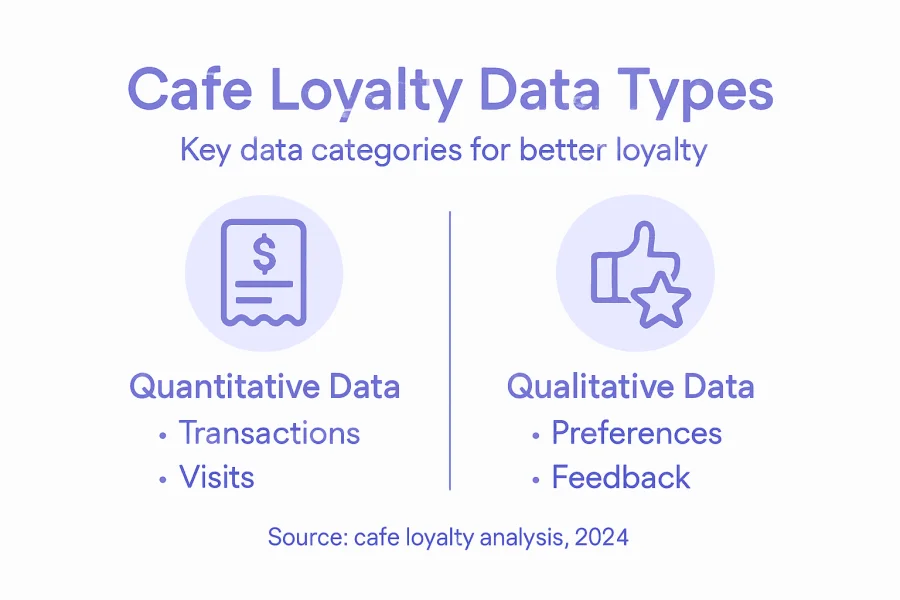
Transactional data forms the foundation. This includes purchase history, order frequency, average transaction size, and what items customers buy. You see that one customer consistently orders cappuccinos at 8:15 a.m. on weekdays, while another buys iced lattes every Saturday afternoon. This behavioral information reveals patterns you can use to send timely, relevant offers that feel personal rather than generic.
Behavioral data tracks how customers interact with your loyalty program itself. When do they check their rewards balance? Do they redeem offers immediately or let them expire? How many times do they visit per month, and is that frequency increasing or declining? Customer loyalty analytics encompass purchase habits and engagement levels across multiple channels, giving you a complete picture of program participation.
Demographic and preference data completes the puzzle. Age, location, dietary preferences, and communication preferences all matter. A customer with a gluten-free preference should never receive promotions for your new sourdough bread. Someone who rarely orders hot beverages in summer shouldn’t get winter drink specials during July. This information prevents wasted marketing dollars and improves customer satisfaction.
Engagement data shows how responsive customers are to your communications. Did they open your email? Did they click the push notification? Which types of offers drive action versus being ignored? This feedback loop lets you refine your messaging strategy continuously.
You should also consider feedback and survey responses as qualitative data. A customer comment about wanting a loyalty tier system or preference for oat milk alternatives provides direction for program improvements. These insights often reveal opportunities that pure numbers miss.
The power of digital loyalty solutions lies in bringing all these data types together. Instead of managing spreadsheets across different systems, you see a unified view of each customer.
Pro tip: Start collecting just four data points this week: purchase history, visit frequency, average spending, and email engagement. These four metrics will reveal 80 percent of what you need to know about customer behavior without overwhelming your system.
Here is a summary comparing the main types of data used in cafe loyalty programs and how each drives business value:
| Data Type | Key Insights Provided | Business Impact |
|---|---|---|
| Transactional Data | Identifies top products, peak times | Refine menus, optimize staffing |
| Behavioral Data | Tracks offer usage, engagement habits | Personalize rewards, reduce churn |
| Demographic Data | Reveals customer segments | Target marketing, tailor promotions |
| Engagement Data | Measures response to outreach | Improve messaging, boost retention |
| Feedback/Surveys | Pinpoints unmet needs, preferences | Guide program improvements |
Core Features for Digital Cafe Rewards
Building an effective digital cafe rewards program requires certain foundational features that work together to drive repeat visits. Not every feature matters equally for your business, but knowing which ones to prioritize helps you create something customers actually want to use.
Points and stamp card systems form the core mechanics. Customers earn points with each purchase, and these accumulate toward rewards. Digital stamp cards replace physical ones, eliminating the problem of lost cards and making progress visible instantly. A customer sees they need just two more visits to earn a free beverage, which motivates them to return sooner rather than later.
Tiered rewards levels add incentive structure. Bronze members might earn one point per dollar spent, while silver members earn 1.5 points, and gold members earn two points. This encourages customers to increase their spending to unlock better benefits. The psychological effect of tier progression keeps engaged customers motivated.
Personalized offers and notifications connect data to action. Rather than broadcasting the same promotion to everyone, you send targeted messages. A regular morning customer gets a weekday breakfast special, while weekend visitors see afternoon snack deals. Understanding how rewards programs keep customers coming back requires tailoring your communication to individual preferences and behaviors.
Real-time tracking and balance visibility removes friction. Customers check their app anytime to see their current points, available rewards, and progress toward the next tier. This transparency builds trust and keeps the program top-of-mind.
Mobile app and web access ensures your program fits into customers’ daily lives. Whether they check on their phone while waiting in line or view it on a desktop at home, seamless access across devices matters. Push notifications remind them about expiring offers or special promotions without feeling intrusive.
Flexible reward options let customers choose what they actually want. Some prefer free drinks, others want pastries or merchandise. Offering choice increases redemption rates and satisfaction.
Referral and social sharing features turn loyal customers into marketers. Customers who can invite friends and earn bonuses for successful referrals extend your reach organically.
Pro tip: Launch with just three features: points per purchase, tiered rewards levels, and personalized push notifications. Master these fundamentals before adding complexity. Most customers abandon programs that feel complicated, so simplicity wins.
Use this table to contrast top digital cafe reward features and the specific benefits they deliver for customer loyalty:
| Feature | Customer Experience Benefit | Business Benefit |
|---|---|---|
| Points System | Easy-to-track progress, instant motivation | Encourages return visits |
| Tiered Levels | Sense of achievement and exclusivity | Increases average spend |
| Personalized Offers | Feels relevant and valued | Higher offer redemption rates |
| Real-Time Tracking | Always updated on rewards | Builds trust and transparency |
| Referral Sharing | Social, rewarding to invite friends | Expands customer base cheaply |
Best Practices for Analyzing Customer Behavior
Analyzing customer behavior effectively means moving beyond surface-level observations to uncovering actionable patterns. The goal is not to collect data for its own sake, but to extract insights that drive concrete decisions about your loyalty program and marketing strategy.
Start by collecting data from multiple touchpoints. Your point-of-sale system captures purchase data. Your loyalty app shows when customers check rewards balances and redeem offers. Email open rates and push notification clicks reveal engagement. Website or app visits indicate browsing behavior. Each source tells a different part of the customer story.
Segment customers based on their actual behavior, not just demographics. One approach groups customers by visit frequency: daily visitors, weekly regulars, monthly occasional customers, and dormant accounts. Another groups by spending patterns: high spenders, moderate spenders, and bargain hunters. These segments respond differently to promotions and timing.
Apply predictive analytics to forecast future behavior. Machine learning algorithms predict customer behaviors with remarkable accuracy, helping you anticipate who might increase purchases, who might churn, and who represents growth opportunity. Rather than reacting to what customers have done, you proactively shape what they’ll do next.
Monitor trends continuously instead of reviewing data quarterly. Customer behavior changes seasonally and in response to your marketing actions. A coffee shop sees surge in iced beverages during summer and hot drinks during winter. Monitor weekly or monthly to catch shifts quickly and adjust your offers accordingly.
Combine quantitative data with qualitative feedback. Your analytics show that a customer stopped visiting, but survey responses explain why. Maybe they switched to working from home, moved locations, or found a closer cafe. Quantitative data identifies the problem, qualitative data explains it.
Test and iterate based on insights. Advanced analytics tools capture comprehensive data from multiple channels, but data alone doesn’t improve results. If analysis shows that afternoon customers rarely redeem beverage discounts, test offering them pastry bundles instead and measure the response.
Pro tip: Start with one simple behavior analysis: track visit frequency and identify your top 20 percent most loyal customers. Focus retention efforts there first, measuring whether targeted offers increase their visit frequency by 10-15 percent.
Common Pitfalls and How to Avoid Them
Most loyalty programs fail not because of bad ideas, but because of execution mistakes that drain engagement and waste resources. Knowing what typically goes wrong helps you steer clear of these traps from day one.
The biggest mistake is launching a program and assuming it will work forever without changes. You set up your points system, launch it, and then ignore it for months. Meanwhile, customer preferences shift, competitors introduce new features, and your redemption rates drop. Combat this by reviewing performance metrics monthly and making small adjustments based on what the data shows.
Complicated redemption processes kill participation rates. If customers struggle to understand how many points they need, when rewards expire, or how to actually redeem their balance, most will abandon the program entirely. Loyalty program mistakes often include overcomplicated redemption that deter engagement. Keep redemption simple: customers should understand the value with one glance and complete a redemption in under 30 seconds.
Inflexible rewards create another common problem. You offer free coffee as the only reward, but half your customers would prefer a pastry discount or merchandise. Different customers value different things. Build flexibility into your program so regulars can choose what actually matters to them.
Poor data quality undermines everything. If your system doesn’t accurately track purchases, or if customer records contain duplicates and errors, your analysis becomes unreliable. Data quality and governance failures prevent success in loyalty initiatives. Invest time in setting up clean data collection from the start. A few hours spent getting this right saves months of headaches later.
Another pitfall: launching without clear business objectives. Are you trying to increase visit frequency, boost average transaction size, or reduce churn? Without specific goals, you cannot measure success or optimize effectively. Define what success looks like before you go live.
Finally, avoid the trap of not listening to customer feedback. Your analytics might show one thing, but customers will tell you directly what frustrates them. Combine data analysis with actual customer conversations to understand the full picture.
Pro tip: Before launching your program, run a two-week pilot with 50-100 customers. Use their feedback to simplify confusing elements and remove friction points before going live at full scale.
Transform Your Cafe Loyalty with Data-Driven Solutions
Understanding your customers through transactional, behavioral, and engagement data is the first step toward creating a loyalty program that truly resonates. The challenge many cafes face is turning these insights into personalized rewards and timely offers without overcomplicating the process or investing in costly technology. This is where flexible, data-driven loyalty platforms become essential.
At bonusqr.com, we specialize in helping cafes like yours develop custom digital loyalty programs that align perfectly with the principles outlined in “Data-Driven Loyalty Strategies: Boosting Cafe Repeat Visits.” Our platform empowers you to implement points and stamp card systems, tiered rewards, and personalized notifications based on real-time analytics — all designed to boost visit frequency and deepen customer engagement. With no need for POS integration and rapid setup, you can start using actionable data to craft meaningful customer experiences immediately.
Ready to stop guessing and start knowing what drives your customers back? Discover how our digital loyalty solutions can simplify data management while maximizing retention and sales for your cafe. Visit us today and launch a program tailored to your unique customer base
Explore more benefits of data-backed loyalty systems at bonusqr.com and take your cafe’s customer loyalty to the next level.
Frequently Asked Questions
What are data-driven loyalty strategies?
Data-driven loyalty strategies utilize customer data to personalize interactions and offers, moving away from generic approaches. This involves analyzing customer behavior patterns, purchase history, and preferences to create targeted loyalty programs that resonate with individual customers.
How can I collect customer data for loyalty programs?
You can collect customer data through transactional data (purchase history), behavioral data (interaction with the loyalty program), demographic insights (age, location, preferences), engagement metrics (email opens, clicks), and feedback from surveys. Combining these data types will provide a holistic view of customer behavior.
What features should I include in my cafe’s digital loyalty program?
Key features for an effective digital loyalty program include a points system for earning rewards, tiered rewards levels to encourage spending, personalized offers based on customer behavior, real-time tracking of points, mobile app access, flexible reward options, and referral features to boost program visibility.
How often should I analyze customer data to improve my loyalty program?
You should analyze customer data continuously, ideally monthly or even weekly, rather than quarterly. This allows you to quickly identify shifts in customer behavior and preferences, enabling you to adjust your loyalty program and marketing strategies accordingly.
Recommended
- Understanding Loyalty: How Cafe Rewards Programs Retain | BonusQR
- Create a Coffee Shop Loyalty Program That Boosts Customer | BonusQR
- How to Measure Customer Engagement: A Simple Guide for | BonusQR
- Role of Loyalty in Restaurant Customer Retention | BonusQR
- Restaurantes: cómo usar reseñas y palabras clave para llenar tu local entre semana – YellowRock Marketing: Posicionamiento Local TOP 3 en Google


