
 Deutsch
 Español
 Français
 Italiano
 Magyar
 Polski
 Slovenčina
 Čeština
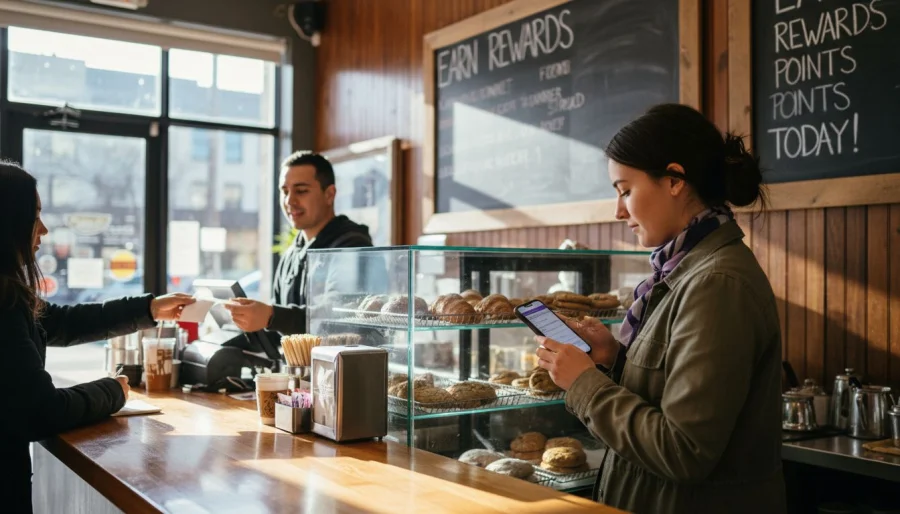
Competition among neighborhood restaurants in the United States and Canada is fierce, and winning loyal customers takes more than great food. A clever digital loyalty program can turn casual diners into devoted fans by rewarding repeat visits and gathering insights about what people truly value. This guide uncovers the essentials of successful customer loyalty programs, from straightforward points systems to creative personalization strategies, helping you drive retention and stand out in a crowded market.
Defining Customer Loyalty Programs for Restaurants
Customer loyalty programs for restaurants are structured systems designed to reward repeat customers and encourage them to return. At their core, these programs track customer visits and purchases, then offer incentives like points, discounts, free items, or exclusive perks in exchange for continued patronage. What sets them apart from simple discounting is their strategic focus on fostering satisfaction and building lasting relationships rather than just moving inventory on a given day.
Modern restaurant loyalty programs go far beyond basic punch cards. Strategic tools for fostering satisfaction now incorporate digital technologies like mobile apps, push notifications, and personalized offers that enhance convenience and engagement. They address what customers care about: service quality, fair pricing, memorable sensory experiences, and even your restaurant’s commitment to sustainability. Some programs also recognize that customers participate in multiple loyalty programs across competing restaurants, so effective programs stand out by offering genuine value that matters more than a competitor’s offer.
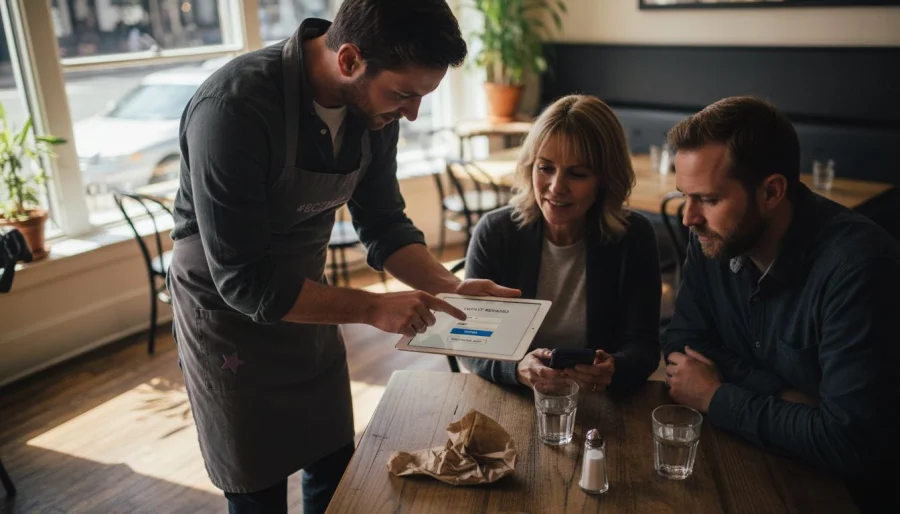
The practical structure varies depending on your restaurant’s goals and customer base. You might use a points-based system where customers earn points per dollar spent, a tiered membership program with escalating benefits, a stamp card (digital or physical), or a hybrid approach combining several mechanics. The key is alignment with your restaurant’s brand and your customers’ preferences. A casual quick-service restaurant might lean toward simplicity and frequent rewards, while an upscale dining venue might emphasize exclusivity and personalized experiences.
What makes these programs valuable for your business is measurable. They provide data on customer behavior, purchase frequency, average check size, and menu preferences. This intelligence helps you refine your marketing, improve menu decisions, and create targeted promotions. Rather than guessing what will drive traffic next month, you’re working with actual customer insights.
Pro tip: Start with a clearly defined goal like increasing visit frequency by 25% or raising average check size, then choose program mechanics that directly support that goal rather than adding features because they sound appealing.
Top Loyalty Program Models and Structures
When it comes to building a loyalty program for your restaurant, you have several proven models to choose from. Each structure offers different advantages depending on your business size, customer demographics, and operational capacity. Understanding these models helps you pick the right fit rather than implementing something that doesn’t align with how your customers actually behave.
The points-based model remains the most popular choice among restaurants. Customers earn points on every purchase, typically one point per dollar spent or similar increments, then redeem those points for free items, discounts, or special menu offerings. This model works well because it’s easy to understand, feels rewarding immediately, and encourages repeat visits as customers accumulate toward a meaningful reward. A tiered membership structure takes this further by creating loyalty levels like Bronze, Silver, and Gold, where customers unlock better benefits as they spend more. Higher tiers might get faster points earning rates, exclusive menu items, birthday bonuses, or priority reservations. This approach taps into the psychological appeal of achievement and status, making loyal customers feel genuinely valued.
Multi-level and hybrid reward structures represent more sophisticated approaches where you combine multiple mechanics. A hybrid program might blend points earning with tier progression, special event bonuses, and referral rewards all in one system. Some restaurants also implement paid membership programs where customers pay an annual or monthly fee for perks like free appetizers, percentage discounts on all purchases, or waived delivery fees. This model works particularly well for restaurants with strong brand loyalty and higher average check sizes because members feel they’ve made a commitment worth protecting.
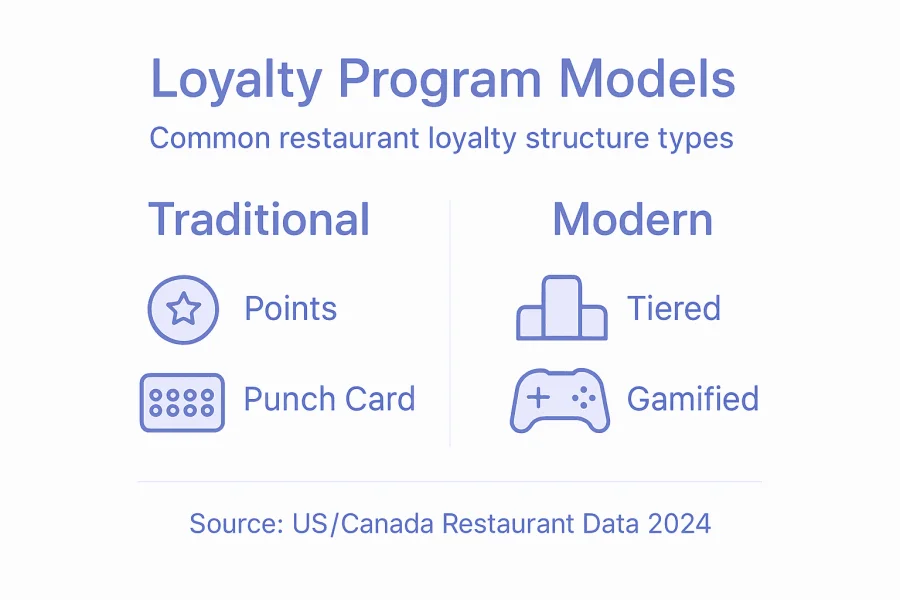
Gamification and personalization frameworks now shape modern program design by incorporating elements like challenges, badges, and personalized offers based on individual purchase history. Mobile app integration allows real-time tracking, push notifications for personalized deals, and seamless redemption. The key difference between a program that stalls and one that thrives is how well you match the model to your operational reality. A fine-dining establishment with loyal repeat customers needs different mechanics than a fast-casual spot competing on frequency and convenience.
Here’s a side-by-side look at common restaurant loyalty program models and their ideal use cases:
| Program Model | Best For | Key Benefit |
|---|---|---|
| Points-Based | Fast casual restaurants | Simple, immediate rewards |
| Tiered Membership | Upscale dining venues | Status, exclusivity, personalization |
| Paid Membership | Strong brand followers | Stable revenue, premium perks |
| Hybrid/Multilevel | Large, diverse customer base | Flexible, appeals to many types |
Pro tip: Start with one core mechanic like points-based rewards, prove it works for three months with your actual customers, then layer in complexity like tiering or gamification only if you have the team capacity to manage it effectively.
Key Features and Digital Engagement Tools
The most effective restaurant loyalty programs today blend features that make participation effortless with tools that keep customers coming back. Your digital loyalty system should do more than track purchases. It should create moments of delight, communicate personally with each customer, and make redemption feel rewarding. The right combination of features transforms a loyalty program from a nice-to-have into a genuine driver of repeat business.
Mobile app integration stands as the foundation of modern engagement. When customers can view their balance, see personalized offers, and redeem rewards directly from their phone, friction disappears. Push notifications become your direct line to customers, letting you announce flash sales, birthday rewards, or new menu items at exactly the right moment. Personalization and real-time feedback mechanisms enhance this experience by tailoring every offer to individual customer preferences and purchase history. A customer who always orders vegetarian dishes should see plant-based specials, not burger promotions. This level of relevance increases redemption rates significantly because the rewards actually appeal to the person receiving them.
Analytics and data collection capabilities give you the intelligence to run your program smarter. You’ll track which rewards drive the most redemptions, which time periods see peak engagement, and which customer segments respond best to specific offers. A gastrobar in Denver might discover that their reward for free appetizers drives more visits than a discount percentage, while the same program structure would flop at an upscale steakhouse. Real-time reporting helps you adjust campaigns quickly rather than waiting months to realize something isn’t working. Omnichannel integration matters too. When your loyalty program works across dine-in, takeout, delivery, and catering orders, you capture every revenue stream. A customer shouldn’t need separate cards or accounts for different ordering methods.
Gamification elements add engagement without becoming gimmicky. Simple mechanics like earning double points on Tuesdays or unlocking badges for reaching spending milestones create psychological hooks that encourage frequent participation. The key is balancing these features so your program stays simple enough that new customers understand it within seconds but sophisticated enough to feel rewarding long-term.
Below is a summary of digital engagement tools and their business impact:
| Digital Tool | Function | Business Impact |
|---|---|---|
| Mobile App | Tracks rewards, easy access | Boosts participation rates |
| Push Notifications | Real-time personalized offers | Increases visit frequency |
| Analytics | Tracks customer behavior | Informs marketing strategies |
| Omnichannel Support | Works across all order modes | Captures more transactions |
Pro tip: Launch your program with core features like mobile access, basic personalization, and one push notification campaign, then gradually layer in analytics insights and new engagement tactics as you gather real customer data about what works.
How Loyalty Programs Drive Retention and Spend
The connection between loyalty programs and business growth is direct and measurable. When customers feel valued through personalized rewards and recognition, they return more often and spend more per visit. This isn’t just intuition. Tiered benefits and personalized rewards significantly improve retention by creating emotional connections that transform casual customers into committed advocates. A customer who earns points toward a free appetizer thinks differently about your restaurant than someone who just pays full price every visit. That psychological shift drives behavior.
Retention works through multiple reinforcing mechanisms. Frequency increases because earning rewards on every visit creates an incentive to return sooner rather than later. A customer who needs five more points to reach a free entree comes back next week instead of waiting a month. Average check size grows because members actively seek rewards redemption, which often triggers impulse purchases or upsells. Someone redeeming points for a free entree now buys a drink or appetizer with it. The loyalty program essentially greases the wheels of your entire sales process. Beyond transactions, experiential and relational value foster emotional connections that go deeper than price-based discounting. Members feel like insiders getting special treatment, which increases their sense of belonging to your brand community.
Share of wallet is where the real revenue multiplication happens. A loyalty program member who visits twice monthly instead of once monthly and spends 15% more per visit than before generates 30% more annual revenue from your restaurant. Scale that across hundreds of members and the math becomes compelling. The programs also create powerful feedback loops. Customers who redeem rewards feel rewarded, so they stay engaged. Your data shows which offers drive redemption, so you optimize. Members see improved personalization, so engagement climbs further. Non-members watching members get special treatment become motivated to join, expanding your base.
One underestimated benefit is reduced price sensitivity. Loyalty members focus on the value equation differently. They’re accumulating toward something, which psychologically feels better than paying full price today. This reduces the impact of competitor discounting because members already feel they’re getting a good deal through their program. You’re competing on value delivery, not just price, which protects your margins.
Pro tip: Track visit frequency and average check size for your non-members versus members after three months, then use these specific numbers to justify expanded program investment with your leadership or investors.
Common Pitfalls and Success Factors for Restaurants
Many restaurant loyalty programs launch with genuine enthusiasm but fail to deliver results. The gap between intention and outcome comes down to specific mistakes that are entirely avoidable. Understanding what causes programs to underperform helps you design something that actually works for your business. The most common failure point isn’t the concept. It’s the execution.
Poor program design tops the list of failures. Overly complex structures, weak customer targeting, and inadequate communication create friction that kills participation before it starts. A restaurant that requires customers to download an app, create an account with six data fields, and memorize a point conversion formula will watch signup rates plummet. Complexity kills adoption. Your best customers are busy. They won’t invest mental energy into understanding your program if a competitor’s program takes 30 seconds to join. Bad economics represents another critical pitfall. Setting rewards that cost too much relative to the purchases they generate leaves your program unprofitable. A program offering free entrees at a 50% margin to every member who spends 200 dollars doesn’t improve profitability. You’ve just discounted your best customers unnecessarily. The math has to work before launch, not after you’ve trained customers to expect rewards.
Low engagement reveals itself quickly when members stop using the program. This typically stems from rewards that don’t appeal to your actual customer base or incentives that feel too distant to reach. Offering a free vacation stay after 5000 points sounds impressive until you realize your average customer earns 50 points per visit and never reaches the target. Gamification feels like a solution until customers realize the game is rigged against them. Success comes from understanding what customers genuinely value and delivering compelling incentives aligned with that desire. A breakfast-focused restaurant offering free coffee after 100 points resonates because members know they’ll reach it.
The strongest performing programs prioritize personalization through actual customer data. Track what different segments order, when they visit, and what messaging drives their engagement. Birthday rewards work. Flash sales around inventory that needs moving work. Generic offers work far less. Seamless technology matters too. If redeeming rewards requires calling ahead or feels clunky in the app, members stop redeeming. Your program should require zero friction to use. Continuous innovation keeps members engaged beyond the initial novelty period. Refresh your offers seasonally. Introduce new reward tiers. Test different incentives. Programs that feel static die.
Pro tip: Before investing heavily in loyalty technology, manually run a small pilot with 100 customers using simple mechanics like a printed punch card, track actual behavior and spending patterns for two months, then use real data to design your digital program rather than guessing what will work.
Unlock the Full Potential of Your Restaurant Loyalty Program
The article highlights key challenges like designing simple yet impactful reward systems, personalizing offers to fit your customer base, and maintaining ongoing engagement to drive repeat visits and increase spend. If you struggle with creating a program that feels effortless for customers but still captures meaningful data to refine your marketing, you are not alone. Concepts like tiered memberships, omnichannel support, and mobile app integration may sound great but can become complex to manage without the right tools.
That is where bonusqr.com comes in. Our flexible SaaS platform empowers restaurants to launch customized loyalty programs using features such as points collection, stamp cards, personalized rewards, and push notifications that keep customers coming back. With no need for complicated POS integration, and options ranging from free plans to fully white-labeled apps for larger businesses, you can start simple, prove success, then scale your program along with your growth. See how your restaurant can transform casual diners into loyal advocates by leveraging real-time analytics and effortless digital engagement via bonusqr.com.
Ready to boost retention and increase sales with a loyalty program built for your restaurant’s unique needs Start your free trial today and experience the difference at bonusqr.com.
Frequently Asked Questions
What are customer loyalty programs for restaurants?
Customer loyalty programs for restaurants are structured systems that reward repeat customers by tracking their visits and purchases. These programs offer incentives such as points, discounts, and exclusive perks to encourage continued patronage, focusing on building lasting relationships rather than just moving inventory.
How do loyalty programs benefit restaurants?
Loyalty programs provide valuable data on customer behavior, such as purchase frequency and menu preferences. This intelligence helps restaurants refine their marketing strategies, improve menu offerings, and create targeted promotions, ultimately driving repeat visits and increasing sales.
What are some popular loyalty program models for restaurants?
Common loyalty program models include points-based systems, tiered membership structures, paid membership programs, and hybrid approaches that combine multiple mechanics. Each model has its advantages and can be tailored to suit the restaurant’s goals and customer base.
How can restaurants effectively engage customers through their loyalty programs?
Effective engagement can be achieved through mobile app integration, personalized offers based on customer preferences, gamification elements, and seamless redemption processes. Utilizing real-time feedback mechanisms and analytics can also enhance the customer experience and drive repeat visits.
Recommended
- Customer Retention Strategies: 8 Ways to Improve Retention | BonusQR
- Innovative Loyalty Schemes That Boost Customer Retention | BonusQR
- Loyalty Program: What Are They? + Best Examples | BonusQR
- How to Retain Customers and Build Real Loyalty | BonusQR
- How to Improve Client Retention for Service Businesses - Jarrod Harman