
 Deutsch
 Español
 Français
 Italiano
 Magyar
 Polski
 Slovenčina
 Čeština
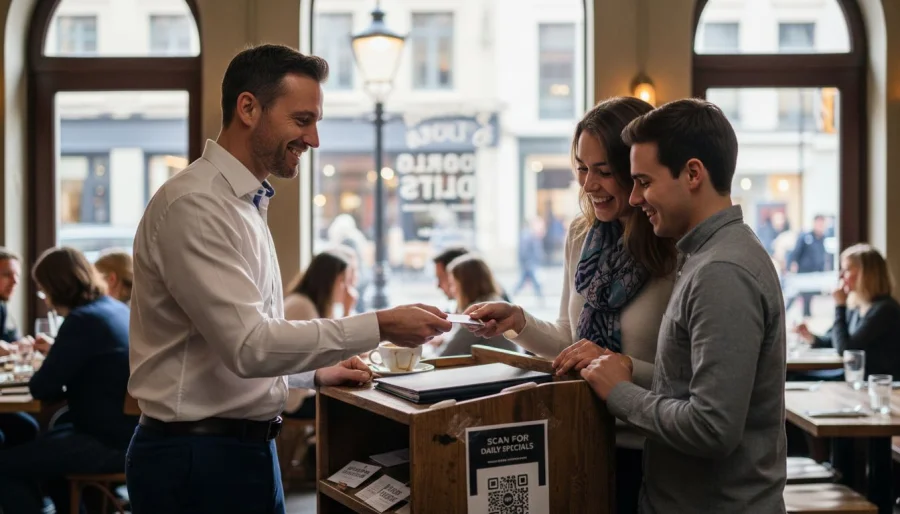
Building restaurant loyalty is rarely as simple as handing out coupons or discounts. Customers are quick to recognize and ignore generic offers, making it a challenge to stand out and create lasting relationships that drive repeat business. Every owner knows how hard it can be to turn a first-time guest into a regular who chooses your place every week.
The right rewards program goes far beyond basic perks. Whether it’s immediate cashback, personalized promotions, or digital conveniences, research reveals that customers want loyalty programs that feel rewarding and relevant. Smart design strategies can make your rewards truly matter, encouraging more frequent visits and higher spending.
Get ready to discover specific techniques and actionable rewards models that actually work. These insights will help you transform everyday transactions into valuable, loyal connections—and give your restaurant a clear edge over the competition.
1. Points-Based Rewards for Frequent Visits
Points-based loyalty programs work like a simple contract between you and your customers. Every time someone visits your restaurant or makes a purchase, they earn points that accumulate toward meaningful rewards. Instead of offering a single discount, you’re creating a system where loyalty directly translates into tangible benefits. This approach works exceptionally well in the restaurant industry because it transforms casual diners into repeat customers who actively track their progress and return to earn their next reward.
What makes points-based systems particularly effective is that they address what customers actually want. Research shows that restaurant customers strongly prefer immediate, monetary rewards such as savings or free meals rather than abstract benefits. A customer visiting your restaurant knows exactly what they’re working toward, whether it’s a free appetizer after 10 visits or a discounted entrée after accumulating 100 points. This clarity drives behavior because people understand the value exchange. Fast-food customers especially appreciate straightforward benefits like a free sandwich, while casual diners also value the intangible rewards of exploring new menu items at reduced prices. The flexibility of points systems means you can adjust reward thresholds and offerings based on your business goals and customer preferences without completely restructuring your program.
Implementing a points-based system requires thoughtful design to avoid common pitfalls. The key is balancing two critical factors: making earning points feel achievable and ensuring rewards remain valuable enough to motivate repeat visits. If you set point thresholds too high, customers lose motivation. If you set them too low, your profit margins suffer. Research demonstrates that effective points programs require careful design to maintain fairness while optimizing revenue, which means considering how different customer segments will engage with your program. Some customers visit frequently but spend less per visit, while others visit occasionally with larger orders. A well-designed program rewards both behaviors appropriately. Start by analyzing your current customer data to understand visiting patterns, then set point values and reward thresholds that reflect your pricing structure and profit margins.
Pro tip: Create tiered rewards so customers see multiple redemption options at different point levels, keeping them engaged whether they reach 50 points or 500 points.
2. Digital Stamp Card Programs for Repeat Purchases
Digital stamp cards represent the modern evolution of the traditional punch card loyalty program. Instead of handing customers a physical card to keep in their wallet where it might get lost or damaged, you offer them a virtual card accessible through a smartphone app. Every qualifying purchase earns a digital stamp, and once customers accumulate enough stamps, they unlock a reward. The concept is straightforward and proven effective, but the digital version delivers advantages that physical cards simply cannot match.
The shift from paper to digital creates real operational and customer benefits. Digital stamp cards reduce printing costs while making reward updates instant and effortless. With physical cards, if you want to change your promotion or adjust reward values, you need to print new materials. With digital systems, you update your program in real time. Customers also experience less friction. They never lose a digital card, never wonder if they have enough stamps remaining, and can check their progress anytime they want. Research shows that customers particularly enjoy the seamless collection and redemption process linked directly to their phones. This convenience drives higher engagement and more repeat visits compared to physical stamp programs. When a customer opens your app and sees they are just two stamps away from a free dessert, they are more likely to make that next visit sooner rather than later.
Implementing a digital stamp card program specifically for restaurants works well because it aligns perfectly with how people use their phones while dining. Customers can easily earn stamps during their visit, immediately see their progress, and understand exactly what reward awaits them. You maintain complete flexibility to adjust stamp values, modify reward offerings, or launch seasonal promotions without any waste or logistics headaches. The program also generates valuable data about customer behavior and visit frequency, which helps you make smarter business decisions over time. Start by determining your stamp threshold and reward value. A common approach is 10 stamps for a free appetizer or drink, but you should base this on your average order value and desired profit margins.
Pro tip: Integrate push notifications into your digital stamp card program to remind customers when they are close to earning a reward, encouraging them to complete that final purchase sooner.
3. Cashback and Discount Offers to Encourage Spending
Cashback and discount programs work on a simple principle that resonates with every customer. When people spend money at your restaurant, you give them a percentage of that spending back as a reward they can use for future visits. Unlike point systems that require customers to accumulate abstract currency, cashback feels immediate and tangible. A customer who spends $50 and earns 10 percent cashback gets $5 back instantly. They understand that value without any translation or calculation. This directness appeals to customers’ economic motivations and drives powerful behavior change.
The impact of cashback programs on restaurant profitability is significant. Cashback systems motivate repeat purchases and enhance customer loyalty, creating a direct link between reward and behavior. When customers know they are earning cash back on every transaction, they think about your restaurant more often and visit more frequently. They also tend to increase their order values because they mentally calculate the cashback they will earn. A customer might normally order an entrée and water, but if they know they are earning 10 percent back, they become more willing to add an appetizer or upgrade to a better beverage. This modest increase in order value, multiplied across hundreds of customers over months, substantially boosts your overall revenue.
Implementing cashback is straightforward with modern digital systems. You decide on a cashback percentage that works with your margins, typically ranging from 2 percent to 10 percent depending on your restaurant type and profit structure. Customers earn cashback automatically when they pay through your app or linked payment system, and they can redeem it on future visits. The process is transparent and requires minimal explanation. Research shows that cashback reward systems in restaurants increase customer loyalty and attract new customers through word-of-mouth while boosting average order values. Your staff does not need special training to support the program. Customers appreciate that they see their earnings instantly and understand exactly how much value they have accumulated. You might also create tiered cashback rates where customers earn higher percentages at certain times or for specific menu items, adding strategic depth to your program.
Pro tip: Offer bonus cashback promotions during slow periods, such as 15 percent cashback on Tuesday lunches, to drive traffic during times you normally see lower sales.
4. Tiered Loyalty Levels to Boost Customer Motivation
Tiered loyalty programs create a status hierarchy that taps into something powerful in human psychology. Rather than offering the same rewards to everyone, you segment customers into levels like Bronze, Silver, Gold, and Platinum based on their spending or visit frequency. Each tier unlocks better rewards, exclusive benefits, and special recognition. This structure transforms loyalty programs from a flat transaction into an aspirational journey. Customers see the next tier above them and recognize what they need to achieve to get there. That visibility creates ongoing motivation to visit more often and spend more per visit.
The psychology behind tiered systems is backed by research. Multi-tier loyalty programs effectively stimulate customer engagement by recognizing customer differences and encouraging loyalty through aspirations for higher status and exclusive benefits. A customer at the Silver level who sees that Gold members get free desserts and priority seating has a clear target to pursue. The aspirational incentive works because people naturally want to progress and achieve higher status. You create personalized communication for each tier, sending messages that acknowledge their current level and highlight what they can unlock next. This personalization makes customers feel valued at their current tier while motivating them toward advancement. Tiered systems also allow you to reward your most valuable customers with genuinely exclusive experiences that justify their higher spending.
Building an effective tiered program requires thoughtful design. Start with a clear structure, typically three or four tiers, with transparent thresholds for progression. You might set Bronze at 0 to 49 visits or spending points, Silver at 50 to 99, Gold at 100 to 199, and Platinum at 200 and above. Each tier should offer tangible improvements. Bronze members might earn 5 percent cashback, Silver members 7 percent, Gold members 10 percent, and Platinum members 12 percent plus exclusive benefits like birthday bonuses or early access to seasonal menu items. The key is avoiding complexity while ensuring attractiveness. When tiered rewards programs are well executed, they enhance motivation, incentivize repeat purchases, and differentiate your restaurant competitively. Show customers their progress clearly in your app so they always know how close they are to the next tier. This visibility keeps your restaurant top of mind.
Pro tip: Create milestone celebrations when customers reach a new tier by sending them a special welcome message with their tier benefits, a bonus reward, and genuine recognition of their loyalty growth.
5. Special Occasion Rewards for Personal Touch
Special occasion rewards transform your loyalty program from a purely transactional tool into a genuine relationship builder. Rather than only rewarding customers for spending money, you acknowledge important moments in their lives by offering bonus rewards on birthdays, anniversaries, or other significant dates. These rewards show customers that you see them as individuals, not just transaction numbers. A customer who receives a free dessert on their birthday feels genuinely appreciated, not just incentivized. This personal touch creates emotional connection that goes far beyond what standard loyalty mechanics can achieve.
The impact of special occasion rewards is scientifically validated. Special occasion rewards significantly enrich consumer brand relationships by creating self-expansion experiences that provide novelty and challenge, which strengthen customer identification with your brand and foster loyalty more effectively than routine rewards. When customers receive an unexpected reward celebrating their birthday or wedding anniversary, they perceive genuine care rather than algorithmic marketing. Research specifically on restaurant loyalty programs confirms that customers highly value rewards given on special occasions because these rewards add a personal touch and increase emotional connection. Customers appreciate this recognition for its immediacy and perceived value, and they return more frequently and with greater loyalty. The emotional lift from a birthday reward lasts longer and creates stronger memories than a standard discount.
Implementing special occasion rewards requires capturing key dates and automating the reward delivery. Ask customers to provide their birthday and anniversary when they join your program, with clear messaging about why you need this information. When the date arrives, send a personalized message with a special reward, whether that is a free dessert, bonus points, or extra cashback percentage. Keep the message warm and genuine rather than corporate. Instead of a generic “Happy Birthday from Restaurant XYZ,” try “We are so glad you were born. Enjoy a free dessert on us this week.” The personal tone matters as much as the reward itself. You can also expand beyond birthdays to include milestones like the anniversary of their first visit or their loyalty program sign-up date. These creative occasions give you more touchpoints throughout the year to remind customers of your appreciation. The cost is minimal because you are typically offering rewards that customers would use anyway, but the perceived value and emotional impact are substantial.
Pro tip: Set up automated birthday and anniversary emails one week before the special date so customers have time to plan a visit, then include the reward redemption details clearly in your message so they know exactly what to expect when they arrive.
6. Referral Incentives to Attract New Customers
Referral incentives turn your most satisfied customers into active marketers for your restaurant. Instead of spending money on advertising to strangers, you reward customers for introducing their friends and family to your business. This approach works because personal recommendations carry weight that paid advertising simply cannot match. When someone’s trusted friend invites them to try a restaurant, they show up with positive expectations and genuine interest. Your existing customers become extensions of your marketing team, and new customers arrive through a channel that already predisposes them to loyalty.
The mechanics of effective referral programs matter significantly. Customer referral reward programs increase referral likelihood through careful design choices, such as offering larger rewards and creating dual-sided incentives where both the referrer and the new customer receive rewards. The two-sided approach is particularly powerful because it removes friction from the entire process. Your loyal customer gets rewarded for bringing in their friend, and their friend receives a welcome bonus for trying your restaurant. This structure motivates participation on both ends. However, referral programs that reward the new customer drive higher conversion rates and reduce overall program costs. The new customer’s incentive gets them through the door and encourages them to make their first purchase. Once they experience your food and service, they may decide to become regular customers themselves. This recipient-focused approach balances your marketing spend more efficiently than traditional models that only reward existing customers for referrals.
Implementing a referral program requires making it easy for customers to participate. Ask customers to share a unique referral code or link through your app or email, offering them a reward like $10 cashback or a free appetizer for each successful referral. The referred friend should receive a similar welcome bonus to sweeten their first visit. Make the process frictionless by allowing them to share through text, email, or social media directly from your app. Track referrals automatically through your loyalty platform so rewards process instantly when conditions are met. The key is removing barriers to participation. If customers have to manually track referrals or wait weeks for rewards, participation drops significantly. Consider also timing your referral promotions strategically. Run aggressive referral campaigns during slower seasons when you want to boost traffic, offering double rewards to incentivize participation when you need it most.
Pro tip: Create a social sharing feature in your app that generates referral codes automatically and allows customers to share with one click, dramatically increasing the likelihood they will actually refer rather than forget to tell friends about your restaurant.
7. Personalized Promotions Using Customer Data
Personalized promotions represent the final evolution of loyalty programs, moving beyond one-size-fits-all rewards to offers crafted specifically for each customer. Your loyalty platform collects valuable data every time a customer interacts with your restaurant, including what they order, when they visit, how much they spend, and what tier they have reached in your program. Rather than sending the same promotion to everyone, you use this data to deliver targeted offers that speak directly to individual customer preferences and behaviors. A customer who regularly orders vegetarian meals receives promotions highlighting your plant-based options. A customer approaching their next tier milestone receives an offer designed to help them reach that goal. This level of relevance dramatically increases engagement because customers see offers that actually matter to them.
The impact of personalization is substantial and well-documented. Tailored marketing messages according to customer status can double the effectiveness of communications and enhance customer satisfaction and loyalty. Customers at different loyalty tiers and different distances from earning rewards respond differently to different types of messaging, which means a one-size-fits-all approach leaves significant value on the table. Additionally, research shows that 73 percent of customers desire personalized loyalty rewards, but fewer than half of brands actually provide them. This gap represents a major opportunity for your restaurant. When you deliver personalized experiences based on demographics, purchase history, and preferences, you increase engagement, satisfaction, and customer lifetime value by anticipating customer needs and delivering relevant promotions through their preferred channels. A customer who primarily visits on Friday nights might receive promotions specifically for Friday dining. Someone who has spent $500 this month might receive a special thank you bonus. These thoughtful touches foster deeper loyalty.
Implementing personalization starts with collecting the right data and using it strategically. Your loyalty app should track purchase history, favorite menu items, visit frequency, and spending patterns. Use this information to segment customers into meaningful groups based on behavior and preferences. Send promotions that align with each segment’s interests and behaviors. For example, new customers who have visited only once or twice need welcoming promotions that encourage a second visit. Frequent customers might respond better to exclusive experiences or recognition of their loyalty status. Customers approaching reward redemption should receive targeted messaging reminding them how close they are. Automate these communications through your loyalty platform so personalized promotions reach customers at optimal times without requiring manual effort from your staff. The data you collect is gold for understanding customer preferences, and using it thoughtfully to personalize experiences sets your restaurant apart from competitors who still rely on generic promotions.
Pro tip: Segment your customer base by purchase patterns and send personalized recommendations for menu items they have never tried, combined with a special discount to encourage them to explore new favorites.
Below is a comprehensive table summarizing the strategies and implementations of loyalty programs discussed throughout the article.
| Program Type | Description | Benefits |
|---|---|---|
| Points-Based Programs | Customers earn points for purchases, redeemed for rewards. | Encourages frequent visits and engagement through clear goals and flexible rewards tailored to customer preferences. |
| Digital Stamp Cards | Virtual stamps collected via an app for rewards acquisition. | Reduces operational costs, enhances convenience with real-time updates, and increases visit frequency. |
| Cashback Systems | Percentage of spend returned to customer for future use. | Provides immediate and tangible value, motivating spending and increasing order size. |
| Tiered Loyalty Levels | Segments customers into status tiers with unique benefits per level. | Creates aspirational goals, deepens engagement, and rewards valuable customers with exclusive experiences. |
| Special Occasion Rewards | Recognizes personal events like birthdays with unique benefits. | Builds emotional connections and strengthens brand loyalty through personal acknowledgment. |
| Referral Incentives | Rewards customers for bringing in friends and family as new customers. | Utilizes trusted recommendations to attract new clientele while incentivizing loyal customers. |
| Personalized Promotions | Tailors offers based on collected customer data and preferences. | Increases relevance and engagement, encouraging purchases aligned with individual interests. |
Elevate Your Restaurant Loyalty Programs with BonusQR
Building customer loyalty is a challenge every restaurant faces. The article highlights vital strategies like points-based rewards, digital stamp cards, cashback offers, tiered levels, and personalized promotions designed to keep diners returning. The most common pain points include ensuring rewards feel valuable and attainable while maintaining profit margins, providing seamless digital experiences to prevent lost punch cards, and delivering personalized offers that truly resonate. These goals require flexible, easy-to-manage systems that evolve with customer behavior while strengthening emotional connections.
BonusQR offers a customizable and scalable platform that directly addresses these challenges. Whether you want to launch points collection, run digital stamp card programs, or boost loyalty with tiered rewards and special occasion promos BonusQR provides powerful tools like mobile and web app integration, automated marketing campaigns with push notifications, and real-time analytics to track customer engagement. Its rapid setup and no POS integration requirement mean you can start increasing customer retention and average spend quickly.
Ready to transform your restaurant’s loyalty program into a dynamic growth engine Visit BonusQR now and discover how our flexible solutions empower you to craft tailored loyalty experiences that keep guests coming back. Explore how easy it is to implement the perfect mix of rewards by getting started today at BonusQR Loyalty Solutions. Don’t wait bring your loyalty strategy to the next level and build lasting customer relationships with BonusQR.
Frequently Asked Questions
What are points-based rewards in restaurant loyalty programs?
Points-based rewards allow customers to earn points for each visit or purchase, which they can redeem for meaningful rewards. To implement this, set clear point thresholds that align with your pricing structure to encourage repeat visits.
How do digital stamp card programs work for restaurants?
Digital stamp cards allow customers to earn virtual stamps for qualifying purchases, which can be redeemed for rewards. Start by determining your stamp threshold and reward value to encourage customer engagement and repeat visits.
What are cashback programs and how do they benefit restaurants?
Cashback programs give customers a percentage of their spending back to use on future visits, motivating them to return frequently. Consider setting a cashback percentage ranging from 2% to 10% to boost customer loyalty and increase average order values.
How can tiered loyalty levels enhance customer motivation?
Tiered loyalty levels create a sense of status by offering different rewards based on customer spending or visit frequency. Design your program with clear tiers and tangible benefits to keep customers motivated to reach higher levels.
What are special occasion rewards in loyalty programs?
Special occasion rewards acknowledge significant dates like birthdays or anniversaries by offering bonus rewards. Collect customers’ important dates during sign-up and automate reward delivery to strengthen your emotional connection with them.
How can I implement personalized promotions for my restaurant’s loyalty program?
Personalized promotions use customer data to tailor offers specific to their preferences, such as favorite menu items or visit frequency. Begin collecting and analyzing customer data to segment your audience and send targeted promotions that resonate with their interests.
Recommended
- Role of Loyalty in Restaurant Customer Retention | BonusQR
- 8 Creative Loyalty Program Ideas for Restaurants in 2025 | BonusQR
- Restaurant Loyalty Programs That Drive Revenue | BonusQR
- Best Loyalty Programs for Restaurants That Win Customers | BonusQR
- Online Food Ordering - YCR Distribution - UKs Largest Independent POS VAR.