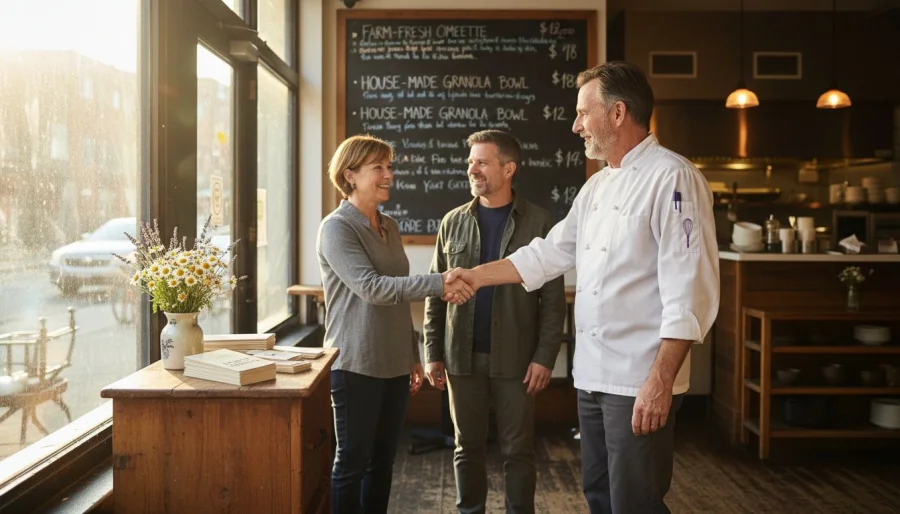
Turning one-time diners into loyal regulars is a challenge every restaurant faces. Finding the right approach means understanding what truly keeps customers coming back, not just offering the same rewards as everyone else. The smartest restaurants now rely on advanced loyalty strategies that speak directly to guest preferences and create lasting connections.
You deserve to know the practical tools and insights that actually drive customer retention. By taking advantage of customizable loyalty programs, personalized rewards, and real-time customer engagement, you can build a guest experience that feels unique every time. Get ready to discover proven steps that make loyalty programs work harder for you and keep your dining room full. Each idea ahead is designed to give your restaurant a real advantage, turning every visit into another opportunity for connection.
1. Leverage a Customizable Loyalty Program
A customizable loyalty program is your restaurant’s direct line to customer behavior data and repeat visits. Unlike generic, one-size-fits-all programs, these systems adapt to your specific customer base and business model, creating a personalized experience that drives loyalty.
Why does customization matter? Because your restaurant is unique. Your menu, pricing, location, and customer demographics differ from competitors. Customizable loyalty programs designed for hospitality allow you to tailor reward structures that resonate with your specific guests rather than forcing them into a standard mold.
Here are the core advantages of going customizable:
- Flexible reward structures that match your profit margins and customer preferences
- Multi-level progression systems that encourage higher spending and frequency through goal-based rewards
- Real-time personalization using customer behavior data to show relevant offers at the right moments
- Easy management tools that don’t require complex POS integration or technical overhead
Research from the Journal of the Academy of Marketing Science (2023) shows that restaurants using customizable multi-level loyalty programs see improved customer retention by tailoring reward structures to encourage goal progression and repeat visits.
The mechanics are straightforward. Your system tracks customer visits and purchases, then automatically triggers personalized rewards based on patterns you define. Want to reward high-frequency diners differently than occasional guests? Set it up. Need to push sales during slower periods? Create targeted promotions for those times.
The National Restaurant Association (2024) reports that highly customizable loyalty programs integrating AI-driven personalization and gamification lead to deeper customer engagement and frequent visits. Your program adapts as customer behavior changes, staying relevant without constant manual adjustments.
Practical application looks like this: a casual dining restaurant might offer point multipliers on appetizers to increase order value, while a fine-dining establishment could reward milestone visits with exclusive experiences. Your loyalty system should reflect your brand’s unique value proposition, not a competitor’s structure.
What makes this work? Customers appreciate rewards tailored to their preferences. When someone sees an offer that actually matches their dining habits, they’re far more likely to redeem it and return.
Pro tip: Start by analyzing your current customer data (visit frequency, average spend, menu preferences) before designing your program’s reward structure, ensuring every tier and offer aligns with real customer behavior patterns.
2. Offer Personalized Rewards and Promotions
One-size-fits-all promotions rarely work. Your most frequent customer doesn’t want the same offer as a first-timer, and both deserve rewards matched to their actual behavior and preferences. Personalized rewards create stronger emotional connections and drive measurable increases in visit frequency.
Why personalization works: customers feel valued when you acknowledge their preferences. Someone who always orders wine wants different incentives than a craft beer enthusiast. A regular who visits twice weekly needs different motivation than someone who comes monthly.
Using customer data smartly makes this possible. When you track purchase history and dining patterns, you unlock insights about what motivates each segment. AI and data analytics enable restaurants to design personalized promotions based on customer purchase history and preferences, creating targeted offers that actually resonate.
Here’s what effective personalized promotions look like:
- Double points on favorite items for customers with clear preference patterns
- Exclusive deals available only to high-frequency visitors
- Birthday or anniversary bonuses that make customers feel specially recognized
- Tiered membership rewards that increase in value as customers climb levels
- Seasonal offers based on historical ordering behavior
Personalized promotions create deeper emotional connections that incentivize customer loyalty far more effectively than generic discounts.
The mechanics are automated once you set the rules. Your system identifies when Sarah, a weekly diner who loves appetizers, reaches her visit milestone. Automatically, her app shows a bonus points offer on her favorite starters. She feels seen. She comes back.
Gamification enhances this effect. Customers pursuing tiered membership status become invested in your restaurant as a destination. They track progress toward rewards, compete with themselves to unlock higher benefits, and feel genuine achievement when advancing levels.
Practical implementation starts simple. Begin with basic segments: loyal regulars, occasional diners, and new customers. Assign one personalized promotion to each group. Track redemption rates and adjust offers based on what works.
The National Restaurant Association (2024) confirms that gamification and tiered membership systems enhance the appeal of personalized rewards, making customers more engaged with your brand.
Pro tip: Test personalized promotions with your most loyal customers first, then expand successful offers to other segments, ensuring you’re promoting what actually drives visits rather than assuming what customers want.
3. Engage Customers with Push Notifications
Push notifications are your direct line to customer phones when they’re most likely to make dining decisions. A well-timed notification can turn a casual browser into a paying customer, but poor execution drives people away. The key is strategic messaging that respects their attention while delivering genuine value.
Why push notifications matter: they reach customers where they live, on their phones. Unlike emails sitting in inboxes, notifications arrive instantly and demand immediate attention. This creates opportunity for real-time influence on purchasing decisions.
Timing and relevance determine success. Push notifications with progression-based incentives greatly increase engagement with restaurant apps, especially when they communicate visible, immediate, and tangible rewards. A notification saying “You’re 2 visits away from a free appetizer” works far better than generic promotional messages.
Here’s what makes effective push notifications:
- Personalization based on customer data and purchase history
- Progression incentives that show how close customers are to rewards
- Time-sensitive offers that create urgency without being pushy
- Relevant messaging about items they actually order
- Strategic frequency that maintains engagement without causing fatigue
Excessive messaging causes notification fatigue and disengagement, so optimal timing, relevancy, and personalization are essential for sustaining loyalty.
The balance matters tremendously. One notification about a flash sale at lunch time reaches hungry customers making decisions. Three notifications daily about random promotions teaches customers to ignore you entirely.
Research shows that personalized, relevant push notifications lead to higher customer retention and purchase frequency in food ordering scenarios. Customers feel the difference between a message created for them versus a broadcast sent to everyone.
Practical implementation begins with segmentation. Send notifications about happy hour deals to evening diners. Alert weekend brunch enthusiasts about Saturday specials. Notify loyal customers about exclusive member-only events. Let your data guide targeting.
Automation handles the complexity. Set your system to send notifications when customers reach visit milestones, haven’t visited in 30 days, or qualify for tiered rewards. They arrive automatically, consistently, and at optimal times.
Pro tip: Track notification redemption rates carefully, and pause any message type with redemption below 5%, then test new messaging angles instead of continuing to broadcast content customers ignore.
4. Utilize Real-Time Analytics for Insights
Data without action is just noise. Real-time analytics transforms raw customer information into actionable insights that drive retention decisions. When you understand what’s happening in your loyalty program right now, you can respond immediately instead of discovering problems weeks later.
Why real-time matters: customer behavior changes constantly. Someone who visits weekly might suddenly disappear. A customer’s favorite dish might shift seasonally. Real-time data lets you spot these patterns as they happen, not after you’ve lost the customer.
Analytics reveal patterns across multiple touchpoints. Real-time analytics enhance strategic decisions including customer retention efforts by predicting behavior patterns and optimizing your approach to each customer segment. When you see that veggie burger orders spike on Tuesdays, you can target vegetarian customers with Tuesday specials.
Here’s what effective real-time analytics track:
- Visit frequency trends to spot declining engagement early
- Purchase patterns showing what customers actually order
- Redemption rates on specific promotions and rewards
- Program engagement levels across different customer segments
- Churn indicators that alert you before customers disappear
Analyzing usage patterns and engagement metrics enables restaurants to detect early signs of churn and deploy targeted interventions before losing customers.
The practical value is enormous. Your system flags that Marcus hasn’t visited in 45 days, though he used to come twice weekly. You send him a personalized win-back offer. He returns. That’s retention powered by data.
Segmentation becomes precise with real-time insights. You identify your highest-value customers, your most at-risk customers, and your growth-potential customers. Each group gets different strategies tailored to their actual behavior.
Dashboards make this accessible. Instead of requesting reports and waiting, you log in and see current performance instantly. Redemption rates, visit counts, reward distribution, engagement scores all update continuously.
Start with basics. Track visit frequency, total spend, and reward redemptions. Build from there as you understand what metrics actually correlate with retention. Some metrics matter; others are just numbers.
Pro tip: Set up automated alerts for specific thresholds, such as notifications when a regular customer misses their expected visit window or when a promotion’s redemption rate drops below target, enabling immediate response.
5. Encourage Feedback and Respond Promptly
Customers who speak up give you a gift: the chance to fix problems before they become reasons to leave. When you actively seek feedback and respond quickly, you show that their opinions matter. This transforms potential complaints into loyalty opportunities.
Feedback serves two purposes simultaneously. It reveals what’s working and what needs improvement, while also making customers feel heard. A guest who complains and gets ignored becomes a detractor. A guest who complains and gets a thoughtful response often becomes more loyal than if the problem never occurred.
Prompt responses matter enormously. Responsiveness and effective communication significantly mediate the relationship between satisfaction and retention by building stronger bonds and fostering satisfaction directly.
Here’s where to collect feedback:
- In-app surveys shown after visits or reward redemptions
- Post-visit text messages requesting quick ratings
- Review platforms where customers naturally comment
- Direct conversations with staff noting specific comments
- Loyalty program interactions capturing satisfaction metrics
Promptly addressing customer needs and feedback builds stronger bonds and directly enhances retention rates.
What matters most is speed. Respond within 24 hours when possible. A quick acknowledgment, even if the full resolution takes longer, shows you’re paying attention. Customers feel the difference between immediate care and delayed responses.
Analyzing feedback reveals patterns. If multiple customers mention slow service during peak hours, that’s actionable intelligence. If several people request a specific menu item, you have clear guidance. Feedback analysis guides both operational and marketing strategies that actually resonate.
Create a simple system: designate someone to check feedback daily, respond to negative comments first, and share insights with your team weekly. No complicated process needed. Consistency matters more than perfection.
Share improvements publicly when feedback drives changes. When customers see that their suggestion led to action, they feel invested in your success and become advocates.
Pro tip: Set up automated alerts for negative reviews or low satisfaction ratings in your loyalty app so issues surface immediately, allowing you to respond while frustration is still manageable.
6. Streamline Signup and Onboarding Process
The first impression matters most. A complicated signup process kills momentum before customers even experience your loyalty program. Make joining effortless, and you capture customers ready to engage. Make it tedious, and they abandon it for a competitor’s simpler option.
Onboarding isn’t just sign-up. It’s the entire experience from decision to first reward redemption. Strategic onboarding that combines welcome messaging with guided support creates positive first impressions and increases long-term engagement. Customers who feel welcomed stay longer.
Simplicity is your greatest tool. Lengthy forms asking for unnecessary information create friction. Request only what you genuinely need: name, email, phone number. Everything else can come later or through behavioral data.
Here’s what effective onboarding includes:
- Mobile-first signup taking under 60 seconds to complete
- Instant welcome incentive showing immediate value
- Guided first steps explaining how rewards work
- Clear progress tracking showing how close they are to first reward
- Celebratory milestones marking achievement at each level
Strategic onboarding processes reduce churn by up to 6% and improve customer retention through personalized, guided experiences.
The welcome message sets tone. Tell customers exactly what they’ll earn, when they’ll earn it, and how to track progress. Uncertainty kills engagement. Clarity builds excitement.
Personalization begins immediately. If you capture customer preferences during signup (spice level, dietary restrictions, favorite cuisines), use that data in your welcome. Show that you understand them from day one.
Gamification during onboarding accelerates engagement. Instead of passively waiting for their first purchase to count, let them earn bonus points for completing profile tasks like adding a favorite dish or referring a friend. Make engagement feel rewarding.
Automate the experience but keep it human. Automated workflows handle timing and consistency, but personalized messages from actual staff or managers make customers feel valued. Send an automated welcome sequence, then have a manager personally greet top-tier customers.
Track onboarding success. Monitor what percentage of signups complete their first purchase, how long from signup to first redemption, and how many drop off at each stage. Use this data to remove friction points.
Remember: customers who successfully redeem their first reward stay significantly longer than those who never experience the program’s benefits.
Pro tip: Offer a limited-time bonus like double points on first purchase to incentivize immediate action, turning new signups into active members before enthusiasm fades.
Below is a comprehensive table summarizing effective strategies for designing and managing a successful restaurant loyalty program as discussed in the article.
| Strategy | Implementation | Benefits |
|---|---|---|
| Leverage a Customizable Loyalty Program | Adapt the program to specific customer behavior and preferences through flexible rewards and AI-driven personalization. | Enhanced customer engagement, improved frequency of visits, and tailored offerings. |
| Offer Personalized Rewards and Promotions | Use customer data to create unique offers matching individual preferences and purchase habits. | Creates emotional connections, encourages repeat visits, and improves overall customer loyalty. |
| Engage Customers with Push Notifications | Send targeted and timely messages that notify customers about relevant rewards and special offers. | Increases engagement with the app and drives dining decisions. |
| Utilize Real-Time Analytics for Insights | Analyze current customer behavior and program performance to make immediate adjustments. | Identifies trends, reduces churn, and optimizes loyalty strategies. |
| Encourage Feedback and Respond Promptly | Actively seek customer feedback and address issues quickly. | Builds trust, restores satisfaction, and fosters loyalty. |
| Streamline Signup and Onboarding Process | Simplify the process for starting and understanding the loyalty program benefits. | Reduces dropout rates and promotes program participation and engagement. |
Elevate Your Restaurant’s Customer Retention with Tailored Loyalty Solutions
Struggling to boost repeat visits and deepen customer engagement? The article highlights key challenges like creating personalized rewards, leveraging real-time data, and simplifying onboarding—critical for any restaurant aiming to increase retention. With concepts like customizable loyalty programs, personalized promotions, and push notifications, restaurants need a flexible digital partner that adapts to their unique brand and customer base.
bonusqr.com offers exactly that flexibility. Our customizable loyalty program platform empowers you to design tailored reward structures, automate targeted push notifications, and analyze real-time customer behavior effortlessly. Whether you want to launch mobile-friendly onboarding promos or use gamification to motivate visits, our scalable system requires no POS integration and supports both small and large operations. Ready to turn insights into action and keep your guests coming back? Discover how bonusqr.com can simplify your loyalty management and transform retention outcomes today by visiting bonusqr.com.
Frequently Asked Questions
How can I create a customizable loyalty program for my restaurant?
To create a customizable loyalty program, begin by analyzing your current customer data, such as visit frequency and menu preferences. Use this information to structure rewards that resonate with your specific customer base, ensuring they feel valued and motivated to return.
What types of personalized rewards should I offer to increase customer retention?
Offer personalized rewards that match customer preferences, such as double points on their favorite items or exclusive deals for frequent visitors. Start by segmenting your customers based on their behavior and then assign targeted promotions that resonate with each group.
How can I effectively use push notifications to re-engage customers?
To effectively use push notifications, ensure they are personalized, relevant, and timed strategically. For example, notify customers about limited-time offers when they are most likely to make dining decisions, such as during lunch hours, to encourage immediate visits.
What role does real-time analytics play in boosting customer retention?
Real-time analytics helps you track customer behavior and identify patterns that can inform retention strategies. By analyzing trends like declining visit frequencies, you can proactively reach out with incentives or targeted promotions to keep customers engaged.
How should I gather and respond to customer feedback?
Gather customer feedback through in-app surveys or post-visit messages, and respond promptly to show you value their opinions. Create a system for analyzing feedback and take action on common concerns, turning potential complaints into opportunities for increased loyalty.
What steps can I take to streamline the onboarding process for new loyalty program members?
Streamline the onboarding process by keeping the signup form simple and offering an instant welcome incentive. Ensure the entire experience is quick and straightforward, allowing new members to understand how your loyalty program works and how they can start earning rewards immediately.
Recommended
- 10 Actionable Restaurant Management Tips for Small | BonusQR
- Role of Loyalty in Restaurant Customer Retention | BonusQR
- 7 Key Benefits of Customer Retention for Retail Success | BonusQR
- Customer Retention Strategies: Boost Loyalty in Hospitality | BonusQR
- Designing Website Like a Pro: Boost Your Conversions With These Website Design Tips! - Web Design Dubai - Website Design Company Dubai | NetSoft
- 6 ventajas de comer en bar que disfrutan los foodies en Barcelona
- 6 najlepších tipov na google reklamu pre podniky


