
 Deutsch
 Español
 Français
 Italiano
 Magyar
 Polski
 Slovenčina
 Čeština

Keeping customers coming back to your small business can feel challenging, especially when you are surrounded by bigger competitors. A loyalty program sounds promising, but finding the right mix of rewards and engagement often gets overwhelming. Most customers crave simplicity, clear benefits, and personal touches that make them feel valued every time they shop with you.
The good news is that there are actionable steps you can take to make your customers feel recognized and appreciated. Backed by research, each method is designed to increase satisfaction, trust, and repeat visits. You will discover simple changes and creative ideas that bring results without adding complexity to your business.
Get ready to learn practical techniques to create a loyalty program that actually works. These strategies make it easy to deepen customer relationships and turn every visit into an opportunity for growth.
Table of Contents
- 1. Start With A Simple Points-Based Program
- 2. Offer Welcome Rewards For New Customers
- 3. Use Mobile Apps For Easy Engagement
- 4. Send Personalized Offers And Push Notifications
- 5. Reward Referrals To Grow Your Customer Base
- 6. Create Special Occasion And Seasonal Promotions
- 7. Track Results And Adjust Your Loyalty Strategy
Quick Summary
| Takeaway | Explanation |
|---|---|
| 1. Start Simple with Points | A straightforward points-based program fosters customer loyalty by rewarding repeat purchases. |
| 2. Offer Welcome Rewards | Welcome rewards create positive initial experiences that encourage new customers to return. |
| 3. Leverage Mobile Apps | Mobile apps enhance convenience and engagement by providing easy access to rewards and personalized offers. |
| 4. Personalize Communications | Tailored messages and notifications make customers feel valued, fostering stronger connections to your brand. |
| 5. Track and Adapt Your Strategy | Continuously monitor program metrics to refine your loyalty strategies and keep them engaging. |
1. Start With a Simple Points-Based Program
Building customer loyalty does not require complex strategies. A points-based program offers a straightforward approach that resonates with customers and provides clear value. Research shows that systematic loyalty initiatives can transform small business relationships.
Points-based programs work by rewarding customers with digital credits for each purchase, creating an incentive for repeat business. When customers know they can earn something tangible, they are more likely to choose your business over competitors. The simplicity makes these programs universally appealing across different customer segments.
To implement an effective points system, establish clear rules: assign specific point values for purchases, set reasonable redemption thresholds, and communicate the program transparently. Customers appreciate understanding exactly how they can earn and use their rewards. For instance, you might offer one point per dollar spent, with 100 points equaling a $5 store credit.
The psychological appeal of points programs lies in their gamification of shopping. Customers feel a sense of progress and achievement as they accumulate points, which encourages continued engagement. This approach transforms routine transactions into exciting opportunities for reward.
Pro tip: Start small by offering points on core products and gradually expand the program as you understand customer preferences and behavior.
2. Offer Welcome Rewards for New Customers
First impressions matter in business, and welcome rewards are your secret weapon for converting new customers into loyal fans. Customer incentive strategies can transform initial interactions into long term relationships.
Welcome rewards work by providing an immediate value proposition that encourages customers to engage with your business. Research demonstrates that retailers who offer meaningful initial incentives significantly increase customer satisfaction and repeat purchase likelihood. These rewards create a positive first experience that makes customers feel appreciated from the moment they interact with your brand.
Successful welcome rewards can take multiple forms: a percentage discount on first purchase, a free product sample, bonus points, or exclusive access to special promotions. The key is making the reward feel both generous and attainable. For example, a 15% discount or 50 bonus loyalty points can motivate customers to complete their first transaction and join your loyalty program.
The psychology behind welcome rewards is powerful. By offering something unexpected and valuable upfront, you signal to customers that your business values their patronage. This initial gesture builds goodwill and sets the foundation for future interactions, dramatically improving the chances of repeat business.
Implementing a welcome reward program requires strategic thinking. Design rewards that are attractive enough to spark interest but sustainable for your business model. Track redemption rates and customer feedback to continuously refine your approach.
Pro tip: Design welcome rewards that create immediate excitement while subtly encouraging customers to explore more of your product range.
3. Use Mobile Apps for Easy Engagement
Modern customers expect convenience and instant access to rewards right from their smartphones. Mobile loyalty program apps have become a game changer for small businesses seeking to enhance customer engagement.
Research reveals that mobile applications create powerful connections between businesses and customers by providing personalized, real-time interactions. These digital platforms allow you to communicate directly with your customer base, offering tailored promotions, tracking loyalty points, and creating seamless transaction experiences that keep people coming back.
Designing an effective mobile app requires strategic thinking. Focus on creating an intuitive interface that makes point tracking, reward redemption, and account management incredibly simple. Consider features like push notifications for special offers, easy point balance checks, and one tap reward claiming that transform ordinary transactions into exciting engagement opportunities.
The psychological impact of mobile apps extends beyond mere convenience. By providing a direct communication channel, you make customers feel valued and connected to your brand. Every interaction becomes an opportunity to reinforce their decision to choose your business over competitors.
Implementation does not require complex technical skills. Many modern loyalty platforms offer user friendly app development tools that can be customized to match your brand aesthetic and business needs. Start with core features and expand based on customer feedback and usage patterns.
Pro tip: Ensure your mobile app provides genuine value by focusing on user experience and creating rewards that feel meaningful and easily attainable.
4. Send Personalized Offers and Push Notifications
Customers crave experiences that feel uniquely tailored to their preferences and shopping habits. Personalized customer engagement transforms generic marketing into meaningful communication.
Push notifications represent a powerful direct messaging strategy that allows businesses to reach customers instantly with relevant information. When executed thoughtfully these targeted messages can dramatically increase customer retention and drive repeat business. Research demonstrates that personalized notifications significantly enhance user experience by delivering timely, contextually relevant content.
Successful personalization requires strategic data collection and smart segmentation. Track customer purchase history, browsing behavior, and preferences to craft messages that genuinely resonate. For instance, a coffee shop might send a morning discount to customers who frequently purchase early or recommend seasonal beverages based on previous selections.
The psychology behind personalized notifications is compelling. Customers feel understood and valued when communications reflect their individual interests. By demonstrating that you know their preferences, you transform transactional relationships into meaningful connections. An offer that feels handpicked speaks volumes compared to generic mass marketing approaches.
Implementation requires balancing frequency and relevance. Avoid overwhelming customers with constant notifications. Instead, focus on delivering high quality personalized messages that provide genuine value. Consider time of day, customer preferences, and past interaction patterns when designing your communication strategy.
Pro tip: Develop a notification strategy that prioritizes customer experience by offering meaningful content customers actually want to receive.
5. Reward Referrals to Grow Your Customer Base
Word-of-mouth marketing remains one of the most powerful growth strategies for small businesses. Customer referral program strategies can transform your most enthusiastic customers into active brand ambassadors.
Referral programs work by incentivizing existing customers to recommend your products or services to their network. When customers receive meaningful rewards for introducing new clients, they become motivated to actively promote your business. The psychological impact is profound customers feel valued and appreciated while simultaneously helping their friends discover a great product or service.
Designing an effective referral program requires careful consideration. The rewards must be attractive enough to motivate sharing but sustainable for your business model. Consider offering tiered incentives like percentage discounts, store credits, or exclusive experiences that benefit both the referrer and the new customer. For example, a coffee shop might offer a free drink to customers who successfully refer a friend who makes a first purchase.
Successful referral strategies go beyond simple transactional exchanges. They create a sense of community and shared value. By recognizing and rewarding customers who help your business grow, you build deeper emotional connections that extend far beyond traditional marketing approaches. This approach transforms customers from passive consumers into active supporters of your brand.
Implementation should focus on making the referral process simple and transparent. Provide clear instructions on how to refer friends, track referrals, and claim rewards. Digital tools and mobile apps can streamline this process, making it easy for customers to participate and track their progress.
Pro tip: Create referral rewards that provide mutual benefit and make sharing feel natural and exciting for your customers.
6. Create Special Occasion and Seasonal Promotions
Customers love feeling celebrated and businesses can leverage creative incentive marketing strategies to make them feel special throughout the year. Seasonal promotions are not just about discounts they are strategic opportunities to strengthen customer relationships.
Seasonal promotions tap into the emotional connections customers have with specific times of year. Whether it is winter holidays, summer vacations, back to school season, or local community events, these periods present unique opportunities to demonstrate that your business understands and values customer experiences beyond transactions.
Successful seasonal promotions require thoughtful planning and personalization. Consider creating tiered rewards that align with specific occasions customers care about. For a coffee shop this might mean offering double points during holiday shopping season, creating special winter blend packages, or developing birthday month discounts. The goal is making customers feel recognized and appreciated during moments that matter to them.
Psychologically, seasonal promotions work by creating anticipation and excitement. When customers know unique offers are coming they become more engaged with your brand. These promotions transform routine purchases into memorable experiences, encouraging customers to plan their buying around your special events and rewards.
Implementation should focus on clear communication and easy participation. Use multiple channels like mobile apps, email, and social media to announce promotions. Ensure the redemption process is straightforward and the value proposition is immediately clear to customers.
Pro tip: Design seasonal promotions that feel authentic to your brand and create genuine excitement rather than generic discounts.
7. Track Results and Adjust Your Loyalty Strategy
Loyalty programs are not set-it-and-forget-it strategies. Continuous monitoring and strategic customer retention adjustments are essential for long-term success.
Tracking loyalty program performance involves examining multiple key metrics that reveal how effectively your strategy attracts and retains customers. These metrics include redemption rates, point accumulation behaviors, frequency of repeat purchases, and overall customer engagement levels. By understanding these indicators, you can make data driven decisions that continuously improve your loyalty approach.
Important metrics to monitor include customer retention rate, average purchase value, frequency of visits, and point redemption percentages. Each of these numbers tells a different story about your program’s effectiveness. For instance, a low redemption rate might indicate that your rewards are not sufficiently attractive, while a high repeat purchase rate suggests your program is successfully encouraging customer loyalty.
Digital tools and analytics platforms can simplify the tracking process. Modern loyalty management systems provide real time dashboards that break down complex data into understandable insights. These platforms help you identify trends, segment customer groups, and quickly recognize which promotional strategies are working and which need refinement.
Adaptability is key in loyalty program management. Be prepared to experiment with different reward structures, adjust point values, or introduce new promotional mechanisms based on your data insights. The most successful loyalty programs are those that evolve continuously in response to customer behaviors and preferences.
Pro tip: Review your loyalty program metrics quarterly and be willing to make strategic adjustments that keep your rewards program fresh and engaging.
Below is a comprehensive table summarizing the major strategies and practices presented in the article for implementing successful customer loyalty programs.
| Strategy | Description | Key Benefits |
|---|---|---|
| Start with a Simple Points-Based Program | Implement a system where customers earn points for purchases and redeem them for rewards. | Encourages repeat business and creates a straightforward value proposition. |
| Offer Welcome Rewards for New Customers | Introduce incentives for first-time buyers, such as discounts or bonus loyalty points. | Enhances first impressions and motivates initial purchases. |
| Use Mobile Apps for Easy Engagement | Develop a mobile-friendly platform for managing loyalty points and communicating offers. | Provides convenience, ensures real-time interaction, and fosters brand loyalty. |
| Send Personalized Offers and Push Notifications | Utilize customer data to tailor communications and promotions to individual preferences. | Enhances engagement and conveys a sense of personal care. |
| Reward Referrals to Grow Your Customer Base | Incentivize customers to refer friends or family to the business. | Expands customer base through trusted recommendations. |
| Create Special Occasion and Seasonal Promotions | Align promotions with holidays and personal celebrations, such as birthdays. | Builds emotional connections and encourages corresponding transactions. |
| Track Results and Adjust Your Loyalty Strategy | Monitor performance metrics and adapt the program based on customer feedback. | Ensures long-term effectiveness and aligns strategies with customer needs. |
Elevate Your Loyalty Strategy with BonusQR’s Smart Solutions
The article highlights key challenges small businesses face when building effective loyalty programs such as simplifying points systems, personalizing offers, and keeping customers engaged with mobile access and real-time feedback. If you want to overcome these hurdles with a flexible and fully customizable platform, BonusQR is designed to help you launch and manage loyalty programs tailored to your specific needs. With features like points collection, onboarding promos, mobile app integration, and automated push notifications, you can create meaningful connections that transform one-time buyers into loyal advocates.
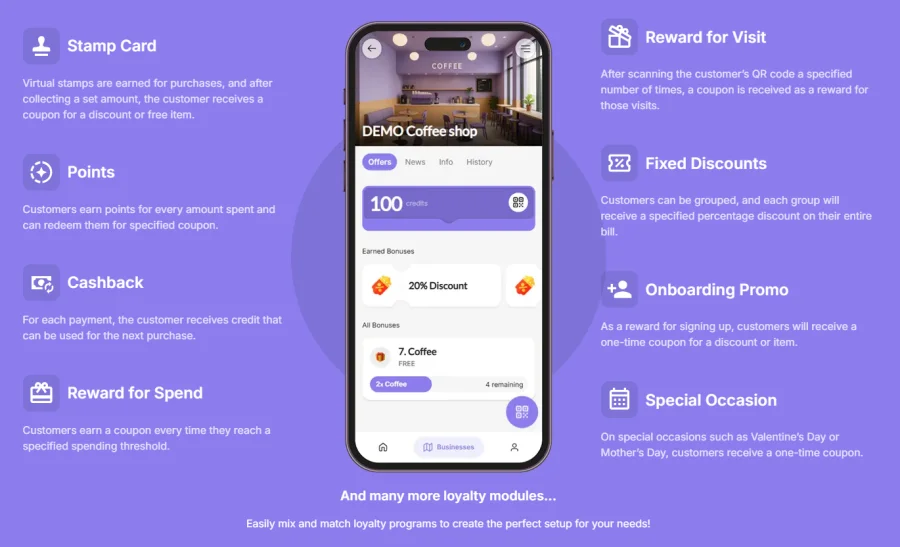
Don’t wait to unlock your business’s full potential. Explore how BonusQR helps you design targeted welcome rewards, seasonal campaigns, and referral incentives easily with no POS integration required. Start today to boost retention and see real-time analytics that guide your next move. Visit BonusQR’s platform now and take the first step toward a loyalty program your customers will love.
Frequently Asked Questions
How can I create an effective points-based loyalty program for my small business?
To create an effective points-based loyalty program, start by assigning clear point values for purchases and set achievable redemption thresholds. For example, offer one point per dollar spent, with 100 points redeemable for a $5 credit. Communicate these details clearly to your customers to enhance participation.
What types of welcome rewards should I consider for new customers?
Consider offering a mix of incentives such as percentage discounts, free product samples, or bonus loyalty points for new customers. A common approach is to provide a 15% discount on their first purchase or 50 bonus points to motivate their initial transaction and encourage engagement with your brand.
How can I utilize a mobile app to improve customer loyalty?
To improve customer loyalty with a mobile app, focus on creating a user-friendly interface that allows point tracking, reward redemption, and easy communication of promotions. Ensure features like push notifications are included to keep customers engaged and informed about their rewards and offers.
What are some effective strategies for sending personalized offers to my customers?
Effective strategies for sending personalized offers include tracking customer purchase histories and preferences to craft customized messages. For example, send a morning discount to regular coffee buyers, making it relevant to their habits. This approach builds stronger connections and increases engagement.
How do referral programs contribute to customer retention?
Referral programs incentivize existing customers to recommend your business to their networks by offering rewards for successful referrals. For instance, you might give both the referrer and the new customer a discount on their next purchase. This fosters community and encourages loyal customers to actively promote your brand.
How should I track results and adjust my loyalty strategy?
Track key metrics like redemption rates, repeat purchase frequency, and overall customer engagement to monitor your loyalty program’s performance. Regularly review these metrics every quarter and be ready to adjust your rewards and offers based on customer feedback and changing behaviors to keep your program effective and appealing.