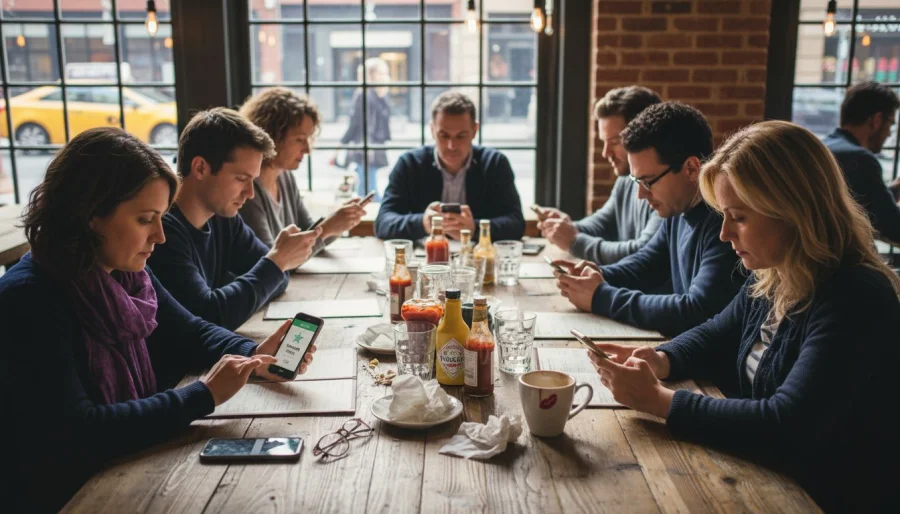
Standing out in the crowded North American dining scene can feel impossible when every competitor offers the same old rewards. Customers have grown weary of rigid loyalty programs that ignore what they truly value. Flexible loyalty programs bring a smarter way to earn repeat guests by letting diners choose their own paths and personal rewards. This guide lays out how these adaptable solutions deliver real engagement, driving repeat visits and making your restaurant a preferred destination.
Defining Flexible Loyalty Programs for Restaurants
Flexible loyalty programs represent a shift away from rigid, one-size-fits-all reward systems. They’re designed to adapt to how your customers actually behave and what they genuinely value.
At their core, flexible loyalty programs are dynamic systems where customers manage rewards independently, often across competing restaurants. Unlike traditional programs that lock customers into single paths, flexible programs let diners choose how to earn, spend, and engage with your rewards.
What Makes Them Different
Traditional loyalty programs typically follow a strict formula: customers accumulate points, reach a threshold, and redeem a predetermined reward. Flexible programs work differently.
They offer:
- Personalized rewards based on individual customer preferences and behavior
- Multiple earning paths so diners can choose what works best for them
- Real-time adjustments that respond to customer preferences without requiring program overhauls
- Digital-first architecture enabling seamless tracking and management across touchpoints
Your customers aren’t all the same. One regular might value free appetizers. Another wants discounts on their next visit. A third prefers exclusive dining events. Flexible programs let you reward each group meaningfully.
The Technology Behind Flexibility
Tailored rewards and personalized experiences in restaurants depend heavily on data-driven engagement systems. Digital platforms track individual behaviors, preferences, and purchase patterns in real time.
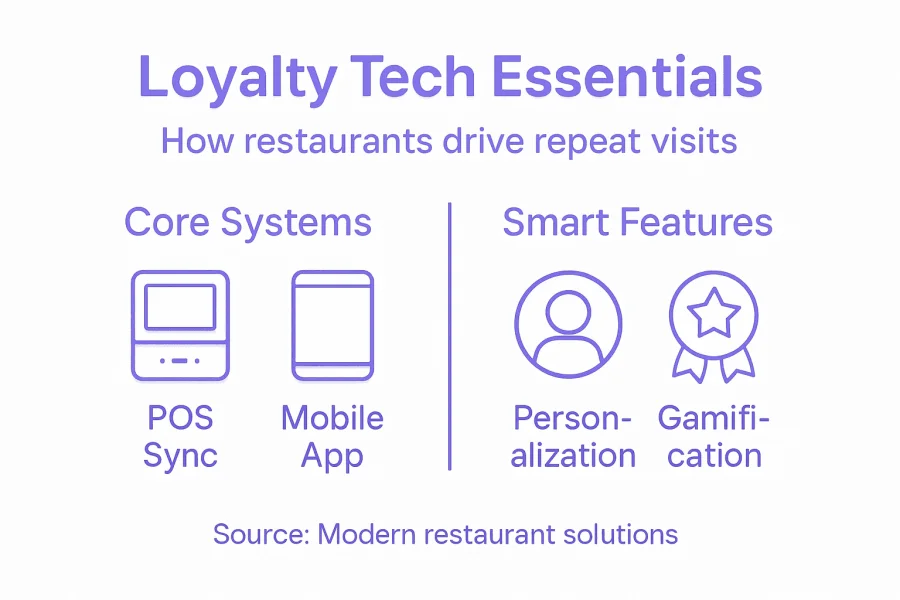
This isn’t about surveillance. It’s about understanding what makes your customers return. Modern loyalty solutions collect this data automatically and use it to optimize which rewards matter most to different segments.
Beyond Transactions
Flexible programs transform loyalty from a transactional tool into a strategic relationship builder. Customers see value beyond discounts. They receive personalized experiences that make them feel understood.
When a regular customer sits down, your staff knows their preferences. Your app shows them rewards tailored to their past orders. Your promotions speak directly to their interests.
Flexible loyalty programs shift from “what we want to offer” to “what our customers actually want to receive.”
Why Restaurants Need This Now
Your competitors likely have loyalty programs. Generic ones. Customers are tired of joining programs that don’t deliver value for them personally. Flexible programs stand out because they actually listen to customer preferences and deliver accordingly.
Restaurants with truly flexible loyalty systems see higher engagement rates. Customers return more frequently. They spend more per visit. And they tell friends about the experience.
Pro tip: Start by identifying your three largest customer segments (frequent diners, occasional visitors, and first-timers), then design different reward paths for each group rather than forcing everyone through the same progression.
Types of Loyalty Programs and Key Features
Not all loyalty programs work the same way. Understanding the main types helps you choose what fits your restaurant’s goals and customer base.
The three core categories of loyalty programs are points-based systems, tier-based structures, and frequency-driven models. Each offers distinct advantages depending on how your customers dine and what motivates repeat visits.
Points-Based Rewards
Points-based programs let customers accumulate credits with every purchase. A customer spends $20, earns 20 points. Spend $50, earn 50 points. When they hit a threshold, they redeem rewards.
This model works well because:
- Transparency customers see exactly how close they are to rewards
- Flexibility you can adjust point values for different menu items
- Scalability the system grows naturally with customer spending
- Simplicity diners understand the mechanics instantly
Points-based programs drive frequency. Customers return specifically to accumulate enough points for meaningful rewards. The progress bar visible in your app keeps them engaged between visits.
Tier-Based Structures
Tier-based programs stratify customers into levels, each offering progressively better benefits. A basic level might offer 5% discounts. Gold level gets 10% discounts plus exclusive events. Platinum receives personalized service and special menu access.
This approach creates exclusivity and aspiration. Customers want to climb the ladder. As they move up, they feel valued and special. Higher tiers also increase customer lifetime value significantly.
Tier programs work beautifully for fine dining, upscale casual, and restaurants with strong regular customer bases.
Here’s a quick comparison of the main restaurant loyalty program types and their ideal use cases:
| Program Type | Best For | Not Ideal For | Unique Business Impact |
|---|---|---|---|
| Points-Based | Multi-concept, casual | Very upscale or fine dining | Encourages frequent spending |
| Tier-Based | Fine dining, regulars | Quick-service or fast-casual | Builds exclusivity and customer value |
| Frequency-Driven | Fast-casual, quick-service | Occasional diners, special events | Creates habitual return visits |
Frequency-Driven Models
Simplicity defines frequency-based programs. Visit 10 times, get a free entree. Buy 5 drinks, get one free. No points to calculate. No tiers to track. Just visit, get stamped or scanned, and receive rewards.
Frequency models excel at:
- Low friction minimal thinking required from customers
- Immediate action rewards feel closer and more achievable
- Mobile optimization digital stamp cards work seamlessly in apps
- Behavioral reinforcement each visit feels like progress
Key Features Across All Programs
Regardless of type, successful loyalty programs share common features. Digital tracking and data analytics personalize experiences for individual customers.
Essential features include:
- Real-time tracking customers see their progress instantly
- Mobile integration easy access through smartphones
- Personalization engine rewards match individual preferences
- Automated campaigns timely offers based on customer behavior
- Redemption options multiple ways to use earned rewards
The best program type isn’t about which sounds fanciest. It’s whichever one makes your specific customers return more often.
Choosing Your Program Type
Consider your restaurant’s personality and customer behavior. Fast-casual spots often excel with frequency models. Upscale restaurants thrive with tier structures. Multi-concept operations frequently use points for flexibility across menus.
Your customer data matters most. What motivates your regulars? Do they visit for quick lunches or special occasions? Do they crave status and recognition? The answers determine which program structure works best.
Pro tip: Start with whichever program type aligns with your current customer behavior and business model, then layer in personalization features based on data you collect in your first 90 days of operation.
How Flexible Loyalty Programs Operate Digitally
Digital loyalty programs work behind the scenes to track, reward, and engage customers automatically. Understanding the mechanics helps you appreciate what your software does for your business.
Modern flexible loyalty programs connect three essential components: your point-of-sale system, a customer-facing mobile app, and a backend analytics engine. When a customer makes a purchase, the transaction flows through this system instantly.
The Mobile App as Command Center
Your customers interact with loyalty programs primarily through apps. They scan a QR code, mobile wallet pass, or phone number at checkout. The app updates instantly, showing new point totals, available rewards, and personalized offers.
Digital loyalty cards streamline redemption by eliminating physical punch cards or printed vouchers. Customers always have their membership in their pocket. No forgotten cards. No fumbling at the register.
The app also displays:
- Current point balance updated in real time
- Personalized offers tailored to individual purchase history
- Reward countdown showing how close they are to claiming benefits
- Special promotions timed to seasonal events or individual milestones
Real-Time Tracking and Personalization
AI-driven personalization tailors offers to customer habits based on their ordering patterns. If a customer always orders appetizers, they receive appetizer discounts. If they frequent your restaurant on Tuesdays, Tuesday offers appear in their app.
This personalization drives higher redemption rates. Customers feel the program understands them. Offers don’t feel random or irrelevant.
Every interaction generates data. That data refines future recommendations, creating a self-improving system.
Gamification Transforms Engagement
Gamification elements transform reward processes into enjoyable experiences. Customers don’t just accumulate points. They unlock badges for trying new menu items, celebrate milestones with streak rewards, or compete on leaderboards.
Gamification works because it taps into human psychology. Progression feels rewarding. Achievement matters. Streaks create habit loops.
When customers see they’re close to unlocking an exclusive reward or completing a challenge, they return specifically to finish it.
Integration With Your POS System
Flexible digital programs integrate seamlessly with your existing checkout process. No separate logins. No manual entry. When your staff rings a sale, the loyalty system captures it automatically.
This seamless integration ensures:
- Zero friction for both staff and customers
- Accurate tracking no missed transactions
- Instant updates customers see results immediately
- Reduced training staff doesn’t need extensive education
Security and Fraud Prevention
Advanced security measures address fraud risks and protect customer data. Modern platforms use encryption, authentication protocols, and fraud detection algorithms. Customers’ points and personal information stay secure.
This security builds trust. Customers feel confident using your app and sharing purchase data.
Here’s a summary of key digital loyalty features and their effect on restaurant operations:
| Feature | Restaurant Benefit | Customer Experience Impact |
|---|---|---|
| Real-time tracking | Monitors spending accurately | Instant feedback and motivation |
| Personalization engine | Custom offers boost ROI | Feels individually recognized |
| Gamification | Drives repeated engagement | Rewards are fun and interactive |
| Security features | Protects financial liability | Builds trust with app users |
Digital loyalty programs aren’t just better for customers. They’re force multipliers for your business, turning casual visits into measurable, repeatable patterns.
How Data Flows
When a customer makes a purchase, the system records: what they bought, when they visited, how much they spent, and their preference patterns. This data reveals goldmines of insights about your restaurant’s performance and customer behavior.
You can see which menu items drive loyalty. Which times attract repeat visitors. Which customer segments spend the most. This intelligence guides menu decisions, staffing, and marketing strategy.
Pro tip: Start with basic POS integration and mobile app tracking, then add personalization and gamification elements in month two after you’ve gathered meaningful customer behavior data.
Tailoring Loyalty Programs to Restaurant Needs
One loyalty program doesn’t fit all restaurants. A quick-service pizza joint needs something different from an upscale steakhouse. Your program must reflect your restaurant’s unique personality and customer base.
Tailoring starts with understanding your specific customers. Who walks through your doors? What motivates them to return? What do they value most? The answers shape everything about your program design.
Understanding Your Restaurant Type
Your restaurant’s format determines what works. Fast-casual spots thrive with frequency-based rewards because customers visit often and want quick transactions. Upscale restaurants benefit from tier-based programs that reward loyalty with exclusivity and special treatment.
Consider your operating model:
- Quick-service: Fast accumulation, simple redemption, mobile-first
- Casual dining: Balanced earning, flexible rewards, staff recognition
- Fine dining: Exclusive tiers, personalized service, experiential rewards
- Ghost kitchens/delivery: Digital-only enrollment, flexible redemption windows
Your program format should feel natural to how customers already interact with your restaurant.
Customer Segmentation and Personalization
Tailoring programs by customer purchase history enables personalization that resonates with distinct guest segments. Not all customers want the same rewards.
Segment your base:
- Heavy users reward with exclusive benefits and VIP treatment
- Regular visitors incentivize consistency with streak bonuses
- Occasional guests encourage frequency with approachable entry points
- New customers onboard with welcome offers that feel generous
Each segment responds to different reward structures. Data analytics reveal which offers convert each group into repeat visitors.
Aligning Rewards With Local Culture
Addressing cultural preferences and emotional engagement boosts satisfaction and retention. A vegetarian-focused restaurant shouldn’t heavily reward meat dishes. A family-oriented spot values kids’ meal discounts. A cocktail bar emphasizes drink rewards.
Your rewards should celebrate what makes your restaurant special. If your identity centers on sustainability, offer rewards for bringing reusable containers. If you’re known for house-made pasta, feature pasta dishes prominently in reward offers.
Authenticity matters. Customers sense when rewards feel misaligned with your brand.
Service Quality Integration
The best loyalty programs reinforce excellent service. Include rewards that enhance the dining experience itself, not just discounts.
Examples:
- Priority seating during busy hours
- Complimentary appetizers for milestone visits
- Chef’s table access for highest-tier members
- Birthday experiences with special menu items
These rewards cost you less than discounts but feel more valuable to customers.
The program that wins isn’t the one with the biggest discounts. It’s the one that makes customers feel understood and appreciated in ways that matter to them specifically.
Testing and Adjusting
Launch your program with a pilot phase. Test different reward structures with different customer segments. What converts frequent visitors? What brings back lapsed customers? The data answers these questions.
After 60 days of operation, analyze redemption rates. If a reward sits unused, customers don’t value it. Replace it with something they actually want.
Pro tip: Survey your top 20 regular customers before launching your program to ask directly what rewards would make them visit more often, then incorporate their top three responses into your initial offering.
Costs, Risks, and Common Mistakes to Avoid
Loyalty programs sound like guaranteed wins. They’re not. Many restaurants launch programs with high hopes and watch them drain resources while generating minimal returns. Understanding the pitfalls prevents costly mistakes.
The problem isn’t loyalty programs themselves. It’s poor planning, unclear strategy, and unrealistic expectations about what they’ll deliver.
The True Cost of Running a Program
Loyalty programs require ongoing investment beyond the initial software purchase. You’ll spend money on marketing to enroll members, staffing to manage the program, and actual rewards redemptions that cut into margins.
Cost categories include:
- Software fees monthly or annual platform subscription
- Discount redemptions the actual cost of free items and discounts
- Enrollment promotions incentives to get customers to join
- Staff training teaching your team to explain the program
- Marketing promoting the program consistently
Many restaurants underestimate these ongoing costs. They launch a program expecting immediate ROI, then abandon it when numbers look weak in month two.
Underestimating Customer Acquisition
Getting customers to enroll takes time and consistent effort. Lack of customer insight leads to low engagement that undermines program effectiveness. Your loyalty members represent only a percentage of your total customer base initially.
If 30% of your customers enroll, 70% still visit without earning rewards. You need strategies to convert non-members. This requires ongoing marketing and promotional pressure that adds to overall costs.
Reward Redemption Risk
Unplanned redemptions can quickly exceed budget. If your offer is too generous, members redeem rapidly, eating into profit margins faster than predicted.
Common redemption mistakes:
- Too-generous rewards creating unsustainable discount levels
- Low redemption thresholds members earn free items too quickly
- Overlapping promotions combining loyalty rewards with other deals
- No expiration dates accumulating unused liability on your books
One poorly designed offer can cost thousands. A $50 free entree offer redeemed by 500 members means $25,000 in direct costs without increased spending.
The Cross-Department Collaboration Problem
Key mistakes include poor collaboration, especially with accounting departments. Your accounting team needs to understand the program’s financial impact. Your kitchen needs to know which items are rewards.
Without alignment:
- Finance doesn’t budget for redemption costs
- Kitchen gets surprised by volume increases
- Marketing overpromises without consulting operations
- Staff doesn’t understand how to explain the program
The best loyalty programs need buy-in from owners, managers, kitchen, front-of-house, and accounting. Siloed decisions create expensive problems.
Focusing Only on Members
Over-investing resources without clear strategy often means directing all marketing energy toward loyalty members. Your non-member customers feel neglected. They notice heavy discounting for “that club” they’re not in.
Balance matters. Your program should encourage enrollment without alienating your general customer base. Non-members need reasons to convert. Members need exclusive benefits that justify their enrollment.
The difference between a successful and failed loyalty program isn’t complexity. It’s realistic budgeting, clear strategy, and departmental alignment from day one.
Setting Up Success
Start with a detailed financial model. Calculate exactly how much you’ll spend and what return you expect. Include conservative enrollment estimates. Plan for lower-than-expected redemption rates initially.
Set measurable goals. Track member acquisition cost, redemption rate, repeat visit frequency, and incremental spend. After 90 days, evaluate honestly. Is it working? Which segments respond best? Where are you bleeding money?
Pro tip: Calculate the exact cost per member you acquire, then determine the minimum increase in spending or visit frequency each member needs to generate to justify your program investment.
Unlock the Power of Flexible Loyalty Programs for Your Restaurant
The challenge many restaurants face today is creating loyalty programs that truly resonate with diverse customer preferences and behaviors. This article highlights how flexible loyalty programs transform rigid one-size-fits-all approaches into dynamic, personalized systems that adapt to guest needs and boost repeat visits. If you want to engage frequent diners, occasional visitors, and first-timers with tailored rewards that feel meaningful and increase spending, embracing flexibility is key.
bonusqr.com offers a scalable, easy-to-use SaaS platform designed to help restaurants launch customizable digital loyalty programs without POS integration hassles. With support for points collection, stamp cards, cashback, and personalized offers, you can design multiple reward paths that reflect your customers’ unique preferences. Real-time analytics and automation tools empower you to optimize rewards continuously while deepening customer relationships. Start building a program that truly understands your customers. Discover how customizable loyalty solutions can elevate your business and drive loyalty now.
Frequently Asked Questions
What are flexible loyalty programs in restaurants?
Flexible loyalty programs are dynamic systems that allow customers to manage their rewards independently, adapting to their preferences and behaviors rather than following a rigid structure.
How do flexible loyalty programs differ from traditional loyalty systems?
Unlike traditional systems that require customers to accumulate points towards a specific reward, flexible loyalty programs offer personalized rewards, multiple earning paths, and real-time adjustments based on individual customer preferences.
What technology supports flexible loyalty programs?
Flexible loyalty programs rely on data-driven engagement systems, integrating digital platforms that track customer behaviors, preferences, and purchase patterns in real time to optimize rewards.
How can a restaurant design a successful loyalty program?
A successful loyalty program should segment customers into different groups based on behavior, tailor rewards to resonate with these groups, and incorporate technology for real-time tracking and personalized offers.


