
 Deutsch
 Español
 Français
 Italiano
 Magyar
 Polski
 Slovenčina
 Čeština

Over 80 percent of consumers say they are more likely to stick with a brand that offers a loyalty program. Earning points for everyday purchases feels rewarding, but there is much more at play behind these systems. Understanding how loyalty points work can help you recognize their real value, the creative strategies businesses use, and the common pitfalls brands face while trying to strengthen customer relationships.
Table of Contents
- Loyalty Points: Definition And Core Concepts
- Main Types Of Loyalty Points Programs
- How Loyalty Points Systems Operate
- Key Benefits For Businesses And Customers
- Common Pitfalls And How To Avoid Them
Key Takeaways
| Point | Details |
|---|---|
| Loyalty Points System | A structured marketing strategy that rewards customer engagement through point accumulation for purchases and actions. |
| Program Types | Major program types include points-based, tier-based, paid membership, and coalition models to cater to diverse business goals. |
| Benefits | Loyalty programs enhance customer retention, provide valuable purchasing insights, and offer financial rewards, benefiting both businesses and customers. |
| Common Pitfalls | Businesses must avoid complexities, reward devaluation, misaligned targeting, and integration issues to maintain effective loyalty programs. |
Loyalty Points: Definition and Core Concepts
A loyalty points system is a strategic marketing approach that rewards customers for their continued engagement with a business. According to research from EBSCO, these programs are structured systems designed to foster long-term customer relationships and drive revenue by offering tangible incentives for repeat purchases.
At its core, a loyalty points program allows customers to accumulate credits based on their transactions or specific actions. These points can typically be redeemed for various rewards such as discounts, free products, exclusive services, or special experiences. Learn more about customer loyalty strategies that can transform how businesses interact with their customer base.
Key features of loyalty points programs often include:
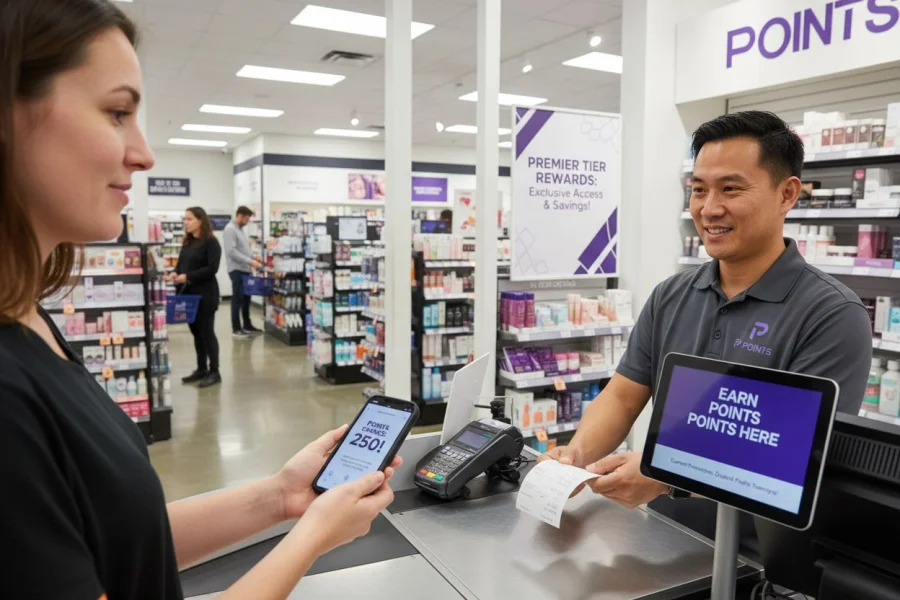
- Earning points through purchases
- Tiered reward structures
- Flexible redemption options
- Digital tracking and management
- Personalized reward experiences
The evolution of loyalty programs demonstrates their powerful potential. What began as simple punch cards in the early 20th century has transformed into sophisticated digital systems that not only incentivize repeat business but also provide valuable customer insights and data for strategic decision-making.
Main Types of Loyalty Points Programs
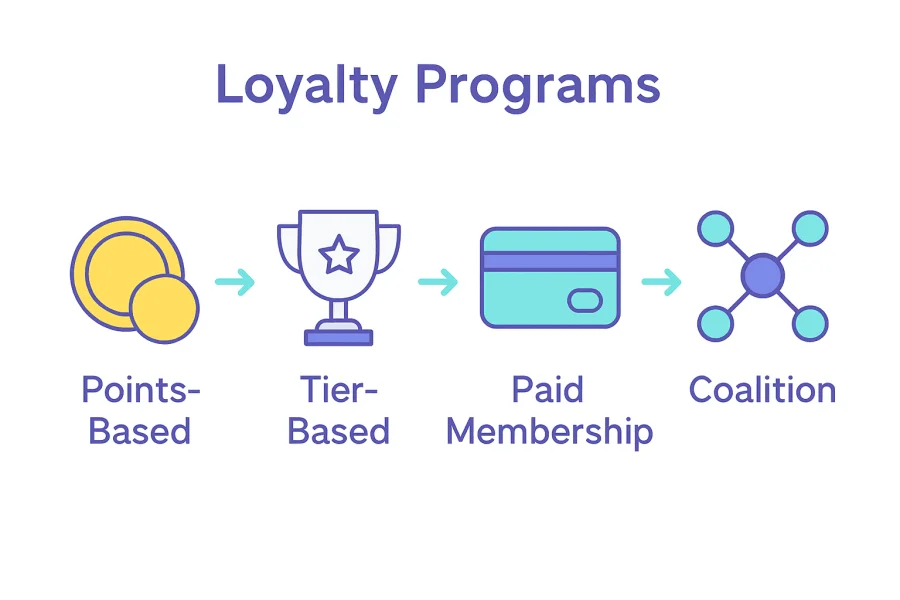
Businesses have developed several sophisticated loyalty points program models to engage customers and drive repeat business. According to research from Wikipedia, these programs can be categorized into distinct types, each with unique characteristics designed to meet specific business objectives.
The primary loyalty points program types include:
Here’s a comparison of the main types of loyalty points programs:
| Program Type | How It Works | Typical Benefits |
|---|---|---|
| Points-Based | Earn points per purchase | Easy to understand Frequent rewards |
| Tier-Based | Levels (e.g., Silver, Gold) unlock perks | Status recognition Increasing privileges |
| Paid Membership | Pay fee for exclusive rewards | Premium access Accelerated earning |
| Coalition | Multiple brands share points | Greater flexibility Broader reward options |
- Points-Based Programs: Customers earn points for each purchase, which can be redeemed for rewards or discounts
- Tier-Based Programs: Offer escalating benefits like silver, gold, and platinum levels with increasing privileges
- Paid Membership Programs: Customers pay an upfront fee to access exclusive benefits and accelerated point earning
- Coalition Programs: Multiple complementary businesses collaborate to offer shared rewards discover innovative loyalty schemes that can expand customer engagement
Some advanced loyalty programs also incorporate value-based strategies, connecting purchases with social causes or charitable donations. These programs not only incentivize transactions but also create emotional connections with customers by aligning rewards with broader community values. The flexibility of modern loyalty points systems allows businesses to design unique approaches that resonate with their specific customer base and brand identity.
How Loyalty Points Systems Operate
A loyalty points system functions through a strategic cycle of customer engagement and reward accumulation. According to research from HashMicro, these systems typically operate through distinct phases designed to create continuous value for both businesses and customers.
The core operational process involves several key stages:
- Point Accumulation: Customers earn points through various actions like purchases, referrals, or specific interactions
- Point Tracking: Digital systems meticulously record and manage point balances in real-time
- Reward Exploration: Customers browse available redemption options matching their point totals
- Redemption: Points are exchanged for discounts, products, services, or exclusive experiences learn how to transform customer behavior through strategic reward design
Modern loyalty systems often incorporate gamification elements like bonus point opportunities, expiration dates to create urgency, and tiered reward structures that encourage continued engagement.
By carefully designing these mechanisms, businesses can motivate customers to increase their interaction, ultimately driving repeat purchases and building long-term brand loyalty.
Key Benefits for Businesses and Customers
Loyalty points programs create a win-win scenario for both businesses and customers, delivering tangible benefits that extend far beyond simple transactions. According to research from Arfadia, top loyalty programs can drive remarkable revenue increases ranging from 15–25% annually, demonstrating their substantial strategic value.
For businesses, the advantages are multifaceted:
- Reduced customer acquisition costs
- Enhanced customer data and purchasing insights
- Increased customer retention and repeat business
- Improved ability to personalize marketing strategies
- Direct mechanism for measuring customer engagement explore top strategies for customer retention that can transform your business approach
Customers equally benefit from loyalty programs through:
- Tangible financial rewards and discounts
- Recognition and appreciation from brands
- Exclusive access to special offers
- Personalized experiences tailored to their preferences
- A sense of belonging and ongoing relationship with businesses
By creating mutually beneficial systems, loyalty points programs transcend traditional marketing approaches. They transform transactional interactions into meaningful, long-term relationships that drive sustainable business growth while providing genuine value to customers.
Common Pitfalls and How to Avoid Them
Implementing a loyalty points program requires strategic planning to navigate potential challenges that can undermine its effectiveness. According to research from Crypt-Point, businesses frequently encounter complex obstacles that can derail their customer engagement efforts if not carefully managed.
Key pitfalls businesses must proactively address include:
- Program Complexity: Designing overly complicated reward structures that confuse customers
- Reward Devaluation: Diminishing point value over time, causing customer frustration
- Misaligned Targeting: Offering rewards that don’t genuinely appeal to core customer segments
- Technical Integration Challenges: Disconnected systems preventing smooth point tracking and redemption learn more about setting up successful loyalty strategies that minimize operational friction
To mitigate these risks, businesses should focus on:
- Maintaining transparent, simple point accumulation rules
- Regularly reviewing and adjusting reward values
- Conducting frequent customer feedback surveys
- Ensuring seamless technical infrastructure
- Personalizing rewards based on actual customer preferences
Successful loyalty programs require continuous refinement. By anticipating potential challenges and maintaining flexibility, businesses can create robust systems that genuinely enhance customer relationships rather than becoming administrative burdens.
Unlock the True Power of Your Loyalty Points Program Today
Many businesses struggle with creating loyalty points systems that are clear, engaging, and truly rewarding for customers. This article highlighted challenges like program complexity, misaligned rewards, and technical hurdles that can leave your customers frustrated and your growth stagnant. If you want to avoid these common pitfalls and transform your customer retention strategy through flexible and simple loyalty solutions, it is time to take action.
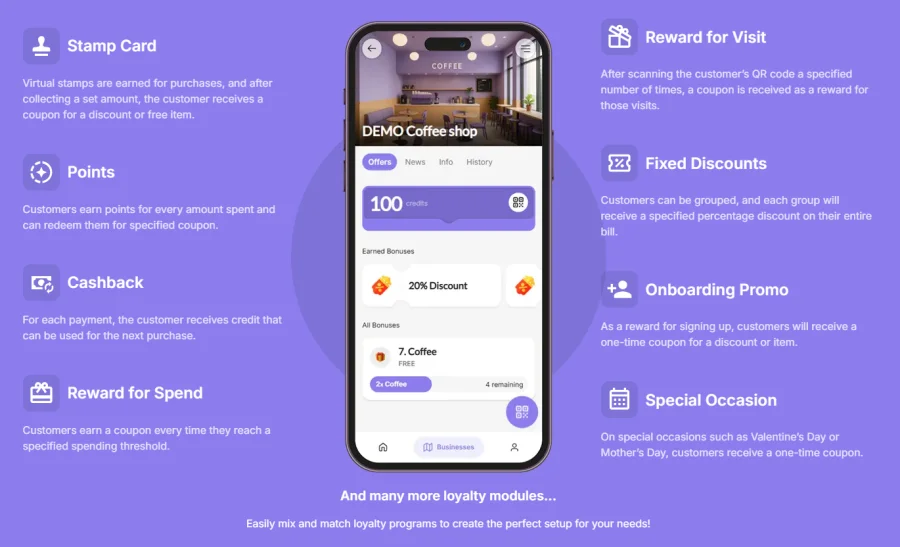
BonusQR offers a fully customizable platform designed to help you develop, launch, and manage effective digital loyalty programs inspired by the very core concepts explored here. With features like points collection, stamp cards, cashback, and automated marketing campaigns, you can create tailored experiences that your customers will love. Plus, our easy integration and real-time analytics empower you to continuously optimize your program and drive meaningful customer engagement. Start building loyalty that lasts by visiting BonusQR. Learn more about how to transform customer behavior and discover innovative loyalty schemes that deliver true business growth.
Don’t let your loyalty program fall short. Empower your brand with BonusQR’s scalable solutions and start turning customers into lifelong advocates today.
Frequently Asked Questions
What is a loyalty points system?
A loyalty points system is a marketing strategy that rewards customers for their ongoing engagement with a business, allowing them to accumulate points based on purchases or actions that can be redeemed for rewards.
How do loyalty points programs benefit businesses?
Loyalty points programs help businesses reduce customer acquisition costs, enhance customer insights, improve retention, and offer personalized marketing opportunities, all of which contribute to increased revenue.
What are the main types of loyalty points programs?
The main types include points-based programs (earn points per purchase), tier-based programs (levels unlock perks), paid membership programs (pay for exclusive rewards), and coalition programs (multiple brands share points).
How can businesses avoid common pitfalls when implementing loyalty programs?
Businesses can avoid pitfalls by simplifying reward structures, maintaining transparent point accumulation rules, regularly reviewing reward values, gathering customer feedback, and ensuring seamless technical integration.