
 Deutsch
 Español
 Français
 Italiano
 Magyar
 Polski
 Slovenčina
 Čeština

Did you know that over 70 percent of consumers are more likely to stick with brands offering personalized loyalty programs? Building strong customer relationships is a challenge for any business, but loyalty automation makes it possible to engage customers at exactly the right moments. By getting clear about your goals and understanding what truly drives each customer segment, you can craft automated campaigns that deliver lasting growth and stronger retention.
Table of Contents
- Step 1: Define Campaign Goals And Customer Segments
- Step 2: Select Automation Modules And Customize Rewards
- Step 3: Integrate Campaign With Digital Loyalty Platform
- Step 4: Schedule Triggers And Automated Communications
- Step 5: Test Campaign Flow And Monitor Performance
Quick Summary
| Key Point | Explanation |
|---|---|
| 1. Define clear campaign goals | Set specific objectives to improve retention, like increasing repeat purchases by 15%. |
| 2. Segment customers strategically | Use RFM analysis to categorize customers, targeting high-value and at-risk segments. |
| 3. Implement personalized rewards | Tailor rewards based on customer segments to enhance engagement and motivation. |
| 4. Automate communication triggers | Develop timely, personalized messages based on customer behavior to improve interactions. |
| 5. Continuously monitor performance | Utilize analytics to track KPIs and refine your strategy based on data insights. |
Step 1: Define campaign goals and customer segments
Successful loyalty campaigns start with crystal clear goals and smart customer understanding. In this step, you will map out precise objectives and identify the specific customer groups most likely to respond to your retention efforts.
Begin by outlining your core business objectives. According to research from MDPI Digital Innovation Studies, effective loyalty strategies should focus on three primary goals: reducing customer acquisition costs, increasing trust, and personalizing interactions across different channels.
Break down your goals into specific metrics you can track. For example, your objectives might include:
- Increasing repeat purchase rate by 15% within six months
- Reducing customer churn by 10%
- Improving average customer lifetime value
Next, segment your customer base using data-driven approaches. As Explainable AI Research suggests, leverage techniques like RFM (Recency, Frequency, Monetary) segmentation to categorize customers into meaningful groups.
Pro Tip: Don’t just segment by basic demographics. Look at behavioral patterns, purchase history, and engagement levels to create truly targeted campaigns.
Typical customer segments might include:
Here’s a summary of typical customer segments and their key characteristics:
| Segment Type | Description | Example Metrics |
|---|---|---|
| High-value loyal customers | Frequent buyers with high spend | CLV above average Low churn risk |
| At-risk customers | Declining activity, at risk of attrition | Reduced purchases Low engagement |
| New customers | Recent sign-ups with growth potential | First purchase High open rates |
| Occasional/Seasonal buyers | Sporadic or seasonal engagement | Purchases in peak seasons Long intervals between buys |
- High-value loyal customers
- At-risk customers who are losing engagement
- New customers with potential for long-term relationships
- Occasional or seasonal buyers
By defining clear goals and understanding your customer segments, you set the foundation for a powerful loyalty automation strategy that speaks directly to individual customer needs and motivations.
Ready to move forward? In the next step, we will explore how to design personalized loyalty campaign workflows that turn these insights into action.
Step 2: Select automation modules and customize rewards
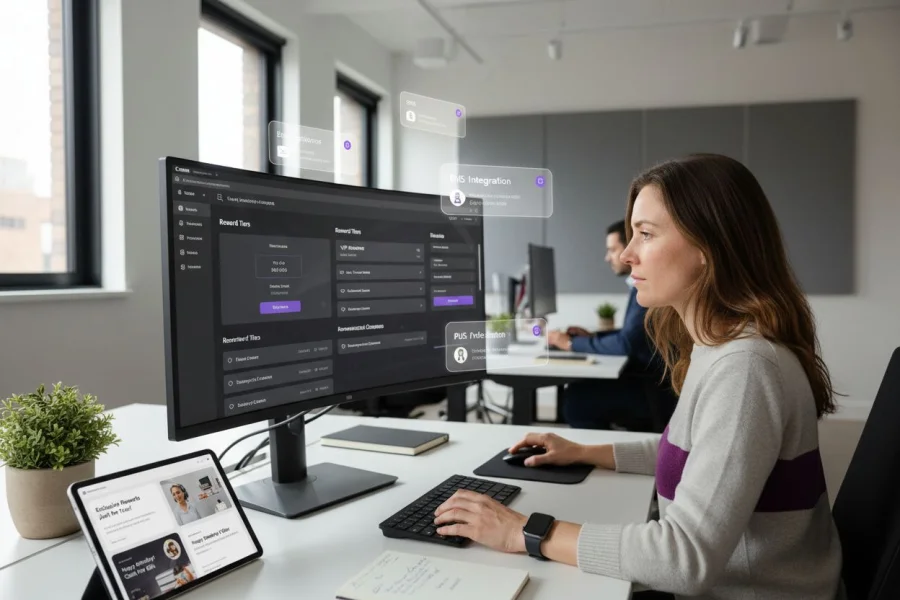
With your customer segments and goals clearly defined, it is time to choose the right automation modules and design rewards that will truly motivate your customers. According to research from Sobot.io Loyalty Trends, advanced loyalty programs in 2025 will leverage AI powered technologies to create hyper personalized experiences.
Start by exploring key automation modules that align with your specific business objectives. As outlined in UMA Technology’s Marketing Automation Guide, critical features include:
- Points and rewards automation
- Personalized incentive generation
- Referral program management
- Loyalty program integration
Consider implementing smart reward customization strategies that go beyond traditional point systems. For instance, create tiered rewards that progressively unlock more attractive benefits as customers increase their engagement.
Pro Tip: Design rewards that feel personal and valuable to each customer segment rather than using a one size fits all approach.
Examples of personalized reward strategies might include:
- Exclusive discounts for high value customers
- Birthday or anniversary bonus points
- Surprise rewards based on individual purchasing patterns
- Customized product recommendations
By thoughtfully selecting automation modules and designing intelligent reward structures, you transform your loyalty program from a generic points system into a dynamic customer engagement tool.
Ready for the next phase? We will explore how to set up your automated workflows and design compelling customer journeys that keep people coming back.
Step 3: Integrate campaign with digital loyalty platform
Now it is time to bring your loyalty strategy to life by seamlessly integrating your campaign with a robust digital loyalty platform. According to research from MDPI Digital Technologies Study, modern digital platforms enable personalized interactions that build meaningful customer trust and engagement.
Start by selecting a platform that supports comprehensive omnichannel experiences. As highlighted in Omnichannel Loyalty Research, the key is creating a unified system that syncs points, preferences, and rewards across multiple customer touchpoints.
Consider these critical integration aspects:
- Seamless data synchronization
- Cross platform point tracking
- Real time reward redemption
- Consistent customer experience
Ensure your chosen platform can adapt to your specific business needs and scale with your growth. Look for solutions that offer flexible modules allowing you to customize reward structures and automation workflows.
Pro Tip: Test your integration thoroughly before full deployment to identify and resolve any potential synchronization issues.
Important integration features to prioritize include:
- Mobile and web app compatibility
- Easy customer onboarding
- Intuitive user interface
- Robust analytics and reporting
By carefully selecting and implementing a digital loyalty platform, you transform your campaign from a theoretical concept into a dynamic customer engagement tool.
Ready for the next step? We will explore how to launch and monitor your newly created loyalty automation strategy.
Step 4: Schedule triggers and automated communications
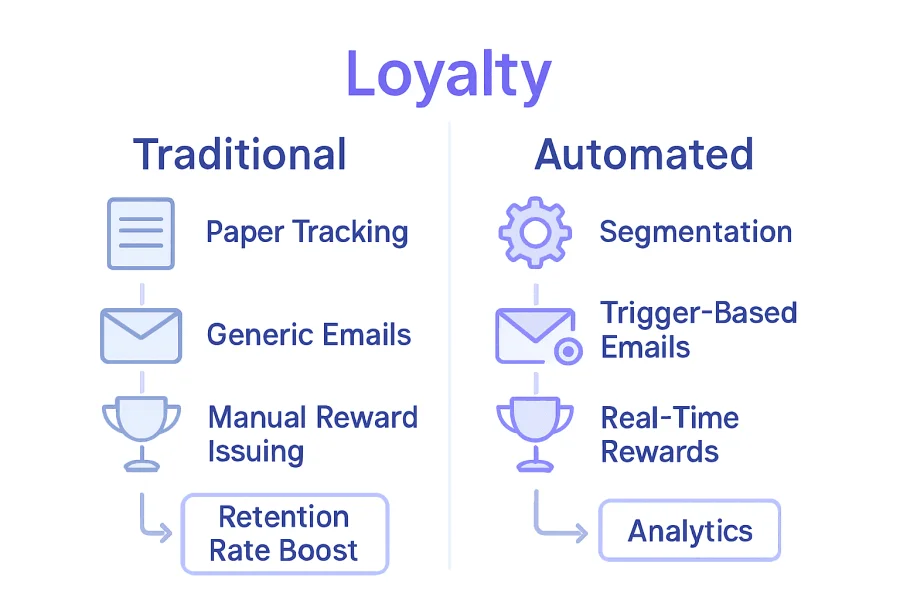
With your digital loyalty platform integrated, it is time to set up intelligent automated communication workflows that keep your customers engaged. According to UMA Technology’s Marketing Automation Guide, successful trigger-based workflows leverage multiple communication channels to deliver timely and personalized messages.
Start by identifying key behavioral triggers that warrant automated communication. As outlined in Chatham Oaks Loyalty Program Research, effective automated triggers can include:
- Birthday reward notifications
- Points balance updates
- Reward expiration reminders
- Personalized ‘we miss you’ reactivation messages
- Achievement milestone celebrations
Design your triggers to span multiple communication channels including email, SMS, push notifications, and social media platforms. This multichannel approach ensures your message reaches customers through their preferred communication method.
Pro Tip: Customize trigger timing and frequency to avoid overwhelming customers. Balance frequency with genuine value to maintain positive engagement.
Consider creating sophisticated trigger sequences that respond to specific customer behaviors:
- Purchase completion triggers welcome rewards
- Consecutive visits unlock bonus points
- Extended inactivity prompts special reengagement offers
- Milestone achievements generate exclusive rewards
Each trigger should feel personalized and meaningful, transforming automated communications from generic notifications into genuine relationship-building moments.
Ready to move forward? The next step will help you monitor and optimize your loyalty automation strategy for maximum impact.
Step 5: Test campaign flow and monitor performance
You have built your loyalty automation strategy now comes the critical phase of testing and continuous performance monitoring. According to Explainable AI Research, advanced analytics can help you model churn risk and evaluate campaign effectiveness across different customer segments with unprecedented precision.
Begin by implementing comprehensive testing protocols that simulate real world customer interactions. UMA Technology’s Performance Monitoring Guide recommends tracking key performance indicators that provide deep insights into your campaign effectiveness.
Crucial metrics to monitor include:
- Customer engagement rates
- Conversion percentages
- Reward redemption frequencies
- Churn prediction indicators
- Average customer lifetime value
Utilize advanced analytics dashboards that offer granular insights into customer behavior. These tools will help you understand how different customer segments respond to your loyalty automation strategy.
Pro Tip: Run small controlled tests before full deployment. This allows you to identify and resolve potential issues without risking your entire customer base.
Key testing strategies to implement:
- A/B test different trigger sequences
- Compare segment specific campaign performance
- Analyze communication channel effectiveness
- Track incremental changes in customer retention
Remember that monitoring is an ongoing process. Regularly review your analytics and be prepared to make data driven adjustments to your loyalty automation strategy.
Ready for the final step? We will explore how to continuously optimize and refine your loyalty campaign for maximum impact.
Unlock Effortless Loyalty Automation with bonusqr.com
Are you ready to turn the detailed loyalty automation strategies from this guide into real results? The challenge for many businesses is building personalized loyalty programs that truly engage diverse customer segments while automating workflows without complexity. If reducing churn and boosting lifetime value through tailored rewards and seamless digital integration feels overwhelming, you are not alone.
bonusqr.com offers a flexible SaaS platform designed exactly for these challenges. With tools to customize loyalty rewards, automate marketing triggers, and monitor campaign performance with real-time analytics you can launch sophisticated loyalty programs that resonate deeply with your customers. Whether you want to create points systems, cashback offers, or exclusive rewards, bonusqr.com helps you set up and scale quickly with intuitive mobile and web app support.
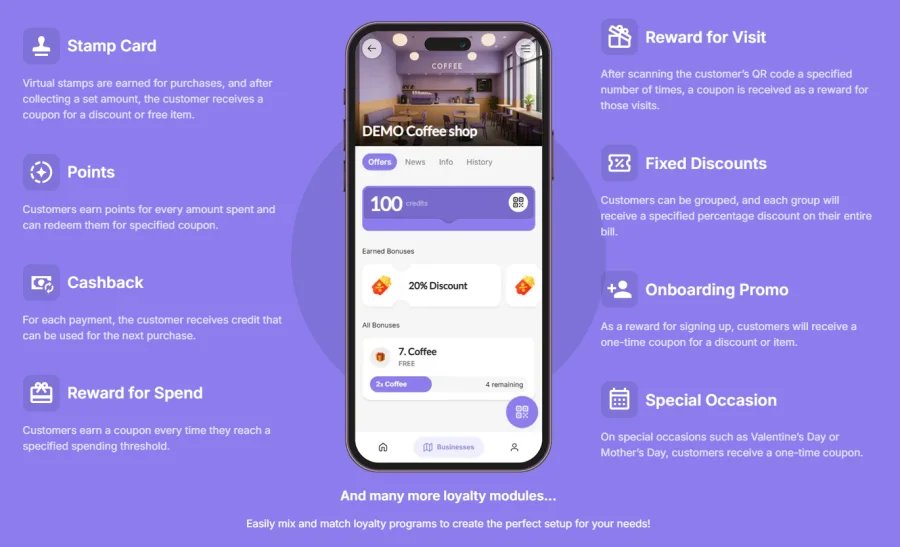
Take control of your customer retention now by exploring how easy loyalty automation can be. Visit the bonusqr.com landing page to discover modular solutions that fit your business needs. Ready to design workflows that actually work? Check out how you can customize your rewards and campaigns and start engaging your customers personally today.
Don’t wait. The best time to build loyalty campaigns that keep customers coming back is right now.
Frequently Asked Questions
How do I define clear goals for my loyalty campaign?
Start by outlining specific business objectives like increasing repeat purchases by 15% within six months or reducing churn by 10%. Break these goals down into measurable metrics to track progress effectively.
What customer segments should I target for loyalty automation?
Identify key groups such as high-value loyal customers, at-risk customers, new customers, and occasional buyers. Use data-driven approaches like RFM segmentation to categorize these groups for more personalized campaign targeting.
How can I customize rewards in my loyalty program?
Design rewards that feel personal and valuable to each customer segment instead of using a one-size-fits-all approach. For instance, offer exclusive discounts for high-value customers and surprise rewards based on individual purchasing patterns.
What types of automated communications should I set up for my loyalty campaign?
Implement communication workflows triggered by specific customer behaviors, such as birthday reward notifications or reactivation messages for at-risk customers. Ensure these messages are delivered through preferred channels like email, SMS, or push notifications.
How do I monitor the performance of my loyalty automation strategy?
Focus on tracking crucial metrics like customer engagement rates, conversion percentages, and reward redemption frequencies. Regularly review these analytics to make data-driven adjustments, ensuring your strategy remains effective over time.
What testing strategies should I use before launching my loyalty campaign?
Run small A/B tests on different trigger sequences and analyze segment-specific performance to identify issues. This allows you to make informed adjustments and improve customer retention before full deployment.