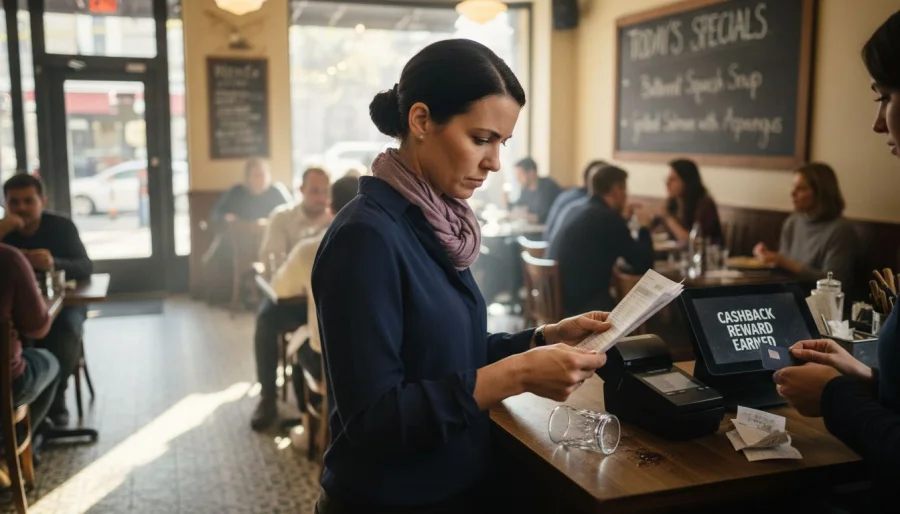
Restaurant owners often struggle to keep diners coming back in a crowded and competitive market. Building customer loyalty is more than just offering the usual rewards. It is about creating a sense of value that makes every guest want to return. A well-designed cashback reward system not only encourages repeat visits but also provides immediate, tangible benefits that turn casual guests into loyal fans. Discover how customizable cashback programs can transform the way you engage your customers and grow your business.
Cashback Rewards Explained for Restaurants
Cashback rewards represent a strategic approach for restaurants to build customer loyalty and drive repeat business. A cashback reward system functions as a digital loyalty mechanism where customers earn monetary credits based on their spending. Cashback reward programs enable restaurants to transform standard transactions into engaging experiences that incentivize future visits.
The fundamental mechanics of restaurant cashback programs are straightforward. When customers make a purchase, they earn a percentage of their spend back as redeemable credits. For instance, a customer spending $50 might earn $5 in cashback, which can be applied toward future meals. This approach creates a powerful psychological motivator - customers feel they are gaining value beyond their initial purchase, encouraging them to return and spend more.
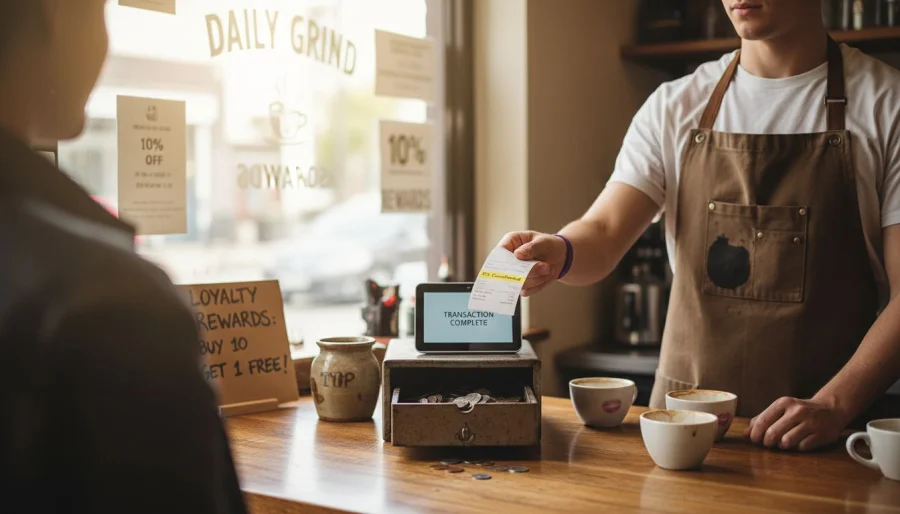
Restaurants implementing cashback rewards benefit from multiple strategic advantages. These programs attract new customers through word of mouth, increase average order values, and provide valuable data about customer preferences. By tracking spending patterns, restaurants can personalize marketing efforts and create targeted promotions that resonate with specific customer segments.
Pro tip: Start with a modest cashback percentage between 5-10% to balance customer attraction and your restaurant’s profitability.
Major Types of Cashback Loyalty Models
Restaurants can implement several strategic cashback loyalty models that cater to different customer engagement objectives. Cashback strategies in the restaurant industry are designed to influence consumer purchase behaviors and drive long-term loyalty through carefully structured reward mechanisms.
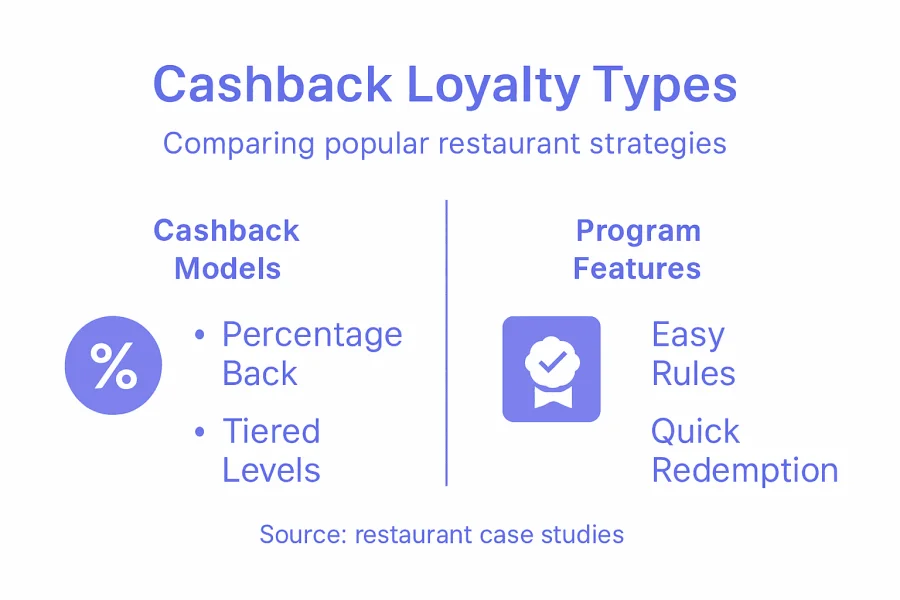
The primary cashback models include percentage-based rewards, tiered cashback programs, and cumulative point systems. Percentage-based models provide a straightforward approach where customers earn a fixed percentage of their total spend - typically ranging from 3% to 10%. Tiered models create progressive rewards where customers unlock higher cashback rates as they reach specific spending thresholds, encouraging increased purchase frequency and larger order values.
Cumulative point systems offer another sophisticated approach, where customers accumulate points based on their spending that can be converted into cashback credits. These models often incorporate additional incentives like bonus point multipliers during specific periods or for particular menu items. The flexibility of these systems allows restaurants to design nuanced loyalty strategies that adapt to changing customer preferences and business goals.
Pro tip: Design your cashback model with clear, easy-to-understand rules to maximize customer engagement and comprehension.
How Cashback Rewards Boost Repeat Visits
Cashback rewards create powerful psychological triggers that encourage customers to return to restaurants repeatedly. Cashback loyalty programs generate immediate financial incentives that transform casual dining experiences into strategic spending opportunities, ultimately driving customer retention and increased revenue.
The mechanism behind repeat visits is rooted in consumer psychology. When customers know they’ll receive a percentage of their spending back, they’re more likely to choose a restaurant with an attractive cashback program. This approach creates a compelling value proposition where each meal becomes not just a dining experience, but an opportunity to earn future credits. Restaurants can strategically design these programs to incentivize specific behaviors, such as visiting during slower hours or trying new menu items.
Research demonstrates that cashback strategies systematically stimulate repeated consumer behavior. By carefully timing cashback generation and redemption, restaurants can create a continuous engagement cycle. Customers are motivated to return sooner, spend more during each visit, and develop a sense of loyalty that goes beyond traditional marketing approaches. The data collected through these programs also allows restaurants to personalize future offers and create targeted marketing campaigns.
Pro tip: Implement a transparent cashback system with clear earning and redemption rules to build customer trust and long-term engagement.
Integration, Customization, and Data Use
Omnichannel loyalty programs represent the cutting edge of restaurant customer engagement strategies. Data-driven personalization allows restaurants to create seamless experiences across multiple ordering platforms, ensuring customers receive consistent rewards whether dining in, ordering online, or using delivery services.
The true power of modern cashback systems lies in their ability to integrate customer data from diverse touchpoints. Restaurants can track purchasing behaviors, preferred menu items, visit frequencies, and spending patterns to develop highly targeted marketing campaigns. This granular approach enables businesses to create personalized promotions that feel tailored to individual customer preferences, dramatically increasing the likelihood of repeat visits and increased order values.
Customization extends beyond simple point collection. Advanced loyalty programs now offer flexible redemption options, dynamic reward structures, and real-time personalization. By leveraging sophisticated data analytics, restaurants can segment their customer base and develop nuanced reward strategies that speak directly to different customer groups. For instance, a restaurant might offer different incentive structures for lunch crowds, dinner patrons, weekend visitors, or frequent takeout customers, making each loyalty experience uniquely compelling.
Pro tip: Implement a flexible data integration system that can collect and analyze customer interactions across all ordering platforms to create truly personalized loyalty experiences.
Comparing Cashback vs. Alternative Incentives
Restaurants have multiple incentive strategies available, but cashback rewards remain uniquely compelling. Non-cash reward strategies demonstrate that while alternatives like merchandise, travel perks, and gift cards offer emotional engagement, cashback provides direct financial value that resonates more powerfully with customers.
Traditional loyalty approaches such as punch cards, points systems, and merchandise rewards each have distinct limitations. Punch cards require physical tracking and can be easily lost, while points systems often feel abstract and complicated. Merchandise rewards might seem appealing but often lack the universal appeal of direct monetary benefits. Cashback, by contrast, offers immediate, tangible value that customers can use flexibly, making it a more universally attractive incentive across different customer demographics.
The strategic advantage of cashback lies in its simplicity and transparency. Unlike complex reward structures that require complicated calculations or specific redemption rules, cashback provides a clear, straightforward value proposition. Customers understand exactly what they’re earning and can see their financial benefit immediately. This directness builds trust and encourages consistent engagement, as customers feel they’re receiving genuine value for their patronage rather than navigating a complicated reward ecosystem.
Here’s a comparison of major restaurant loyalty program incentive types and their unique impacts:
| Incentive Type | Customer Appeal | Redemption Ease | Flexibility |
|---|---|---|---|
| Cashback | High; direct financial value | Immediate and simple | Universally usable |
| Merchandise | Moderate; emotional value | Often complex | Limited to select items |
| Punch Card | Low; risk of loss | Physical effort needed | Restricted to repeat visits |
| Points System | Variable; abstract benefit | May require tracking | Can be customized for promos |
Pro tip: Design your cashback program with crystal-clear earning and redemption rules to maximize customer understanding and participation.
Potential Pitfalls and How to Avoid Them
Cashback reward programs require strategic implementation to prevent common operational challenges. Cashback promotion strategies reveal several critical areas where restaurants can inadvertently compromise their loyalty initiatives, making careful planning essential for success.
One primary concern is maintaining profitability while offering attractive rewards. Restaurants must carefully calibrate cashback percentages to ensure they do not erode profit margins. A common mistake is offering overly generous rewards that seem appealing but ultimately harm the business’s financial sustainability. Successful programs strike a delicate balance between customer attraction and economic feasibility, typically maintaining cashback rates between 5% to 10% of total purchase value.
Communication and redemption complexity represent another significant potential pitfall. Customers quickly become disengaged when reward processes feel convoluted or unclear. Successful cashback programs prioritize transparency, providing straightforward earning and redemption mechanisms that customers can easily understand. This means creating clear rules, providing real-time balance updates, and ensuring seamless redemption processes across digital and physical platforms. Restaurants should invest in user-friendly interfaces and customer support to guide participants through their loyalty journey.
Pro tip: Regularly audit your cashback program’s redemption rates and customer feedback to continuously refine and optimize the reward structure.
Below is a summary of key operational factors for successfully managing cashback reward programs:
| Factor | Description | Business Impact |
|---|---|---|
| Cashback Percentage | Set between 5-10% for balance | Maintains profitability, attracts customers |
| Redemption Process | Should be clear and user-friendly | Increases engagement, reduces confusion |
| Data Integration | Collects spending and preferences | Enables personalized marketing |
| Program Audits | Analyze redemption rates and feedback | Helps optimize and refine strategy |
Unlock the Full Potential of Cashback Rewards with BonusQR
The article highlights the challenge restaurants face in building profitable yet engaging cashback reward programs that boost customer loyalty and drive repeat visits. Key pain points include balancing attractive cashback percentages with business sustainability, simplifying the redemption process, and leveraging data for personalized marketing. If your goal is to transform your restaurant’s loyalty approach using proven cashback strategies while avoiding common pitfalls, BonusQR’s customizable loyalty platform offers the ideal solution.
With BonusQR, you gain access to a flexible, easy-to-use system that supports multiple cashback models alongside points, stamp cards, and coupons perfectly tailored to your business needs. Benefit from features like real-time analytics, mobile and web app integration, and automated marketing campaigns designed to deepen customer engagement and increase order frequency. The platform’s transparent and scalable design ensures your cashback program maintains profitability while delighting customers with clear, rewarding experiences.
Ready to elevate your restaurant’s growth with strategic cashback rewards? Explore how you can launch and manage your personalized loyalty system quickly without POS integration by visiting BonusQR’s platform. Start winning repeat customers today by visiting BonusQR and discover the power of flexible loyalty programs tailored specifically for restaurants.
Frequently Asked Questions
What are cashback rewards in restaurants?
Cashback rewards in restaurants are loyalty programs where customers earn a percentage of their spending back as redeemable credits for future purchases, enhancing customer engagement and loyalty.
How do cashback programs boost repeat visits to restaurants?
Cashback programs motivate customers to return by providing immediate financial incentives, creating a strong value proposition that encourages repeat visits and increased spending.
What are the different types of cashback loyalty models in restaurants?
The main types include percentage-based rewards, tiered cashback programs that unlock higher rates based on spending, and cumulative point systems where points can be converted into cashback credits.
How do restaurants integrate customer data into cashback programs?
Restaurants can track customer preferences and spending behaviors across various platforms, allowing for personalized marketing campaigns and tailored promotions based on individual customer data.
Recommended
- The Enduring Popularity of Cashback Loyalty Programs | BonusQR
- how to increase restaurant sales with proven tactics | BonusQR
- Build A Restaurant Customer Loyalty Program With BonusQR | BonusQR
- Role of Loyalty in Restaurant Customer Retention | BonusQR
- Positive Reinforcement: How It Shapes Everyday Behaviour - STOMART.CO.UK


