
 Deutsch
 Español
 Français
 Italiano
 Magyar
 Polski
 Slovenčina
 Čeština
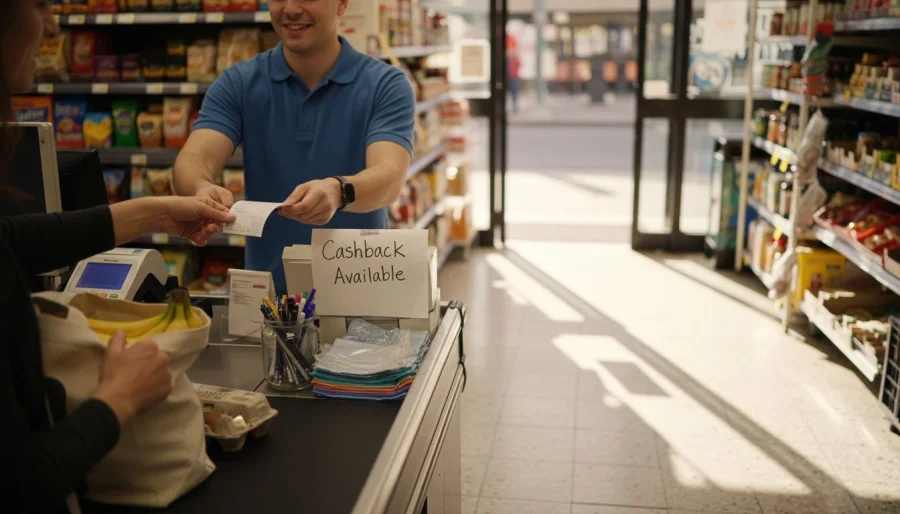
Customer loyalty can feel like a moving target for small business owners in Canada, Australia, or the United States. With shoppers looking for real value and instant rewards, traditional points systems often miss the mark. Cashback programs offer a simple, transparent way to connect with your customers and encourage repeat business by delivering immediate, tangible benefits that are easy to understand. Discover how these strategies help transform everyday transactions into loyal customer relationships.
Cashback Programs Defined and Demystified
Cashback programs represent a strategic customer loyalty approach where retailers offer consumers a percentage of their total purchase back as a financial reward. These programs have gained significant traction in recent years, transforming how businesses engage and retain customers. Loyalty programs leverage consumer psychology by providing immediate and tangible benefits that encourage repeat purchases.
At their core, cashback programs work by returning a predetermined percentage of a customer’s spending directly back to them. Unlike traditional points-based systems, these programs offer clear, instant value that customers can understand and appreciate. Consumers typically receive their cashback through:
- Direct bank transfers
- Store credit
- Digital wallet deposits
- Account statement credits
The strategic value of these programs extends far beyond simple monetary rewards. Digital cashback systems provide businesses with rich consumer data, enabling more personalized marketing approaches and deeper customer insights. Consumer spending behaviors are meticulously tracked through these digital platforms, allowing businesses to refine their engagement strategies.
By offering a transparent and attractive incentive, retailers can build long-term customer relationships. The immediacy of cashback rewards creates a powerful psychological trigger that motivates consumers to choose one business over another. These programs transform transactional interactions into meaningful connections, driving customer loyalty and repeat business.
Pro tip: Design your cashback program with clear, simple rules that customers can easily understand and calculate to maximize engagement and perceived value.
This comparison highlights key differences between points-based and cashback loyalty programs:
| Program Feature | Cashback Programs | Points-Based Programs |
|---|---|---|
| Reward Clarity | Immediate, easy to calculate | Often requires conversion |
| Redemption Speed | Instant or quick | May involve waiting or batching |
| Value Perception | Transparent monetary value | Less direct, subjective value |
| Business Insights | Detailed spend tracking | May lack real-time visibility |
Types of Cashback in Retail Loyalty
Retail loyalty programs feature several distinct cashback models designed to motivate consumer spending and build long-term engagement. Cashback strategies vary significantly in their structure and implementation, offering businesses multiple approaches to reward customer behavior.
The primary types of cashback programs include:
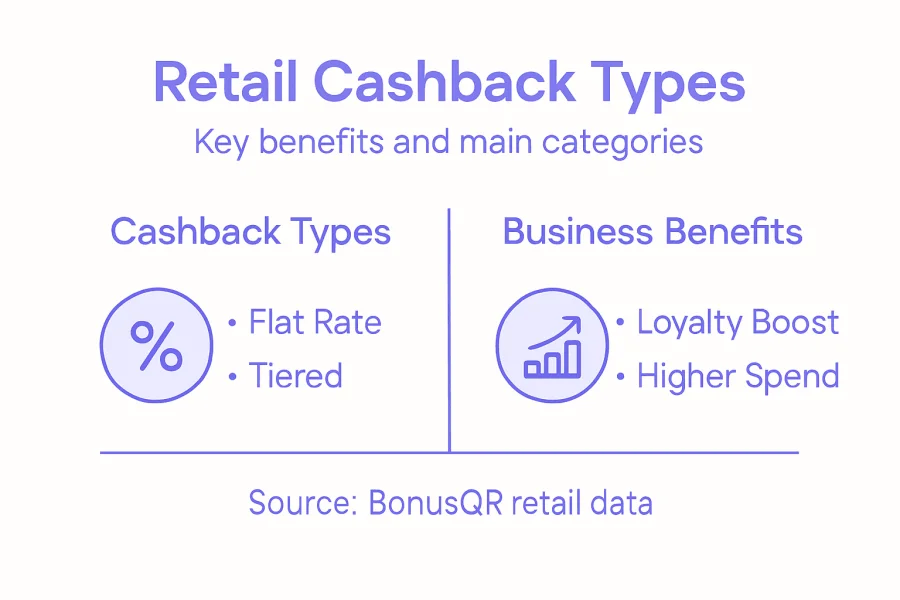
- Flat-Rate Cashback: Offers a consistent percentage return on all purchases
- Tiered Cashback: Increases reward percentage based on total spending levels
- Category-Specific Cashback: Provides higher returns for purchases in designated product categories
- Seasonal Cashback: Offers enhanced rewards during specific promotional periods
- Cumulative Cashback: Allows customers to accumulate rewards over time
Tiered cashback systems represent a sophisticated approach to customer loyalty. Consumer purchase behaviors are meticulously analyzed to create multi-level reward structures that incentivize increased spending. These programs typically feature progressive reward rates where customers unlock higher cashback percentages as they reach specific spending thresholds.

Businesses can strategically design these programs to align with their specific goals. By carefully structuring cashback offerings, retailers can encourage larger purchase volumes, promote specific product lines, and create a sense of achievement for customers as they progress through reward tiers. The psychological motivation of earning progressively better rewards can significantly impact customer retention and overall spending patterns.
Here’s a summary of common cashback program types and their intended business outcomes:
| Cashback Type | Target Customer Behavior | Business Impact |
|---|---|---|
| Flat-Rate Cashback | Encourage routine purchases | Boosts baseline sales volume |
| Tiered Cashback | Motivate higher spending | Increases average transaction size |
| Category-Specific Cashback | Promote specific products | Drives sales in target categories |
| Seasonal Cashback | Stimulate purchases in peak seasons | Maximizes promotional period revenue |
| Cumulative Cashback | Reward long-term loyalty | Strengthens customer retention |
Pro tip: Design your cashback program with transparent, easily understood tier structures that motivate customers to incrementally increase their spending to reach higher reward levels.
How Cashback Works for Businesses
Cashback mechanisms function as powerful marketing strategies that transform customer purchases into opportunities for long-term business growth. By offering a percentage of money back on transactions, businesses create a compelling incentive that drives repeat purchasing and builds customer loyalty.
The core mechanics of cashback programs involve several key components:
- Transaction Tracking: Capturing and recording individual customer purchases
- Reward Calculation: Computing the precise cashback percentage for each transaction
- Reward Distribution: Crediting cashback through various channels
- Customer Engagement: Motivating future purchases through earned rewards
- Data Collection: Gathering insights about consumer spending patterns
Reward distribution channels play a critical role in program effectiveness. Cashback integration with digital platforms enables businesses to credit rewards through multiple mechanisms, including:
- Direct bank account deposits
- Store credit
- Digital wallet transfers
- Account statement credits
- Loyalty point conversions
Businesses benefit from cashback programs by creating a psychological incentive that encourages customers to increase their spending. These programs provide valuable consumer behavior data, allowing companies to refine marketing strategies, personalize offerings, and build stronger customer relationships. The immediate gratification of receiving a financial reward creates a positive association with the brand, driving long-term customer retention and repeat business.
Pro tip: Design your cashback program with transparent rules and multiple redemption options to maximize customer engagement and perceived value.
Setting Up a Retail Cashback Program
Strategic implementation of cashback programs requires careful planning and systematic execution. Retailers must approach program development as a comprehensive strategy that aligns with their specific business goals and customer expectations.
Key steps for establishing an effective cashback program include:
- Define Program Objectives
- Identify specific business goals
- Determine target customer segments
- Set measurable performance metrics
- Design Reward Structure
- Select cashback percentage rates
- Establish spending thresholds
- Determine reward redemption rules
- Choose Technical Infrastructure
- Select payment processing platforms
- Integrate tracking and analytics systems
- Ensure secure reward management
Technological infrastructure plays a critical role in successful cashback program implementation. Businesses need robust digital systems that can:
- Track individual customer transactions
- Calculate precise cashback amounts
- Manage reward distributions
- Provide real-time reporting
- Ensure data security and compliance
Successful cashback programs require continuous monitoring and optimization. Retailers must regularly analyze program performance, gather customer feedback, and adjust reward structures to maintain engagement. The most effective programs create a seamless, transparent experience that provides genuine value to customers while supporting the business’s long-term growth strategy.
Pro tip: Start with a pilot program targeting a specific customer segment to test and refine your cashback approach before full-scale implementation.
Pitfalls, Legalities, and Best Practices
European cashback programs navigate complex regulatory landscapes with increasing scrutiny from consumer protection agencies. Retailers must develop comprehensive strategies that balance customer engagement with legal compliance and ethical considerations.
Key legal and operational considerations include:
- Transparency in reward calculations
- Clear communication of program terms
- Protection of customer data privacy
- Compliance with financial regulations
- Prevention of fraudulent activities
Regulatory compliance demands meticulous attention to several critical areas. Consumer protection regulations impact cashback practices by requiring businesses to:
- Disclose all potential fees
- Provide clear redemption guidelines
- Protect customer financial information
- Ensure fair and consistent reward structures
- Maintain transparent reporting mechanisms
Businesses must also be vigilant about potential pitfalls that can undermine their cashback programs. Common challenges include fraud prevention, managing reward economics, and maintaining customer trust. Successful programs implement robust verification systems, set realistic reward structures, and continuously monitor program performance to adapt to changing consumer expectations and market dynamics.
Pro tip: Develop a comprehensive compliance checklist that addresses legal requirements, data protection standards, and ethical marketing practices before launching your cashback program.
Elevate Your Retail Cashback Strategy with BonusQR
Understanding the power of cashback programs means recognizing the need for a flexible, transparent system that truly engages customers and drives loyalty. The challenges businesses face include setting clear reward structures, offering instant value, and managing multi-channel reward distribution without complex POS integration. If your goal is to create a seamless cashback experience that motivates higher spending and deepens customer relationships, you need a solution designed to handle these specific pain points.
BonusQR.com delivers a customizable loyalty platform built for businesses that want to launch and manage effective cashback programs effortlessly. With features like real-time analytics, branded mobile and web apps, and easy automation of marketing campaigns, you can design tiered or flat-rate cashback models tailored to your customers’ behaviors. Enjoy transparent reward management along with digital wallet integrations and multiple redemption options to provide that immediate gratification highlighted in the article.
Ready to transform your retail cashback strategy and maximize customer retention? Explore how BonusQR’s customizable loyalty solutions can align perfectly with your objectives. Discover rapid setup without POS integration and scalable options for any business size. Take the next step now by visiting BonusQR and start building a loyalty program that turns transactions into lasting connections.
Frequently Asked Questions
What is a cashback program in retail?
A cashback program in retail is a customer loyalty initiative where retailers offer consumers a percentage of their total purchase back to them as a financial reward. This approach encourages repeat purchases and builds customer loyalty through immediate and tangible benefits.
How do cashback programs work for businesses?
Cashback programs function as powerful marketing strategies by incentivizing customers to increase their spending. Businesses track individual customer transactions, calculate rewards based on the spending, and distribute the cashback through various channels, simultaneously gathering valuable consumer behavior data.
What are the different types of cashback programs?
Different types of cashback programs include flat-rate cashback, tiered cashback, category-specific cashback, seasonal cashback, and cumulative cashback. Each type serves specific business outcomes by motivating different customer behaviors and encouraging increased spending.
What are best practices for setting up a retail cashback program?
Best practices for setting up a cashback program include defining clear program objectives, designing a transparent reward structure, selecting appropriate technical infrastructure, and continuously monitoring program performance to optimize customer engagement and compliance.
Recommended
- Why Choose Cashback Rewards for Restaurant Growth | BonusQR
- Boost Customer Retention Effectively with a Cashback | BonusQR
- The Enduring Popularity of Cashback Loyalty Programs | BonusQR
- Stamp Card vs Cashback: Impact on Cafe Loyalty | BonusQR
- 7 Practical Examples of Web Layouts for Retail Success - ResponsiveWebsiteDesign