
 Deutsch
 Español
 Français
 Italiano
 Magyar
 Polski
 Slovenčina
 Čeština
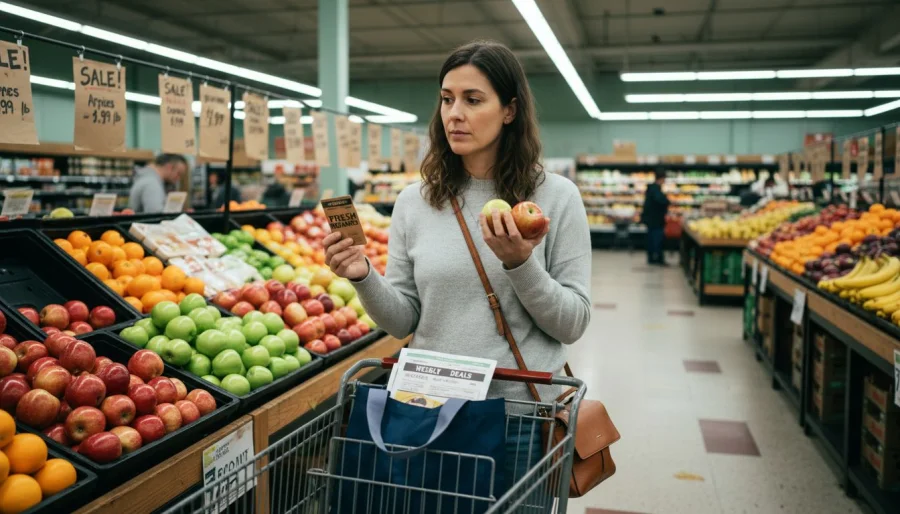
Grocery store managers across the United States and Canada face stiff competition for loyal shoppers as digital platforms reshape retail expectations. Crafting effective discount strategies now means more than clipping coupons or sending generic emails. Instead, grocery loyalty programs operate as dynamic incentive mechanisms, linking personalized rewards to measurable buying patterns. This introduction reveals how understanding modern discount structures and integrating the right tools can turn your store’s loyalty program into a lasting driver of retention, profit, and trust.
Defining Discount Strategies in Grocery Loyalty
Discount strategies in grocery loyalty programs are structured approaches that stores use to incentivize repeat purchases and increase customer lifetime value. These are not random price cuts, but carefully designed economic contracts that connect customer behavior to measurable rewards.
At the core, discount strategies operate as value exchanges. You offer customers a financial benefit—whether that’s a percentage off, dollar amount reduction, or points accumulation—in exchange for their shopping data and repeat visits. The goal is straightforward: create a reason for customers to choose your store over competitors.
These strategies differ fundamentally from traditional couponing. Rather than waiting for customers to clip and present discounts, loyalty program discount structures are integrated directly into your customer relationship management system. This allows real-time tracking, personalization, and dynamic adjustment based on individual customer patterns.
The Three Core Components
Every effective grocery discount strategy contains these elements:
- Discount level: The actual financial incentive (percentage off, dollar amount, or bonus points)
- Purchase threshold: The minimum spending or purchase requirement to qualify for the discount
- Frequency rules: How often customers can redeem the discount and over what time period
Your discount structure should reflect both customer acquisition costs and lifetime value expectations. The math matters as much as the marketing.
Understanding the distinction between types of discounts helps you design the right approach. Fixed discounts offer consistent value regardless of purchase amount. Tiered discounts increase as customers spend more. Behavioral discounts reward specific actions like buying particular product categories or making purchases during off-peak hours.
Research into loyalty program dynamics reveals important patterns about consumer behavior. Many loyalty programs follow a predictable cycle: attract customers with generous initial offers, collect purchasing data to refine the program, then gradually adjust benefits and increase barriers to participation. Understanding this cycle helps you design honest, sustainable programs.
The most successful grocery discount strategies balance three competing priorities:
- Genuine customer savings that create perceived value
- Operational profitability for your store
- Data insights that enable personalization and inventory optimization
Your discount strategy ultimately shapes customer expectations and brand perception. A strategy focused purely on maximum data extraction can backfire. Customers increasingly recognize when loyalty programs disadvantage them rather than reward them.
Pro tip: Start with your cost structure and customer acquisition goals, then work backward to design discount levels that are sustainable for your business while delivering meaningful value to members.
Types of Discount Offers and Program Models
Grocery loyalty discount offers come in distinct varieties, each designed to drive different customer behaviors and business outcomes. Understanding the differences helps you choose models that align with your store’s strategy and customer expectations.
Point-Based Reward Systems
Points are the most common discount mechanism in grocery loyalty. Customers earn points on each purchase, then redeem them for discounts or free items. This model works because it creates a sense of progress and delayed gratification.
Points encourage repeat visits since customers accumulate value over time. One customer might earn 1 point per dollar spent, then redeem 100 points for a $5 discount. The flexibility appeals to different spending patterns.
Cashback and Direct Discounts
Cashback offers immediate financial incentives. Instead of earning points, customers receive a percentage back on eligible purchases—typically 1% to 5% depending on product category. This approach works well for price-conscious shoppers who value transparency.
Direct discount structures can also operate as tiered systems where higher spending levels unlock better rewards. A customer spending $50 weekly might earn 2% back, while someone spending $100+ earns 3% back.
- Percentage-based cashback: Returns a set percentage of purchase amount
- Dollar amount discounts: Fixed dollar off, like $5 off $50 purchases
- Category-specific rewards: Higher cashback on select departments like produce or proteins
Personalized and Tiered Offers
Personalized discounts use customer data to deliver targeted offers. A customer who frequently buys organic products receives discounts on organic items. Someone who purchases deli items weekly gets deals on deli products.
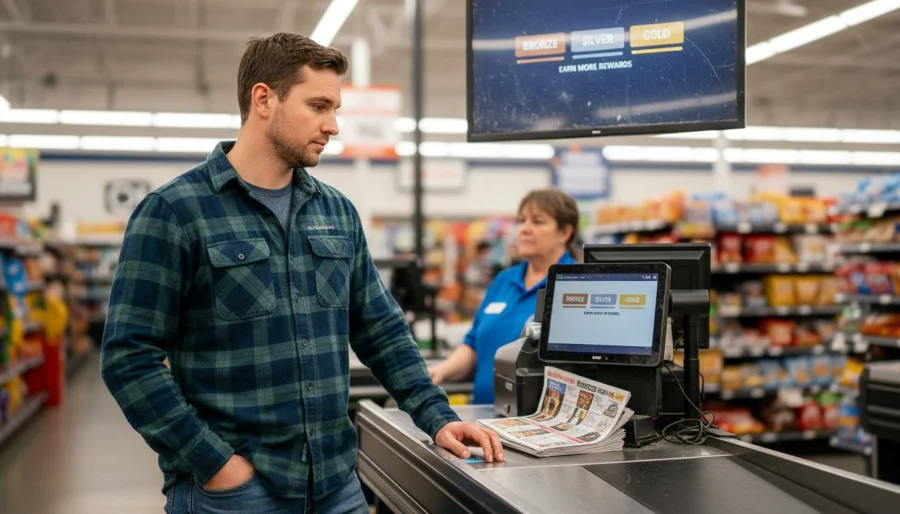
Tiered loyalty models reward increased engagement with progressively better benefits. Bronze members earn standard rewards, Silver members unlock exclusive discounts, and Platinum members receive premium perks like early access to sales or special pricing.
Hybrid approaches combining points, cashback, and personalization generate the strongest customer retention because they appeal to multiple motivations simultaneously.
Tiered systems motivate customers to increase spending to reach higher status levels. They also create psychological investment—members work toward maintaining elite status.
Coalition Programs vs. Standalone Programs
Standalone programs are operated exclusively by your store. Coalition programs partner with other merchants, allowing customers to earn and redeem points across multiple retailers. Coalition programs expand redemption options but require partner coordination.
Your choice depends on scale. Large grocery chains typically run standalone programs. Smaller independent stores often benefit from coalition partnerships that give members broader value.
Here is a comparison of popular grocery loyalty program models and their business impact:
| Program Model | Customer Motivation | Data Insights Potential | Business Impact |
|---|---|---|---|
| Point-Based Rewards | Progress, delayed value | High: track product trends | Drives repeat visits |
| Cashback | Immediate savings | Medium: basic purchase data | Attracts price-sensitive |
| Personalized Offers | Unique, relevant deals | High: in-depth profiles | Increases basket size |
| Tiered System | Status, exclusivity | Very high: loyalty insights | Lifts average spend |
| Coalition Programs | Flexible partnerships | Varies: shared data access | Expands reach, complexity |
Pro tip: Start with a straightforward points or cashback model, then layer in personalization and tiering once you understand your customer base and have sufficient purchase data to target effectively.
Digital Integration and Personalization Tools
Digital tools have transformed how grocery stores deliver discount strategies. Modern loyalty programs operate through mobile apps, digital payment systems, and cloud-based platforms that track customer behavior in real time. This technology layer enables personalization at scale.
Mobile Apps and Digital Delivery
Digital customer loyalty systems allow customers to access discounts instantly through their phones. Instead of carrying physical cards, members load offers to their digital wallet or scan QR codes at checkout. Convenience drives adoption—customers prefer not managing paper loyalty cards.
Mobile integration also enables push notifications. When a customer’s favorite product goes on sale, they receive an alert. This creates timely engagement rather than waiting for monthly mailers.
Personalization Through Data Analysis
Your loyalty platform collects purchase history, browsing behavior, and redemption patterns. Advanced algorithms analyze this data to recommend tailored discounts. One customer might receive discounts on premium proteins while another receives deals on budget-friendly staples.
AI-driven personalization systems deliver targeted content and marketing messages that foster emotional engagement. These algorithms optimize which discounts to show which customers, maximizing redemption rates and customer satisfaction simultaneously.
Real-Time Offer Customization
Traditional loyalty programs sent the same offers to all members. Modern systems customize offers dynamically based on individual shopping patterns. A customer who buys organic produce weekly sees organic discounts automatically. Someone who purchases frozen meals sees deals on frozen sections.
Real-time customization increases relevance. When customers receive offers matching their actual shopping behavior, redemption rates jump from 15% to 40% or higher.
Integration with Payment Systems
Seamless integration with payment processing eliminates friction. Customers don’t manually enter coupon codes or swipe loyalty cards—discounts apply automatically at checkout when their digital identity is recognized.
- Mobile wallet integration: Discounts load directly into Apple Pay, Google Pay, or in-app wallets
- POS synchronization: Register systems instantly recognize loyalty members and apply qualified discounts
- Multi-partner networks: Coalition programs let customers redeem points across partner retailers
Privacy and transparency build trust in personalized programs. Clear communication about data collection and how it improves their experience matters more than aggressive personalization without consent.
Customers want personalization but expect transparency. Explain how their data improves their experience, not how you’re extracting maximum profit from their behavior.
Pro tip: Start with basic personalization using obvious purchase history signals, then gradually introduce behavioral targeting once you understand your customer segments and can demonstrate value in tailored offers.
Measuring ROI and Avoiding Margin Erosion
Loyalty discount programs only succeed when they generate more profit than they cost. Many managers underestimate the financial impact of poorly designed discount strategies, leading to eroded margins and disappointing returns. Understanding the numbers separates sustainable programs from money-losing ones.
Key Metrics That Matter
You need to track specific financial indicators to evaluate program performance. Return on investment (ROI) measures profit generated against program costs. Customer lifetime value (CLV) calculates total profit from a single customer across all future purchases.
These metrics reveal whether your loyalty program attracts profitable customers or simply discounts to bargain hunters. A program attracting customers who buy only discounted items destroys margin. A program attracting regular, full-price shoppers who occasionally use discounts builds profitable relationships.
Measuring Discount Program Costs
Program costs include the discounts given, technology platform fees, marketing spend, and staff training. Calculate the total cost per redemption. If your platform costs $500 monthly, marketing costs $1000 monthly, and you issue $3000 in discounts, your monthly program cost is $4500.
Divide program costs by active members to find cost per customer. If 5000 members generate that $4500 monthly cost, each member costs you 90 cents monthly to maintain.
Calculating True Sales Lift
Not all loyalty program sales represent genuine lift. Some customers would have shopped with you anyway. Strategic discount timing and product placement can boost retail profits while reducing waste simultaneously.
Measure incremental sales—revenue from customers who only shop because of your program. Compare purchases from program members against non-members with similar demographics. The difference is your lift. If members average $150 weekly and non-members average $120, your weekly lift per member is $30.
Avoiding Margin Erosion Traps
Common mistakes drain profitability quickly. Deep discounts on high-margin products destroy per-unit profit even if volume increases. Heavy discounting trains customers to wait for deals rather than pay full price.
These practices erode margins:
- Discounting products customers would buy anyway
- Offering the same discounts to all members regardless of value
- Creating programs where discount redemption exceeds 40% of transactions
- Using loyalty programs as a replacement for pricing strategy
Strategic discount design requires balancing acquisition cost against lifetime customer value—not maximizing transaction volume at any margin cost.
Benchmarking Against Industry Standards
Healthy loyalty programs typically show 8% to 15% ROI within the first year. Mature programs often reach 20% to 30% ROI as efficiency improves and member base grows. If your program underperforms these benchmarks, redesign is needed.
Track redemption rates carefully. Healthy programs see 15% to 25% redemption. Rates above 35% indicate overly generous discounts. Rates below 10% suggest offers lack appeal.
Use this table as a quick reference for ROI and risk benchmarks in grocery loyalty programs:
| Metric | Healthy Range | Warning Sign | Implication |
|---|---|---|---|
| ROI Year 1 | 8% – 15% | Below 8% | Adjust program structure |
| ROI Mature Program | 20% – 30% | Below 15% | Reassess benefit balance |
| Discount Redemption | 15% – 25% | Over 35% | Margins at risk |
| Redemption Too Low | Below 10% | Offers lack appeal |
Pro tip: Build a financial model tracking cost per redemption, incremental sales lift, and CLV before launching your program—then revisit the model quarterly to identify underperforming discount offers for immediate adjustment.
Best Practices for Sustainable Loyalty Gains
Sustainable loyalty means building relationships that last years, not weeks. Programs that chase short-term transactions collapse when competitors offer better deals. Instead, focus on creating genuine value that keeps customers returning willingly.
Personalization Beyond Discounts
Treating customers as individuals with personalized experiences creates emotional bonds that transcend price. Personalization means understanding what matters to each customer—their dietary preferences, budget constraints, family size, or ethical values.
Surprise rewards strengthen loyalty more than expected discounts. When a customer who always buys organic receives a bonus offer on their favorite organic product, that feels tailored and thoughtful. It signals you pay attention.
Transparency and Trust Building
Customers increasingly want to know where food comes from and how it’s produced. Loyalty programs that provide transparent information about sourcing, sustainability practices, and nutritional content build trust. This transparency becomes a loyalty driver itself.
Communicate clearly about program terms. Hidden restrictions or complex redemption rules destroy trust quickly. Clear, straightforward programs attract loyal members who feel respected rather than deceived.
Aligning Values with Action
Customers increasingly demand products that align with their health and sustainability values. Programs supporting regenerative agricultural practices or exclusive sustainable product access appeal to values-driven shoppers. These members typically show higher lifetime value.
Your loyalty program should reflect your store’s commitment to sustainability and ethical sourcing:
- Partner with local suppliers and highlight them in loyalty offers
- Provide bonuses for purchasing sustainable or organic items
- Share supply chain transparency through the loyalty app
- Reward customers for reducing waste or participating in recycling programs
Emotional loyalty built on shared values outlasts transactional loyalty built on discounts—customers defend brands they believe in.
Embedding Loyalty Across Your Organization
Sustainable loyalty requires more than marketing. Your entire team—from cashiers to store managers to supply chain—must understand and support loyalty goals. Training staff to recognize loyalty members and treat them as valued regulars builds genuine relationships.
Empower employees to surprise loyal customers with unexpected perks. A manager offering a loyal member a discount on an unexpected item creates memorable moments that strengthen loyalty beyond what any discount offer could achieve.
Monitoring Long-Term Metrics
Track member lifetime value, repeat visit frequency, and category expansion rather than just transaction count. A member visiting weekly but only buying discounted items represents less value than someone visiting twice monthly buying full-price items.
Review program performance quarterly against these sustainable metrics:
- Customer retention rate year-over-year
- Average days between member purchases
- Percentage of members increasing spending over time
- Share of members purchasing non-discounted items
Pro tip: Design your loyalty program to celebrate member anniversaries and milestones with exclusive rewards—this psychological investment encourages continued participation and demonstrates your appreciation for their loyalty.
Elevate Your Grocery Loyalty Program with Tailored Discount Strategies
The article highlights common challenges in crafting grocery discount strategies that balance customer savings with sustainable profitability. Many grocery stores struggle to implement personalized and tiered discounts that truly engage shoppers while protecting margins and driving meaningful data insights. If you aim to launch or refine a loyalty program that leverages points collection, cashback, and real-time personalized offers without eroding your profits you need a flexible solution designed for these exact goals.
bonusqr.com offers a customizable SaaS platform that empowers you to build digital loyalty programs aligned with the article’s best practices. Key features like mobile app integration, automated push notifications, real-time analytics, and modular discount and rewards options give you the tools to create dynamic, targeted promotions that boost repeat visits and grow customer lifetime value. Our platform supports rapid setup with no POS integration required, enabling you to test and optimize discount levels and frequency rules easily in response to real customer behavior.
Ready to transform your discount strategies into loyal customer relationships and measurable sales lift? Explore the full capabilities of our digital loyalty solutions today and discover how seamless personalization paired with strategic incentives drives sustainable grocery loyalty success.
Frequently Asked Questions
What are discount strategies in grocery loyalty programs?
Discount strategies in grocery loyalty programs are structured approaches that offer financial incentives to customers in exchange for their shopping data and repeat purchases, helping stores build customer loyalty.
How do point-based reward systems work in grocery loyalty programs?
Point-based reward systems allow customers to earn points for every dollar spent, which can then be redeemed for discounts or free items. This creates a sense of accomplishment and encourages repeat shopping as customers accumulate value over time.
What is the difference between cashback and direct discount offers?
Cashback offers give customers a percentage back on eligible purchases, providing immediate financial incentives, while direct discount offers provide a fixed dollar amount off a qualifying purchase. Both aim to attract different customer preferences.
How can personalization enhance grocery loyalty programs?
Personalization enhances grocery loyalty programs by using customer data to provide targeted offers that match individual shopping habits, improving the relevancy of promotions and increasing customer satisfaction and engagement.